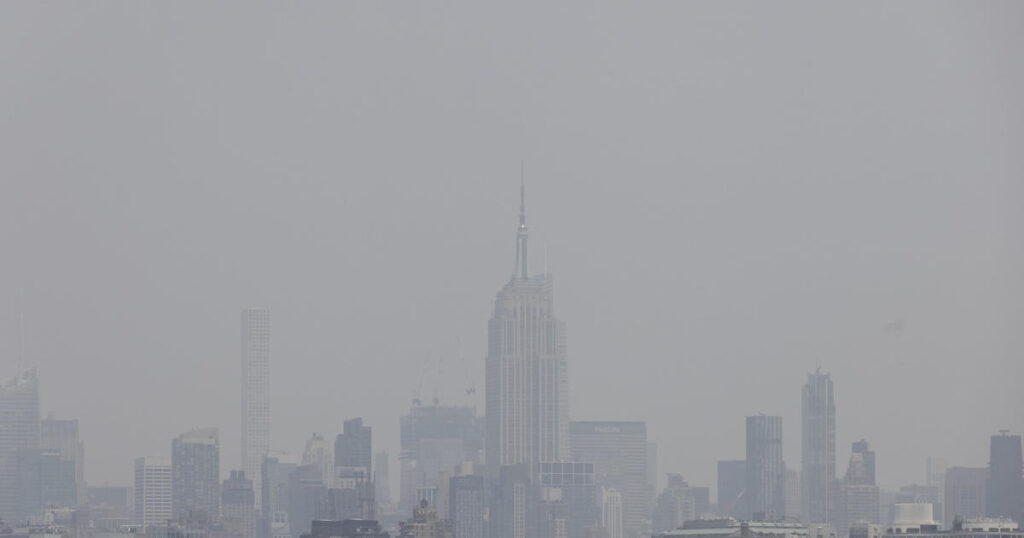
Wildfires in eastern Canada are causing hazardous air quality conditions in the eastern United States, with cities such as New York City and Detroit having some of the worst air quality worldwide. The National Oceanic and Atmospheric Administration (NOAA) has released a radar-based analysis showing near-surface smoke over the U.S., and citizens are advised to limit their outdoor activities.
Posts tagged as “the Pacific Northwest”

The Pacific Fishery Management Council has voted to close king salmon fishing season along much of the West Coast for the 2023 season due to near-record low numbers of the fish returning to California's rivers. This closure is a major blow to the fishing industry, but is necessary to ensure the long-term health of the Chinook salmon population. The Council is now working with state and federal agencies to develop a plan to help the Chinook salmon population recover.
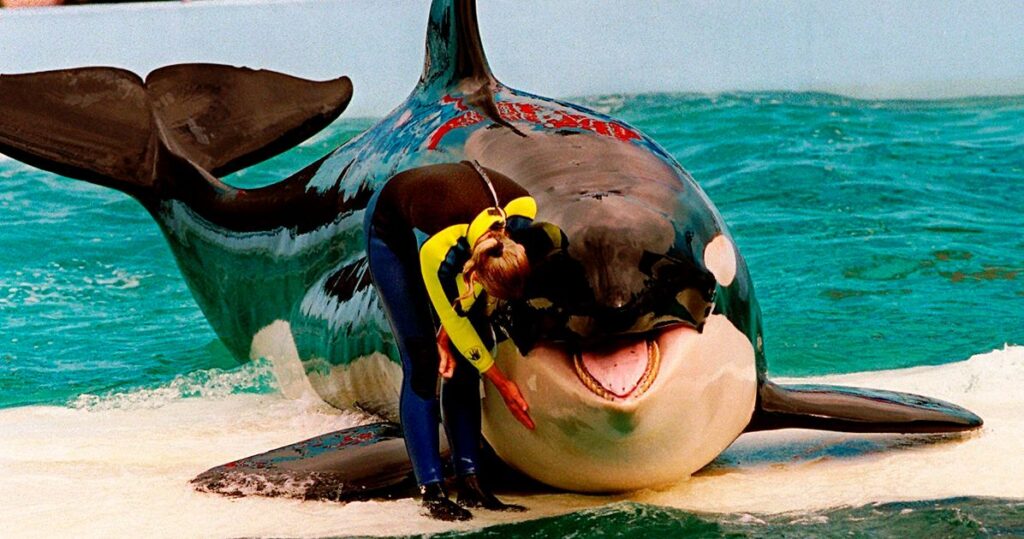
After decades of captivity, Lolita the killer whale is one step closer to returning to her natural habitat in the Pacific Northwest. An unlikely coalition of the Miami Seaquarium, an animal rights group, and Indianapolis Colts owner Jim Irsay have announced a binding agreement to relocate Lolita in the next 18-24 months. The plan is to reunite Lolita with her nearly century-old mother, who still swims in her home waters.
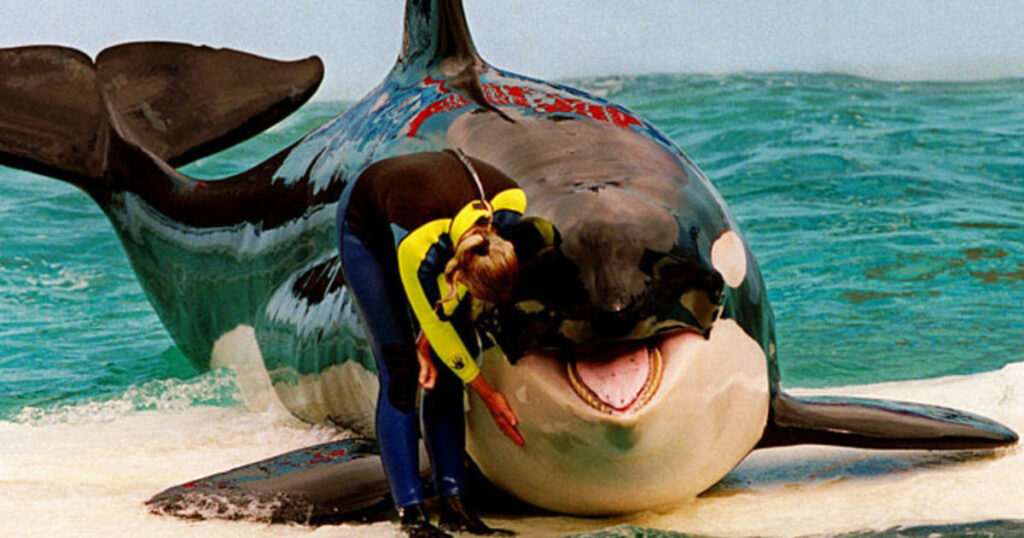
After more than five decades in captivity, Lolita the orca may soon be returned to her native waters in the Pacific Northwest. The plan to return her was announced at a news conference held by the Miami Seaquarium, Friends of Lolita, and philanthropist Jim Irsay. The project is still in its early stages, but if all goes according to plan, Lolita will soon be able to live out the rest of her days in her natural habitat.
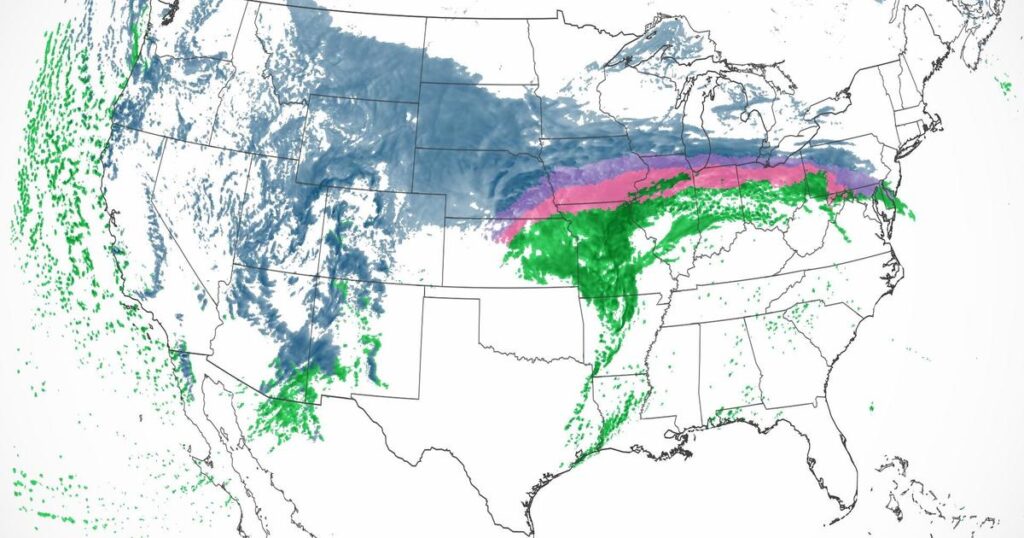
This week, more than 40 million people across 22 states are preparing for a major winter storm system that will bring heavy snow, rain, gusty winds and potential flash flooding. The storm is expected to affect almost the entire country, with the Pacific Northwest and Northeast likely to be the hardest hit. At the same time, temperatures will be significantly higher than normal in the Southeast and Midwest, with nearly 150 million Americans experiencing a high of 70 degrees or more. The National Weather Service is urging people to take precautions and be aware of any winter weather alerts.