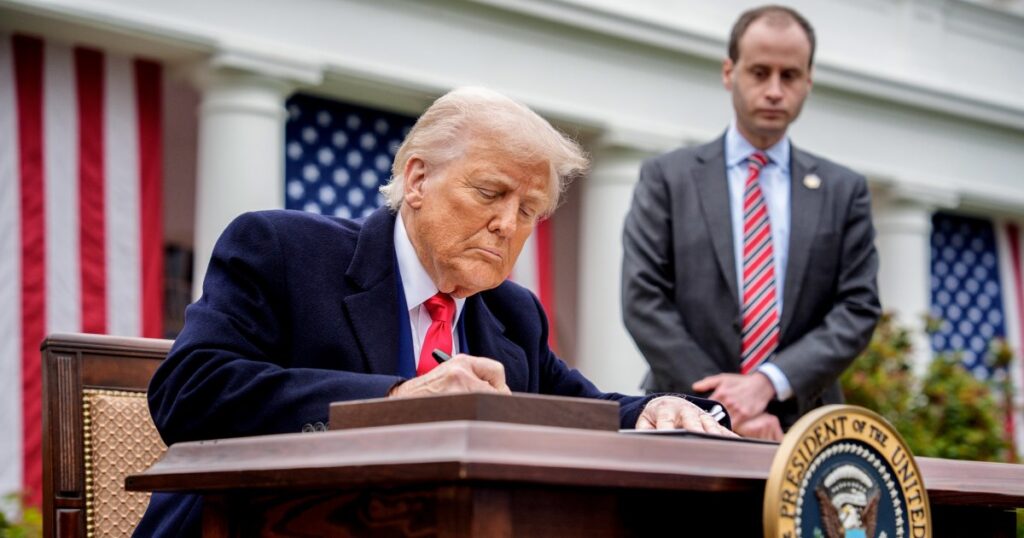
President Donald Trump's aggressive new tariffs have led to bipartisan concern in Congress, with lawmakers from both parties seeking to limit his tariff powers due to potential economic impacts. The Senate, with a Republican majority, has already voted to overturn tariffs on Canada, and further measures like the proposed Trade Review Act of 2025 aim to establish checks on the president's trade authority. As Congress explores additional strategies to counteract Trump's tariffs, financial markets have reacted with caution, highlighting the uncertainty surrounding U.S. trade policy and the ongoing debate over the balance of power between the executive and legislative branches.
Posts tagged as “the House of Representatives”
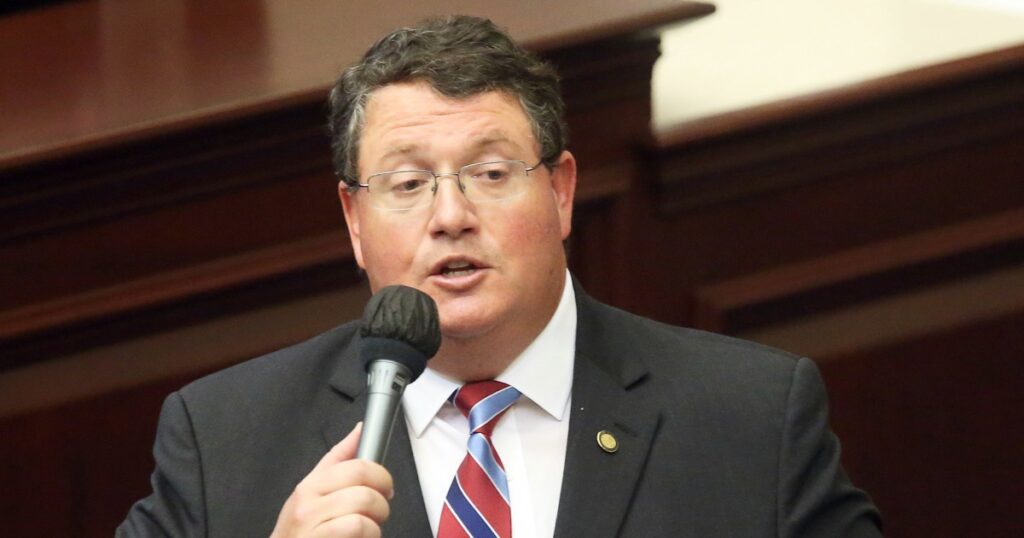
NBC News has projected Republican victories in two special congressional elections in Florida, with Jimmy Patronis winning the 1st District and Randy Fine securing the 6th District. Despite these districts being Republican strongholds, the races were unexpectedly competitive, indicating a shift in voter dynamics. These outcomes are seen as early indicators of public sentiment on Trump's presidency and are being analyzed for insights into future electoral trends.
In a notable move, Senate Minority Leader Chuck Schumer announced his support for a Republican-backed six-month funding bill to prevent an impending government shutdown, despite opposition from many Senate Democrats. Schumer described the situation as a "Hobson's choice," emphasizing the limited options and potential chaos of a shutdown, marking a significant concession from his previous stance. This decision, following a contentious caucus meeting, highlights the complexities of bipartisan negotiations in the Senate amid pressing deadlines.
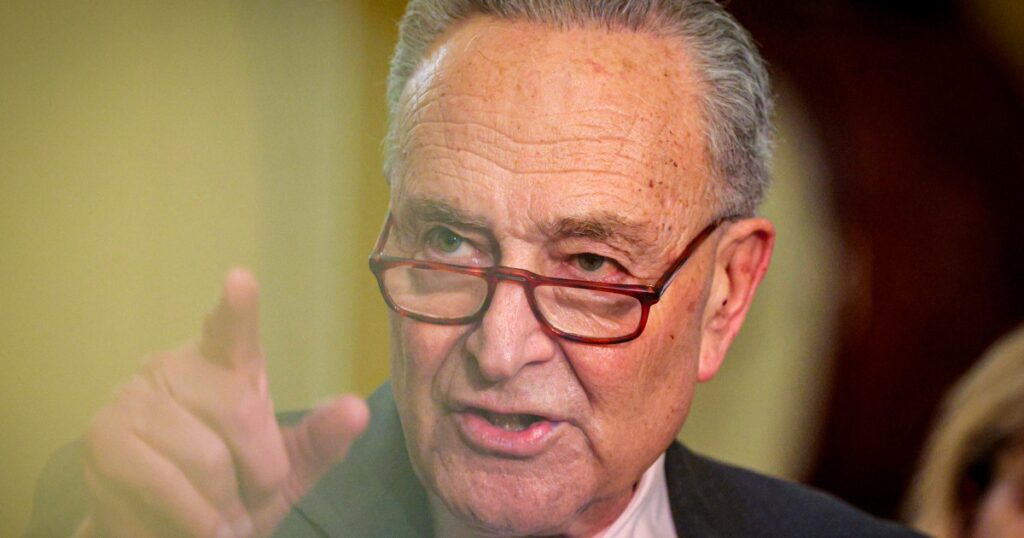
Senate Minority Leader Chuck Schumer announced that Senate Democrats plan to reject the government funding bill drafted by House Republicans, criticizing the lack of bipartisan input in its creation. With the deadline to pass a funding bill approaching, Schumer emphasized that Republicans do not have enough votes in the Senate and advocated for a one-month extension to prevent a government shutdown. The situation underscores broader governance issues, highlighting concerns about opacity and the lack of bipartisan cooperation in the legislative process, as lawmakers face uncertainty and heated debates over the next steps.
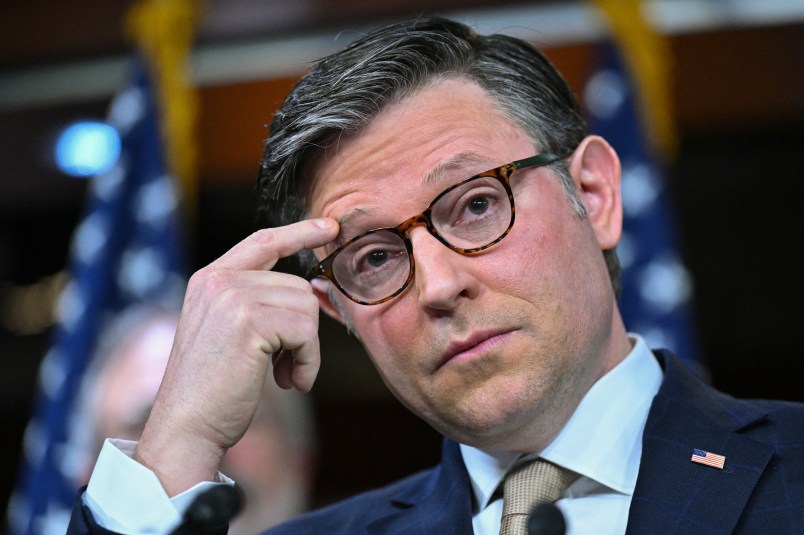
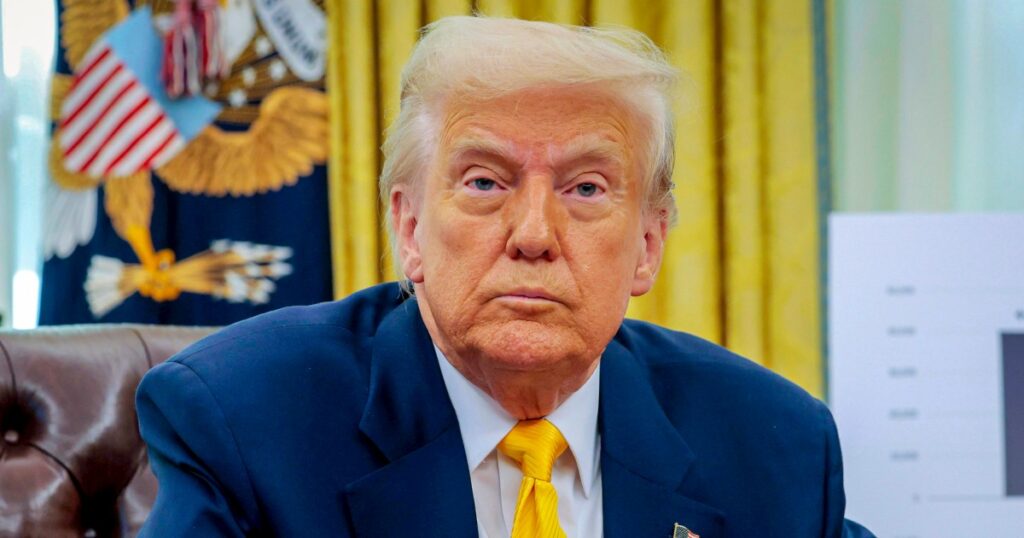
As the deadline for government funding approaches, the House of Representatives is set to vote on a stopgap funding bill endorsed by former President Donald Trump, aiming to prevent a government shutdown. Despite optimism from House Speaker Mike Johnson and Republican leaders, the bill faces opposition from House Democrats, led by Minority Leader Hakeem Jeffries, who criticize their exclusion from the bill's development and argue it fails to address their concerns. Internal dissent within the Republican Party, notably from Representative Thomas Massie, adds uncertainty to the vote's outcome, highlighting the challenges of bipartisan agreement and the political dynamics at play as both parties strive to keep the government operational.
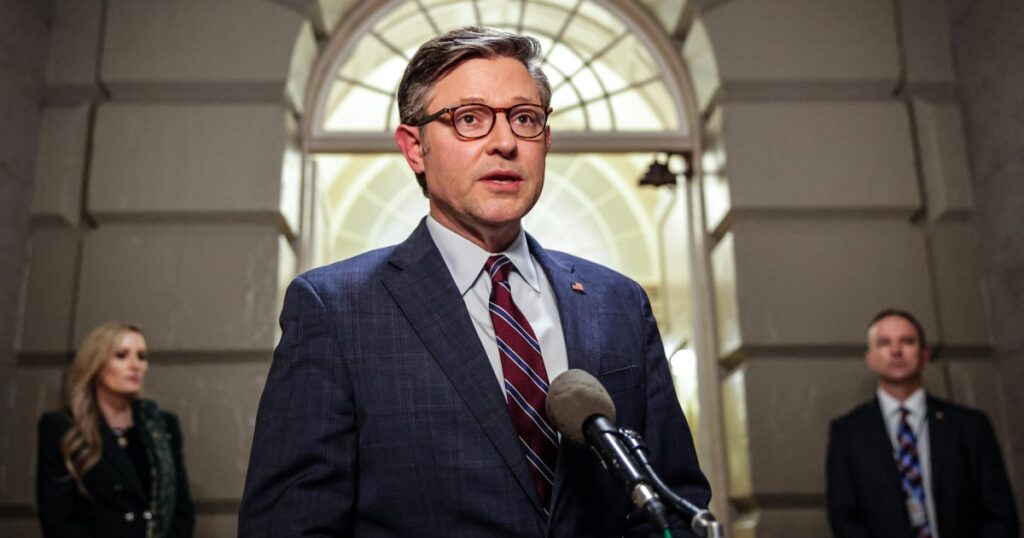
In a period of heightened tensions over the separation of powers, House Republicans have introduced a funding proposal to extend government funding until the end of fiscal year 2025, amidst significant spending cuts by Elon Musk's executive branch entity, DOGE. The proposed continuing resolution seeks to maintain government operations beyond the looming deadline, requiring a simple majority in the House and support from at least 60 senators to overcome a potential filibuster. With a government shutdown deadline approaching, House Speaker Mike Johnson is pushing for a vote on a six-month funding extension, facing criticism from Democrats for its military spending focus and exclusion from negotiations.
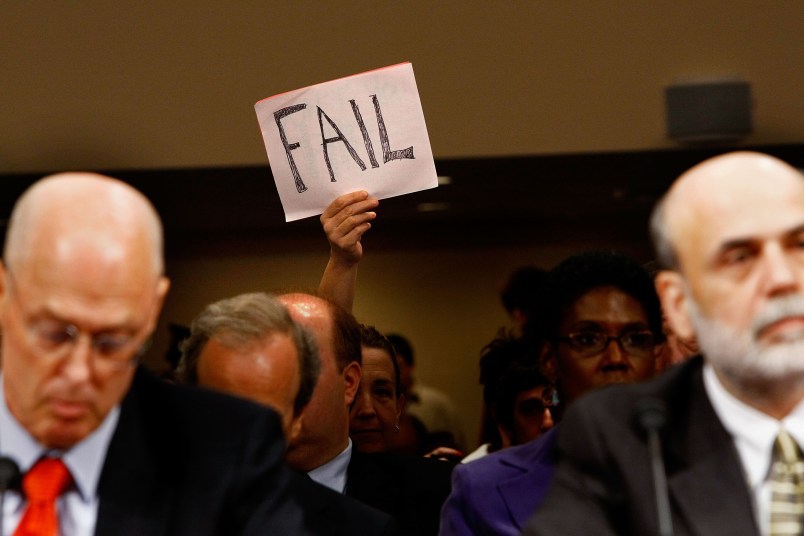
Senator Elissa Slotkin, a Democrat from Michigan, plans to withhold her vote on government funding unless the Trump administration assures that allocated funds will be spent according to congressional intent, highlighting concerns over executive overreach. As the deadline for a potential government shutdown approaches, the Senate faces a significant challenge, requiring bipartisan support to pass a continuing resolution, which emphasizes Congress's constitutional role in controlling government spending. This situation underscores the tension between the legislative and executive branches and the importance of congressional oversight, with the outcome impacting government operations and setting a precedent for future negotiations.
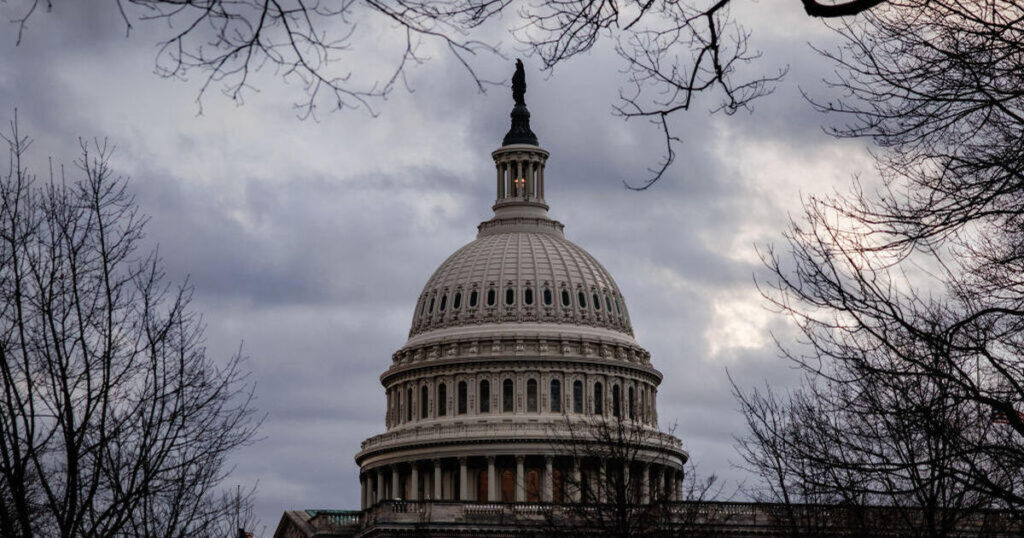
House Speaker Mike Johnson introduced a short-term funding bill to prevent a government shutdown by extending operations through September, with increased defense spending and decreased non-defense discretionary spending. The bill, scheduled for a House vote on Tuesday, is crucial as current funding expires late Friday night, aiming to maintain government operations and avert a shutdown. Notably, the bill includes an additional $6 billion for veterans' health services, reflecting a priority on veterans' health amidst reduced non-defense spending, and President Trump has expressed his willingness to sign it.