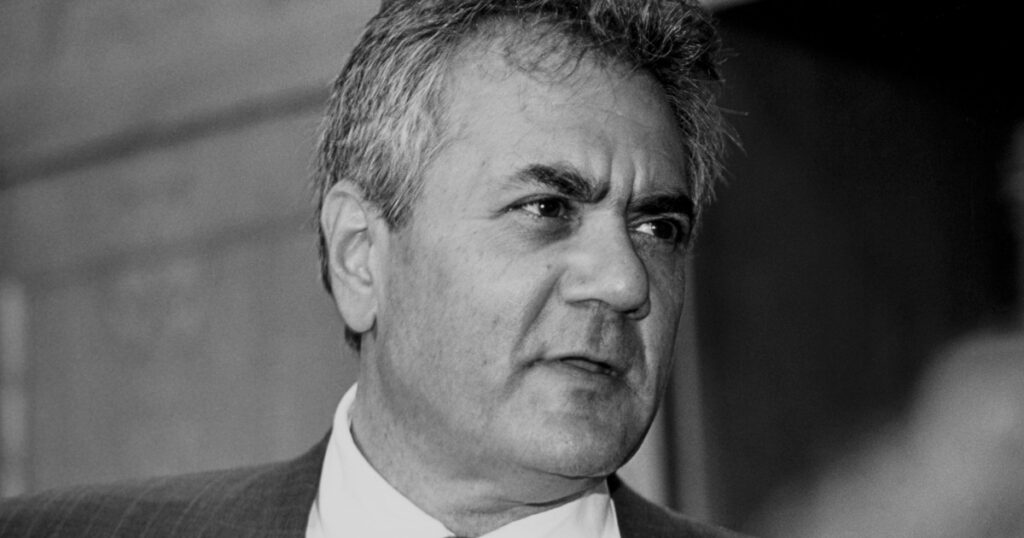
Barney Frank, a Massachusetts congressman who co-authored the Dodd-Frank financial reform law and was a pioneering openly gay politician, has died at 86. He served 32 years in Congress and was known for his sharp wit and advocacy on banking and civil rights.
Posts tagged as “The Consumer Financial Protection Bureau”
Recent rumors suggest that the Trump administration may issue executive orders to revoke the non-profit status of climate organizations, causing concern among environmental groups, though no official confirmation has been provided. Simultaneously, a federal judge has halted President Trump's efforts to reduce the workforce of the Consumer Financial Protection Bureau (CFPB), leaving the agency in a state of uncertainty as legal proceedings continue. The judge expressed concerns that the administration's actions could weaken the CFPB's ability to fulfill its responsibilities, and the outcome of these legal battles could significantly impact both environmental and consumer protection efforts.
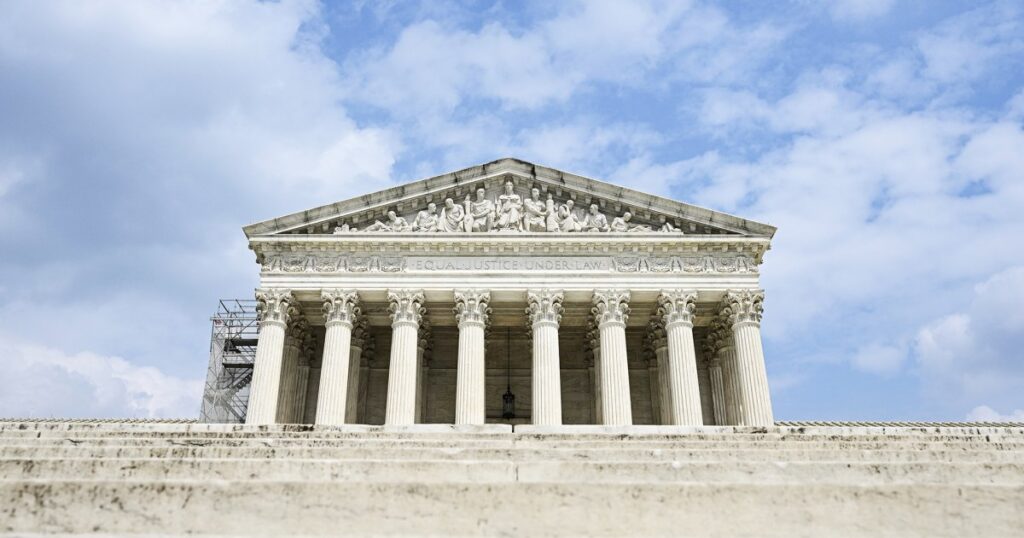
The Supreme Court heard arguments on Tuesday in a case challenging the Consumer Financial Protection Bureau's (CFPB) funding mechanism, which is provided directly by the Federal Reserve. The plaintiffs, two trade groups representing payday lenders, argue that this is unconstitutional. Both conservative and liberal justices seemed skeptical of the plaintiffs' theory, with Justice Stephen Breyer noting that the CFPB's funding structure is similar to other independent agencies. The outcome of the case will have a significant impact on the CFPB's ability to protect consumers from predatory lenders.
The Supreme Court heard arguments on Tuesday in a case that could determine the future of the Consumer Financial Protection Bureau (CFPB). Noel Francisco, who argued on behalf of the trade associations challenging the CFPB's funding structure, faced tough questioning from the justices. If the court rules in favor of the trade associations, it could gut the agency’s funding and have a major impact on the post-financial crisis regulatory landscape. The Supreme Court is expected to issue a ruling on the case in the coming months.
Bank of America, the second-largest bank in the United States, has been ordered to pay more than $100 million in penalties and restitution to customers for illegally double-dipping on fees, withholding reward bonuses, and opening accounts without customer consent. The Consumer Financial Protection Bureau and the Office of the Comptroller of the Currency announced the penalties on Tuesday, and Bank of America has agreed to the terms.
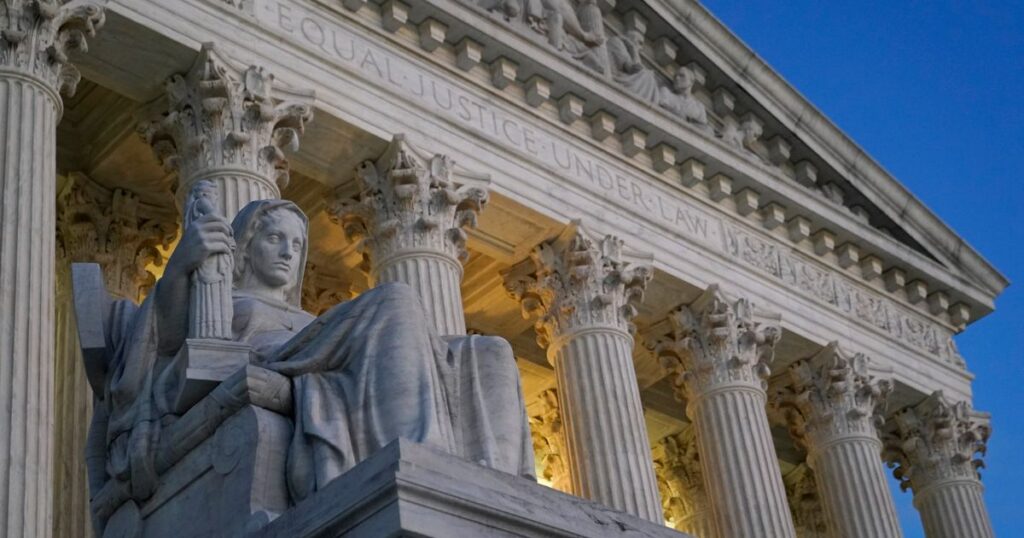
The Supreme Court has agreed to review a case that could have a major impact on the Consumer Financial Protection Bureau (CFPB). The case centers around the Appropriations Clause of the Constitution, which states that "no money shall be drawn from the Treasury, but in consequence of appropriations made by law." The CFPB was created in the wake of the 2008 financial crisis and its regulations are now at risk of being overturned by the Supreme Court. The court is expected to hear the case in the spring of 2021.
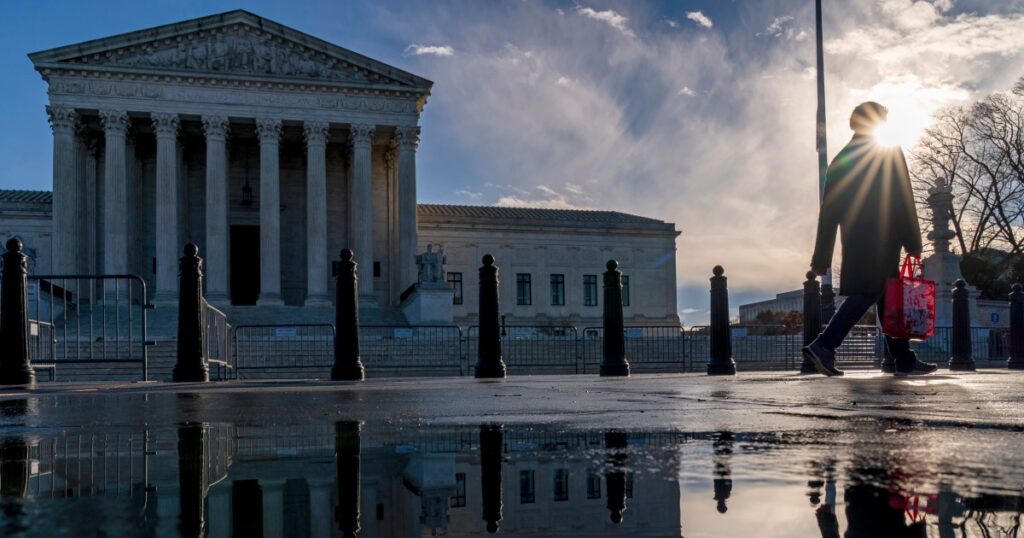
The Supreme Court has agreed to hear a case involving the Consumer Financial Protection Bureau (CFPB), a federal agency that protects consumers from unlawful financial services practices. The Biden administration had argued that a lower court decision invalidating the way the CFPB is funded threatens its entire mission. The outcome of the case could have far-reaching implications for the CFPB and the regulation of financial services in the US, with the court's ruling expected to be issued in June 2024.
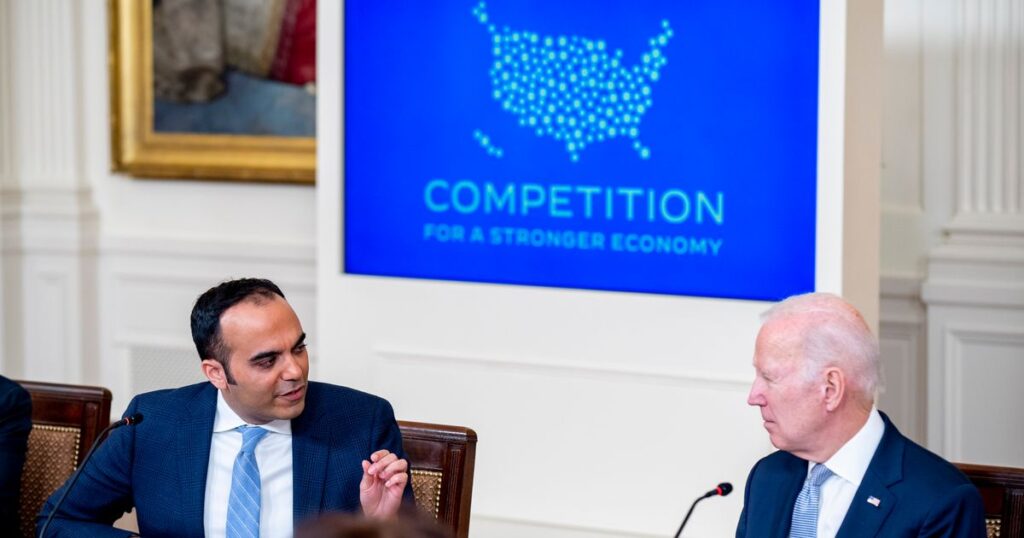
A new study has revealed that banks with the highest reliance on hidden fees are primarily located in low-income areas of the US, costing consumers at least $29 billion each year. In response, President Biden and the Consumer Financial Protection Bureau have taken steps to limit credit card late fees, and the President has vowed to ban “junk fees” in his State of the Union address. The study highlights the need for greater regulation of these fees to ensure they are not disproportionately impacting low-income communities.