
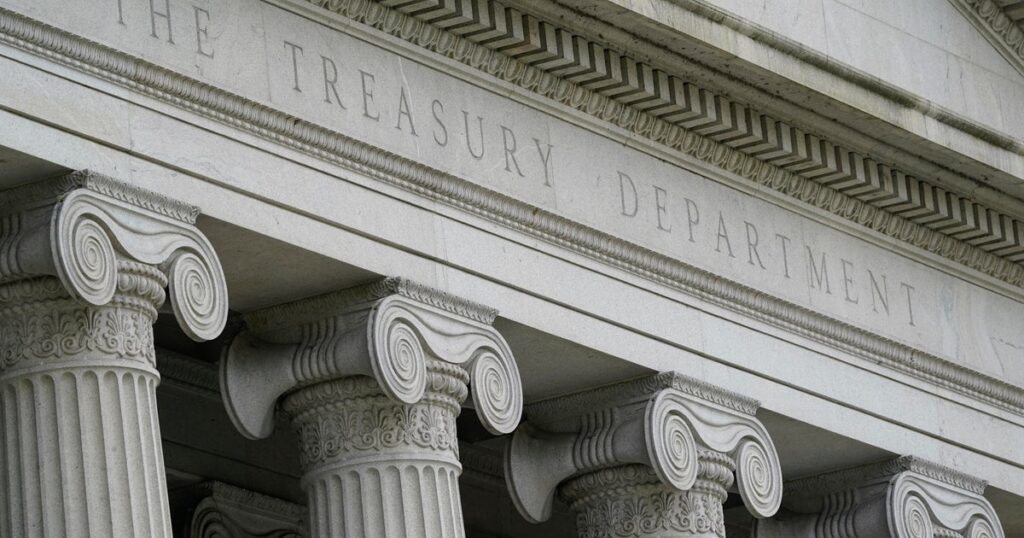
The U.S. Treasury Department has temporarily eased sanctions on Iranian oil shipments already at sea to help lower soaring global energy prices, allowing purchases of oil loaded before a specified deadline until April 19. This narrowly tailored move aims to increase supply without significantly benefiting Iran financially, marking a shift from previous maximum pressure policies amid ongoing tensions and geopolitical conflicts affecting oil markets. However, experts remain skeptical about the relief’s effectiveness, while high fuel costs continue to impact industries like aviation, prompting operational adjustments and discussions of increased security measures in critical shipping routes.
Posts tagged as “Scott Bessent”
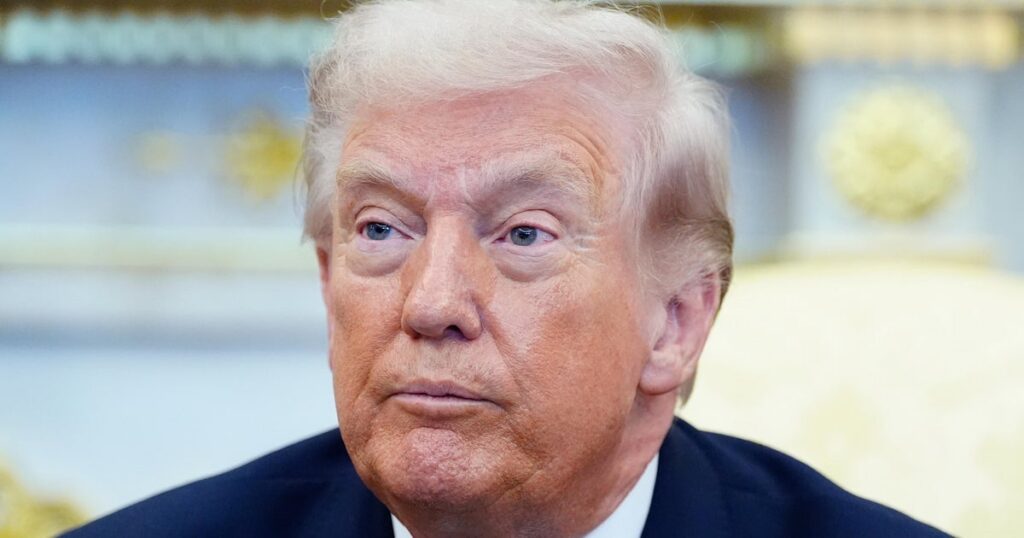
A federal commission appointed by former President Donald Trump has approved the final design for a 24-karat gold commemorative coin featuring Trump’s image to mark the United States' 250th anniversary in 2026. Despite federal laws prohibiting living presidents on currency, Treasury Secretary Scott Bessent authorized the coin’s production, which will be limited in quantity and potentially larger than standard gold coins. This gold coin project is separate from a planned $1 circulated coin featuring Trump, and its approval bypassed some traditional advisory channels amid broader efforts by Trump to link his legacy with national celebrations.

The United States has temporarily eased sanctions on Russian oil, allowing the purchase of petroleum products already loaded onto ships before the announcement, aiming to ease global energy market disruptions caused by conflicts in the Middle East. Treasury Secretary Scott Bessent emphasized the measure is narrowly tailored to avoid benefiting Russia financially and to increase existing supply amid restricted shipping through the Strait of Hormuz. While Russia welcomed the move as stabilizing global markets, European governments and some U.S. lawmakers criticized it for potentially strengthening Russia’s position and undermining sanctions related to the Ukraine conflict.
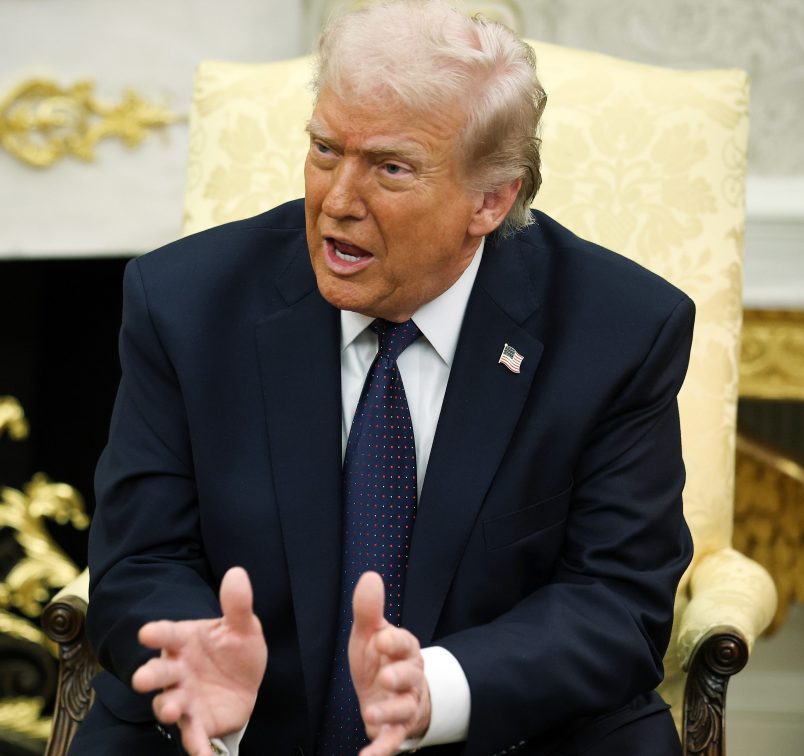
The conflict involving Iran in the Middle East has intensified over nearly two weeks, marked by a tragic U.S. military aircraft crash in Iraq, persistent Iranian drone and missile attacks on Gulf allies, and rising tensions fueled by President Trump’s aggressive rhetoric. These attacks have disrupted critical shipping routes like the Strait of Hormuz, prompting discussions of U.S. naval escorts to protect oil tankers amid soaring global energy prices. Meanwhile, Iran’s internal crackdown on protests and calls from international leaders for regime change highlight the multifaceted and volatile nature of the ongoing crisis.
The White House has announced the creation of the United States-Ukraine Reconstruction Investment Fund, a new economic partnership aimed at aiding Ukraine's recovery and development by facilitating joint investments and unlocking the country's growth potential. A significant aspect of this agreement involves the extraction and ownership of Ukraine's natural resources, including rare earth minerals, which is intended to strengthen Ukraine's economic infrastructure and provide the U.S. with valuable resources. The partnership, formalized by officials from both nations, is seen as a strategic commitment to supporting Ukraine's sovereignty and prosperity while sending a message to Russia about the U.S.'s dedication to a peaceful resolution.
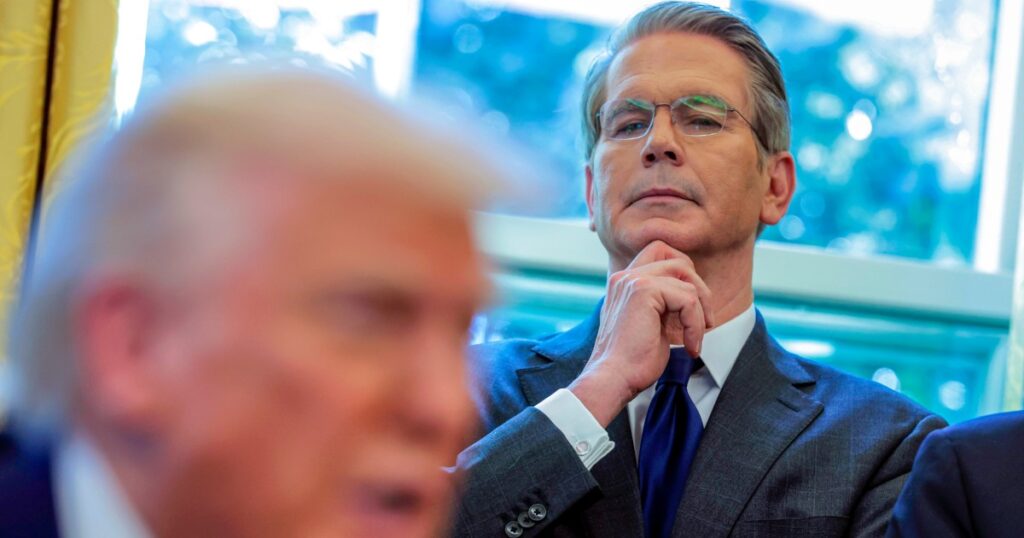
In a recent address at the Institute of International Finance, Treasury Secretary Scott Bessent emphasized the Trump administration's focus on rebalancing the U.S. economy towards manufacturing, highlighting that over 100 countries have approached the U.S. to address trade imbalances. He urged China to shift away from its export-led growth model, describing it as "unsustainable," and expressed the need for economic rebalancing between the two nations, aligning with the administration's goal of enhancing U.S. manufacturing. Amidst ongoing trade tensions, Bessent suggested the potential for a significant trade agreement with China, though he did not indicate any immediate changes to the administration's assertive trade policies.
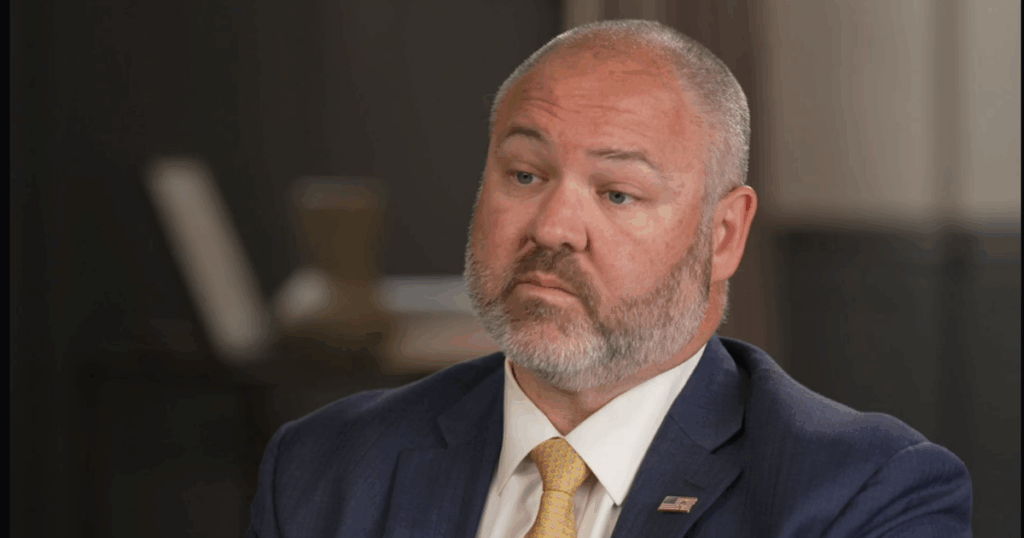
Gary Shapley was replaced as acting commissioner of the IRS just 48 hours after his appointment, following concerns from Treasury Secretary Scott Bessent that Shapley was appointed without President Trump's knowledge and possibly influenced by Elon Musk. Shapley, who succeeded Melanie Krause after her resignation, is expected to continue advising Secretary Bessent despite his brief tenure. The IRS leadership remains uncertain as President Trump's nominee, Billy Long, awaits Senate confirmation amid whistleblower allegations related to President Biden.
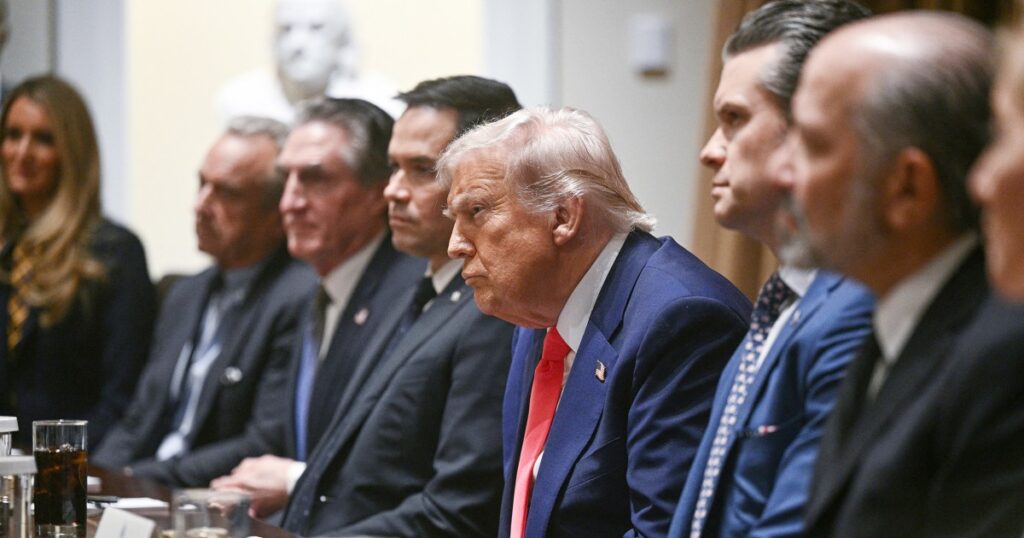
During a Cabinet meeting, President Donald Trump addressed the escalating trade tensions with China, highlighting the administration's decision to increase tariffs on Chinese goods to 145%, which has led to market volatility. Despite the fluctuations, Trump expressed confidence in reaching favorable trade resolutions with various countries within 90 days, aiming to stabilize the economic landscape through strategic negotiations. Treasury Secretary Scott Bessent provided context on market movements, suggesting they are part of broader economic dynamics, while critics voiced concerns about potential inflation and the need for sustained policy efforts.