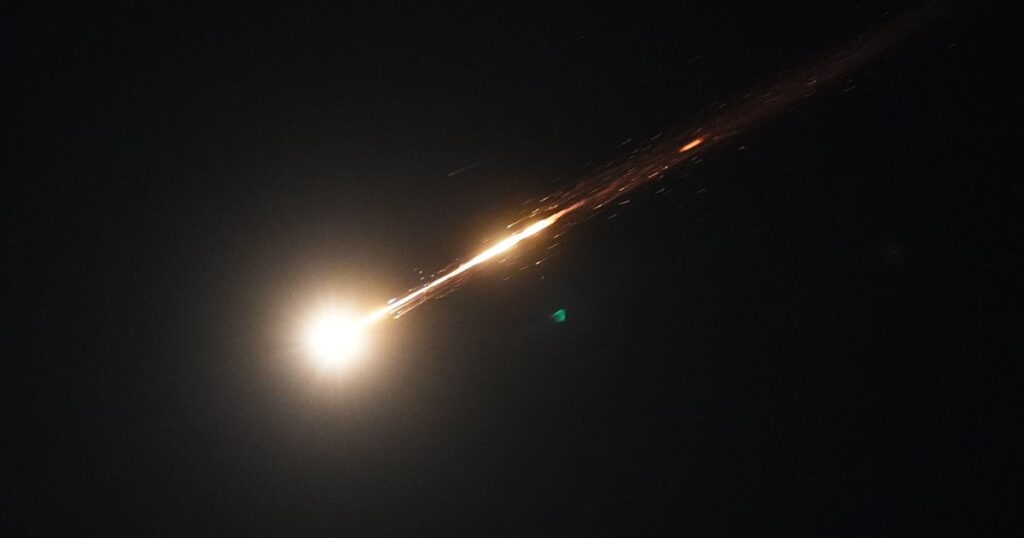
The conflict between the United States, Israel, and Iran has intensified, with Iran rejecting a U.S. peace proposal while talks continue amid threats of severe military action, including a possible ground invasion of the strategically vital Kharg Island. The U.S. is increasing its military presence in the Middle East, deploying troops and equipment as tensions rise, while international leaders, including the UN Secretary-General, call for an immediate end to hostilities to prevent wider regional escalation. The ongoing conflict has caused global economic uncertainty, particularly affecting oil markets due to disruptions around Kharg Island and the closure of the Strait of Hormuz.
Posts tagged as “Operation Epic Fury”
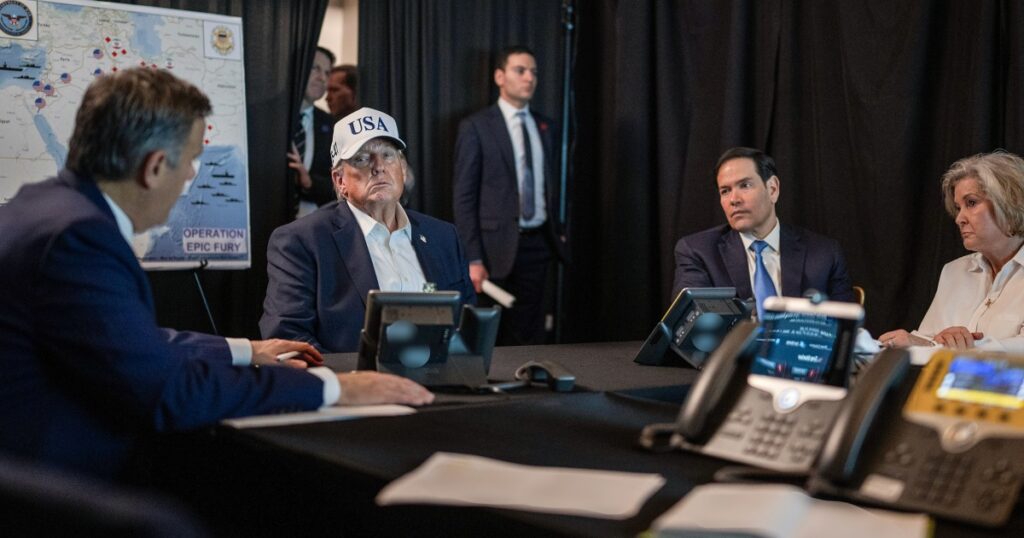
The United States is preparing to deploy elements of the 82nd Airborne Division, including fewer than 1,500 troops, to the Middle East amid ongoing air operations targeting Iranian military infrastructure. Since the conflict began on February 28, the U.S. has conducted over 9,000 combat flights against key Iranian military sites, while additional Marines and naval forces are being sent to the region. Although President Trump receives curated daily briefings emphasizing U.S. successes, some officials worry he may not be fully informed of setbacks, a concern denied by the White House amid divided public opinion on the war.
The U.S. Treasury Department has temporarily eased sanctions on Iranian oil shipments already at sea to help lower soaring global energy prices, allowing purchases of oil loaded before a specified deadline until April 19. This narrowly tailored move aims to increase supply without significantly benefiting Iran financially, marking a shift from previous maximum pressure policies amid ongoing tensions and geopolitical conflicts affecting oil markets. However, experts remain skeptical about the relief’s effectiveness, while high fuel costs continue to impact industries like aviation, prompting operational adjustments and discussions of increased security measures in critical shipping routes.
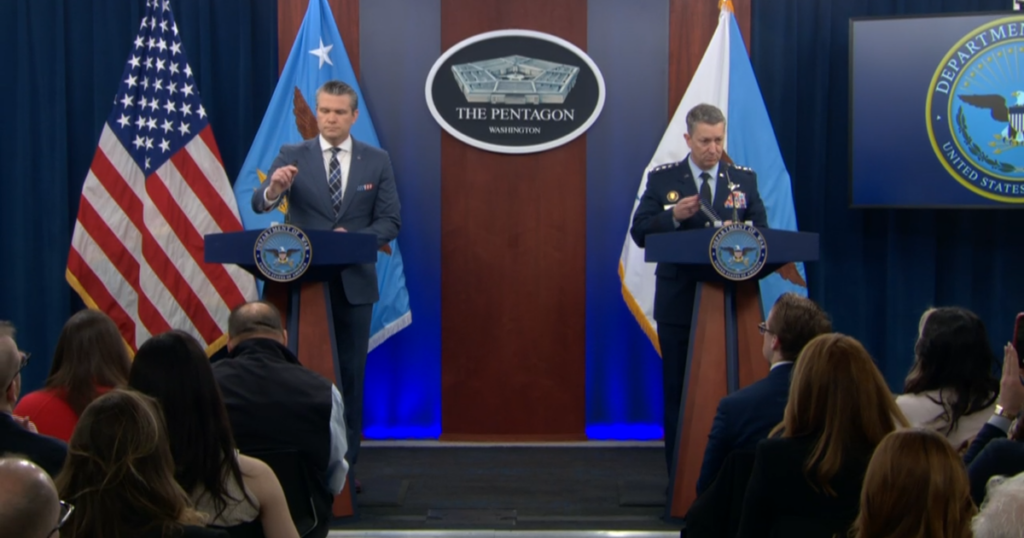
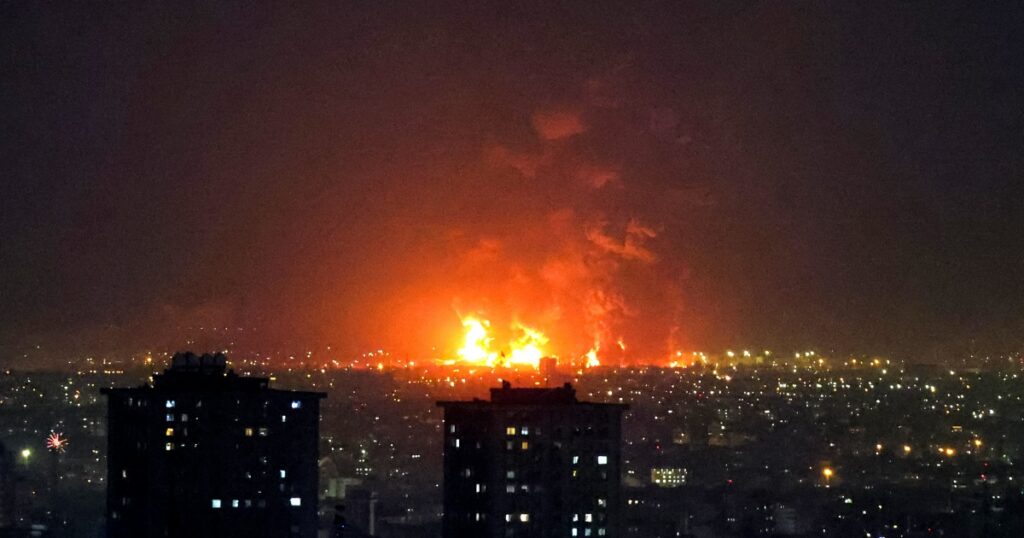
The United States and Israel have escalated military strikes against Iran, with the U.S. conducting over 7,000 attacks on Iranian military and industrial sites as part of Operation Epic Fury, while Israel targeted key Iranian officials and energy infrastructure. These actions have heightened tensions and disrupted global energy markets, prompting President Trump to warn Israel against further attacks on shared resources unless provoked by Iran, and calls for international efforts to reopen the closed Strait of Hormuz. Despite significant damage to Iran’s capabilities, intelligence reports indicate the regime remains intact, amid ongoing investigations into leaks related to the conflict and revelations of covert coordination between the U.S. and Israel.
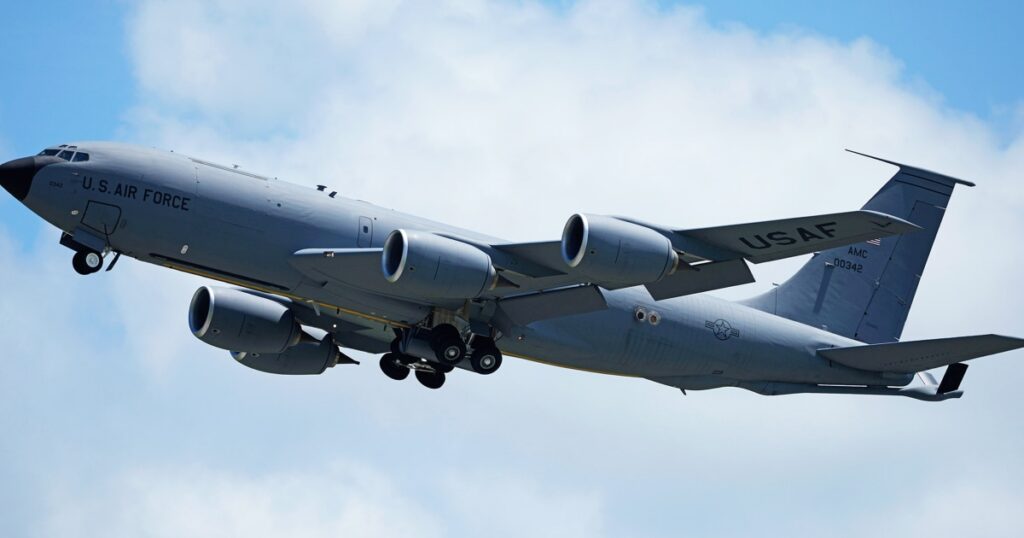
Four U.S. military personnel died when a KC-135 aerial refueling aircraft crashed near the Iraqi-Jordanian border during operations related to conflicts involving Iran, with two crew members still missing as rescue efforts continue. CENTCOM confirmed the crash was not due to hostile or friendly fire and noted a second KC-135 involved in the same operation was damaged but landed safely in Tel Aviv. This incident is the fourth U.S. aircraft crash linked to Operation Epic Fury, which has resulted in 11 U.S. service member deaths since February 28, and recovery operations are ongoing amid an active investigation.