
Key takeaways: The U.S. has been working to ensure that the release of hostages and the distribution of aid are prioritized before a ground invasion…
Posts tagged as “Knesset”
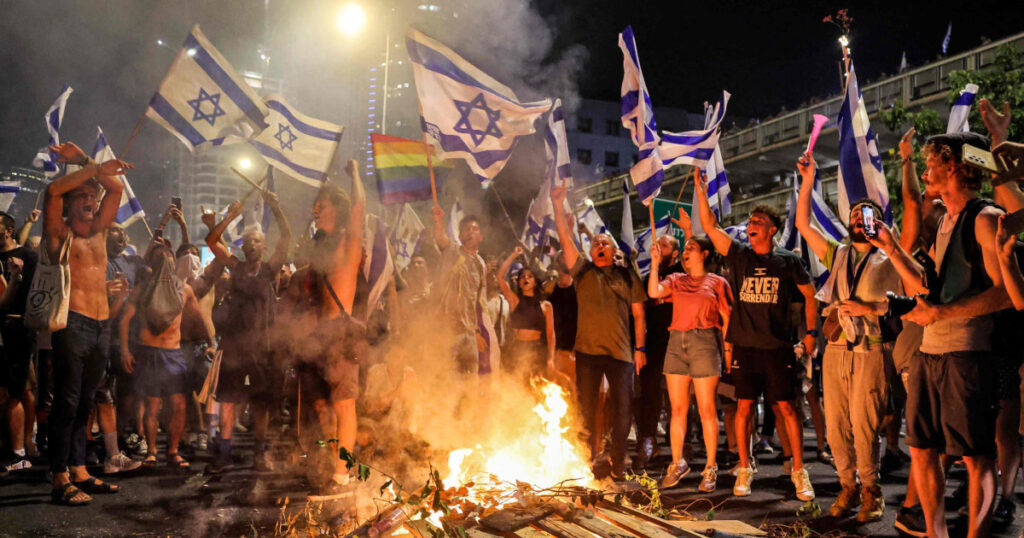
Israel's Knesset has passed a controversial law that limits the power of the Supreme Court, allowing a simple majority in parliament to overturn its decisions. The law has been met with strong opposition from many in Israel, leading to months of protests from tens of thousands of demonstrators. The law is a major step in Prime Minister Benjamin Netanyahu's plans to overhaul the judiciary and weaken the Supreme Court, and its long-term effects remain to be seen.
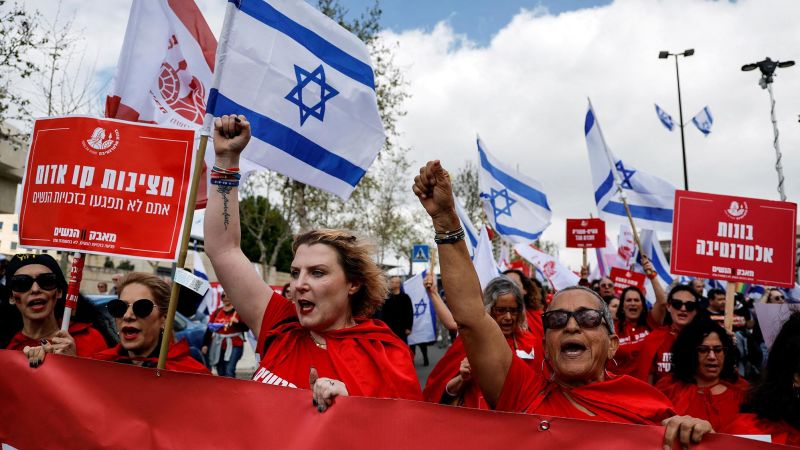
Israeli Prime Minister Benjamin Netanyahu has announced a month-long pause on his controversial plan to change the country’s judicial system, in response to weeks of protests and a general strike. The Biden administration has been cautious in its criticism, but U.S. Ambassador to Israel Tom Nides suggested a visit from Netanyahu to the White House is imminent. The pause is seen as an attempt to cool things down without fully backing down, and it remains to be seen how the Biden administration will respond.

Tensions in Israel have been escalating over the past weekend due to Prime Minister Benjamin Netanyahu's firing of Defense Minister Yoav Gallant and proposed judicial reform package. In response, Prime Minister Netanyahu announced a pause to the package to allow time for negotiations with the opposition, which has been cautiously accepted. The public largely opposes the package, which would give the Knesset more control over the judicial system, and the opposition predicts the right-wing bloc would lose a substantial number of seats in a new election. Negotiations are ongoing to reach a compromise.
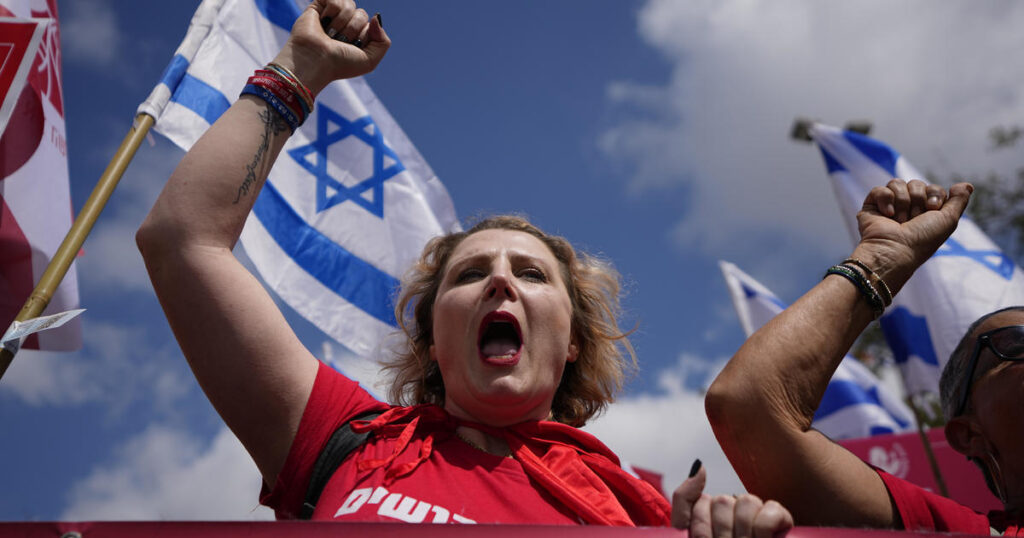
Hundreds of thousands of Israelis have been protesting Prime Minister Benjamin Netanyahu's plans to reform the country's judicial system, which would threaten the independence of the Supreme Court. Despite the unrest, Netanyahu's government survived a no-confidence motion filed by the opposition, and it is unclear what the Prime Minister's next move will be. The Histadrut umbrella group, representing over 700,000 workers, has threatened to paralyze large parts of Israel's economy if the reforms are not suspended.

Israel is facing widespread protests over proposed changes to its legal system, which would give the Knesset and parties in power more control over the judiciary. The changes include how judges are selected, what laws the Supreme Court can rule on, and overturning Supreme Court decisions. Hundreds of thousands of Israelis have taken to the streets to oppose the changes, calling for the government to reconsider. The outcome of the protests remains to be seen, but it is clear that the proposed changes could have a significant impact on both Israelis and Palestinians.
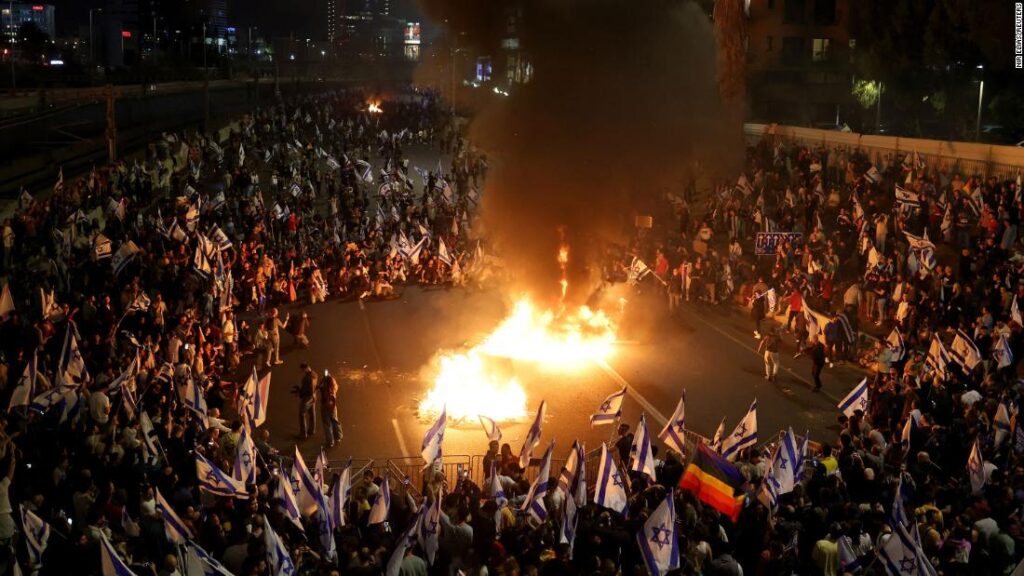
Former Israeli Prime Minister Yair Lapid has warned the government of Benjamin Netanyahu that the proposed judicial overhaul would be the most significant since the country's founding in 1948, and could limit both Israelis and Palestinians in seeking the court's defense of their rights. He also criticized the government's decision to fire Defence Minister Yoav Gallant and urged Netanyahu to reverse the decision. Opposition to the proposed changes has been voiced both inside and outside Israel, and it remains to be seen if the government will heed Lapid's warnings.
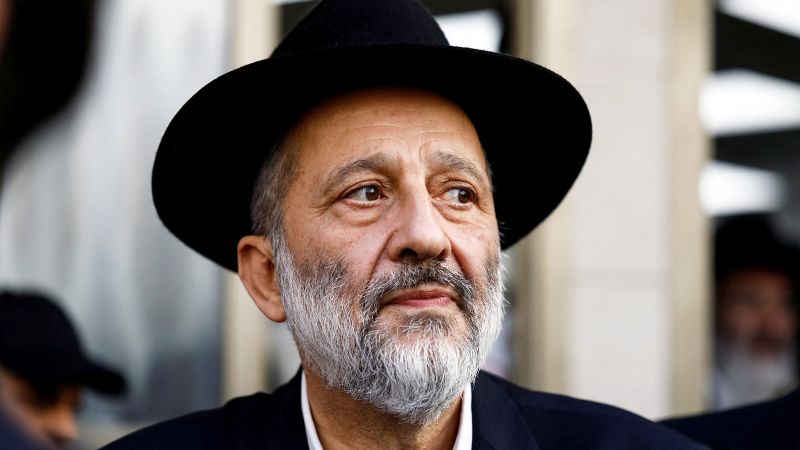
Israel's Supreme Court has ruled that Aryeh Deri, a senior member of Prime Minister Benjamin Netanyahu's coalition, cannot serve as minister due to a tax evasion conviction, prompting backlash from Deri's Shas party and plans from the coalition to weaken the Supreme Court. This is a major setback for Netanyahu, who is now faced with the challenge of responding to the court's decision and its implications for his coalition's future.