
Representative Darrell Issa has introduced the "No Rogue Rulings Act" to prevent district court judges from issuing nationwide injunctions, which have previously hindered the implementation of former President Trump's policies. Concurrently, U.S. District Judge James Boasberg is involved in a legal case about the deportation of Venezuelan migrants, with the Trump administration invoking the state secrets privilege to withhold information, citing national security concerns. Issa's bill offers a political avenue for lawmakers to support Trump's policies by limiting judicial intervention, highlighting the ongoing debate over the balance of power between the judiciary and the executive branch.
Posts tagged as “James Boasberg”
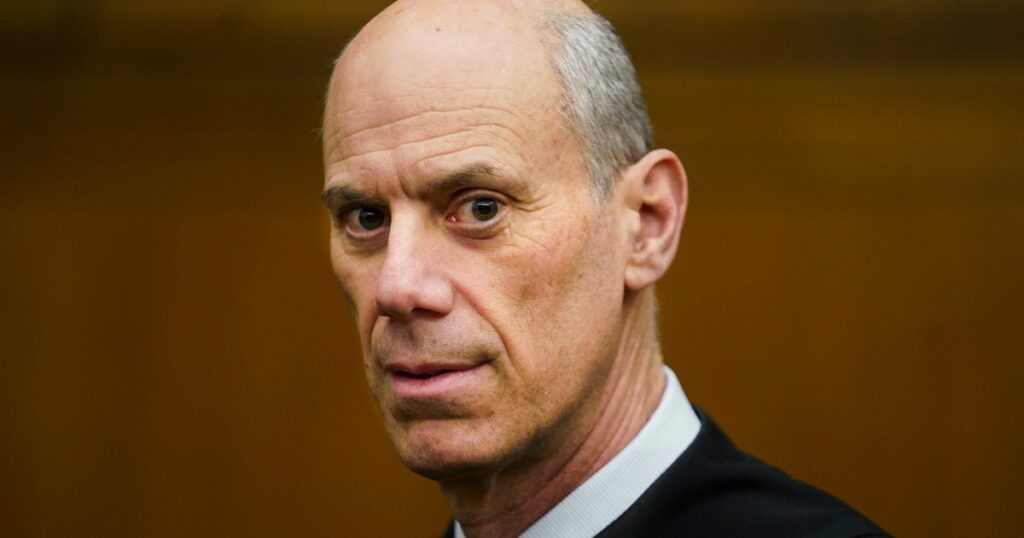
U.S. District Judge James Boasberg has denied a government request to vacate his previous rulings, which halted the deportation of Venezuelan nationals under the rarely used Alien Enemies Act, emphasizing the need for these individuals to contest allegations of gang involvement before deportation. Despite criticism from President Donald Trump, who disapproved of Boasberg's initial ruling, the judge has upheld the importance of due process. The case has gained attention due to the transfer of over one hundred Venezuelan nationals to a prison in El Salvador without legal recourse, raising human rights concerns amid the broader context of controversial immigration policies.
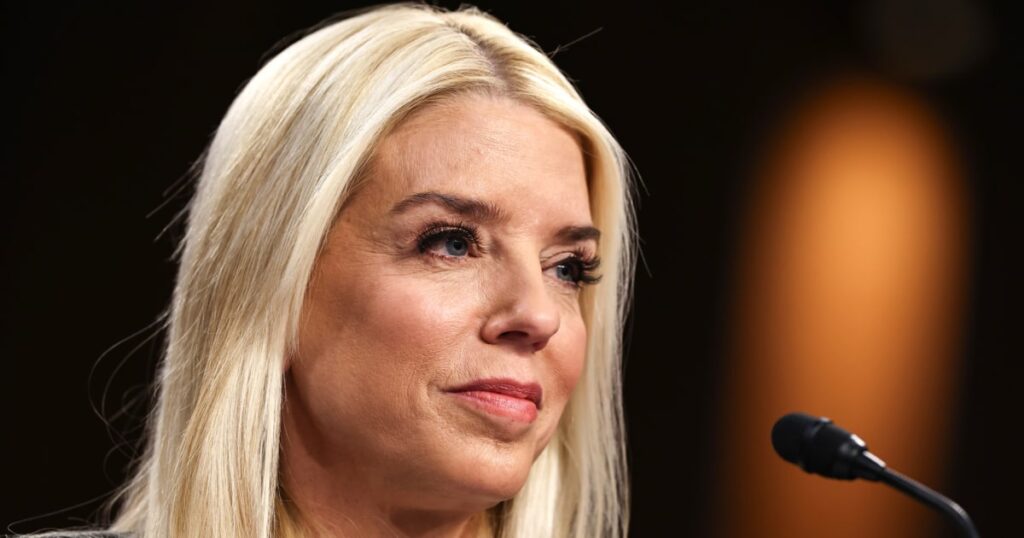
In a recent Fox News interview, former Florida Attorney General Pam Bondi criticized federal judges for challenging President Trump's policies, particularly those related to the Alien Enemies Act, arguing that these judges are overstepping their authority. Bondi expressed confidence that the Supreme Court will ultimately resolve these legal disputes, reflecting the administration's strategy of appealing to higher courts to overturn lower court decisions. The broader debate over judicial intervention in executive matters was also discussed on CBS's "Face the Nation," highlighting ongoing tensions regarding the separation of powers and the judiciary's role in shaping U.S. policy.
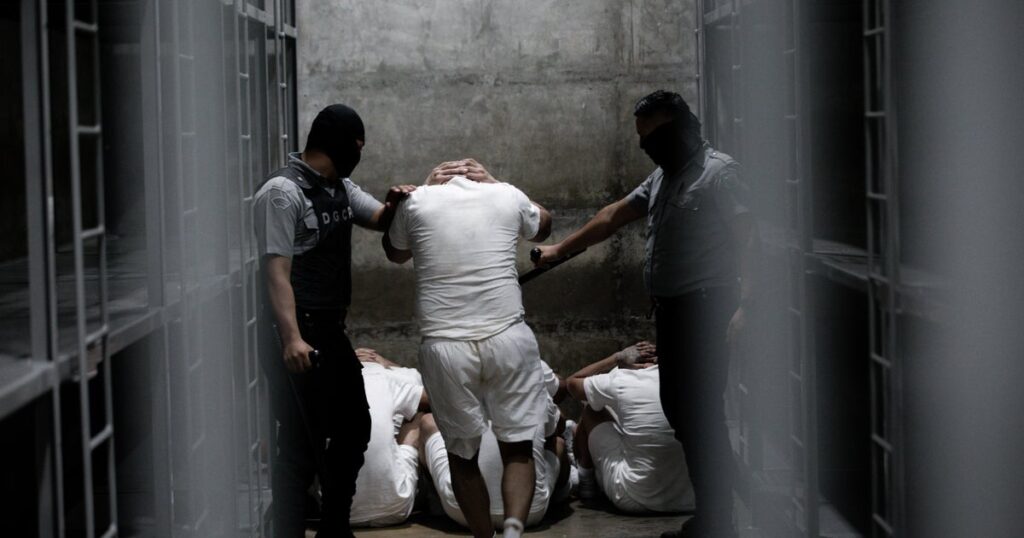
U.S. District Judge James Boasberg has blocked the administration from using the Alien Enemies Act to deport Venezuelan nationals to El Salvador, following a hearing where he criticized the Justice Department's actions and language as disrespectful. The judge highlighted the administration's failure to comply with a previous order to reverse deportation flights, raising concerns about legal protocol adherence and due process for affected individuals. This ruling has sparked discussions on balancing national security with individual rights, emphasizing the judiciary's role in overseeing executive actions related to immigration and national security.

Several federal judges have expressed concerns about the Trump administration's approach to advancing its policies, amid criticism from Trump and his supporters towards the judiciary. U.S. District Judge Ellen Lipton Hollander issued a temporary restraining order against the Department of Justice's DOGE Team, criticizing their efforts to access personal information from the Social Security Administration as lacking substantial evidence. Additionally, tensions have escalated with former President Trump calling for the impeachment of a judge who halted deportations, highlighting the ongoing friction between the executive branch and the judiciary.
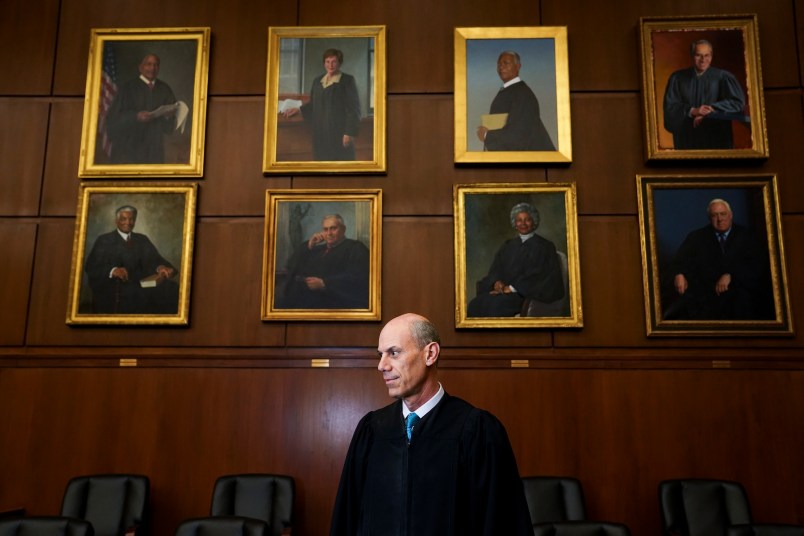
A federal judge has criticized the U.S. government's inadequate response to requests for detailed information about deportation flights conducted under the Alien Enemies Act, involving individuals linked to a Venezuelan gang. The judge's ruling highlights tensions between the judiciary and the executive branch over the Trump administration's use of this seldom-invoked wartime law, raising questions about the balance between national security and legal protocols. As the case progresses, the demand for transparency and accountability could significantly impact future applications of the Alien Enemies Act and the rights of those affected.
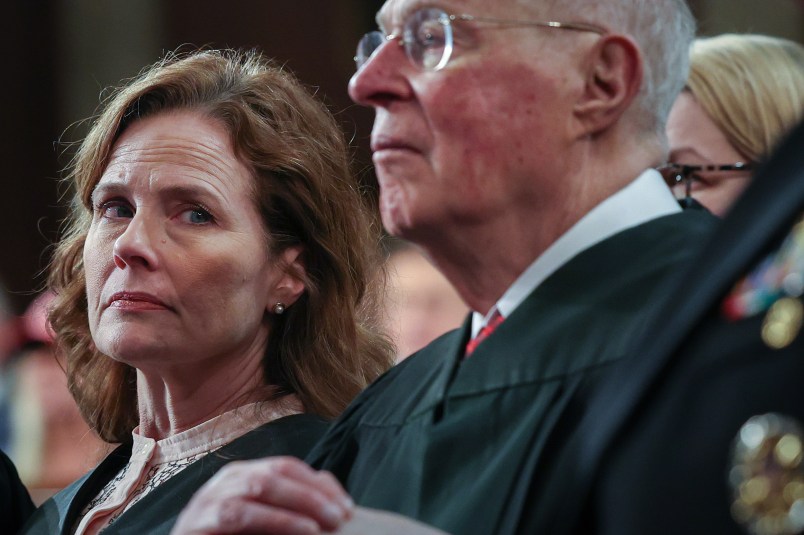
U.S. District Judge James Boasberg has temporarily blocked the Trump administration's attempt to deport migrants using a rarely used wartime law, leading to significant backlash from President Trump and his supporters, who have called for his impeachment. Despite the criticism, Boasberg, a bipartisan appointee with a long-standing career, is seen as asserting judicial independence amidst political tensions over immigration enforcement. The situation has escalated with personal attacks on Boasberg and his family, highlighting the contentious political climate and ongoing tensions between the Trump administration and the federal judiciary.
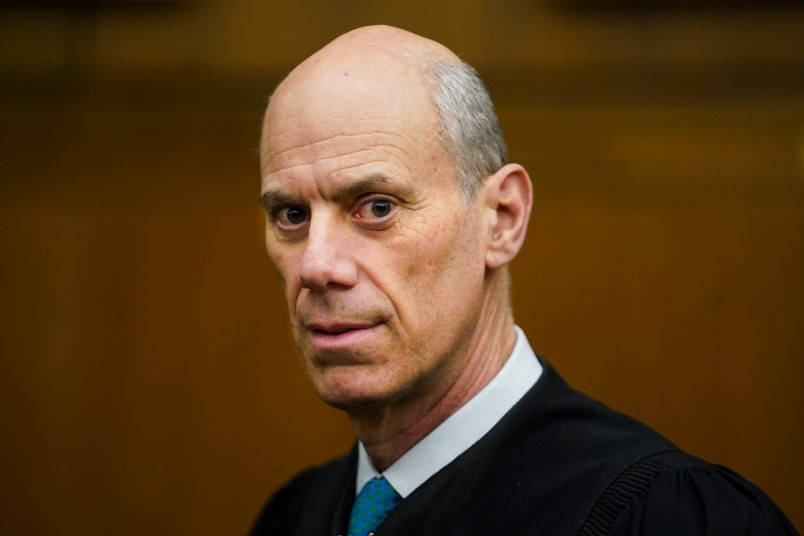
Tensions have risen between the U.S. Department of Justice and D.C. District Chief Judge James Boasberg over the disclosure of details about deportation flights conducted under the Trump administration's Alien Enemies Act. Judge Boasberg has requested specific information to assess compliance with a previous order, while the Justice Department argues that such demands interfere with executive functions and may invoke the state secrets privilege to withhold sensitive information. This legal dispute underscores the broader conflict between judicial oversight and executive authority in immigration enforcement, with potential implications for future interactions between these branches of government.