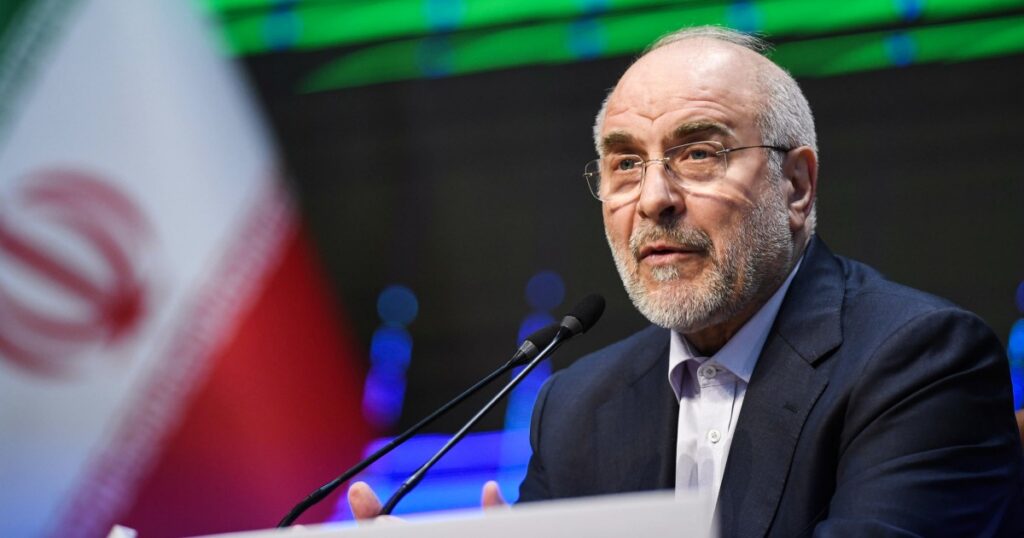
Tensions in the Strait of Hormuz remain high as Iran rejects U.S. claims of progress in negotiations and continues to enforce a blockade, turning back commercial ships and imposing hefty transit fees that violate international law. The situation has drawn condemnation from Gulf neighbors and global markets have reacted negatively, with rising oil prices and falling stock markets amid uncertainty. Internally, Iran’s leadership has shifted toward a hard-line, military-dominated faction led by figures like Mohammad Bagher Ghalibaf and Ahmad Vahidi, signaling a tough stance in any potential talks with the U.S.
Posts tagged as “Islamic Revolutionary Guard Corp”
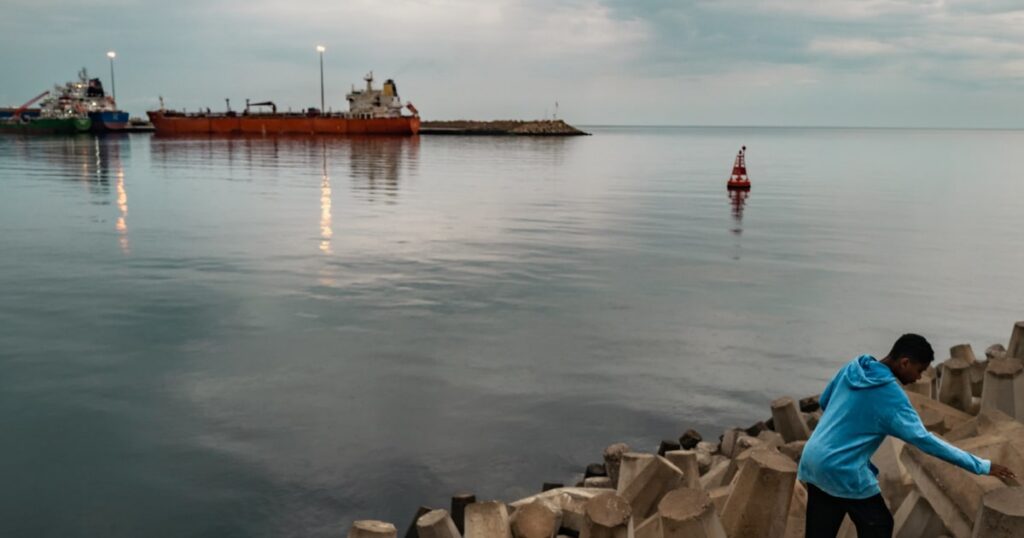
Amid escalating conflict between Iran and Israel following U.S. and Israeli strikes, diplomatic efforts involving indirect talks facilitated by Pakistan and other regional players have reportedly begun, though official confirmations remain pending. The war has caused over 2,000 deaths, displaced millions, and disrupted global energy markets, pushing Brent crude oil prices above $100 a barrel amid fears of supply shortages. Despite ongoing hostilities marked by missile strikes and air raids, U.S. President Donald Trump expressed cautious optimism about potential negotiations, while regional tensions and economic risks continue to mount.

Israel announced the killing of Ali Larijani, a top Iranian security official and former head of Iran's Supreme National Security Council, along with several associates in overnight airstrikes, marking a significant escalation in the conflict with Iran. Larijani’s death removes a key insider known for balancing military action with negotiation, potentially hardening Iran’s stance, while Israel also targeted General Gholam Reza Soleimani, accused of repressing protesters. These assassinations have heightened regional tensions, disrupted global oil markets, and may entrench hardline factions in Iran, reducing prospects for a political resolution.

The conflict between the United States, Israel, and Iran has led to the near closure of the Strait of Hormuz, severely disrupting global oil supplies and causing sharp price increases, particularly impacting energy-dependent Asian countries that have implemented emergency measures to cope with shortages. This disruption has triggered broader economic consequences, including rising costs for fuel and essential products like fertilizers, stock market declines, and a shift toward alternative energy sources. Meanwhile, maritime operations in the strait have become increasingly dangerous due to attacks and military tensions, with shipping largely deterred despite U.S. efforts to secure the vital waterway.
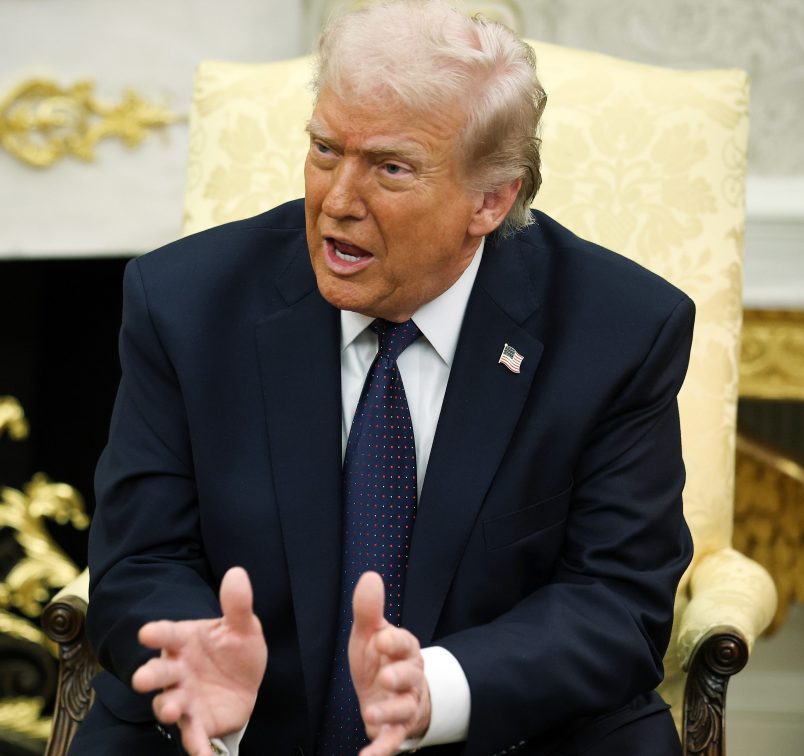
The conflict involving Iran in the Middle East has intensified over nearly two weeks, marked by a tragic U.S. military aircraft crash in Iraq, persistent Iranian drone and missile attacks on Gulf allies, and rising tensions fueled by President Trump’s aggressive rhetoric. These attacks have disrupted critical shipping routes like the Strait of Hormuz, prompting discussions of U.S. naval escorts to protect oil tankers amid soaring global energy prices. Meanwhile, Iran’s internal crackdown on protests and calls from international leaders for regime change highlight the multifaceted and volatile nature of the ongoing crisis.

The conflict between the United States, Israel, and Iran has escalated with attacks on commercial ships near the Strait of Hormuz, drone strikes on Dubai’s airport, and significant U.S. military casualties, while diplomatic tensions rise as Spain withdraws its ambassador from Israel. A devastating missile strike on an elementary school in southern Iran, reportedly caused by a U.S. missile, has resulted in over 165 deaths and prompted calls for an international investigation into potential war crimes. The situation underscores the growing human toll and the broader geopolitical and legal ramifications of the ongoing hostilities in the Middle East.
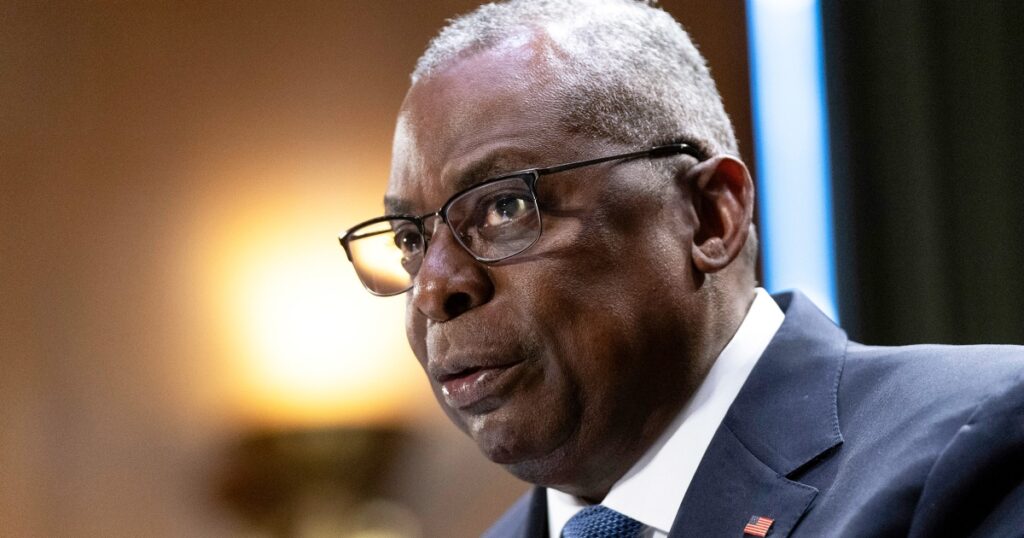
The United States has conducted two sets of self-defense strikes in Syria against facilities used by Iran's Islamic Revolutionary Guard Corps in response to attacks on U.S. personnel in Iraq and Syria. Defense Secretary Lloyd Austin said the strikes were conducted at the direction of President Biden and were a “precision self-defense strike” to protect U.S. personnel and facilities. This is the first time the U.S. has targeted Iran-linked facilities in Syria and is part of an effort to combat Iran's presence in the region.
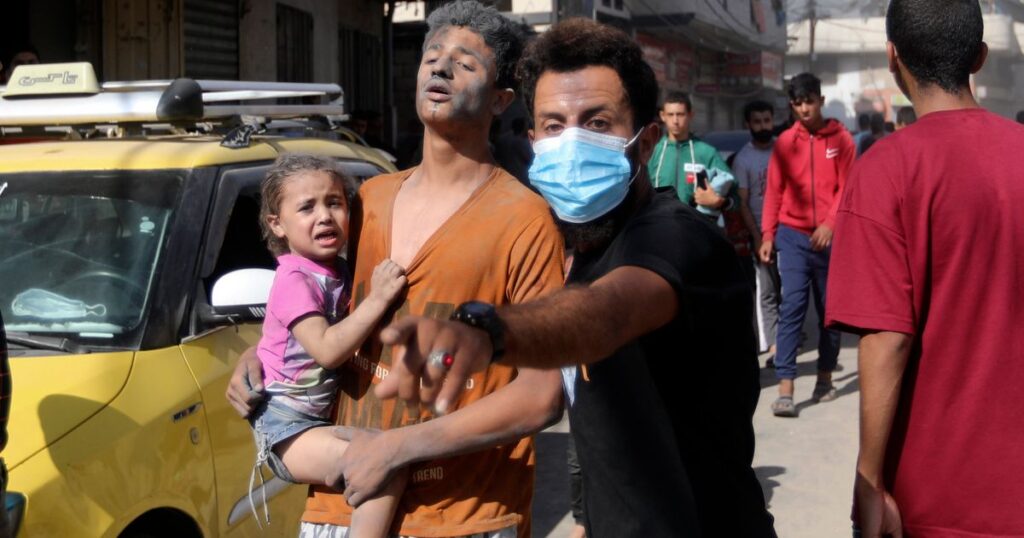
Hamas' attack on Israel has been ongoing for three weeks, with both sides showing no signs of backing down. Israeli forces have responded with airstrikes, resulting in over 7,000 Palestinian deaths, while former U.S. intelligence and military officers believe the attack was primarily aimed at disrupting negotiations with Saudi Arabia and the U.S.