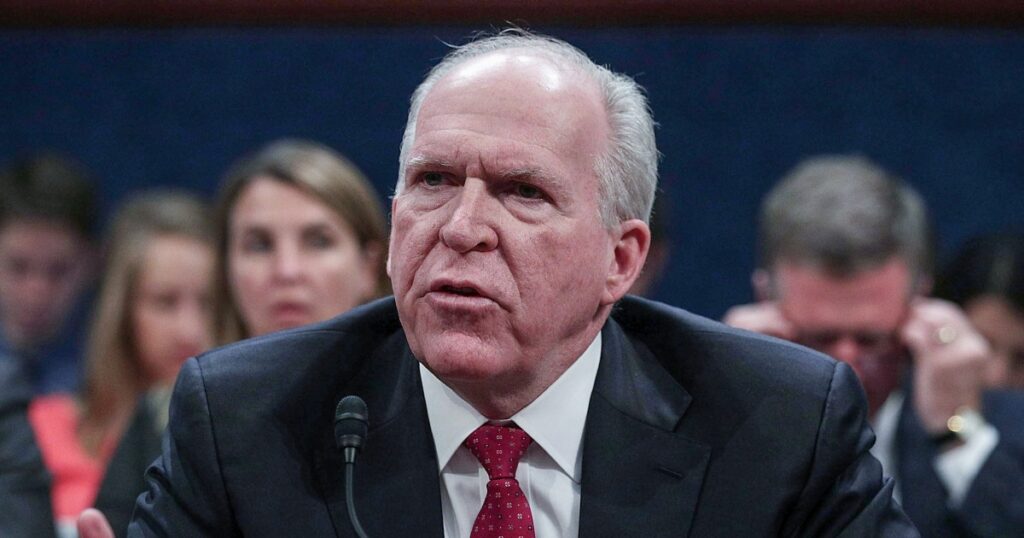
Minnesota has sued the Trump administration’s DOJ and DHS for obstructing investigations into three shootings involving federal officers during Operation Metro Surge, alleging withheld evidence and blocked access to critical information. The lawsuit claims violations of the Administrative Procedure Act and the 10th Amendment, with state officials denied access to key evidence and identities of involved federal agents. Separately, the DOJ has requested classified records related to former CIA Director John Brennan amid a grand jury investigation into his role in the 2016 Russia interference assessment, drawing criticism from Brennan’s legal team and political allies.
Posts tagged as “GOP”

The partial government shutdown impacting the Department of Homeland Security has extended into its 40th day, with Senate Republicans proposing to fund most DHS operations except for ICE’s deportation activities, a plan rejected by Democrats demanding significant immigration reforms. President Trump’s mixed signals and insistence on passing the controversial SAVE America Act have further complicated negotiations, while Republicans seek to use budget reconciliation to advance their agenda despite legal uncertainties. With airport operations increasingly disrupted and a Senate recess approaching, lawmakers face mounting pressure to resolve the funding impasse.

The Department of Homeland Security remains partially shut down for a second month due to stalled congressional negotiations, causing major disruptions like long airport security lines and unpaid TSA workers. The shutdown reflects deep partisan divisions, with Republicans blaming Democrats for blocking funding over ICE reform demands, while Democrats insist on accountability measures for federal agents before restoring full DHS funding. Meanwhile, President Trump’s contradictory stance on mail-in voting and ongoing legal challenges related to federal law enforcement investigations further complicate the political environment surrounding the shutdown and broader administration policies.

Democrat Emily Gregory won a special election for Florida’s 87th state House district, flipping the seat from Republican control despite an endorsement from former President Donald Trump. The victory is part of a broader trend of Democratic gains in state legislative special elections during Trump’s second term, with the Florida 87th District being the 10th GOP-held seat flipped by Democrats nationwide since last year. Democrats attribute their success to economic concerns and shifting voter sentiment, while Republicans face challenges ahead of the midterms.
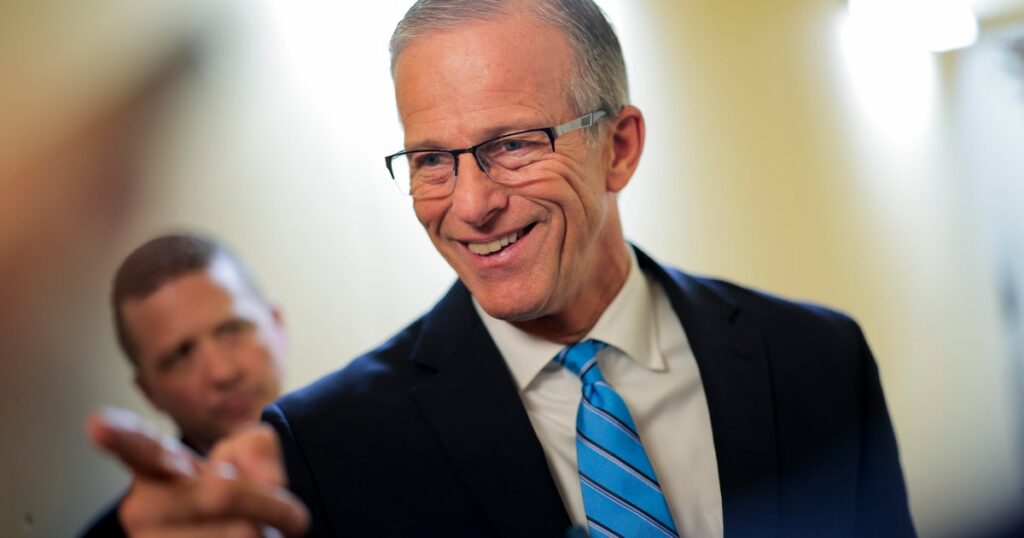
The U.S. Senate is close to reaching a deal to fund the Department of Homeland Security and end a six-week partial government shutdown, with Republicans optimistic after meeting President Trump and planning to fund most DHS agencies except ICE deportation operations through separate budget reconciliation. The shutdown began over disputes about ICE funding and election reform tied to the SAVE America Act, which Trump initially demanded be linked to DHS funding but faces Democratic opposition. Separately, despite publicly denouncing mail-in voting, President Trump cast a mail-in ballot in a Florida special election, highlighting his inconsistent stance on the issue amid ongoing debates over voter ID laws.
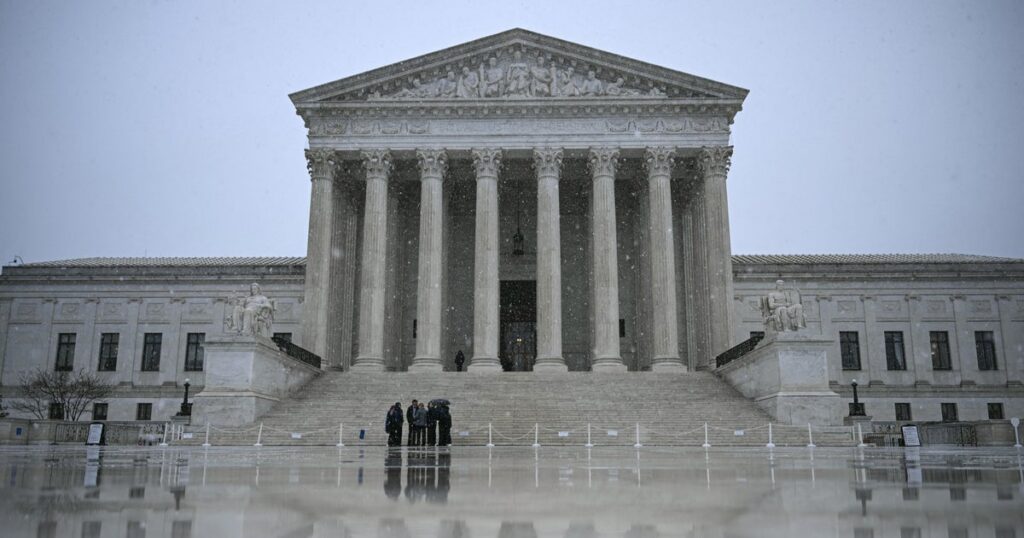
The U.S. Supreme Court is considering whether states can count mail-in ballots postmarked by Election Day but received afterward, focusing on Mississippi’s law allowing a five-day grace period. The Republican National Committee and others argue that federal law requires ballots to be received by Election Day, while Mississippi officials defend their law under the Constitution’s Elections Clause and warn that invalidating it could affect millions of voters, including military personnel. The ruling, expected before the November midterms, will address the tension between federal election uniformity and states’ authority over mail-in ballot deadlines.
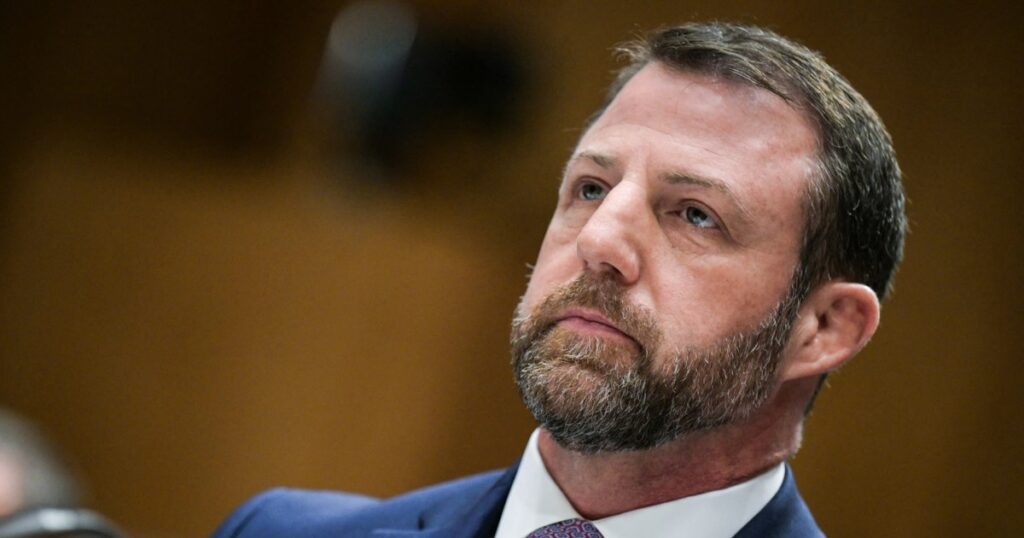
Senator Markwayne Mullin faced a contentious confirmation hearing for his nomination as Homeland Security Secretary, marked by sharp exchanges with Senate Homeland Security Chairman Rand Paul, who questioned Mullin’s temperament and past remarks. Mullin defended his comments without apologizing, pledged to set aside partisan differences, and acknowledged some past statements were premature while standing by others. Despite concerns from Democrats and signs of GOP division, Mullin is expected to secure confirmation given the Republican Senate majority.
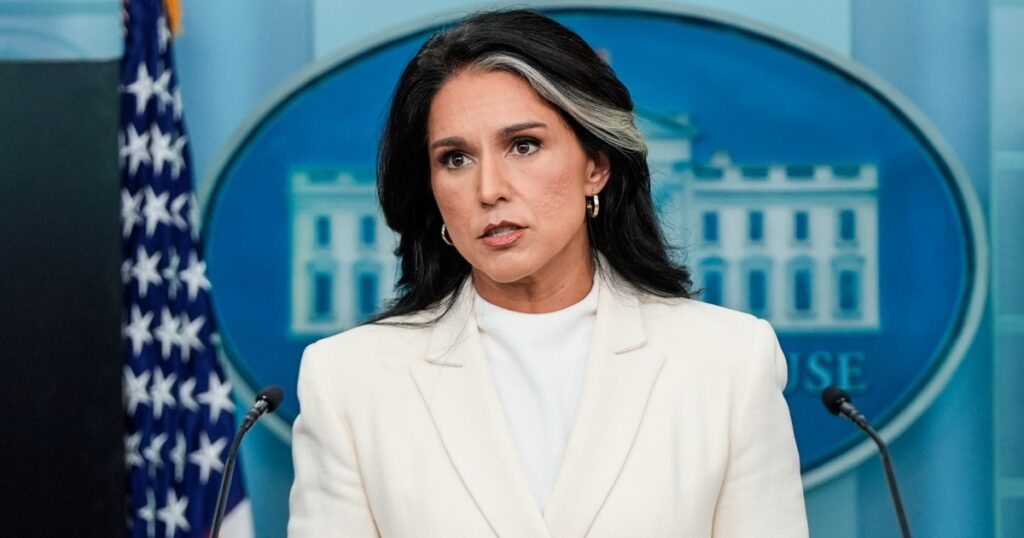
Joe Kent, former head of the National Counterterrorism Center, resigned in protest of the U.S.-Israeli military campaign against Iran, arguing that Iran posed no imminent threat and criticizing the war as influenced by Israeli pressure. His departure has intensified scrutiny on National Intelligence Director Tulsi Gabbard, who has maintained a neutral public stance but is expected to clarify her position during upcoming Senate testimony. The resignation has sparked debate within the Trump administration and Congress, highlighting divisions over U.S. foreign policy and the potential political consequences of the conflict.