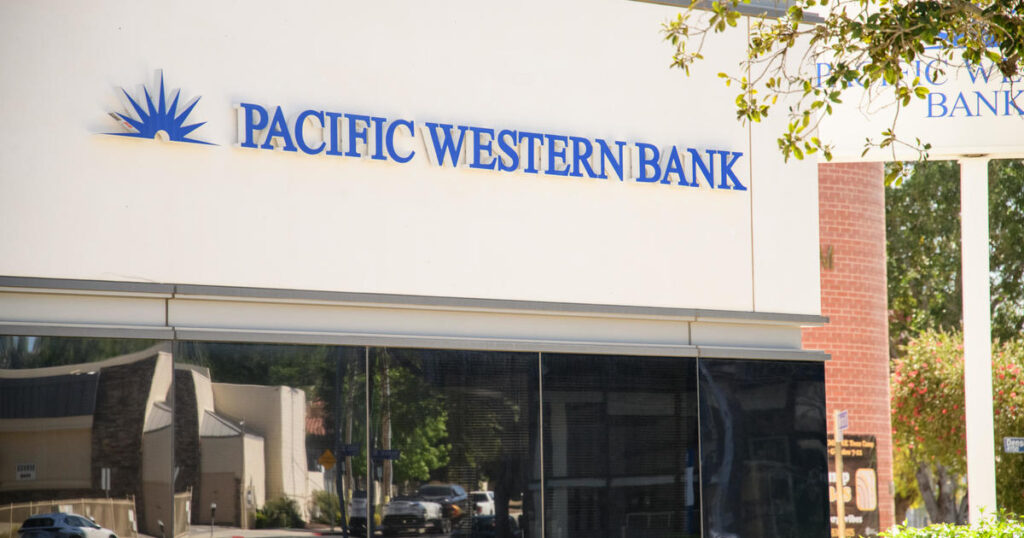
The Federal Reserve has warned banks to be more conservative in their lending practices following the failure of three of the nation’s 30 largest banks in the last two months. Jerome Powell raised interest rates by 0.25% to a target range between 5.00% and 5.25%. PacWest Bancorp, a $44 billion bank, is now considering its strategic options, including a possible sale, a breakup, or trying to raise capital.
Posts tagged as “First Republic Bank”
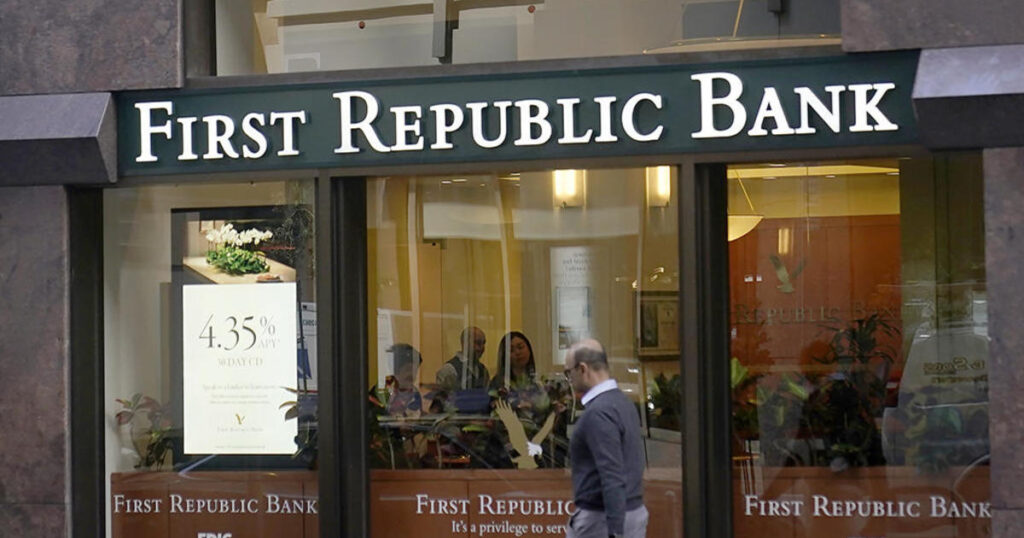
The Treasury Department has sought to reassure the public after First Republic Bank, the second-largest bank failure in US history, was seized by the FDIC and acquired by JPMorgan Chase. Financial expert Jill Schlesinger discussed the lessons from the failure of First Republic and Silicon Valley Bank, noting that the banking system remains sound and resilient, but consumers should review their accounts and make sure they are properly insured. The failure of these two banks has highlighted the importance of financial stability and the need for consumers to be aware of the risks associated with banking.
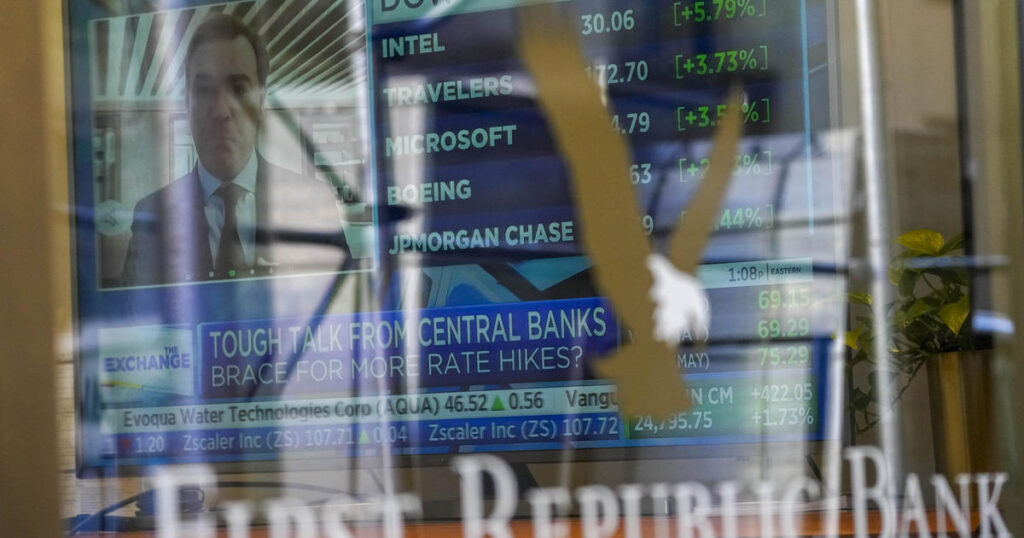
The California Department of Financial Protection and Innovation (DFPI) has taken over San Francisco-based First Republic Bank, appointing the Federal Deposit Insurance Corporation (FDIC) as receiver. The FDIC accepted a bid from JPMorgan Chase Bank to assume all deposits and most of the assets of First Republic Bank. This is the third financial institution to be taken under government control this year, with the FDIC and DFPI taking steps to ensure the safety and soundness of the financial system.
Recent banking failures have caused investors to be concerned about uninsured deposits, prompting the FDIC to become a household name. The FDIC is a government agency that insures deposits up to $250,000 per account, funded by premiums paid by member banks. Understanding the FDIC and its role in protecting deposits is essential for investors.
Key takeaways: Congress must investigate the circumstances that led to the closures of Silicon Valley Bank and Signature Bank of New York. Allowing a large,…
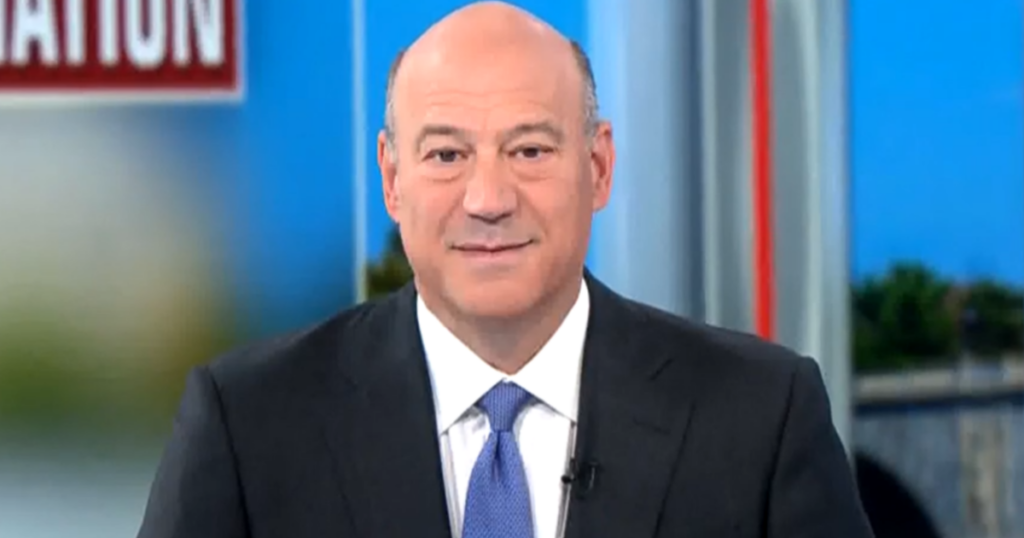
Former Goldman Sachs CEO Lloyd Blankfein and former top economic adviser in the Trump White House Gary Cohn have both recently discussed the banking industry and the potential for a systemic emergency. They both agree that the Federal Reserve, FDIC, and Treasury Department have the power to guarantee deposits bank by bank in such an event, making Americans' money "kind of safe with an ellipsis."
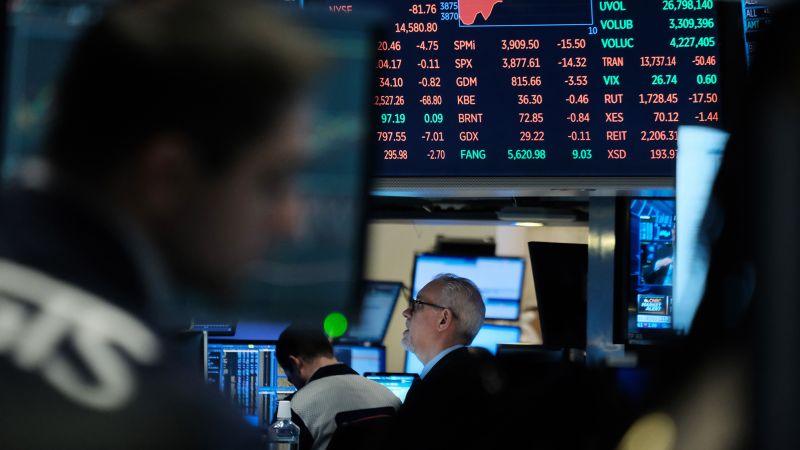
US banking industry was rocked this week, with the biggest US bank failure since the 2008 financial crisis, a near-miss for Credit Suisse, and banks tightening up lending. This could lead to a decrease in spending, putting added pressure on households already whittling down savings and taking on more debt. The long-term effects of these events remain to be seen, but it is clear the US banking industry is in a precarious position.

Four of the country's most powerful banks have joined forces to provide a $30 billion cash infusion to First Republic Bank in response to the banking crisis, with the Biden administration guaranteeing uninsured deposits and the Federal Reserve announcing a new lending program. This move highlights the political peril of the sudden crisis and the hundreds of billions of dollars already involved in the federal government's response.