
Astronomers are actively discussing the potential habitability of the exoplanet K2-18b, located 124 light-years away, following findings by a Cambridge University-led team suggesting it might be an ocean world capable of supporting microbial life. Using data from NASA's James Webb Space Telescope, researchers identified chemical signatures in K2-18b's atmosphere that are typically associated with microbial life on Earth, raising the possibility of a warm ocean on the planet. While the discovery is considered groundbreaking, researchers urge caution and emphasize the need for further investigation, as the scientific community remains divided on the interpretation of the data.
Posts tagged as “Erik Nasarenko”
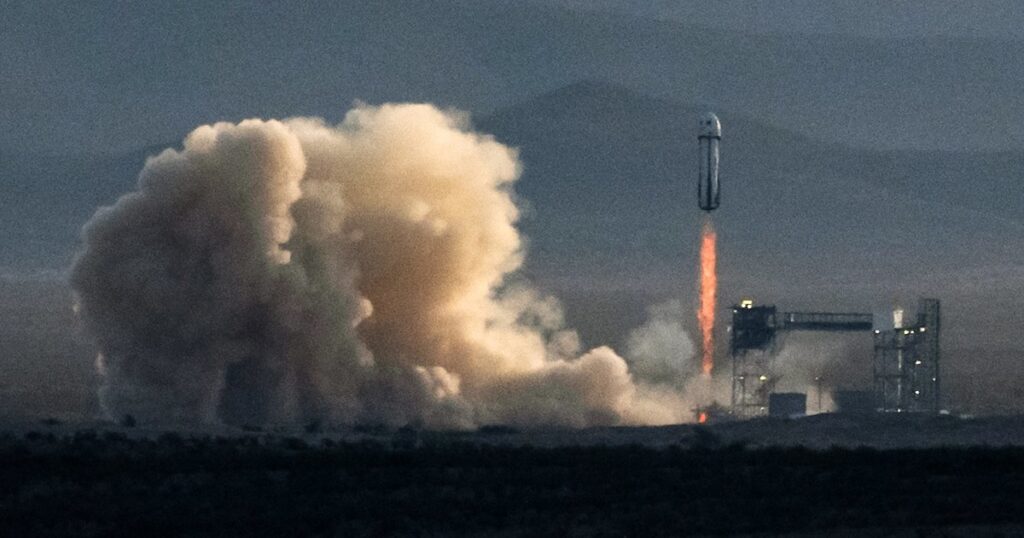
Blue Origin successfully launched its first all-women flight crew, taking them 62 miles above Earth's surface to the Kármán line, marking a significant milestone in space exploration. The diverse crew included notable figures such as Gayle King, Katy Perry, and Aisha Bowe, highlighting the increasing involvement of women in space travel. This mission underscores Blue Origin's commitment to diversity and aims to inspire future generations of women to pursue careers in STEM fields, making space exploration more inclusive and accessible.

Blue Origin is set to launch its 11th human flight of the New Shepard program with an all-female crew, including pop superstar Katy Perry, marking the first all-female crewed mission since 1963. The diverse crew, featuring notable figures like Gayle King and former NASA scientist Aisha Bowe, highlights the expanding scope of participants in private space travel. Scheduled to launch from Van Horn, Texas, the mission aims to reach the edge of space, offering a brief experience of weightlessness and reflecting Blue Origin's efforts to make space travel more accessible and inspiring.

On Monday, an all-female crew, including pop superstar Katy Perry, is set to embark on a historic journey to the edge of space aboard Blue Origin's New Shepard rocket, marking a significant milestone in space travel. The diverse team, featuring notable figures such as Gayle King, Lauren Sánchez, Aisha Bowe, Amanda Nguyen, and Kerianne Flynn, showcases the varied expertise and accomplishments of women across different fields. This mission underscores the democratization of space travel by private companies like Blue Origin, offering participants a chance to fulfill lifelong dreams and explore new possibilities.
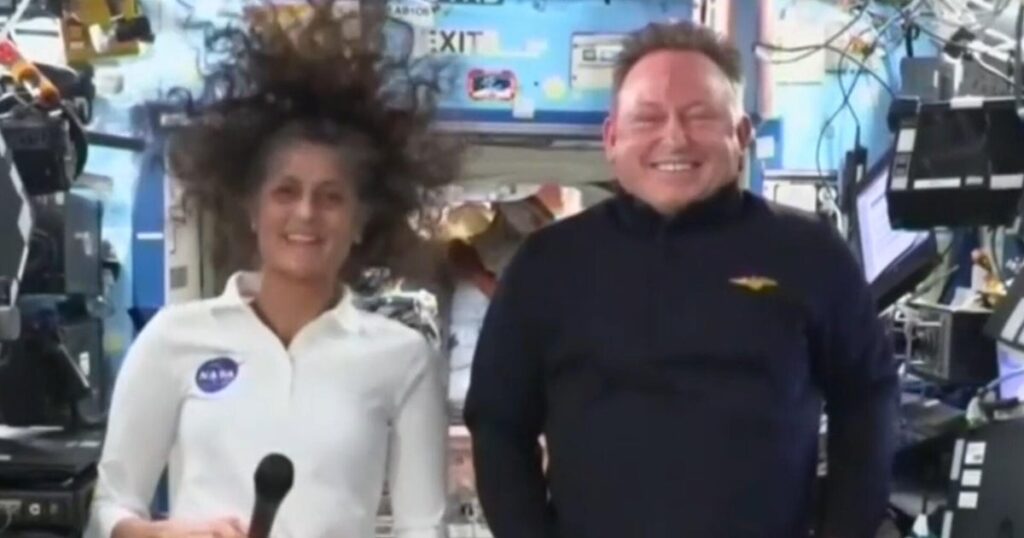
NASA astronauts Butch Wilmore and Sunita Williams discussed their unexpectedly extended mission aboard the International Space Station (ISS) during a news conference, which was prolonged from an eight-day test flight to nine and a half months due to issues with the Boeing Starliner spacecraft. Originally launched in June on the Starliner's first crewed test flight, their mission was extended after complications with the spacecraft's thrusters during docking, leading NASA to keep them on the ISS, drawing significant public attention. Upon their return to Earth on March 18 via a SpaceX Dragon capsule, Williams shared personal reflections on her longing for home and the simple pleasures she missed, while the mission underscored the challenges of the Starliner program and the need for reliable spacecraft in future missions.

The Israel Defense Forces conducted significant airstrikes on Hamas targets in the Gaza Strip, marking the most intense bombardment since a ceasefire was established in January, and signaling a potential escalation in hostilities. The renewed violence threatens the fragile ceasefire that had paused fifteen months of fighting, raising concerns about further escalation and prompting calls from the international community for restraint and a return to negotiations. In other news, the U.S. is experiencing a constitutional debate over the Trump administration's handling of deportations under the Alien Enemies Act, while two NASA astronauts are preparing to return to Earth after a nine-month mission in space, contributing to the understanding of long-duration space travel.
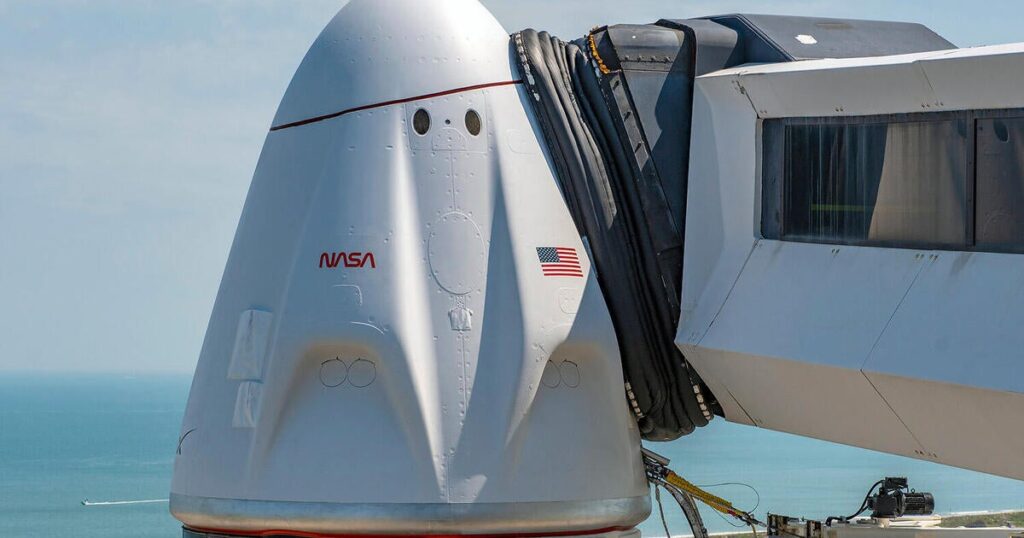
SpaceX is set to launch its Crew-10 mission to the International Space Station (ISS) from NASA’s Kennedy Space Center, following a delay earlier in the week. The mission, involving astronauts from NASA, Japan, and Russia, is crucial for the return of astronauts Butch Wilmore and Sunita Williams, who have been on the ISS for nearly 300 days. This launch underscores the collaborative efforts of international space agencies and highlights the ongoing partnership between NASA and SpaceX, which is vital for maintaining a continuous human presence in space and advancing scientific research.
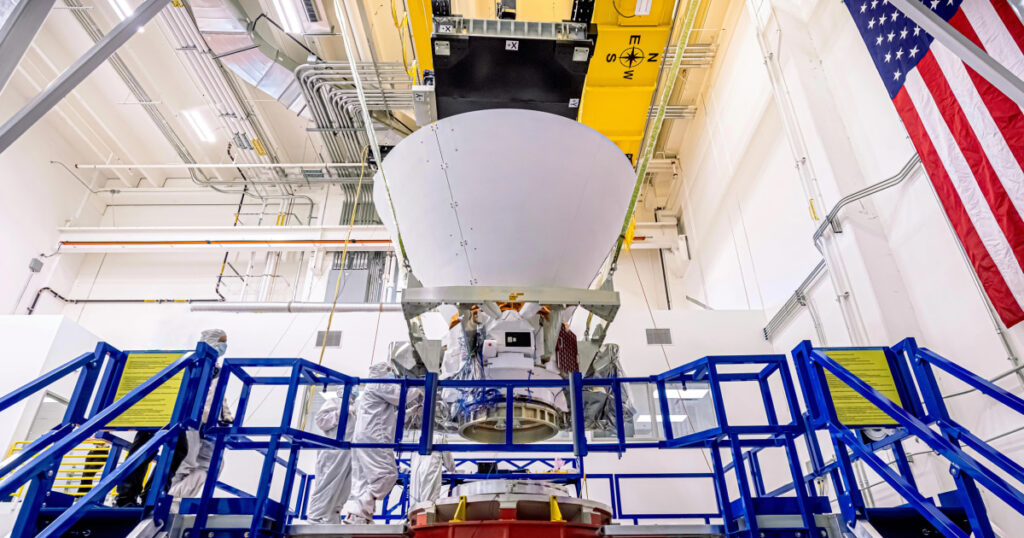
NASA has successfully launched the SPHEREx mission, a $488 million initiative designed to map the entire celestial sky and study hundreds of millions of galaxies to gain insights into the universe's formation and evolution. The launch, executed from Vandenberg Space Force Base using a SpaceX Falcon 9 rocket, faced delays due to assessments of the rocket and unfavorable weather conditions. SPHEREx will not only explore the rapid expansion of the universe and cosmic evolution but also investigate the Milky Way for water and life-sustaining elements in the icy clouds between stars, enhancing our understanding of conditions necessary for life and new planetary system formation.