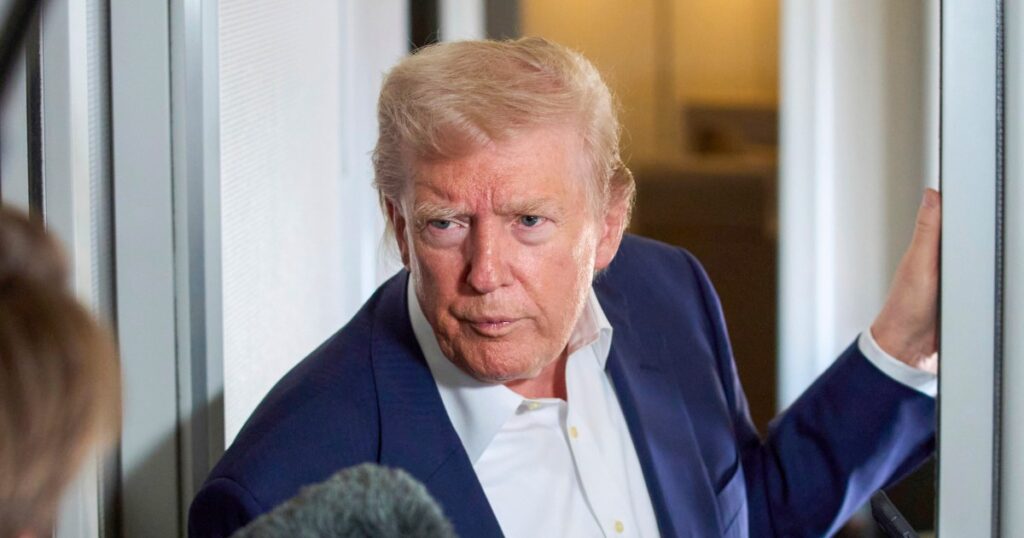
Former U.S. President Donald Trump expressed doubts about Russian President Vladimir Putin's intentions to end the conflict in Ukraine, suggesting alternative strategies like "Banking" or "Secondary Sanctions" might be necessary. Despite previously indicating that a peace agreement was near, Trump's recent comments reflect skepticism about a resolution, amid ongoing missile strikes and reports of resistance in the Kursk sector. Meanwhile, Russian military officials claim to have recaptured the village of Gornal, highlighting the fluid and contested nature of territorial control, as the international community closely monitors the situation for any diplomatic progress.
Posts tagged as “Donald Trump”
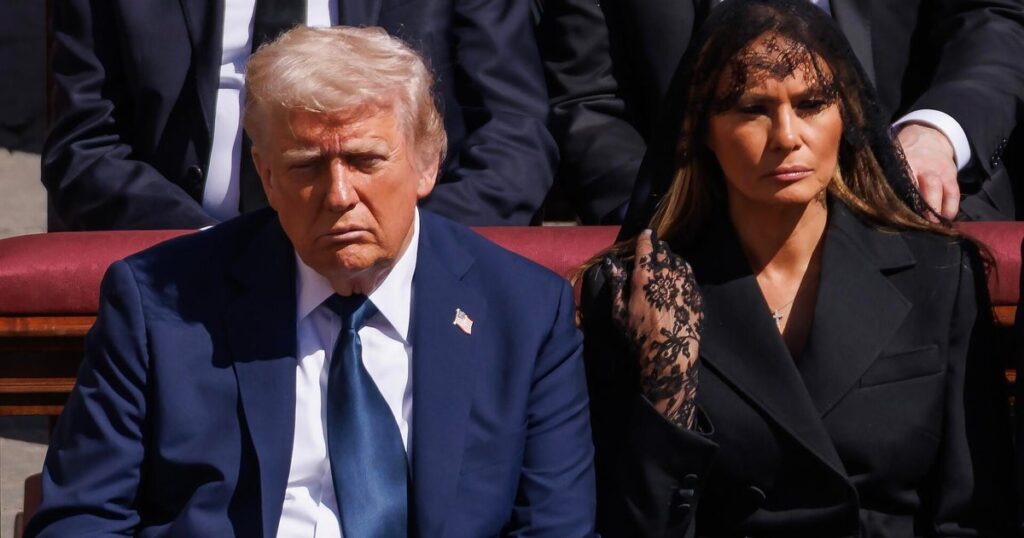
Pope Francis' funeral on April 26, 2025, attracted a global audience, with approximately 40,000 attendees at St. Peter's Square and 250,000 more in the surrounding streets, while millions watched online and on television. The ceremony, attended by dignitaries from around 130 countries, including President Donald Trump and First Lady Melania Trump, highlighted the pope's enduring messages of compassion and unity, as emphasized by Cardinal Giovanni Battista Re. Remembered as the "People's Pope," his advocacy for peace and global dialogue left a lasting impression, underscoring his significant impact and legacy as a moral and spiritual leader.
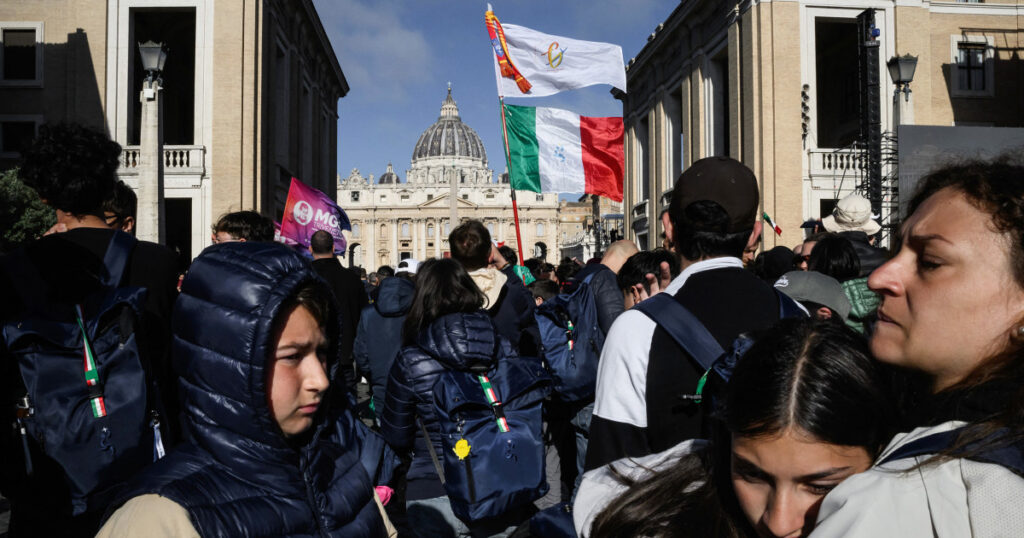
Under a clear sky, a large gathering of cardinals, bishops, world leaders, and delegates assembled in St. Peter's Square to pay their final respects to the late Pope Francis, who was laid to rest in a simple wooden coffin as per his wishes. The funeral service, held at St. Peter's Basilica, attracted hundreds of thousands of mourners, with large screens set up to accommodate those outside, blending traditional Catholic elements with Pope Francis' personal preferences. The presence of numerous church leaders and dignitaries, including President Donald Trump and former President Joe Biden, underscored the global impact of Pope Francis' papacy and highlighted his ability to connect with diverse communities, leaving a lasting impression on attendees and the wider world.
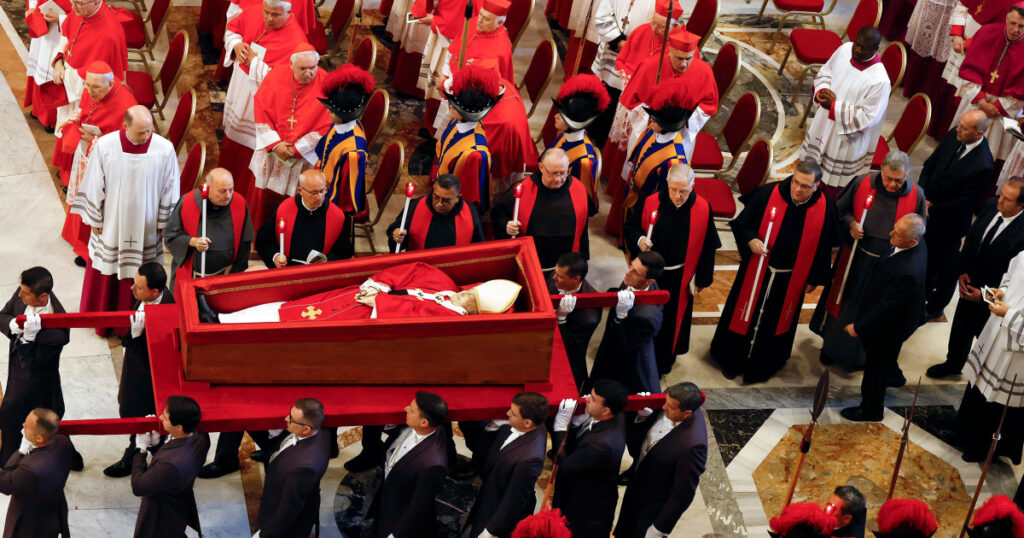
Pope Francis's funeral took place outside St. Peter's Basilica at the Vatican, following the traditional papal funeral rites and was presided over by Cardinal Giovanni Battista Re. The event attracted numerous world leaders, including former U.S. President Donald Trump, and filled St. Peter's Square to its capacity of 50,000 people. The ceremony, which included personal touches chosen by Pope Francis, was broadcast live globally, allowing people worldwide to participate in this significant moment for the Catholic Church.
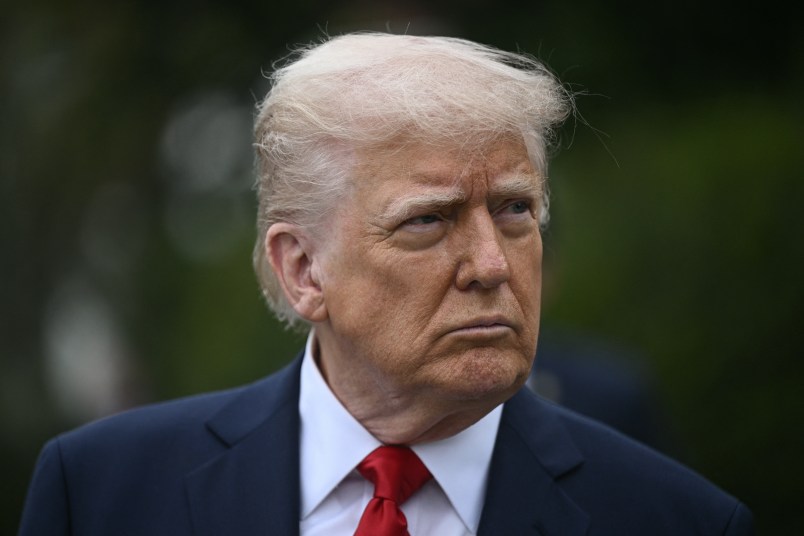
A federal judge has temporarily blocked parts of an executive order from former President Donald Trump that required documentary proof of U.S. citizenship for voter registration, following challenges from voting rights groups. U.S. District Judge Colleen Kollar-Kotelly's ruling prevents the Election Assistance Commission and several federal departments from enforcing these requirements, emphasizing the need to maintain established voting procedures. This legal development highlights the judiciary's role in scrutinizing executive actions affecting the electoral process and contributes to the ongoing debate over voting rights and election security in the United States.
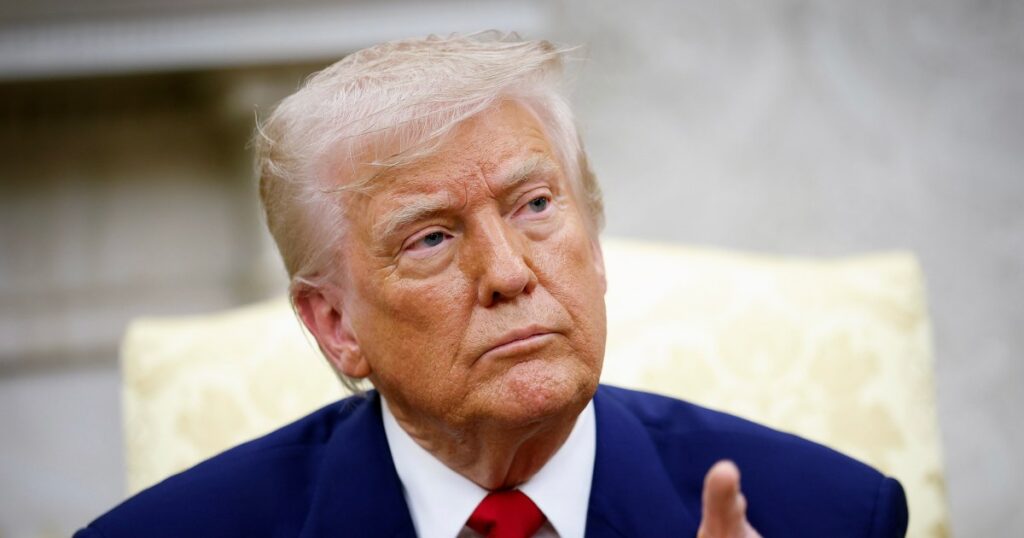
President Donald Trump has asked the Supreme Court to allow the enforcement of his administration's policy banning transgender individuals from serving in the military, following legal challenges that have blocked its implementation nationwide. The administration criticizes nationwide injunctions by federal judges, arguing they overreach judicial authority and interfere with national policy, and seeks Supreme Court intervention to proceed with the ban. Deputy Assistant Attorney General Hashim Mooppan contends that the injunction conflicts with military judgment, and the case could significantly impact both military policy authority and transgender rights.
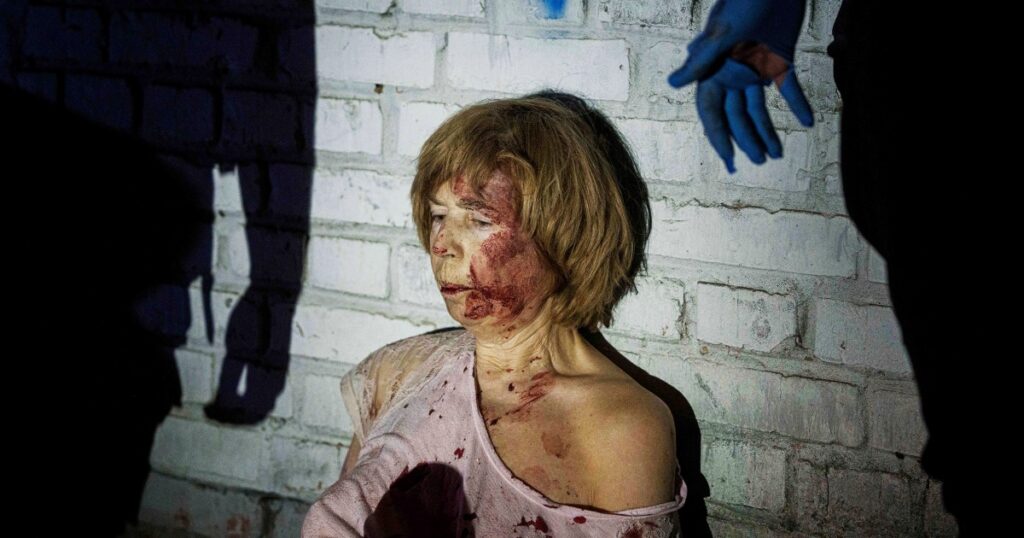
In a major escalation of hostilities, Russia launched a severe overnight bombardment on Ukrainian cities, killing at least nine people and injuring over 70, particularly devastating Kyiv. Ukrainian President Volodymyr Zelenskyy, who was in South Africa seeking support to end the four-year conflict, announced his immediate return to address the destruction and criticized Russia for its continued aggression. The attack, occurring shortly after former U.S. President Donald Trump claimed to have brokered peace agreements, highlights the fragile nature of peace efforts and has drawn international attention and calls for accountability.
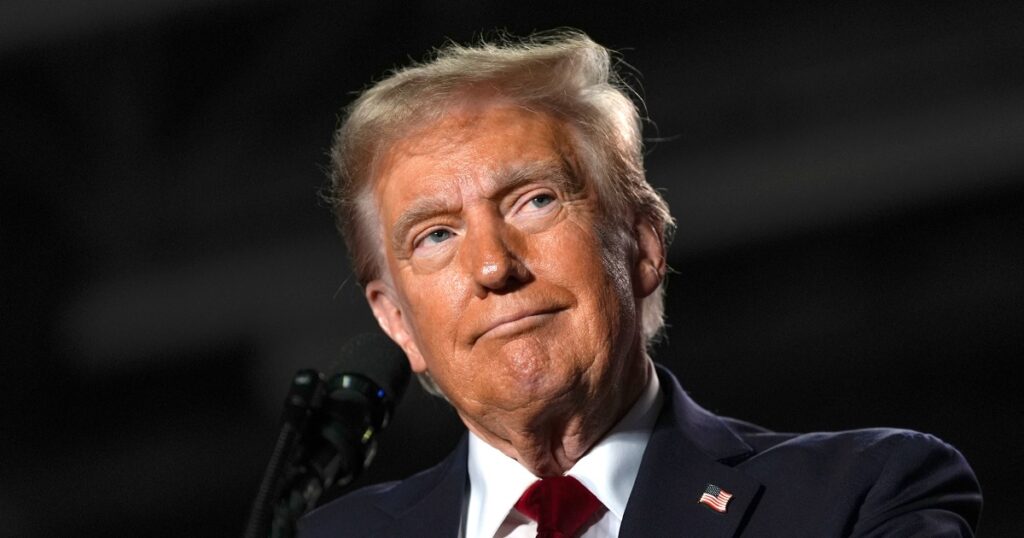
President Donald Trump is set to hold a rally in Macomb County, Michigan, next Tuesday to mark the first 100 days of his administration, with the announcement made by White House press secretary Karoline Leavitt. This visit will be Trump's first trip to Michigan since his narrow victory over Kamala Harris in the 2024 election, highlighting the state's importance as a key battleground. Macomb County has been a frequent stop for Trump, and the upcoming rally is expected to draw significant attention as it offers an opportunity for the president to showcase his administration's achievements during its initial 100 days.