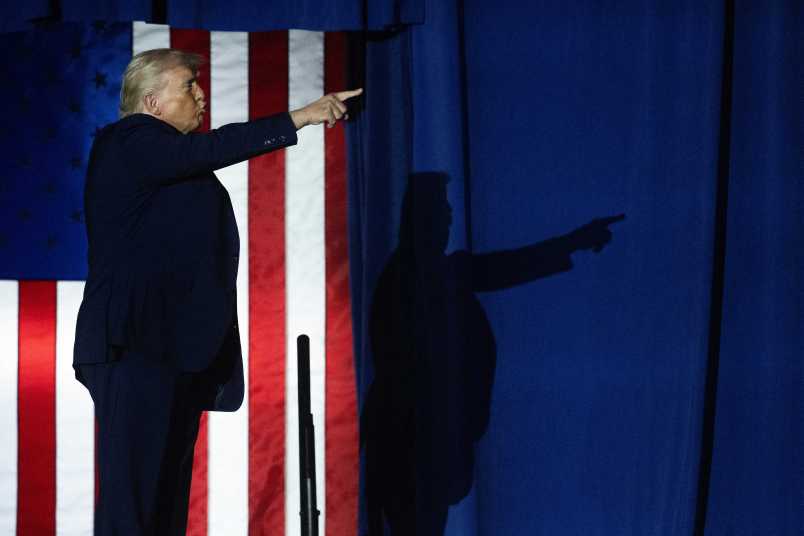
CBS News' parent company has settled a lawsuit with former President Donald Trump, who claimed the network selectively edited a "60 Minutes" interview with Kamala Harris during the 2020 election. Concurrently, U.S. District Judge Paula Xinis is challenging the Trump administration over the deportation of Kilmar Abrego Garcia, accusing it of refusing to provide information and ordering Garcia's return. Additionally, Trump has threatened legal action against The New York Times for its article on the CBS settlement, highlighting ongoing tensions between media organizations, the judiciary, and political figures, with potential implications for media practices and governmental accountability.
Posts tagged as “Donald Trump”
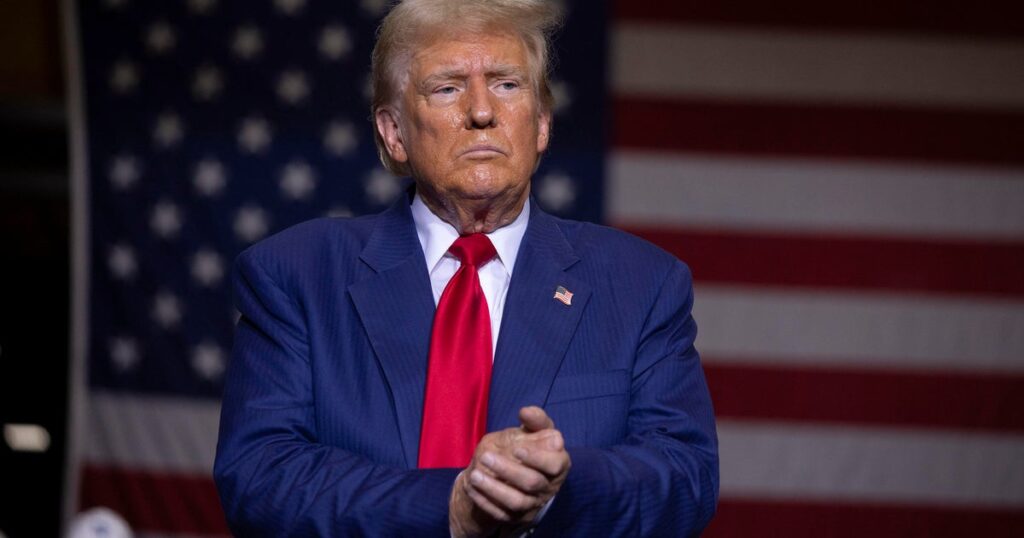
Meta is facing a legal dispute with conservative influencer Robby Starbuck, who claims the company's AI chatbot produced false and defamatory content linking him to the January 6 Capitol riot and QAnon conspiracy theory, prompting an apology from Meta's chief global affairs officer. Concurrently, President Donald Trump is promoting the positive effects of increased U.S. tariffs, asserting they have spurred significant corporate investment in the country, with a new White House website tracking 47 projects by 50 companies as evidence of trillions in new investments. These developments occur amid scrutiny of U.S. tariffs' economic implications, as Meta's AI content management and the administration's "America First" economic policies remain under close observation.

In the legal case of Kilmar Abrego Garcia, a federal judge in Maryland has denied the government's secret request to further delay proceedings, following a previous weeklong postponement. The case involves efforts to return Abrego Garcia to the United States after his erroneous deportation to El Salvador, despite an immigration judge's order preventing his removal. President Trump has suggested he could resolve the issue with a phone call to Salvadoran President Nayib Bukele, but this contrasts with the administration's legal position that it lacks the authority to bring him back, amid allegations of Abrego Garcia's gang affiliation, which his legal team denies.
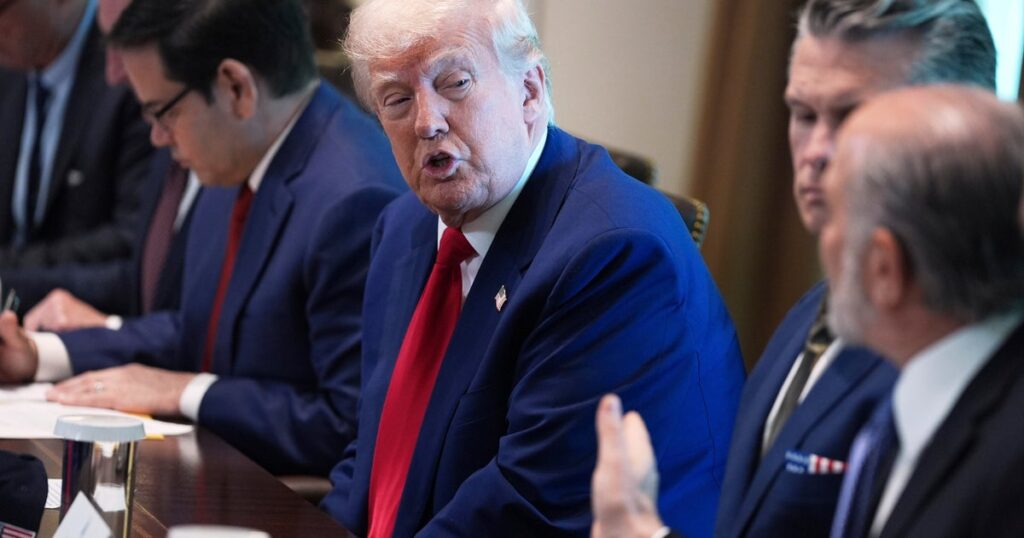
President Donald Trump has addressed concerns about tariffs on Chinese imports, asserting that the primary burden falls on China, though acknowledging potential temporary impacts on American consumers, such as reduced availability of certain goods and slightly higher prices. During a Cabinet meeting, he emphasized that the economic strain is greater for China and suggested that many Chinese imports are non-essential for Americans, potentially limiting the impact on the U.S. market. Despite criticism that the tariffs could cause domestic economic challenges, Trump defends them as necessary for correcting trade imbalances and protecting American industries, while also dealing with frustrations over stalled Russia-Ukraine peace talks, adding complexity to his foreign policy agenda.
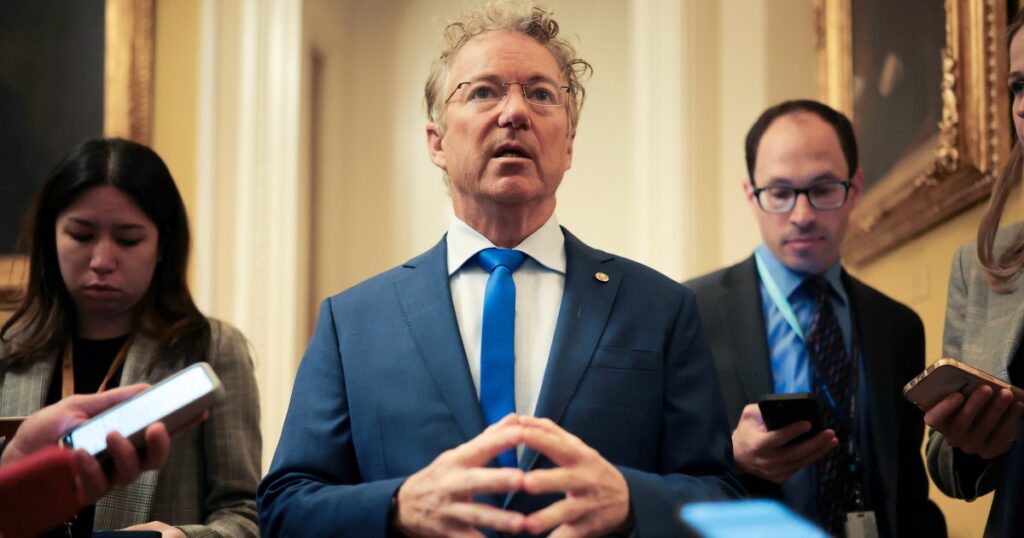
The United States Senate is set to vote on a resolution to block President Trump's "Liberation Day" tariffs, which were imposed under a national emergency declaration. Spearheaded by Senators Ron Wyden and Rand Paul, the bipartisan effort seeks to nullify the tariffs due to concerns about their economic impact, though it faces an uncertain future in the Republican-controlled House of Representatives. The vote highlights the ongoing tension between the executive and legislative branches over trade policy, with significant implications for international trade and the domestic economy.
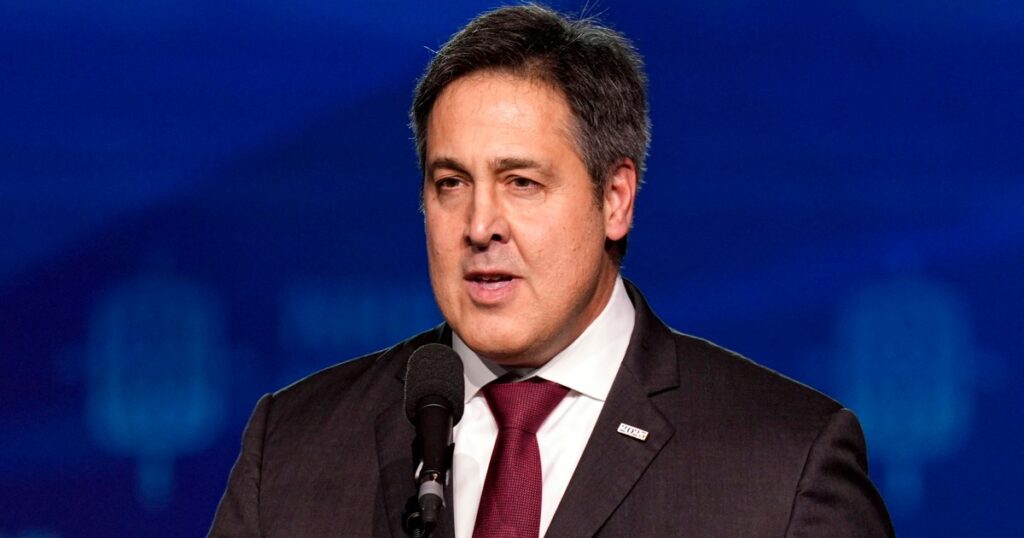
In the first 100 days of President Donald Trump's second term, federal spending has increased by approximately $220 billion compared to the same period in 2024, despite promises to reduce expenditures. This rise in spending, highlighted by CBS News through Treasury Department reports, surpasses levels seen in most of the past decade, with the exception of 2021's COVID-19 response. Analysts and policymakers are focused on this spending increase, which contrasts with the administration's fiscal conservatism goals and raises questions about the long-term implications for the federal budget and economic landscape.
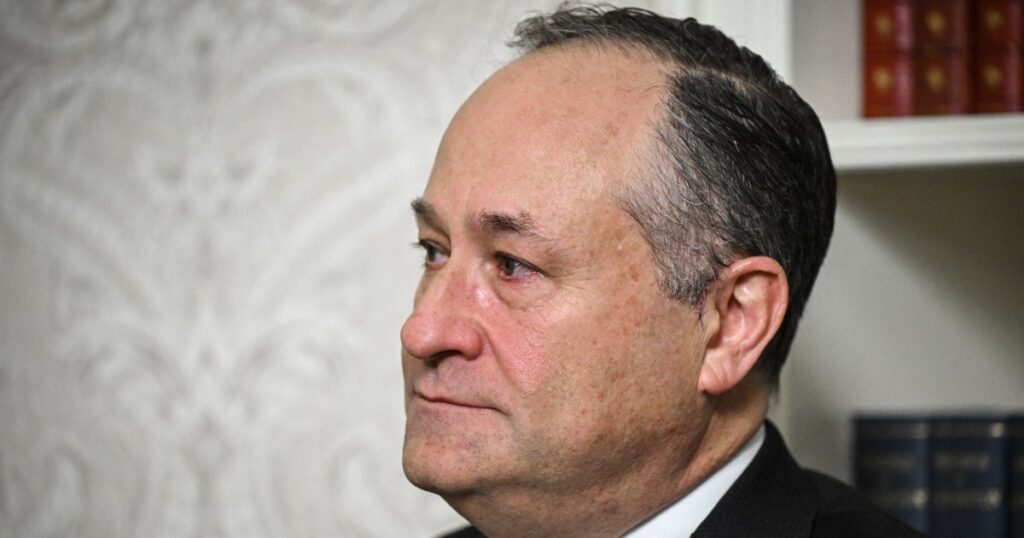
President Donald Trump has dismissed several members of the U.S. Holocaust Memorial Museum's board, including Doug Emhoff and Ron Klain, who were appointed by former President Joe Biden. These dismissals have sparked discussions about the potential politicization of the museum's mission and its governance. The decision has raised concerns about the impact of political appointments on cultural and historical institutions and their role in preserving and educating the public about significant historical events like the Holocaust.
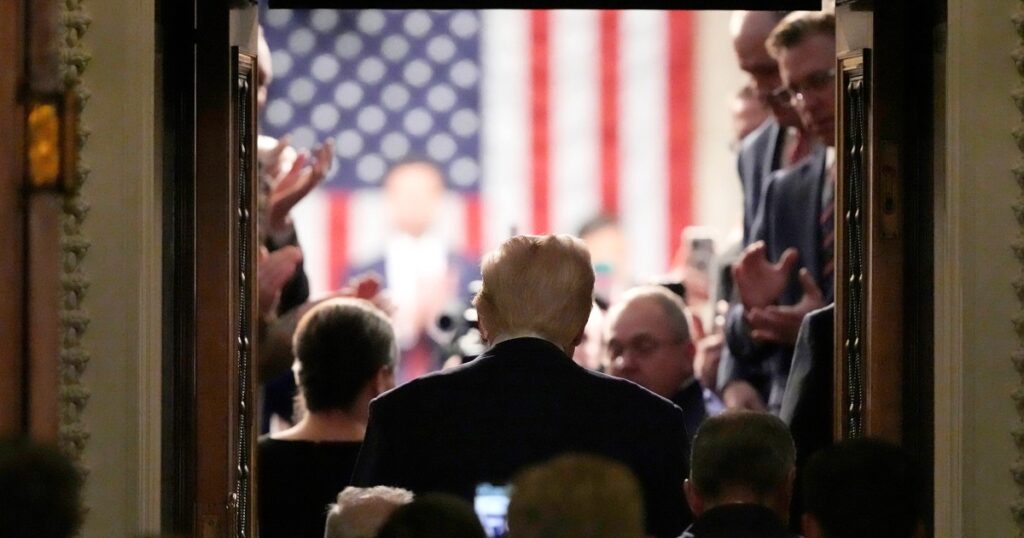
In the first 100 days of his second term, President Donald Trump has signed 142 executive orders, reflecting a swift and decisive approach to governance aimed at implementing his agenda across various policy areas. Despite ambitious goals such as ending the war in Ukraine and resolving major international conflicts, many elements of his agenda face challenges, including legal hurdles and opposition in Congress. As the effects of his executive actions continue to unfold, the administration's approach has sparked both support and criticism, with debates ongoing about the implications for the United States and its global role.