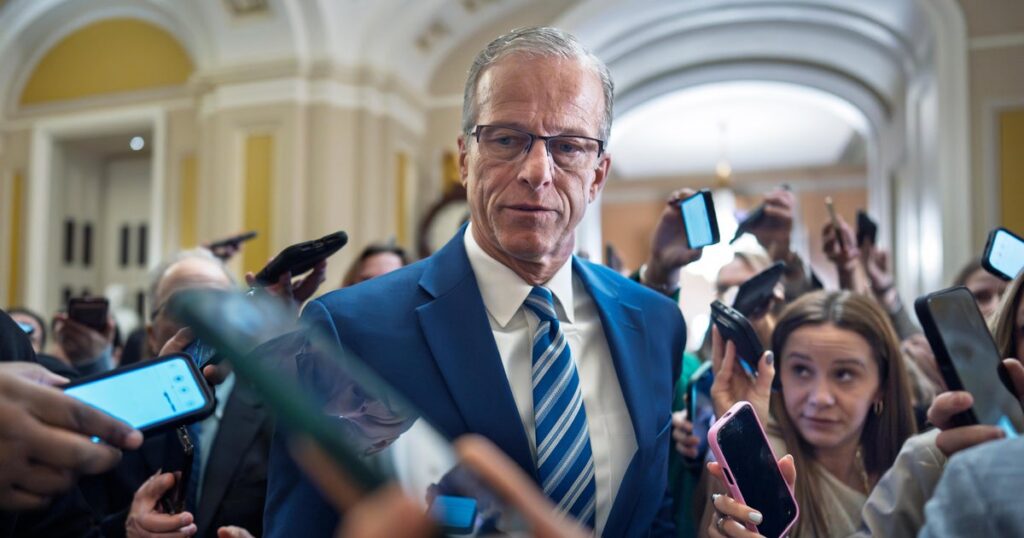
The Department of Homeland Security shutdown has entered its 41st day, causing severe delays at TSA checkpoints and increasing pressure on Senate lawmakers to reach a funding agreement before their upcoming recess. Negotiations remain deadlocked over funding and reform of ICE, with Republicans opposing Democratic demands for immigration enforcement reforms and Democrats insisting on them as part of any DHS funding deal. Meanwhile, internal GOP divisions and calls from former President Trump to end the filibuster complicate efforts to pass a resolution, leaving the shutdown unresolved as the Senate prepares for another vote.
Posts tagged as “DHS”
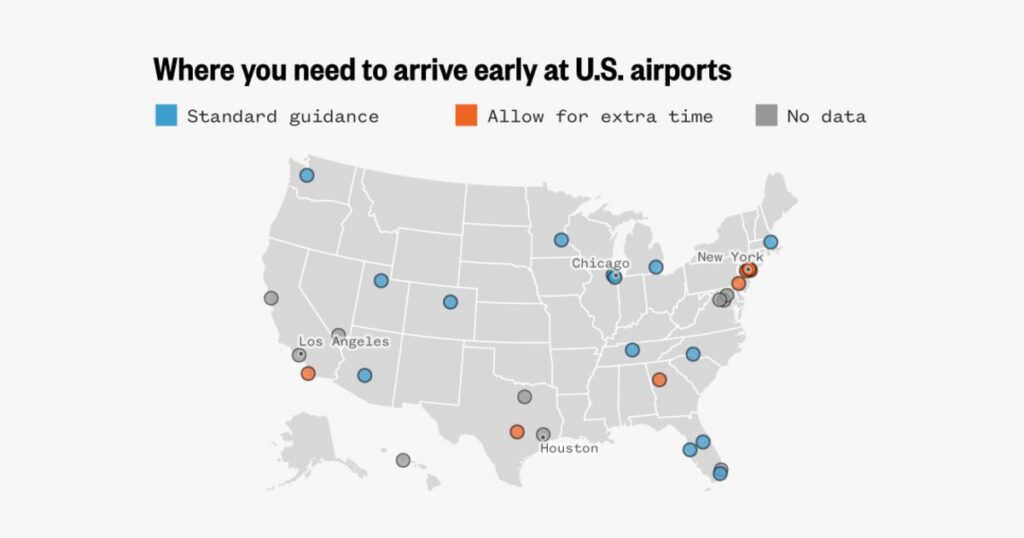
Severe staffing shortages at TSA checkpoints, caused by a partial government shutdown freezing paychecks, have led to extensive delays and long security lines at major U.S. airports, notably at Houston’s George Bush Intercontinental Airport where wait times have stretched for hours. The shutdown has forced over 400 TSA officers to quit and many others to call out, prompting deployment of ICE agents and additional TSA personnel to assist, while airlines and travelers face growing frustration and operational disruptions. As lawmakers remain deadlocked over DHS funding and immigration enforcement reforms, airports nationwide continue to experience significant delays, with experts advising passengers to arrive much earlier than usual for flights.
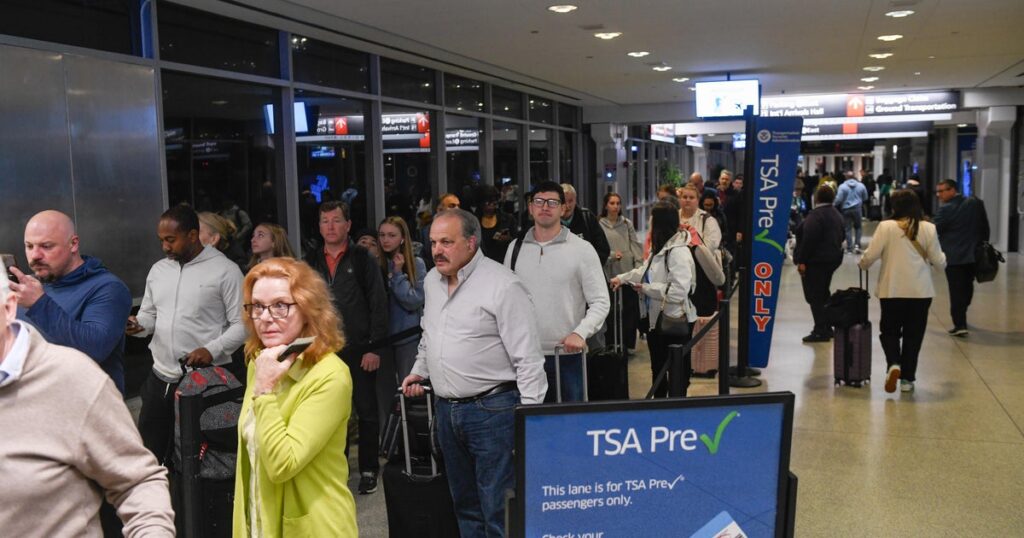
A recent DHS Office of Inspector General report revealed significant vulnerabilities in TSA airport screening linked to a 2025 policy allowing passengers to keep their shoes on, but TSA has not responded due to the report’s Top Secret classification limiting access. This classification has prevented TSA leadership from addressing security gaps amid ongoing staffing shortages caused by a prolonged DHS funding lapse, which has left agents unpaid and forced many to leave. Meanwhile, congressional efforts to resolve DHS funding are stalled by partisan disputes over immigration enforcement reforms, complicating the resolution of both security and operational challenges.
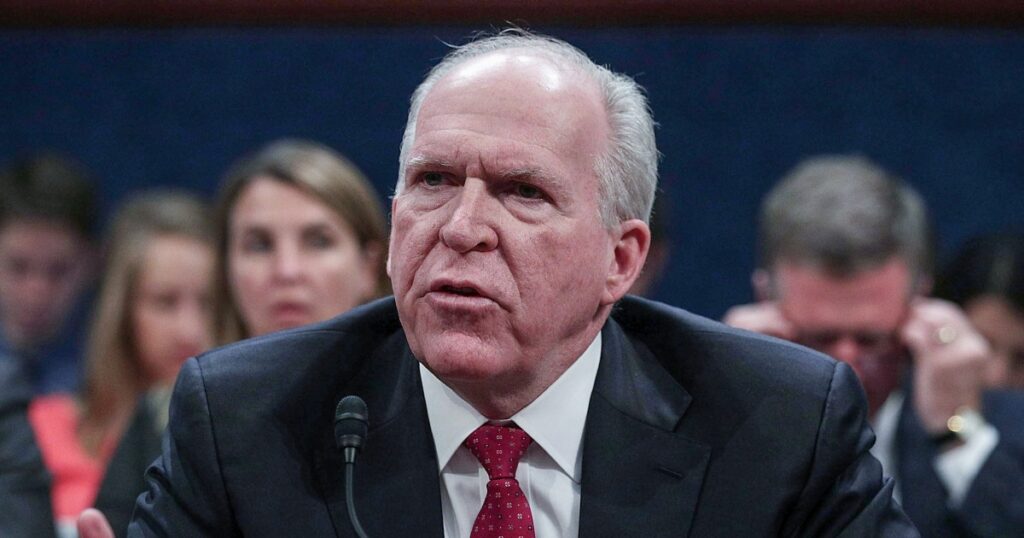
Minnesota has sued the Trump administration’s DOJ and DHS for obstructing investigations into three shootings involving federal officers during Operation Metro Surge, alleging withheld evidence and blocked access to critical information. The lawsuit claims violations of the Administrative Procedure Act and the 10th Amendment, with state officials denied access to key evidence and identities of involved federal agents. Separately, the DOJ has requested classified records related to former CIA Director John Brennan amid a grand jury investigation into his role in the 2016 Russia interference assessment, drawing criticism from Brennan’s legal team and political allies.

The partial government shutdown impacting the Department of Homeland Security has extended into its 40th day, with Senate Republicans proposing to fund most DHS operations except for ICE’s deportation activities, a plan rejected by Democrats demanding significant immigration reforms. President Trump’s mixed signals and insistence on passing the controversial SAVE America Act have further complicated negotiations, while Republicans seek to use budget reconciliation to advance their agenda despite legal uncertainties. With airport operations increasingly disrupted and a Senate recess approaching, lawmakers face mounting pressure to resolve the funding impasse.

The Department of Homeland Security remains partially shut down for a second month due to stalled congressional negotiations, causing major disruptions like long airport security lines and unpaid TSA workers. The shutdown reflects deep partisan divisions, with Republicans blaming Democrats for blocking funding over ICE reform demands, while Democrats insist on accountability measures for federal agents before restoring full DHS funding. Meanwhile, President Trump’s contradictory stance on mail-in voting and ongoing legal challenges related to federal law enforcement investigations further complicate the political environment surrounding the shutdown and broader administration policies.
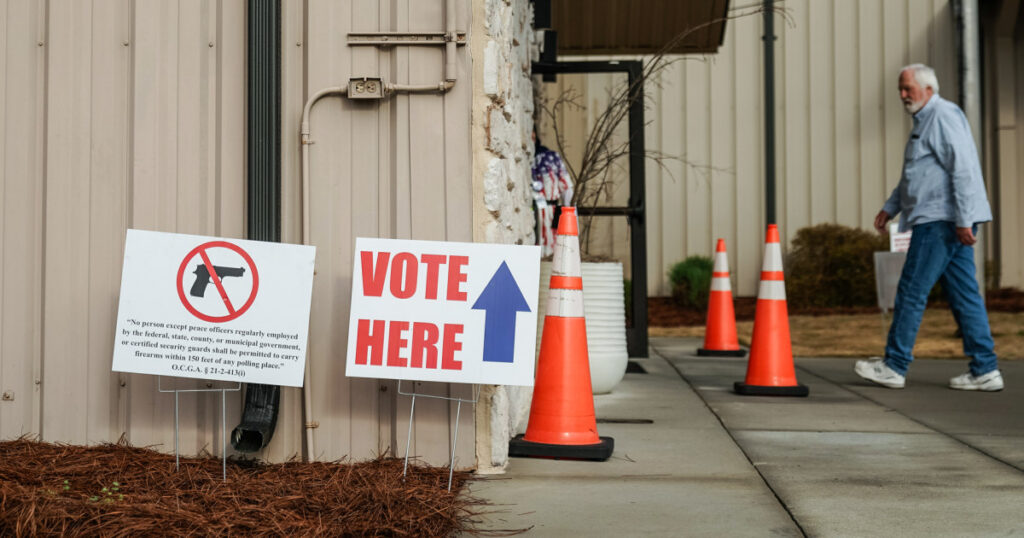
In April, several key elections—including special congressional races in Georgia and New Jersey, a Wisconsin Supreme Court contest, and a Virginia redistricting referendum—will test party strengths and influence the U.S. political landscape. Meanwhile, the Department of Homeland Security remains partially shut down due to partisan disputes, with Senate Republicans and former President Trump clashing over funding tied to controversial voting legislation. These events highlight the ongoing challenges in bipartisan cooperation amid a highly polarized political environment.
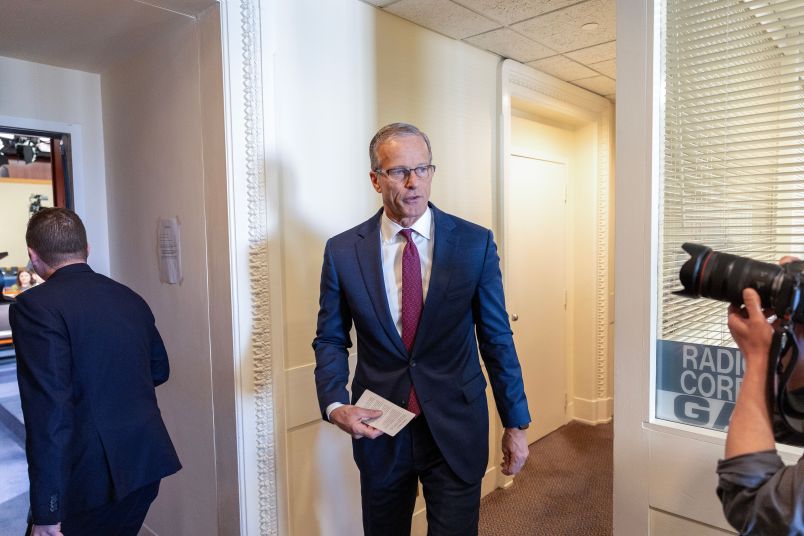
Senate Republicans are advancing a plan to reopen most of the Department of Homeland Security (DHS) during the ongoing government shutdown by funding all components except ICE’s immigration enforcement, aiming to gain support from President Trump and Senate Democrats. The proposal includes passing election-related provisions from the SAVE America Act through a separate budget reconciliation bill, though experts doubt these measures will meet strict budgetary rules, raising questions about the plan’s political feasibility. While Democrats remain cautiously open but demand ICE restrictions, bipartisan negotiations continue amid optimism from some Senate leaders to end the shutdown and restore DHS operations.