
The conflict between the United States, Israel, and Iran has escalated with attacks on commercial ships near the Strait of Hormuz, drone strikes on Dubai’s airport, and significant U.S. military casualties, while diplomatic tensions rise as Spain withdraws its ambassador from Israel. A devastating missile strike on an elementary school in southern Iran, reportedly caused by a U.S. missile, has resulted in over 165 deaths and prompted calls for an international investigation into potential war crimes. The situation underscores the growing human toll and the broader geopolitical and legal ramifications of the ongoing hostilities in the Middle East.
Posts tagged as “Debate Clause of the United States Constitution”

Seven members of the Iranian women's national soccer team were granted humanitarian visas and chose to remain in Australia amid escalating conflict in the Middle East, while the rest of the team returned to Iran after being eliminated from the Asian Women’s Cup. The situation sparked international attention, with concerns over the players' safety, protests in Australia, and criticism from figures like former U.S. President Donald Trump, contrasted by Iranian officials denying any danger and accusing Australia of interfering. The Asian Football Confederation confirmed the team’s relocation to Malaysia and pledged support during their stay.

Rising gas prices in the U.S., driven by disruptions in oil shipments through the Strait of Hormuz amid the Iran conflict, have prompted discussions about releasing oil from the Strategic Petroleum Reserve (SPR) to stabilize the market. Although the SPR holds significant reserves, experts warn its impact may be limited due to the time required to release oil and the scale of supply disruptions, while G7 finance ministers have yet to agree on coordinated action. Meanwhile, oil prices remain volatile amid mixed signals about U.S. naval escorts in the region, and officials are exploring various policy options, though a lasting solution depends on reopening the Strait of Hormuz.
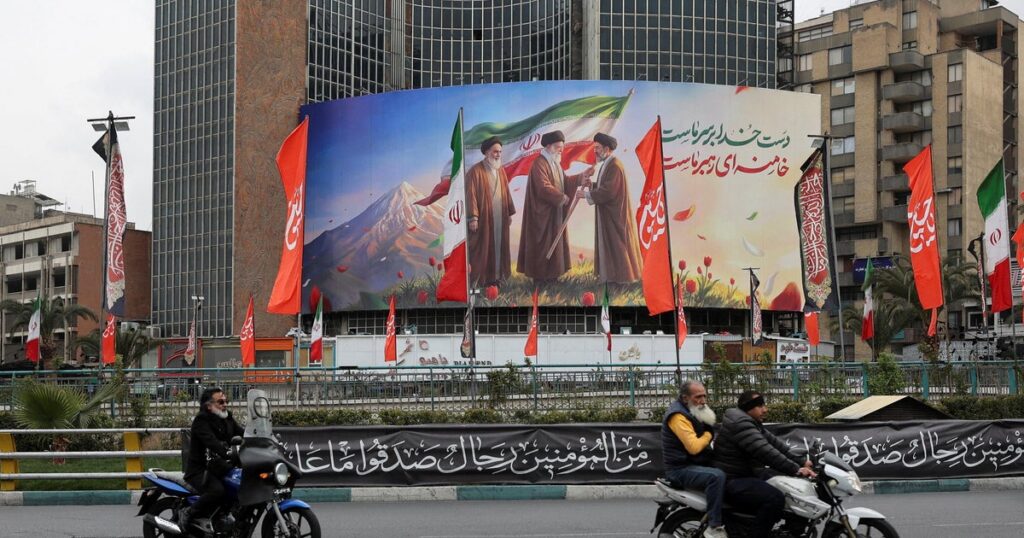
Oil prices have surged due to the escalating Middle East conflict, which has disrupted shipping through the strategic Strait of Hormuz and drawn significant military attention from the U.S. and its allies. Russia has emerged as a key beneficiary of rising energy prices, potentially increasing its oil revenues and military spending amid the ongoing Ukraine war. Meanwhile, the conflict intensifies with attacks on Gulf countries, heightened regional military deployments, and diplomatic efforts to support affected nations and maintain global energy security.
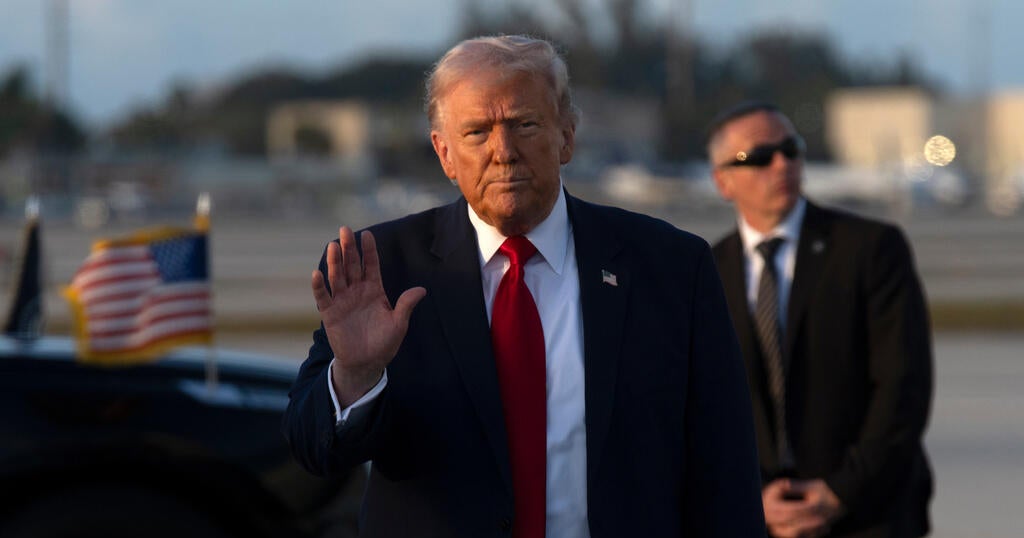
President Donald Trump described the U.S.-Iran conflict as nearing its end, claiming significant damage to Iran’s military and warning against any attempts to block navigation in the Strait of Hormuz. Speaking from his Florida golf club amid political gatherings, he framed the military action as a necessary, short-term effort to eliminate threats, while acknowledging American casualties and expressing resolve to continue the campaign. Despite Trump’s optimistic tone, the Department of Defense emphasized that the fight is ongoing and vowed to show “no mercy.”
The White House has announced the creation of the United States-Ukraine Reconstruction Investment Fund, a new economic partnership aimed at aiding Ukraine's recovery and development by facilitating joint investments and unlocking the country's growth potential. A significant aspect of this agreement involves the extraction and ownership of Ukraine's natural resources, including rare earth minerals, which is intended to strengthen Ukraine's economic infrastructure and provide the U.S. with valuable resources. The partnership, formalized by officials from both nations, is seen as a strategic commitment to supporting Ukraine's sovereignty and prosperity while sending a message to Russia about the U.S.'s dedication to a peaceful resolution.
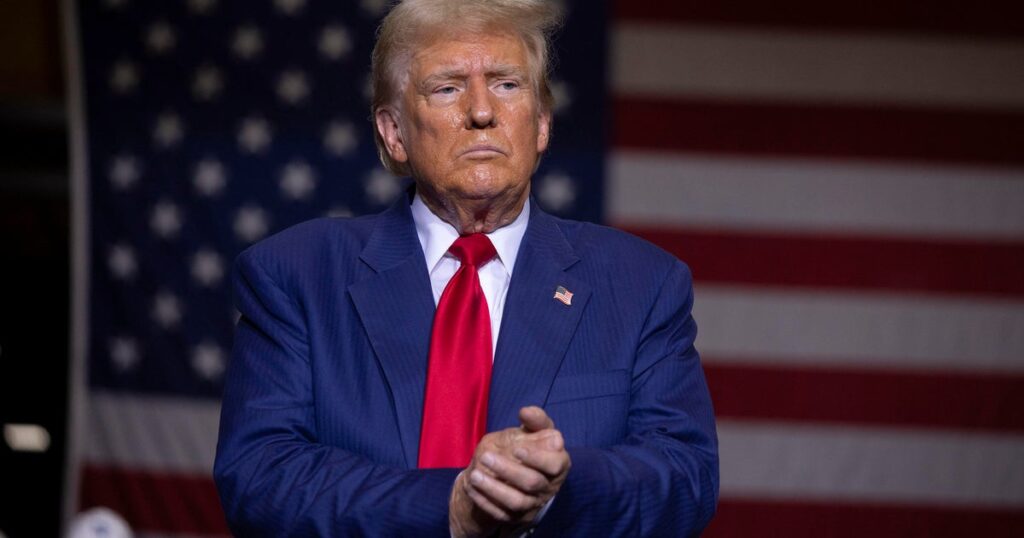
Meta is facing a legal dispute with conservative influencer Robby Starbuck, who claims the company's AI chatbot produced false and defamatory content linking him to the January 6 Capitol riot and QAnon conspiracy theory, prompting an apology from Meta's chief global affairs officer. Concurrently, President Donald Trump is promoting the positive effects of increased U.S. tariffs, asserting they have spurred significant corporate investment in the country, with a new White House website tracking 47 projects by 50 companies as evidence of trillions in new investments. These developments occur amid scrutiny of U.S. tariffs' economic implications, as Meta's AI content management and the administration's "America First" economic policies remain under close observation.

In the legal case of Kilmar Abrego Garcia, a federal judge in Maryland has denied the government's secret request to further delay proceedings, following a previous weeklong postponement. The case involves efforts to return Abrego Garcia to the United States after his erroneous deportation to El Salvador, despite an immigration judge's order preventing his removal. President Trump has suggested he could resolve the issue with a phone call to Salvadoran President Nayib Bukele, but this contrasts with the administration's legal position that it lacks the authority to bring him back, amid allegations of Abrego Garcia's gang affiliation, which his legal team denies.