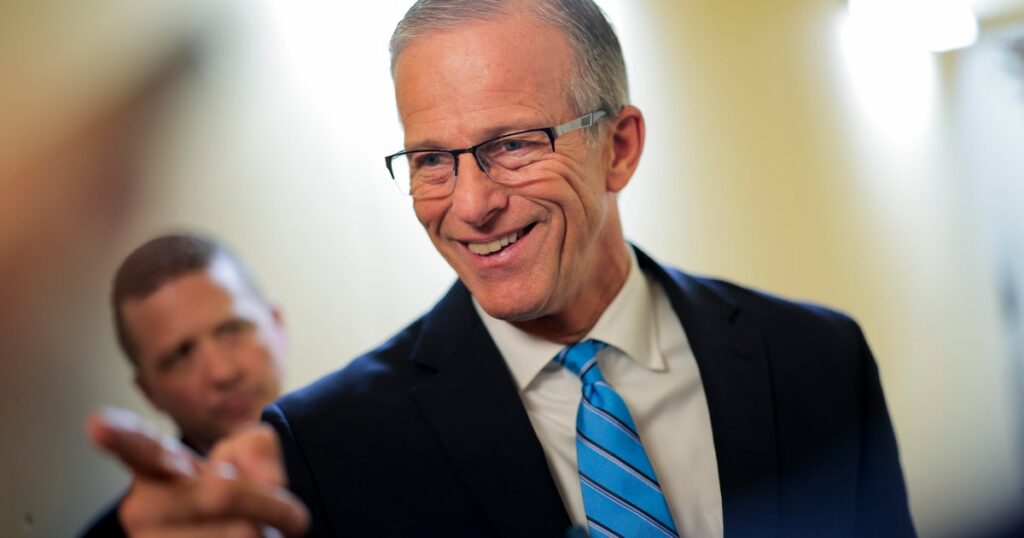
The U.S. Senate is close to reaching a deal to fund the Department of Homeland Security and end a six-week partial government shutdown, with Republicans optimistic after meeting President Trump and planning to fund most DHS agencies except ICE deportation operations through separate budget reconciliation. The shutdown began over disputes about ICE funding and election reform tied to the SAVE America Act, which Trump initially demanded be linked to DHS funding but faces Democratic opposition. Separately, despite publicly denouncing mail-in voting, President Trump cast a mail-in ballot in a Florida special election, highlighting his inconsistent stance on the issue amid ongoing debates over voter ID laws.
Posts tagged as “Debate Clause of the United States Constitution”
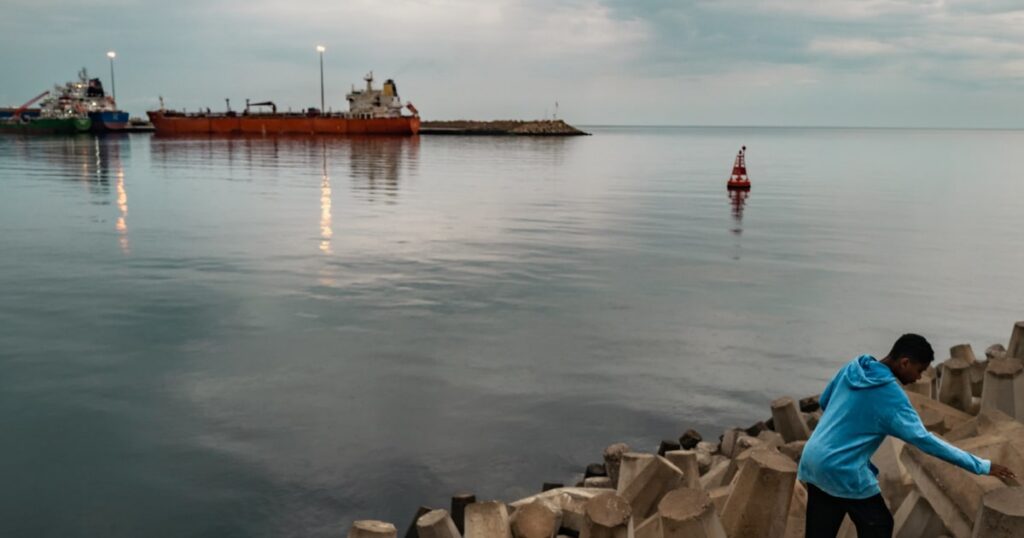
Amid escalating conflict between Iran and Israel following U.S. and Israeli strikes, diplomatic efforts involving indirect talks facilitated by Pakistan and other regional players have reportedly begun, though official confirmations remain pending. The war has caused over 2,000 deaths, displaced millions, and disrupted global energy markets, pushing Brent crude oil prices above $100 a barrel amid fears of supply shortages. Despite ongoing hostilities marked by missile strikes and air raids, U.S. President Donald Trump expressed cautious optimism about potential negotiations, while regional tensions and economic risks continue to mount.

The United States is experiencing a worsening housing affordability crisis driven by factors such as restrictive zoning, high construction costs, and policy challenges, with recent bipartisan legislation facing uncertainty due to political disputes. Although the Trump administration has taken steps like reducing building regulations and expanding incentives for low-income housing, critics argue that rollbacks of civil rights protections and cuts to social programs undermine housing security for marginalized communities. This crisis reflects broader economic inequality, as wealth gains concentrate among the top 1% while many Americans struggle with rising living costs, exacerbating social and political tensions ahead of upcoming elections.
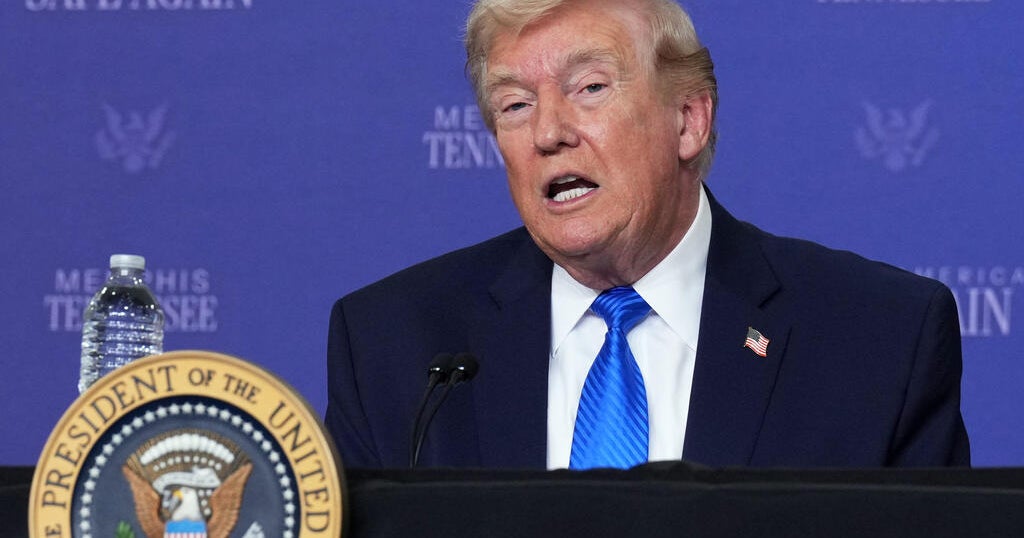
The United States has reportedly initiated indirect communications with Iran through mediators as preliminary steps toward potential negotiations, following President Trump’s remarks about possible agreements and a temporary military pause. Despite Iran’s initial denial of talks, both sides have identified points of agreement, raising hopes for de-escalation amid ongoing tensions and economic impacts such as fluctuating oil prices. However, key details of any deal remain unclear, including Iran’s nuclear intentions and the role of regional actors like Israel, while the U.S. explores incentives like releasing frozen assets to facilitate a resolution.
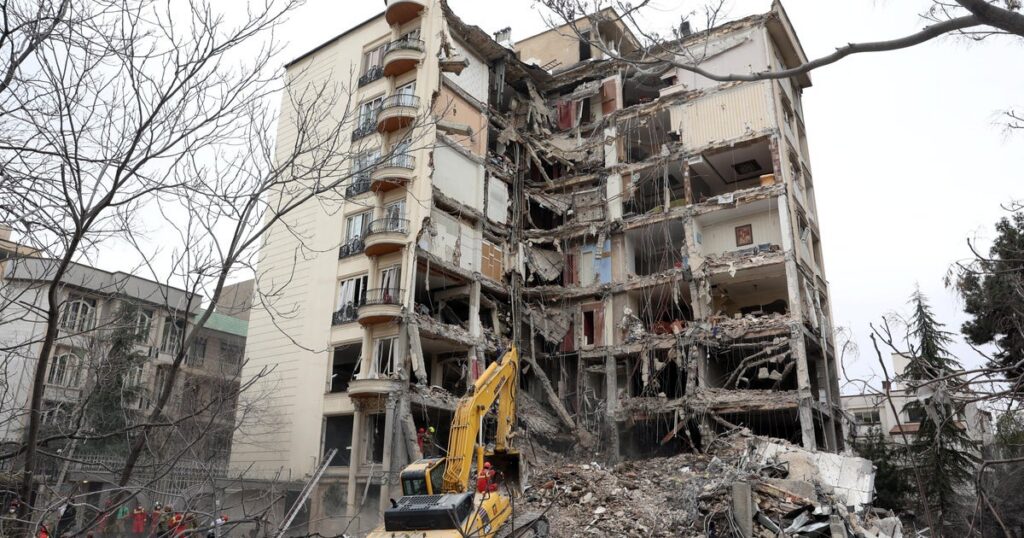
President Donald Trump announced a five-day postponement of planned airstrikes on Iran’s energy infrastructure, citing productive talks aimed at reopening the strategically vital Strait of Hormuz. While Trump claimed progress in negotiations, Iran denied any direct communication and viewed the delay as a tactic to lower energy prices and prepare militarily. The situation remains tense, with global energy prices surging and experts warning that the coming days will be crucial in determining whether diplomacy will de-escalate the conflict or if hostilities will intensify.
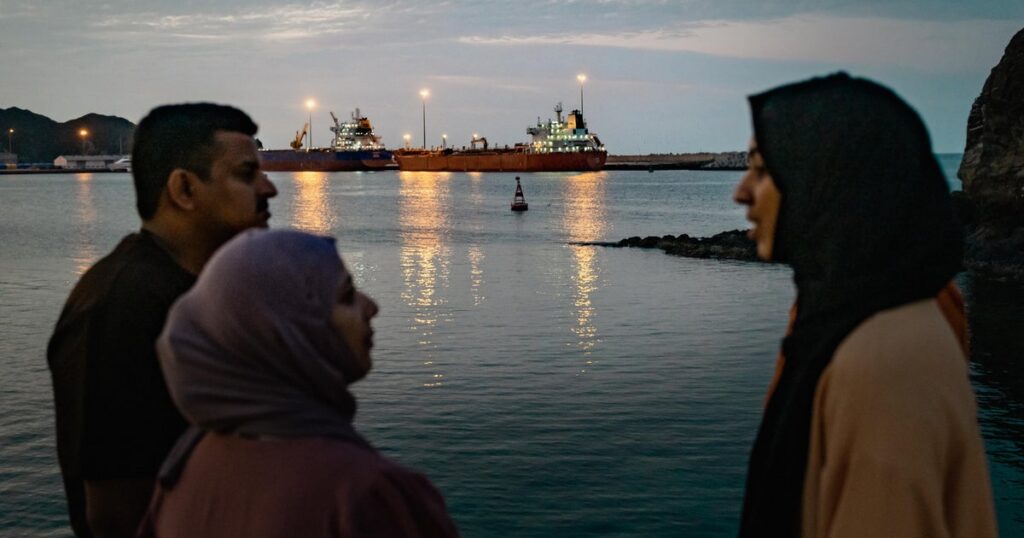
President Donald Trump postponed his ultimatum for Iran to reopen the Strait of Hormuz, citing ongoing "good and productive" negotiations amid escalating regional tensions and threats of military strikes. Iran denied direct talks with the U.S., accusing Washington of initiating the conflict and dismissing claims of missile attacks, while international markets reacted positively to the delay with rising stock futures and falling oil prices. The conflict has caused significant casualties in Iran, prompted internal crackdowns, and led to cautious diplomatic responses, with U.S. officials defending their hardline stance as necessary to de-escalate the situation.

U.S. stock markets surged on Monday after President Donald Trump announced a five-day delay in military strikes on Iranian power plants, easing fears of immediate conflict amid tensions over the Strait of Hormuz. The announcement led to a sharp decline in oil prices, though crude remains significantly higher than pre-conflict levels, contributing to rising gasoline costs in the U.S. Despite the temporary de-escalation, Iranian officials rejected dialogue with Washington, maintaining a tense diplomatic standoff.
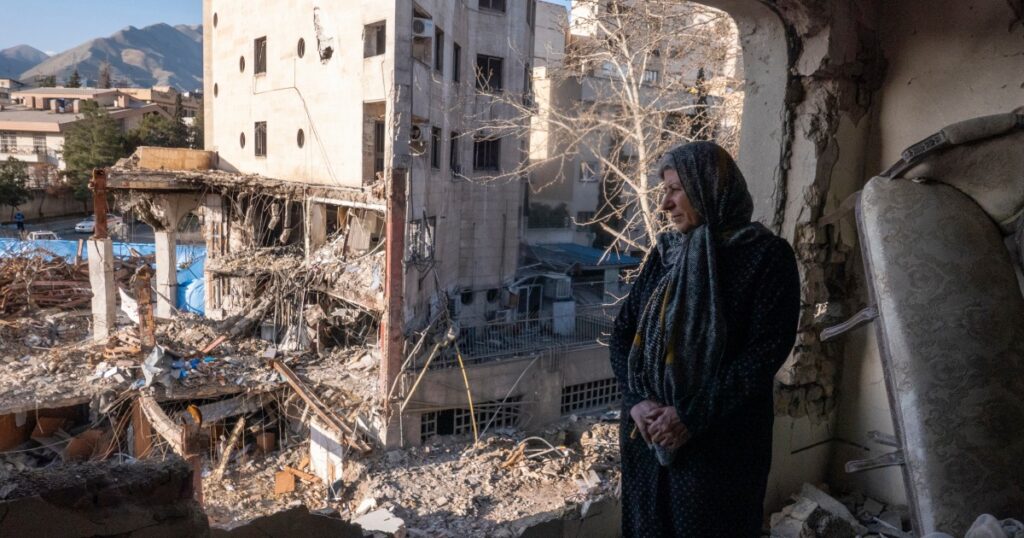
Tensions between the United States and Iran have sharply escalated over the closure of the strategic Strait of Hormuz, with the U.S. issuing an ultimatum threatening to target Iran’s energy infrastructure and Iran responding with warnings of retaliatory strikes on U.S. and Israeli assets. Military engagements have already occurred, causing significant disruptions to global oil supplies and surging prices, while international efforts to secure the strait face challenges due to Iran’s control over critical infrastructure through the IRGC. Experts warn that military action alone may not resolve the crisis and highlight the potential humanitarian risks of targeting energy infrastructure linked to civilian services, prompting calls for careful strategic decisions amid growing regional instability.