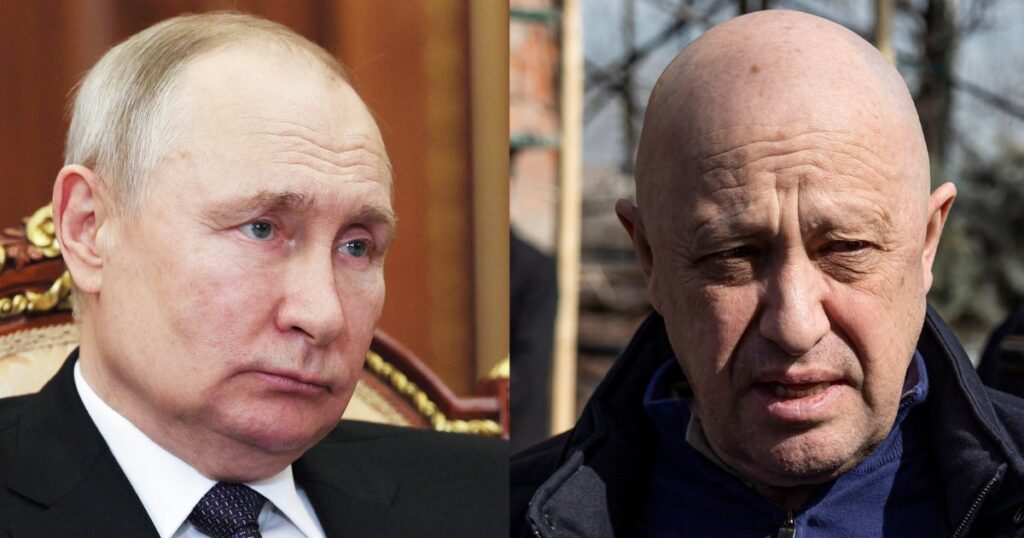
Russian President Vladimir Putin met with Yevgeny Prigozhin, the founder of the Wagner Group, a private military company, on June 29th. The meeting, which was attended by 35 people, could signal a possible reconciliation between the two men and have implications for the group's operations around the world, including the conflict in Ukraine.
Posts tagged as “anti-Kremlin”

Belarusian President Alexander Lukashenko has claimed that Yevgeny Prigozhin, the leader of the Wagner Group, is in Russia and his troops are in their field camps. Footage of Prigozhin's home has been released, showing opulence and a cache of weapons, and the Kremlin has refused to comment on his whereabouts. Ukraine's security service has also claimed that Russian generals supported the Wagner Group during the mutiny, raising questions about the end of the challenge to President Vladimir Putin's rule.
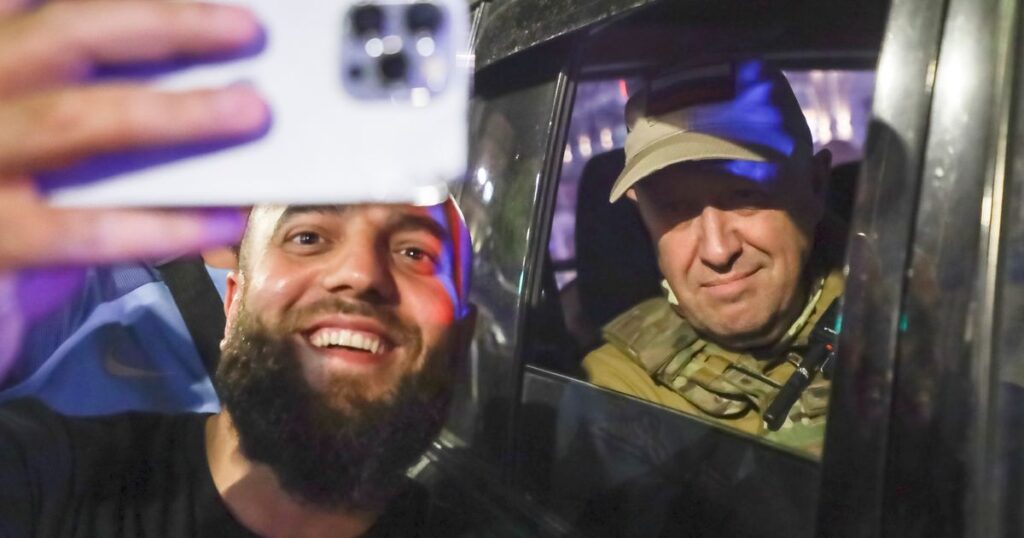
This article discusses the mysterious fate of the Wagner Group, a Russian mercenary group led by Yevgeny Prigozhin, who attempted to march on Moscow in a mutiny against the Kremlin's military leaders. Alexander Lukashenko, the leader of Belarus, has stated that Prigozhin is in St. Petersburg and his troops have remained at the camps they stayed in before the attempted mutiny, contradicting the Kremlin's statement that they had been exiled to Belarus. The mystery continues, with no clear answer as to their whereabouts or if Prigozhin will face any consequences.
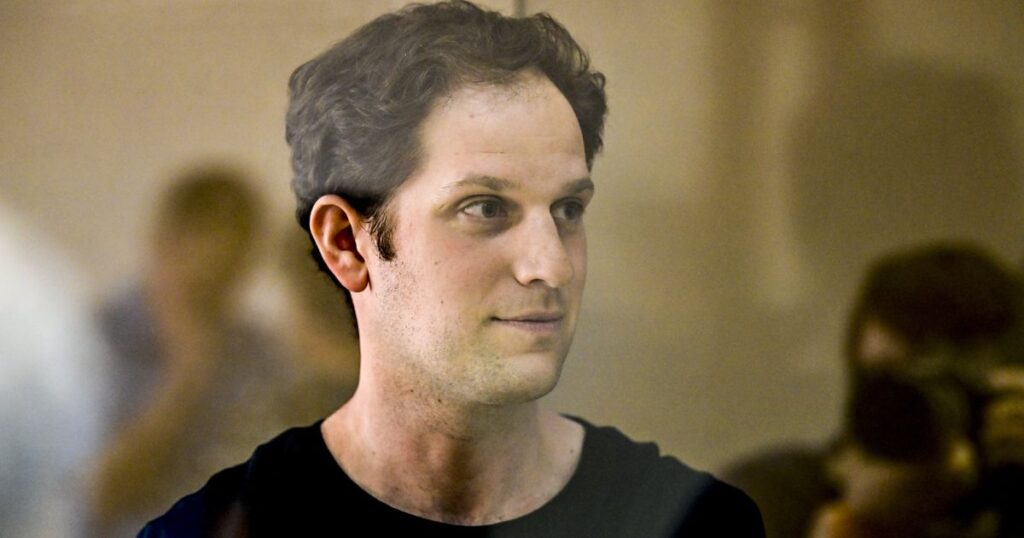
On Tuesday, Kremlin spokesman Dmitry Peskov said that there has been contact between the U.S. and Russia regarding a possible prisoner swap involving Wall Street Journal reporter Evan Gershkovich and Paul Whelan, both of whom are considered "wrongfully detained." The same day, the U.S. ambassador to Russia met with Gershkovich in Moscow, and Peskov said that any discussions about a prisoner swap must be kept in complete silence. It is unclear if the two countries have made any progress in their negotiations.
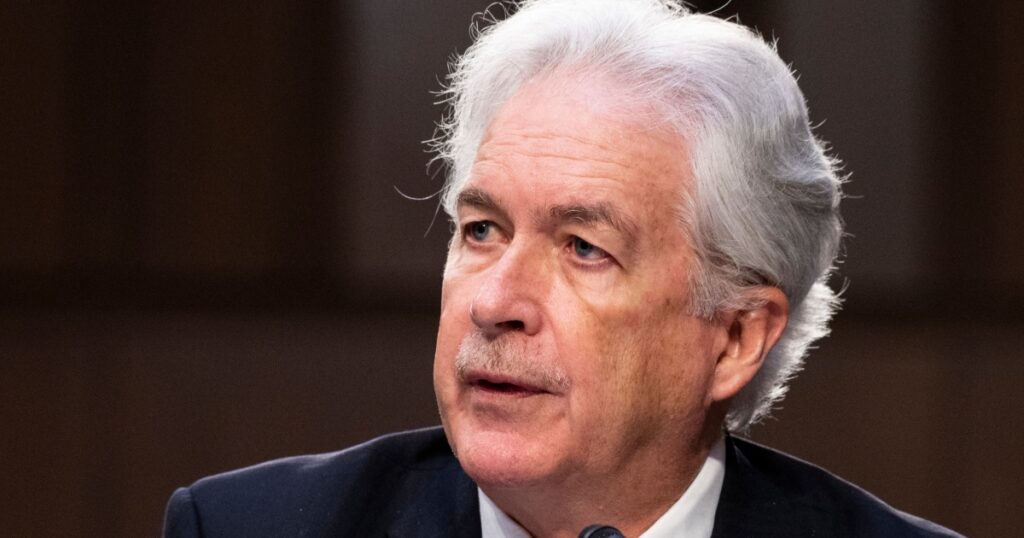
Key takeaways: CIA Director William Burns recently traveled to Ukraine to meet with President Volodymyr Zelenskyy and Ukrainian intelligence chiefs. The armed rebellion led by…
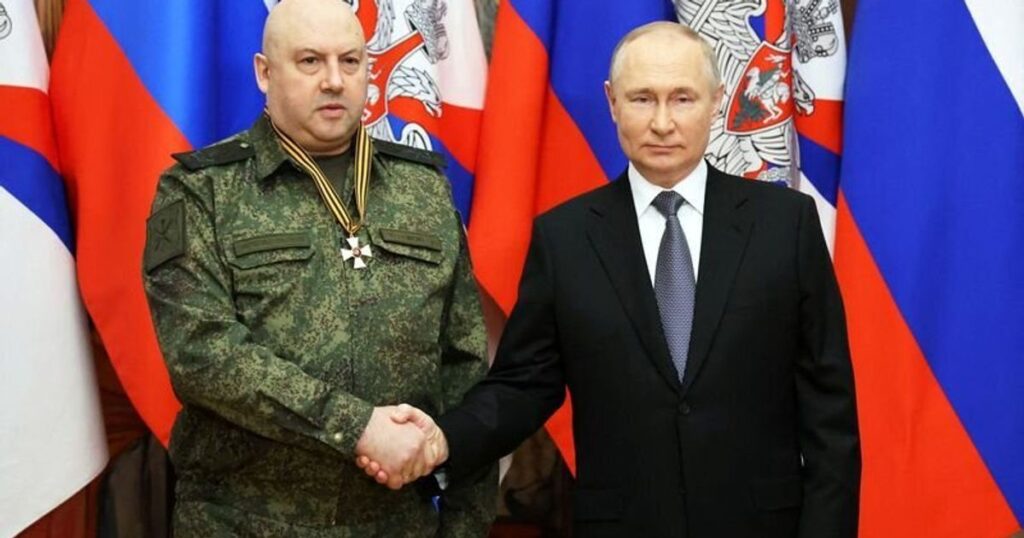
Following a failed mutiny attempt by mercenaries, Russia's top military generals have been absent from the public eye, leading to speculation that they may have supported the rebellion. U.S. officials have said General Valery Gerasimov and General Alexander Surovikin had "advance knowledge" of the plans, though Kremlin spokesman Dmitry Peskov has dismissed these reports as "speculation and gossip". President Vladimir Putin is reportedly attempting to reassert his authority, and it is unclear what role the top military generals will play in the future.
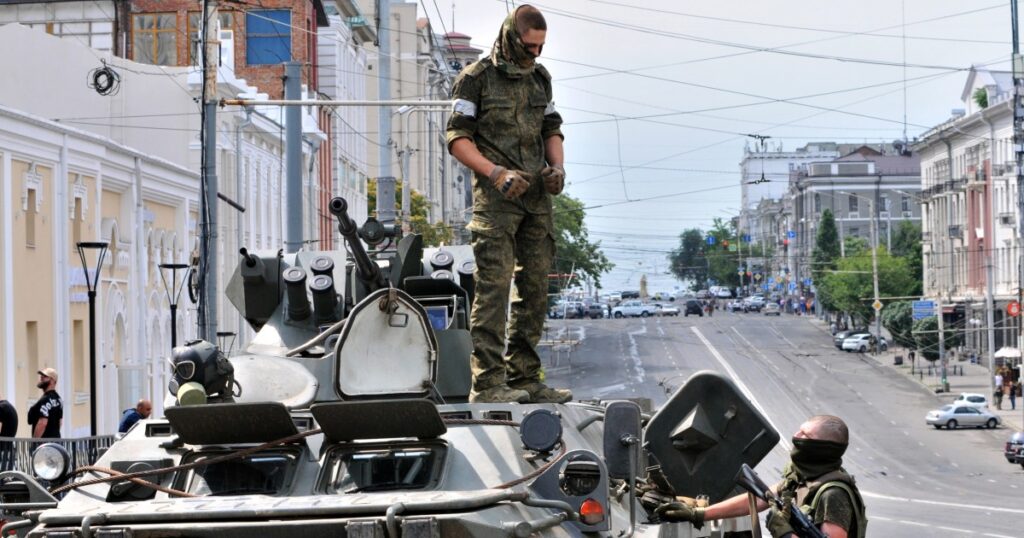
Russian President Vladimir Putin thanked the nation for standing together in the face of a short-lived armed rebellion led by Yevgeny Prigozhin and his Wagner mercenary group. Steps were taken to "neutralize the threat" and "avoid a lot of bloodshed," and Putin thanked the government and citizens for rallying behind "the fate of the Fatherland." The rebellion ended with Prigozhin's troops retreating, and Putin emphasized that time was taken to give those who made a mistake a chance to think again and understand their actions.
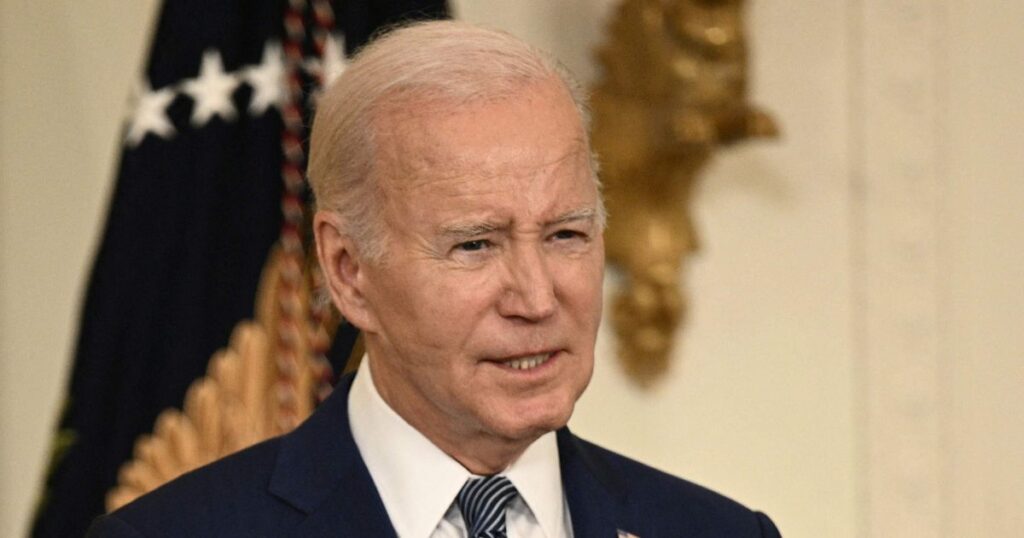
Russian President Vladimir Putin addressed the nation for the first time since a short-lived armed revolt by the Wagner mercenary group on Saturday. The revolt was led by Yevgeny Prigozhin and focused on Russia's military brass, and President Joe Biden said the US and its allies had strongly communicated to the Kremlin that they were not involved. Putin thanked the Russian people for their support and did not offer any clarity about his planned response to the revolt, which posed the biggest challenge to his rule in more than 20 years.