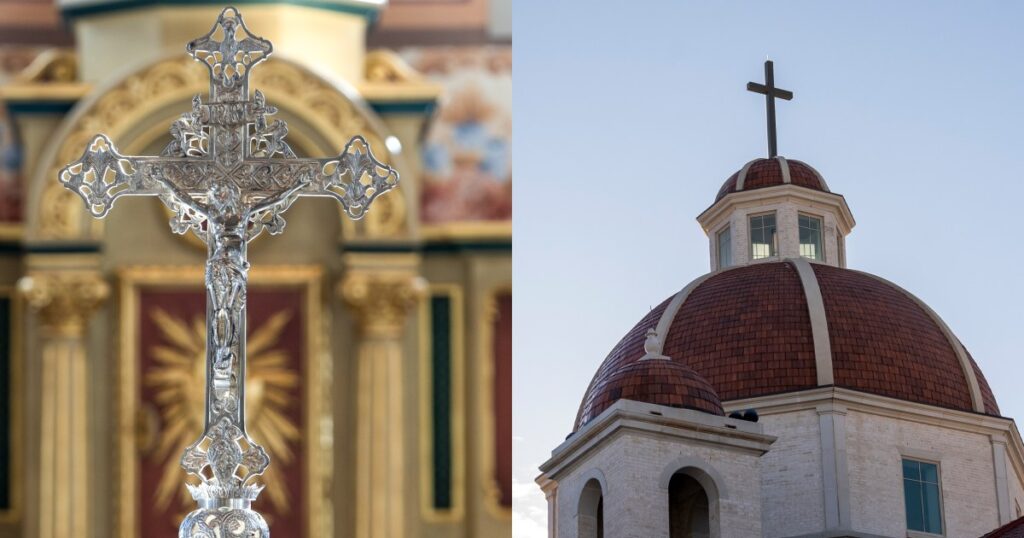
The United States Supreme Court is set to hear a pivotal case regarding the establishment of St. Isidore of Seville Catholic Virtual School in Oklahoma, which could become the nation's first religious charter school. This case has sparked debate over the potential impact on laws in 45 states, the District of Columbia, and the federal charter school program, all of which currently require charter schools to be nonsectarian. A ruling in favor of the school could lead to public funds being directed to religious institutions, challenging the separation of church and state and potentially setting a precedent for the future of public funding for religious education nationwide.
Posts tagged as “anti-Catholic”
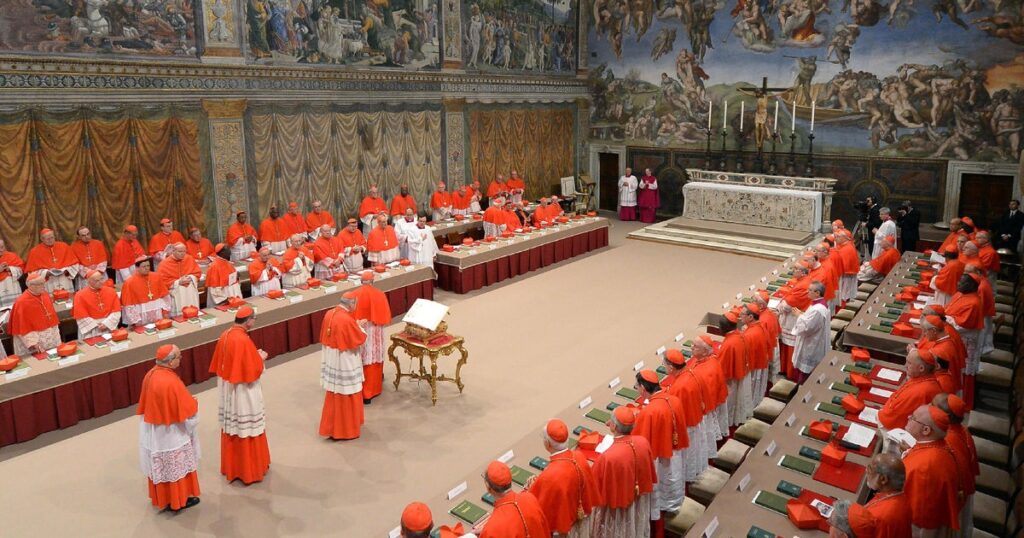
The Vatican has announced that a papal conclave will begin on May 7 to elect a successor to Pope Francis, following his funeral attended by world leaders and mourners. Over 100 cardinals under the age of 80 will participate in this traditional and structured process in the Sistine Chapel, reflecting the Catholic Church's commitment to continuity and stability. The conclave's outcome will determine the new pope, who will emerge to greet the faithful in St. Peter's Square, marking a significant moment for the church's future leadership.
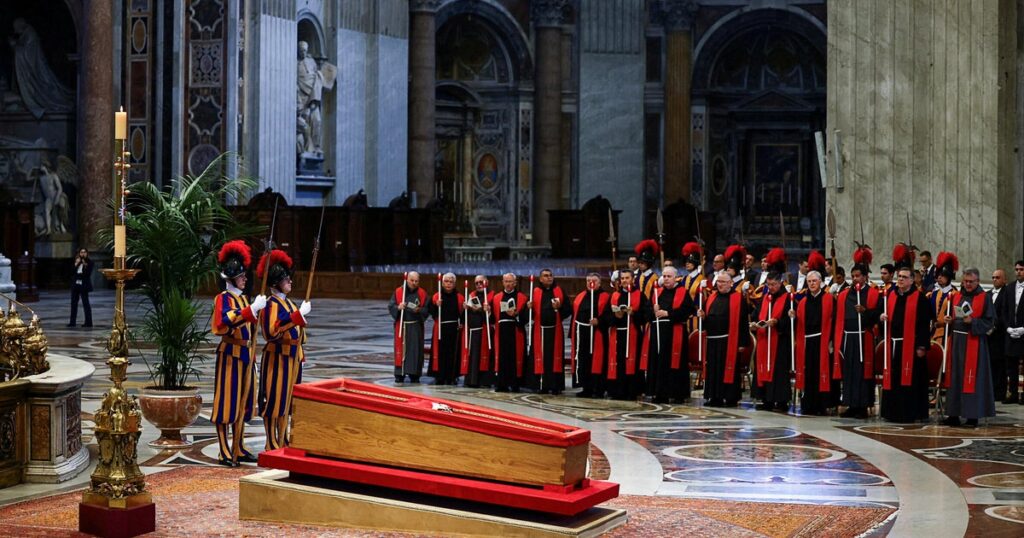
Pope Francis's body was transported to St. Peter's Basilica, where it will lie in state for three days, allowing the Catholic faithful to pay their final respects. The Argentine pontiff, known for his humility and dedication to social justice, drew a significant number of mourners, with many gathering in St. Peter's Square and around its barriers to honor him. The event has garnered attention from local and international communities, underscoring Pope Francis's global influence and the Vatican's recognition of his impactful papacy.
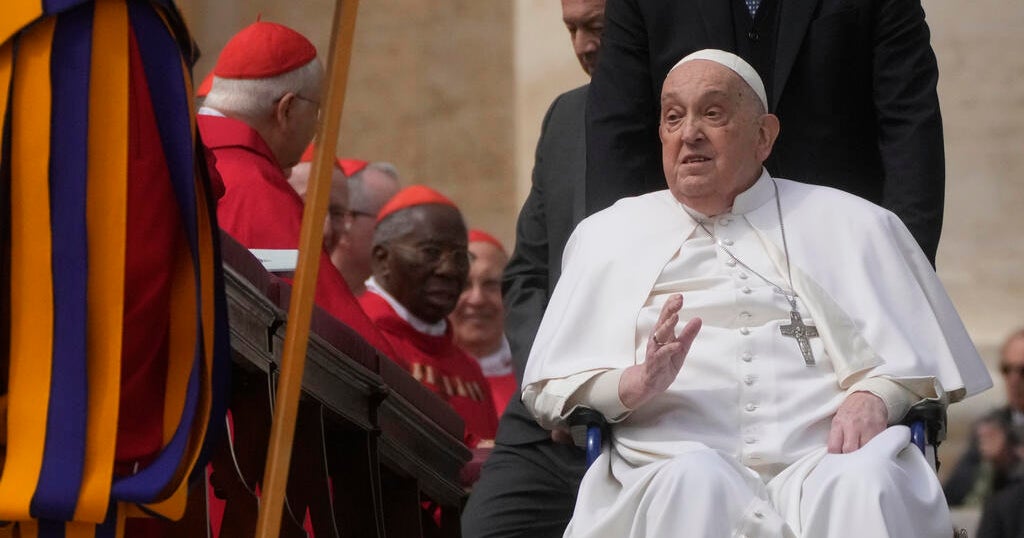
Pope Francis, who passed away at 88, was renowned for his efforts to make the Catholic Church more accessible, emphasizing service to the poor and adopting a humble lifestyle that resonated with the public. His papacy marked a shift from the conservative approaches of his predecessors, as he engaged effectively with media and the public, often speaking spontaneously and creating impactful moments that highlighted social issues. As the Church conducts the traditional rituals outlined in the "Ordo exsequiarum Romani pontificis" to honor him, these ceremonies reflect both the rich history of the papacy and the significant contributions of Pope Francis as the first Argentine pope.
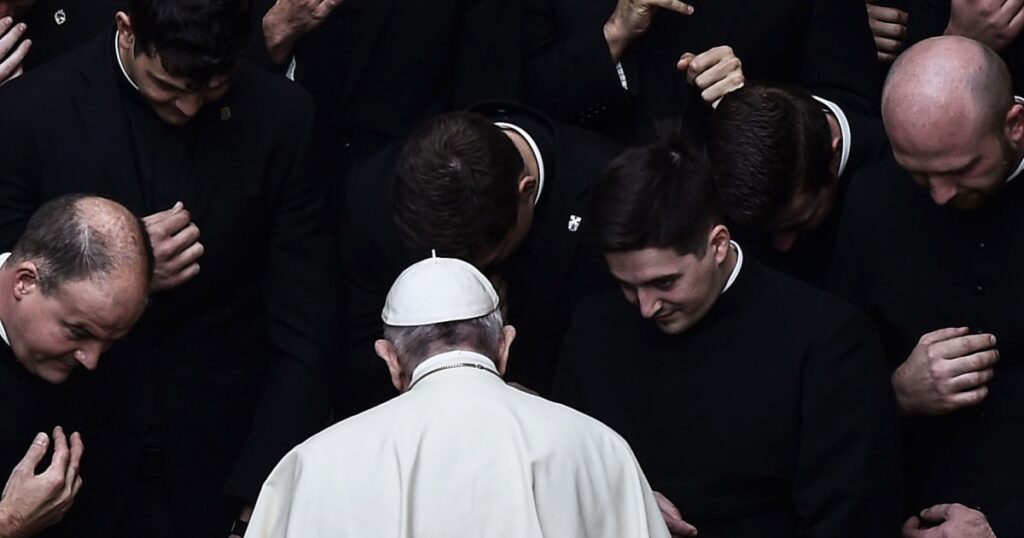
The passing of Pope Francis, the first Argentine pope, has initiated the ancient rituals and traditions of the Roman Catholic Church, as outlined in the "Ordo exsequiarum Romani pontificis," marking the transition to new papal leadership. These time-honored customs, including the camerlengo's ceremonial role and the conclave of 135 Cardinal Electors in the Sistine Chapel, ensure both the honoring of the deceased pope and the continuity of Church leadership. The conclave, conducted in secrecy, is a pivotal event that determines the future direction of the Church, influencing Catholics worldwide.
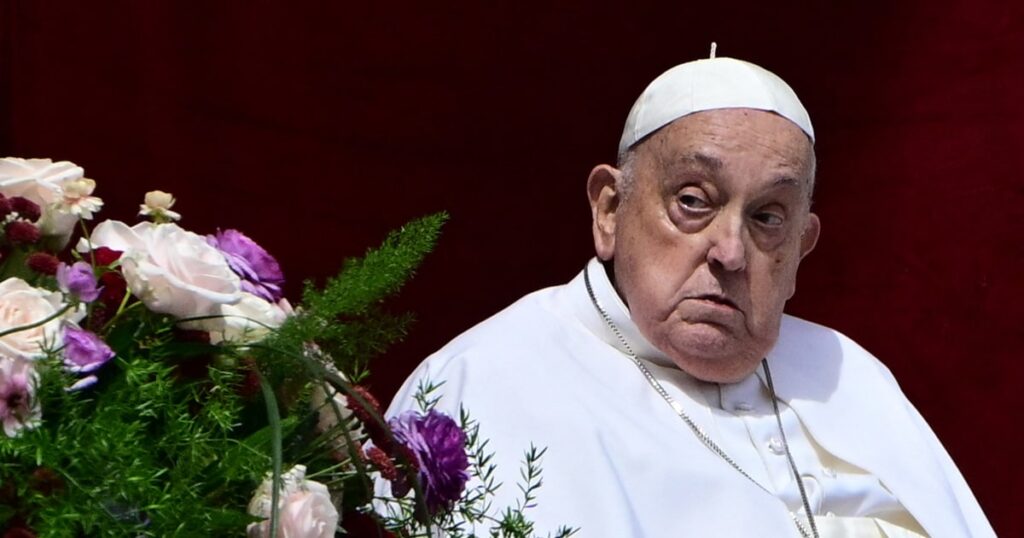
Pope Francis, the 266th pontiff of the Roman Catholic Church and the first from the Americas, passed away on April 21 at the age of 88, prompting a global outpouring of tributes. Known as the "People's Pope," his leadership emphasized humility, social justice, and outreach to marginalized communities, leaving a lasting impact on the church and its followers. In response to his death, many individuals, including world leaders and devoted Catholics, have expressed their condolences and traveled to the Vatican to pay their respects.
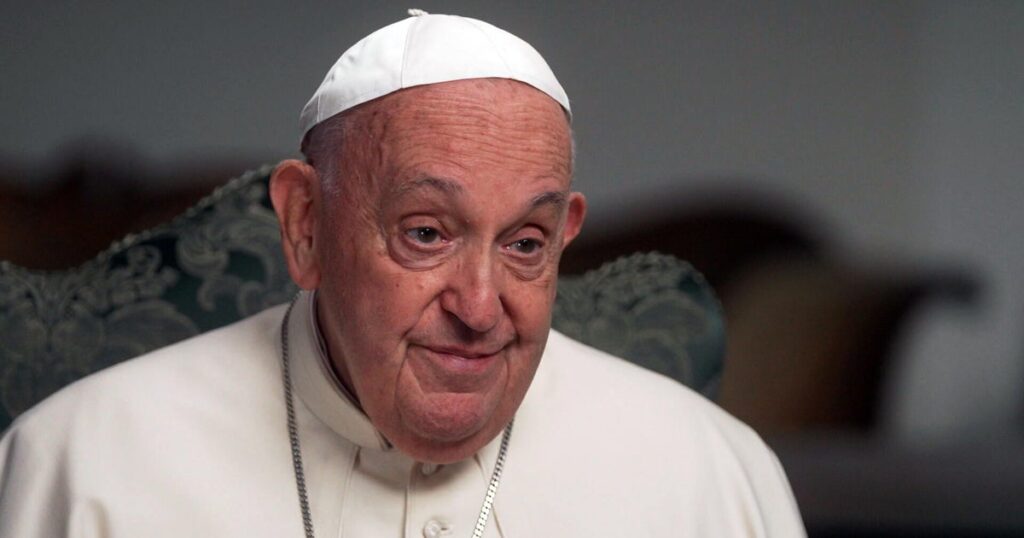
Pope Francis, known for his efforts to modernize the Catholic Church and challenge traditional norms, has passed away at the age of 88, with his death confirmed by the Vatican. Throughout his papacy, he brought a unique perspective influenced by his diverse background, and he was recognized for confronting conservative elements within the Church while emphasizing the importance of addressing the needs of the marginalized. Despite facing controversy, such as his initial handling of abuse allegations in Chile, his legacy is marked by a commitment to change and inclusivity within the Church.
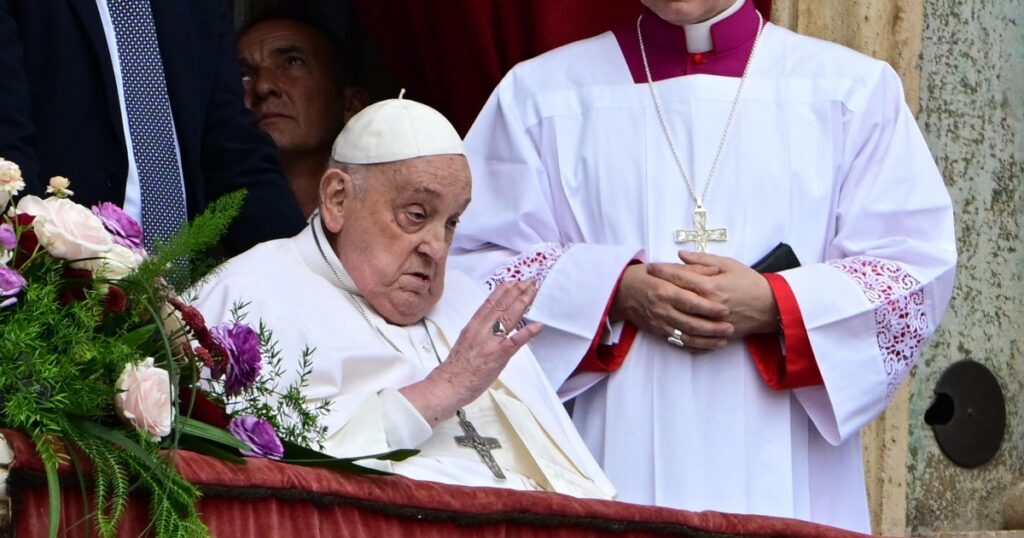
On Easter Sunday, Vice President JD Vance met with Pope Francis at the Vatican, marking a significant encounter given their previous disagreements over immigration policies. Despite health concerns, Pope Francis led the Easter services from a wheelchair, drawing thousands of attendees to St. Peter's Square, where his presence was warmly received. The meeting highlighted the ongoing dialogue and tensions between differing perspectives within the Catholic community, as Pope Francis's progressive stance on social justice issues contrasts with Vice President Vance's support for strict immigration policies.