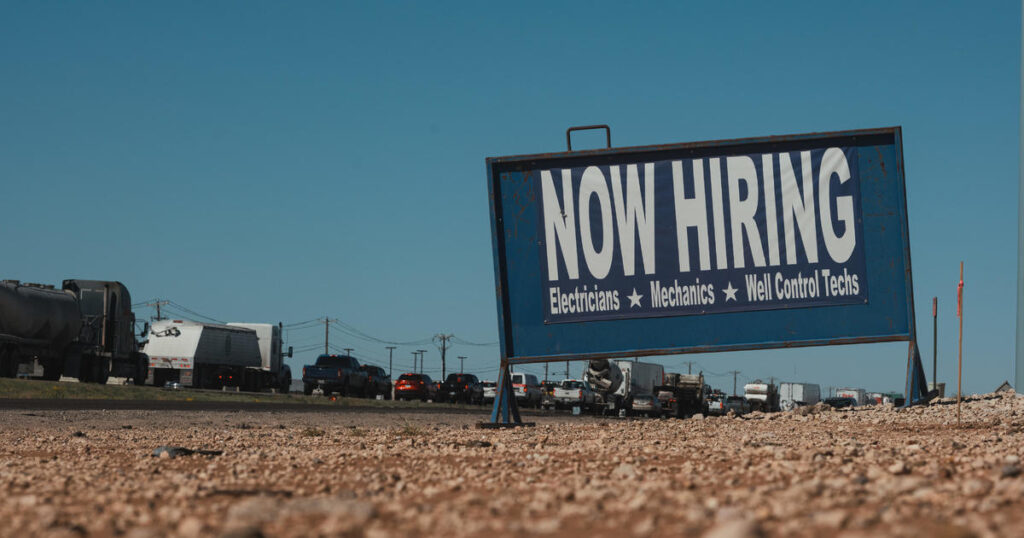
The U.S. job market remains strong according to the Labor Department's latest report, with the unemployment rate falling to 3.4%, tying for the lowest level since 1969. Nonfarm payrolls increased by 253,000, beating Wall Street estimates, and the more encompassing number that includes discouraged workers and those holding part-time jobs for economic reasons edged lower to 6.6%. This indicates that the job market is still strong despite the economic slowdown.
Posts tagged as “Andrey Fedyaev”
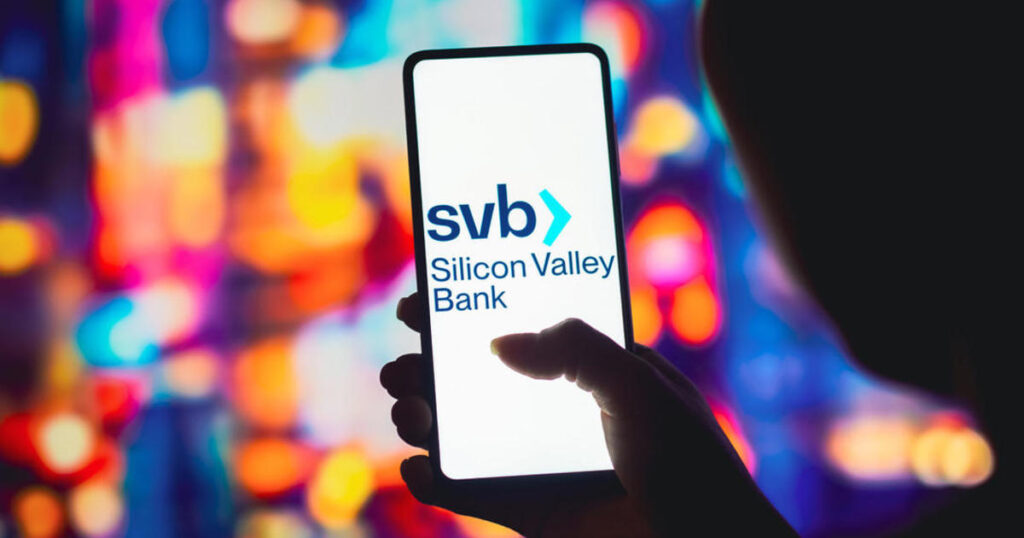
The Federal Reserve released a report on Friday that found the sudden collapse of Silicon Valley Bank last month was due to a combination of poor bank management, weakened regulations and lax government supervision. The report calls for increased transparency and accountability from the Fed, as well as for more stringent regulations and oversight of banks. It also recommends that banks be required to provide more detailed information to the Fed about their operations and financial health, and is likely to lead to changes in the way the Fed monitors banks.
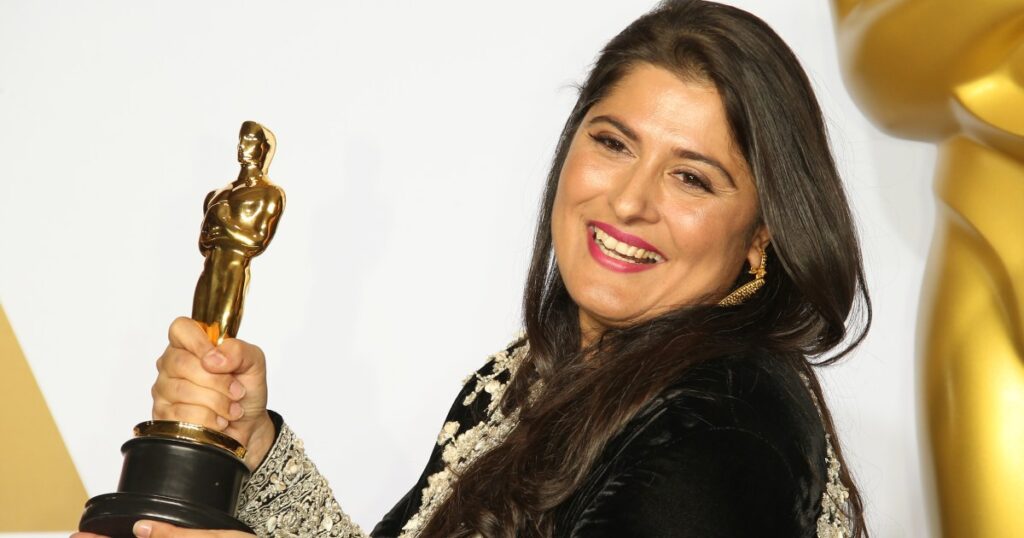
Lucasfilm has announced a new direction for the Star Wars franchise, with a new film to be directed by Sharmeen Obaid-Chinoy, an Academy Award-winning and International Emmy Award-winning director and journalist. The film will focus on Jedi Master Rey (Daisy Ridley) building a new Jedi order, and will draw on existing personalities and properties, while reflecting the role of animation in the series. This marks a new chapter for the beloved franchise, exploring themes of overcoming oppressive empires and battling impossible odds.
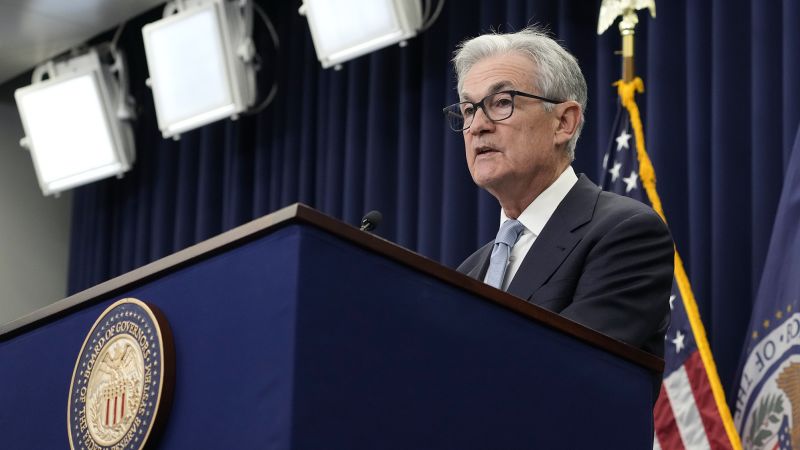
The Federal Reserve (Fed) announced on Wednesday that it is raising interest rates by a quarter of a percentage point, the ninth rate hike since March 2022. This decision is part of its ongoing efforts to slow the economy and battle stubbornly high inflation, but it runs contrary to the government's recent efforts to stabilize banks. Mark Zandi, chief economist of Moody’s Analytics, said that the Fed’s decision is “incongruous with efforts to re-establish the stability of the financial system.” It is unclear how the recent bank failures will affect the Fed’s decision-making going forward.
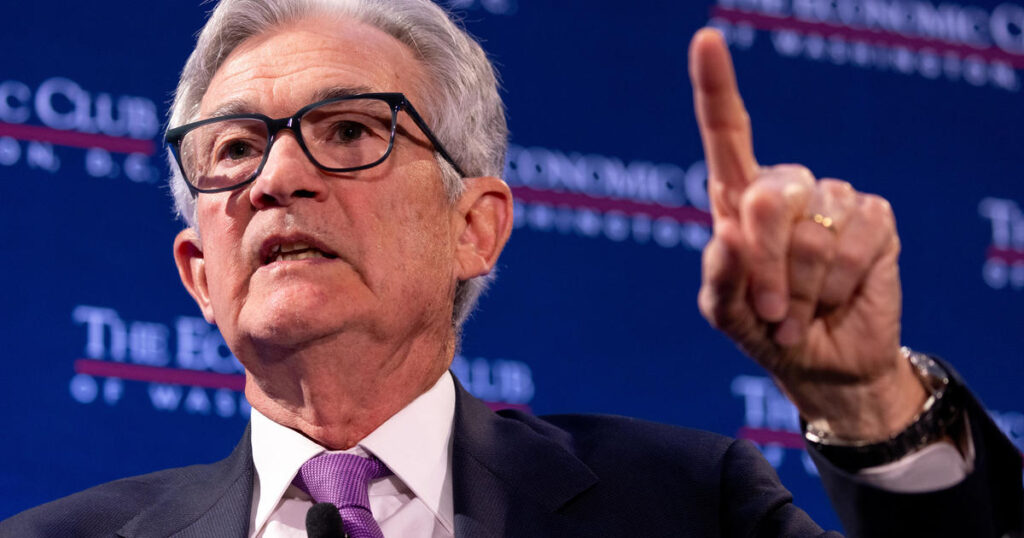
The Federal Reserve has raised its key interest rate by 0.25%, continuing its campaign against inflation. This rate hike is intended to help keep inflation at a rate of 2%, but could also make it more difficult for households and businesses to access credit, which could weigh on economic activity. The Fed's rate-setting committee noted that the U.S. banking system is sound and resilient, but cautioned that recent developments could have a negative effect on the economy.
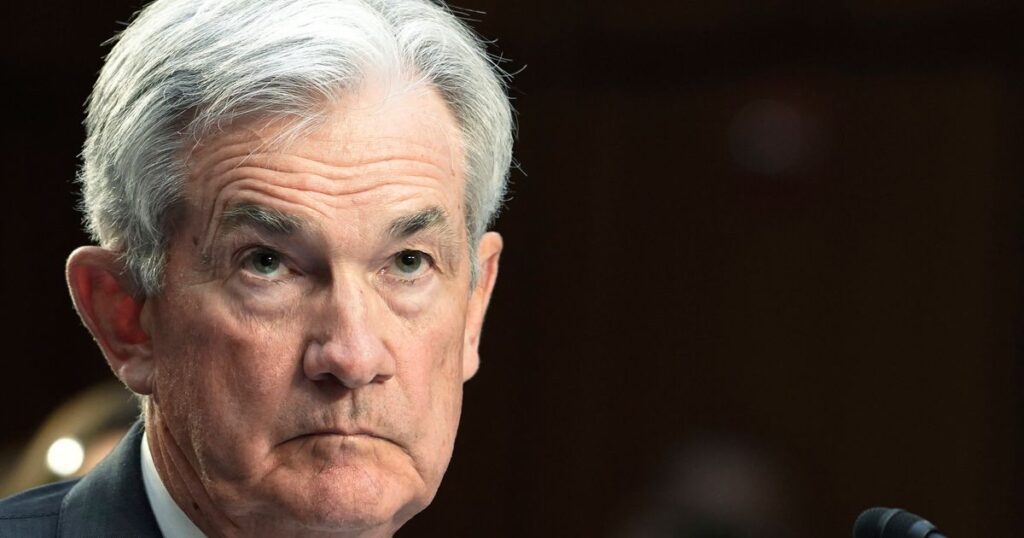
The Federal Reserve is facing a difficult decision as it meets to decide whether to keep raising interest rates or declare a pause. The decision is complicated by the jitters roiling the financial industry, the practice of regional banks in the Federal Reserve system inviting executives of the institutions they regulate to sit on their boards, and the hazier economic picture clouded by turmoil in the banking industry and still-high inflation. The outcome of the Fed's decision could have far-reaching implications for the banking industry and the economy as a whole.
Four of the country's most powerful banks have joined forces to provide a $30 billion cash infusion to First Republic Bank in response to the banking crisis, with the Biden administration guaranteeing uninsured deposits and the Federal Reserve announcing a new lending program. This move highlights the political peril of the sudden crisis and the hundreds of billions of dollars already involved in the federal government's response.
U.S. inflation slowed to an annual rate of 6% in February, according to the Consumer Price Index released by the U.S. Bureau of Labor Statistics. Food prices rose 0.4% since January, while energy costs were 5.2% higher year-over-year. Investors reacted positively to the news, with the S&P 500 rising 0.6% after the report was released, indicating relief that inflation is still high but heading lower. The Fed has said it will be patient with interest rate hikes until inflation is closer to its 2% target rate.