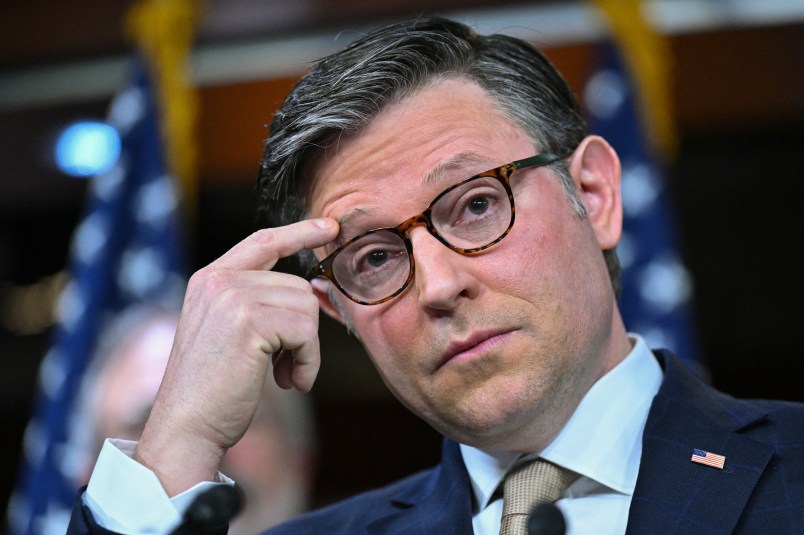
As the deadline for government funding approaches, the House of Representatives is set to vote on a stopgap funding bill endorsed by former President Donald Trump, aiming to prevent a government shutdown. Despite optimism from House Speaker Mike Johnson and Republican leaders, the bill faces opposition from House Democrats, led by Minority Leader Hakeem Jeffries, who criticize their exclusion from the bill's development and argue it fails to address their concerns. Internal dissent within the Republican Party, notably from Representative Thomas Massie, adds uncertainty to the vote's outcome, highlighting the challenges of bipartisan agreement and the political dynamics at play as both parties strive to keep the government operational.
Posts tagged as “Alabama Republican”
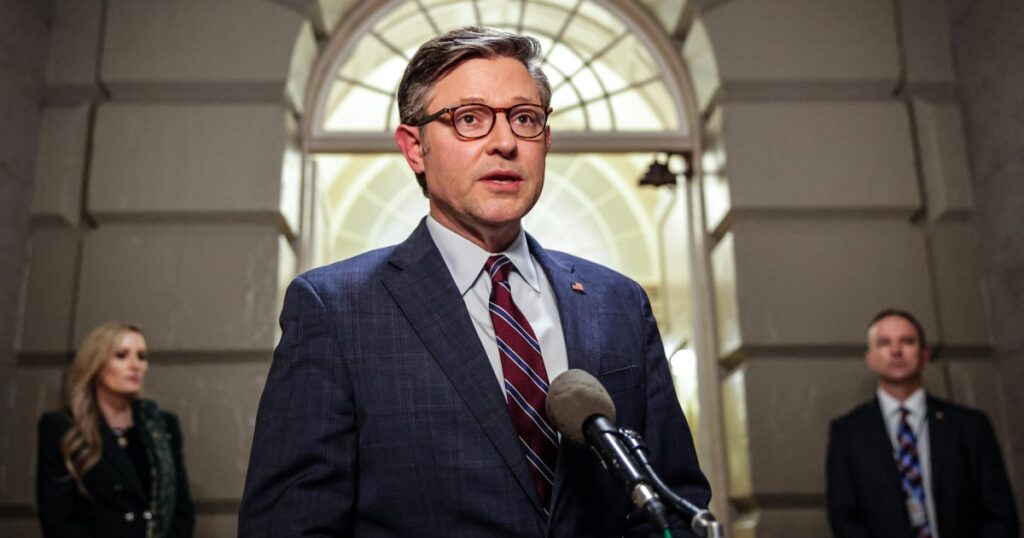
In a period of heightened tensions over the separation of powers, House Republicans have introduced a funding proposal to extend government funding until the end of fiscal year 2025, amidst significant spending cuts by Elon Musk's executive branch entity, DOGE. The proposed continuing resolution seeks to maintain government operations beyond the looming deadline, requiring a simple majority in the House and support from at least 60 senators to overcome a potential filibuster. With a government shutdown deadline approaching, House Speaker Mike Johnson is pushing for a vote on a six-month funding extension, facing criticism from Democrats for its military spending focus and exclusion from negotiations.
Senator Elissa Slotkin, a Democrat from Michigan, plans to withhold her vote on government funding unless the Trump administration assures that allocated funds will be spent according to congressional intent, highlighting concerns over executive overreach. As the deadline for a potential government shutdown approaches, the Senate faces a significant challenge, requiring bipartisan support to pass a continuing resolution, which emphasizes Congress's constitutional role in controlling government spending. This situation underscores the tension between the legislative and executive branches and the importance of congressional oversight, with the outcome impacting government operations and setting a precedent for future negotiations.
House Speaker Mike Johnson introduced a short-term funding bill to prevent a government shutdown by extending operations through September, with increased defense spending and decreased non-defense discretionary spending. The bill, scheduled for a House vote on Tuesday, is crucial as current funding expires late Friday night, aiming to maintain government operations and avert a shutdown. Notably, the bill includes an additional $6 billion for veterans' health services, reflecting a priority on veterans' health amidst reduced non-defense spending, and President Trump has expressed his willingness to sign it.
Republican senators have raised concerns about budget cuts proposed by Elon Musk, emphasizing the potential human and political consequences, and have engaged in discussions with Musk, who assured them that any cuts would require congressional approval. Concurrently, Justice Samuel Alito issued a strong dissent regarding a court ruling on a $2 billion payment for completed work, highlighting tensions over government financial obligations. Additionally, Secretary of State Marco Rubio and Transportation Secretary Sean Duffy criticized Musk for recent employee terminations, reflecting broader debates over the impact of cost-cutting measures on government operations, while a controversial Supreme Court decision has sparked backlash against Justice Amy Coney Barrett from conservative circles.
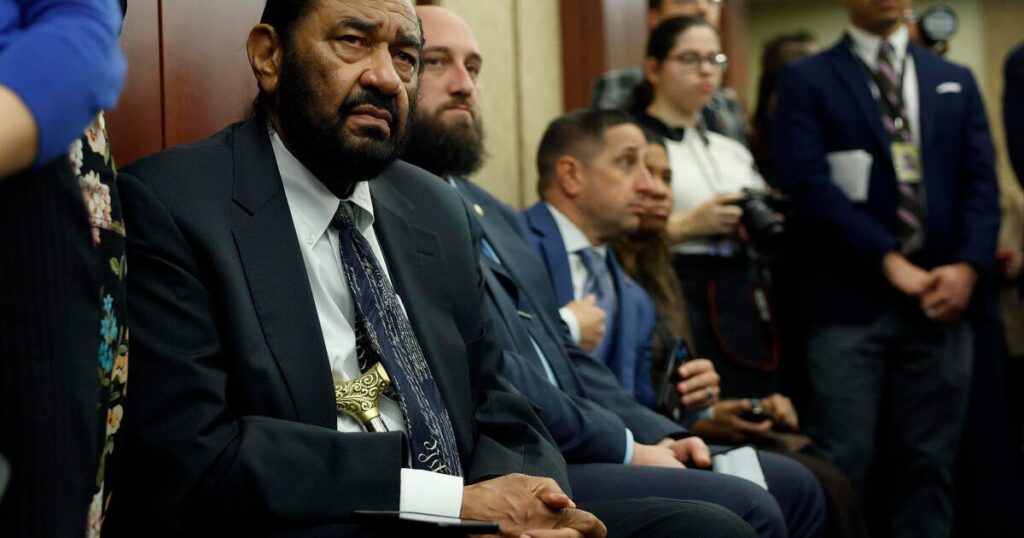
The U.S. House of Representatives voted to censure Representative Al Green, a Democrat from Texas, following his disruption during President Donald Trump's address to Congress, with the resolution passing 224-198. Initiated by Republican Representative Dan Newhouse, the censure required Green to stand in the well of the House as Speaker Mike Johnson read the resolution, highlighting tensions between Green and the Republican-controlled House. Despite some Democrats' attempts to table the resolution, the vote proceeded, underscoring the ongoing partisan dynamics and Green's contentious relationship with Trump's administration.
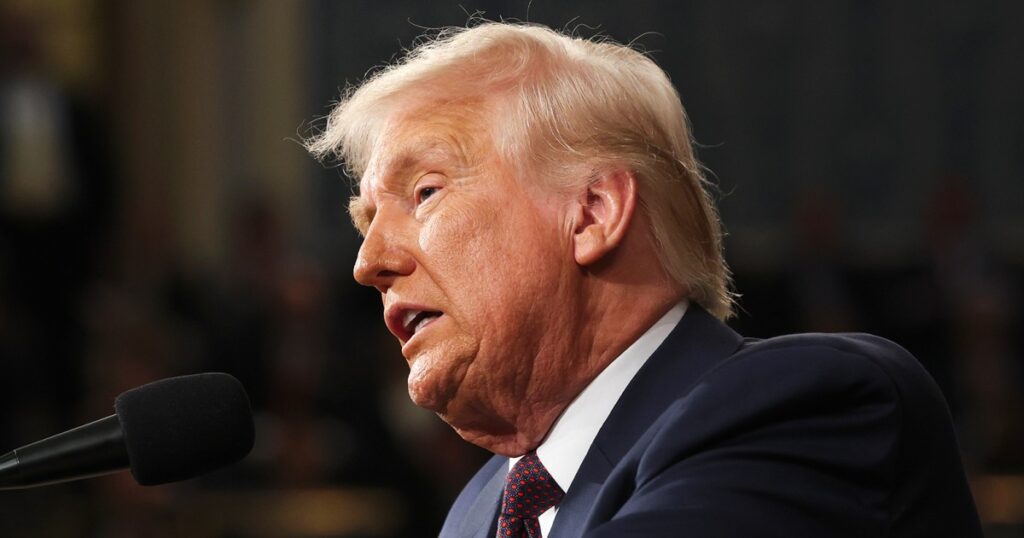
President Donald Trump addressed a joint session of Congress, emphasizing his electoral victory and outlining his legislative agenda, which included criticism of previous border policies and a focus on reshaping the nation. His speech, which was met with applause from Republicans, sparked protests from Democrats, particularly over cultural issues like transgender rights and diversity programs. The session was briefly interrupted by Rep. Al Green's protest, highlighting the deep partisan divide as Trump's administration moves forward with its plans.

The Biden administration has filed a lawsuit against Texas over its new immigration law, SB4, which allows state and local law enforcement to arrest, jail and prosecute migrants who may have entered the U.S. illegally. The Justice Department is seeking a court order to block the enforcement of the law, arguing that it is unconstitutional and violates federal law. The lawsuit is part of a series of legal battles between the Biden administration and Texas over immigration, the 2020 census, the Affordable Care Act, and voter ID laws.