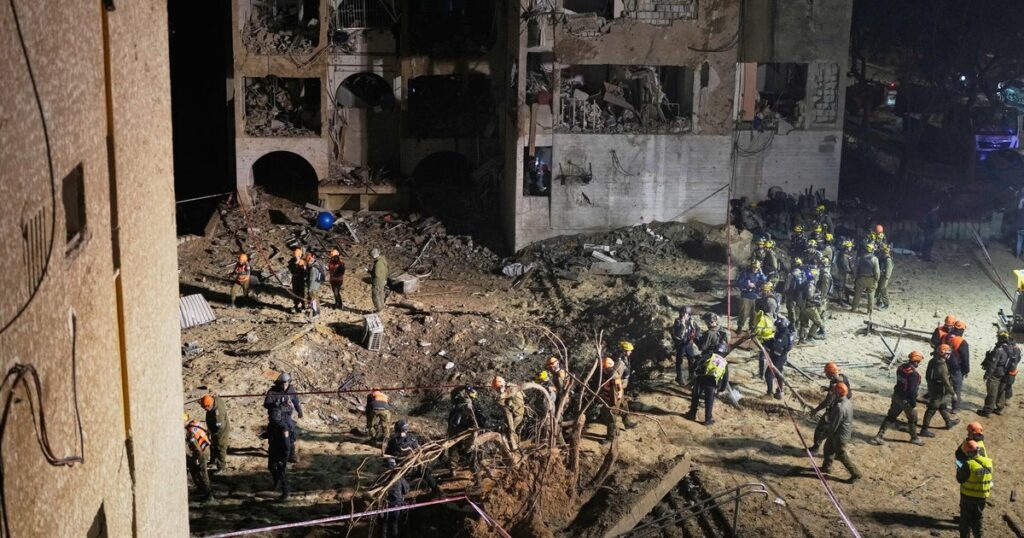
Iranian missile strikes targeted the Israeli towns of Dimona and Arad near the country’s main nuclear research center, injuring at least 90 people and causing significant damage. The attacks followed an airstrike on Iran’s Natanz nuclear facility and marked an escalation in the ongoing conflict, with Israeli officials condemning the strikes as reckless and strategically aimed at civilians. Meanwhile, U.S. intelligence testimony before Congress revealed differing objectives between the U.S. and Israel in the conflict and warned of potential broader regional impacts, including threats to U.S. forces and disruptions to global oil supplies.
Posts tagged as “Advancing American Freedom”
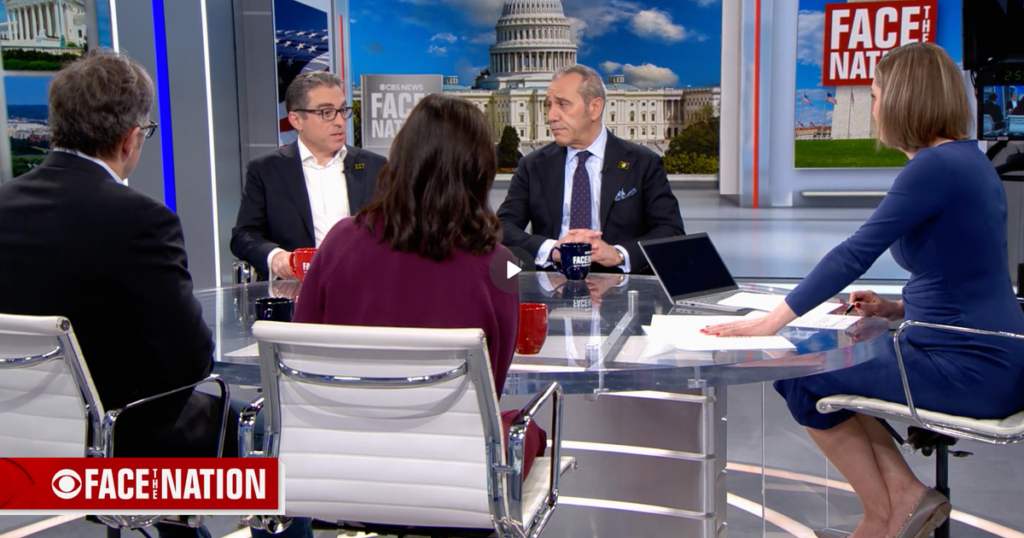
Tensions between the U.S. and Iran have heightened concerns over the safety of at least four American detainees held in Iran’s volatile prisons amid ongoing conflict and unrest. Meanwhile, the U.S. government is considering various military options, including potential ground troop deployments, to counter Iran’s strategic capabilities and secure key regional assets like the Strait of Hormuz. These developments occur alongside complex regional dynamics, with strained U.S.-Israel coordination following unilateral Israeli strikes on Iranian targets, highlighting the challenges of balancing humanitarian concerns with broader military and diplomatic strategies.
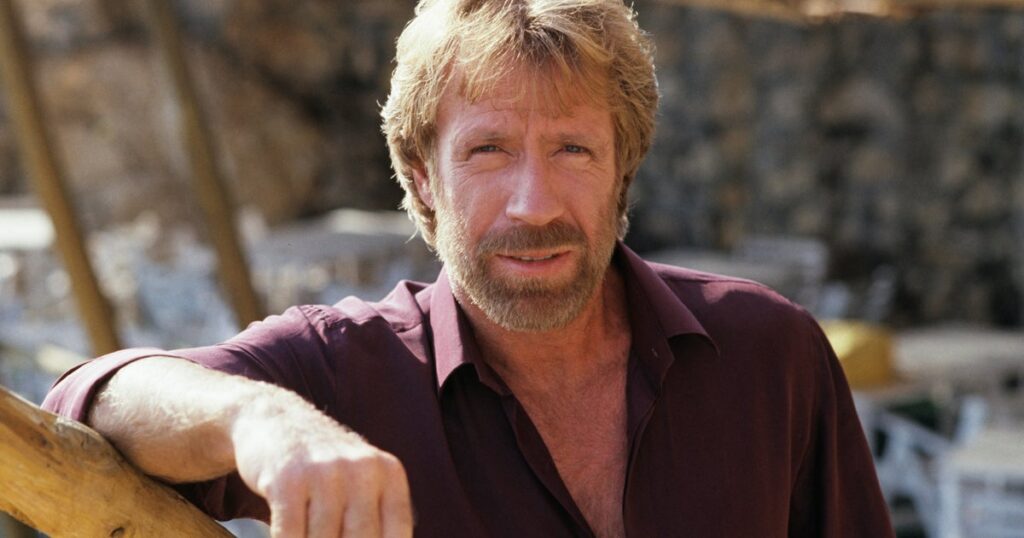
Chuck Norris, the legendary martial artist and actor famous for his role in "Walker, Texas Ranger," has died at age 86, with his family announcing his peaceful passing surrounded by loved ones. Born in Oklahoma, Norris was a six-time undefeated karate champion who later transitioned to a successful acting career, becoming a cultural icon through his action films and television work. Beyond entertainment, he was known for his conservative political views, Christian faith, and widespread internet fame through "Chuck Norris facts," leaving behind a legacy celebrated by fans and public figures alike.

The U.S. Department of Justice seized four internet domains linked to Iranian government-backed hacking groups involved in cyberattacks, data theft, and intimidation of dissidents, including threats against individuals in the U.S. These groups, such as Handala and Homeland Justice, have targeted entities like a U.S. medical technology company and foreign governments, using custom malware and psychological warfare tactics. The seizures come amid heightened regional tensions following recent U.S. and Israeli military actions against Iran, with U.S. officials vowing to continue countering Iranian cyber threats to national security.
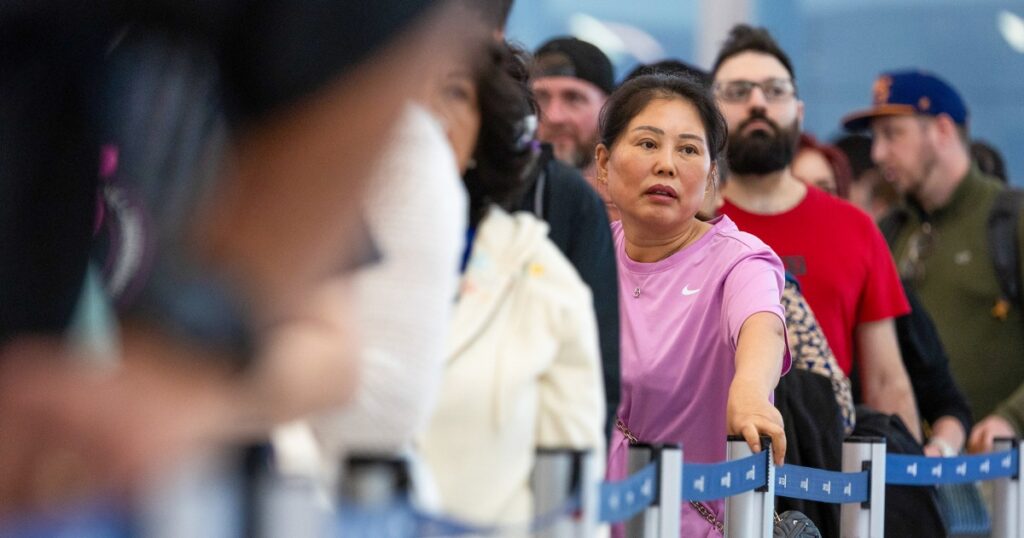
Bipartisan talks to end the partial shutdown of the Department of Homeland Security (DHS) saw progress during a recent meeting between senators and the White House’s border czar, Tom Homan, though no agreement was reached. The shutdown, which began February 14, has caused significant disruptions, including unpaid federal workers and TSA staffing shortages leading to airport delays. Despite proposals from the administration to negotiate on immigration enforcement reforms, Democrats insist on substantial changes to ICE policies before funding DHS, while Republicans demand funding the entire department, leaving the standoff unresolved as the Senate’s recess approaches.
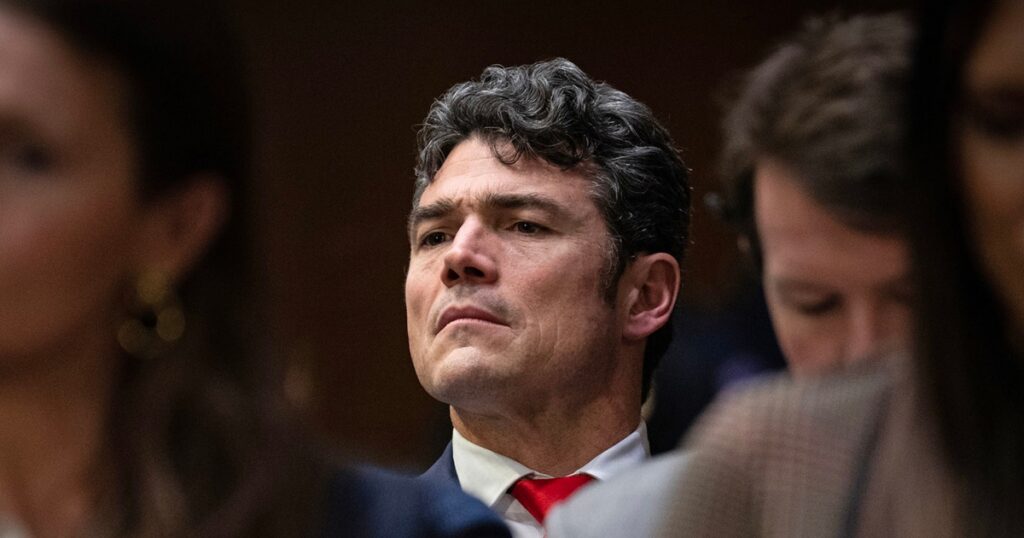
The FBI is investigating Joe Kent, former director of the National Counterterrorism Center, for alleged leaks of classified information, with the probe beginning before his recent resignation over opposition to the Trump administration’s decision to go to war with Iran. Kent criticized the administration’s rationale, claiming there was no imminent Iranian threat and that the war decision was influenced by Israeli pressure, while the Trump administration and intelligence officials have disputed his claims. His resignation has sparked debate among political and intelligence circles, with former President Trump calling Kent “weak on security” and reaffirming the threat posed by Iran.
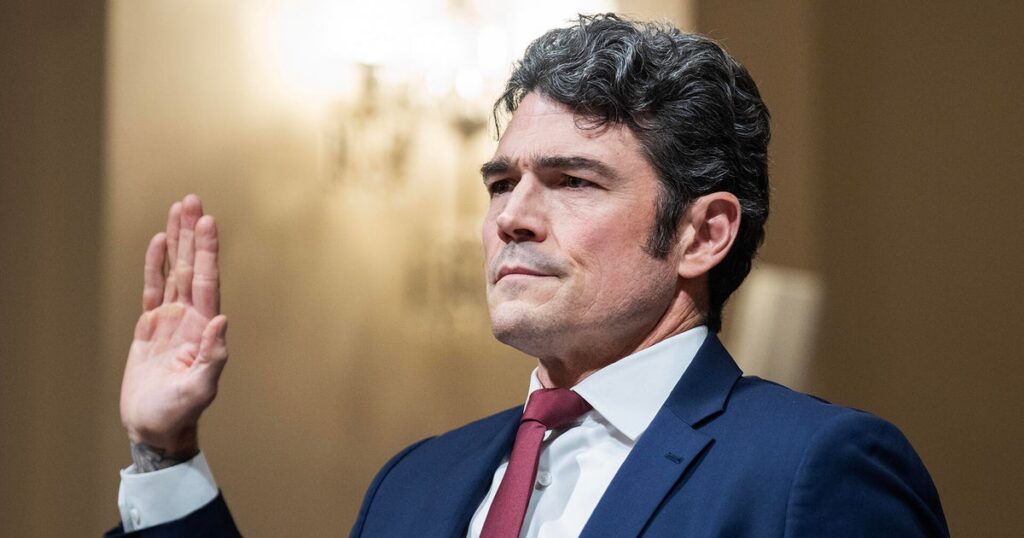
Joe Kent, director of the National Counterterrorism Center and a former Trump supporter, resigned amid controversy over U.S. military actions against Iran, criticizing the administration’s war rationale and alleging misinformation campaigns by Israeli officials and American media. His departure sparked backlash from Republican leaders who condemned his claims as anti-Semitic, while Kent’s past associations with far-right figures and conspiracy theories further complicated his tenure. Concurrently, Director of National Intelligence Tulsi Gabbard testified on Iran’s diminished but ongoing threat, underscoring internal divisions and political pressures shaping U.S. policy toward the conflict.
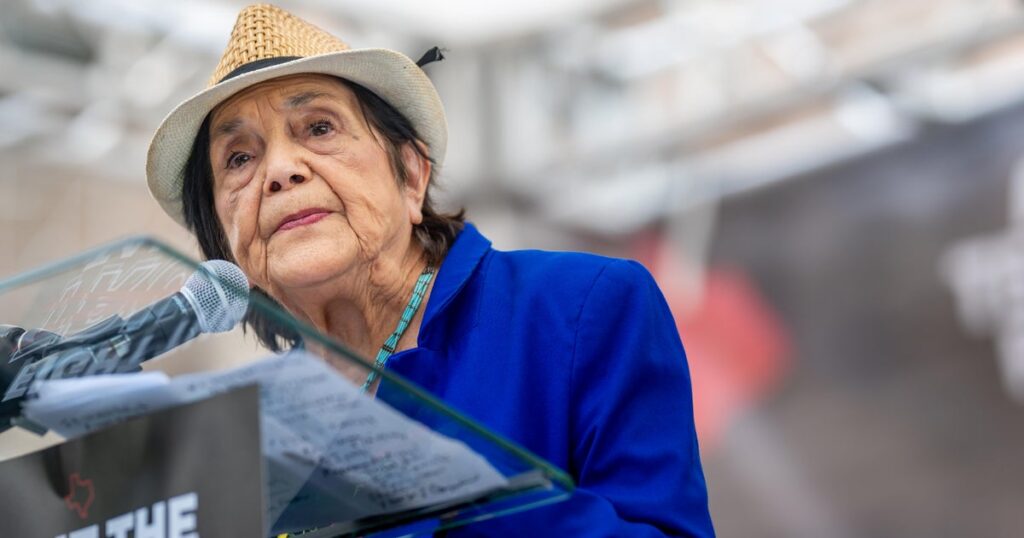
Labor leader Dolores Huerta has accused the late Cesar Chavez, co-founder of the United Farm Workers, of sexually abusing her twice in the 1960s, corroborating recent allegations that Chavez also molested other young women and minors. Huerta revealed she kept silent for decades to protect the farmworker movement but now identifies as a survivor and condemns Chavez’s actions, while the UFW and related organizations have distanced themselves from his legacy. The allegations have sparked shock and sadness, leading to cancellations of Cesar Chavez Day events and raising significant concerns within the Mexican American and Latino communities.