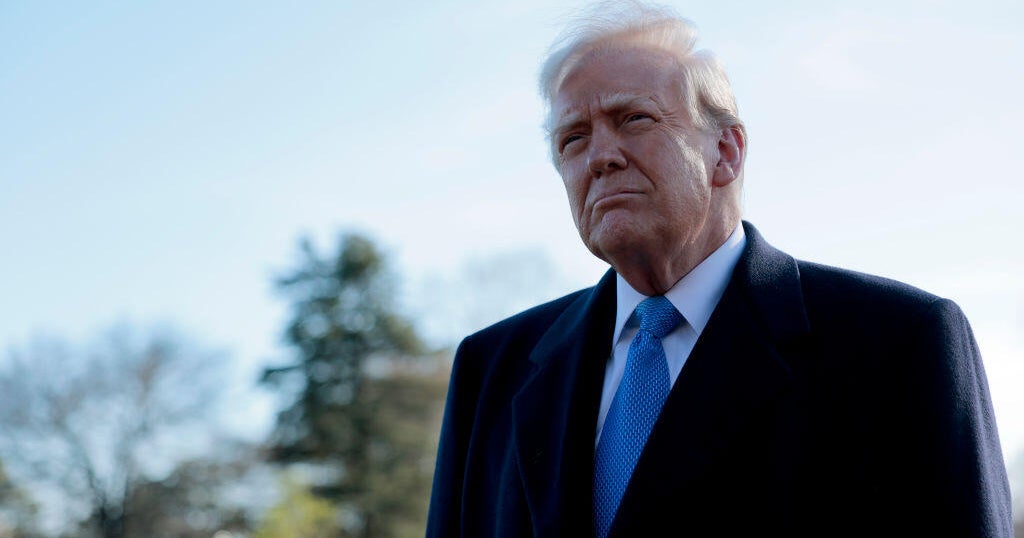
The Trump administration has announced plans to terminate temporary legal status for over 530,000 individuals from Cuba, Haiti, Nicaragua, and Venezuela, who arrived in the U.S. through parole programs established during the Biden administration. This decision, outlined in a Federal Register document, will take effect in late April, requiring those affected to leave the country or face deportation. The move reflects the Trump administration's broader immigration policy objectives and has sparked discussions about its implications for the affected communities and the overall immigration landscape.
Posts tagged as “4th U.S. Circuit Court of Appeal”
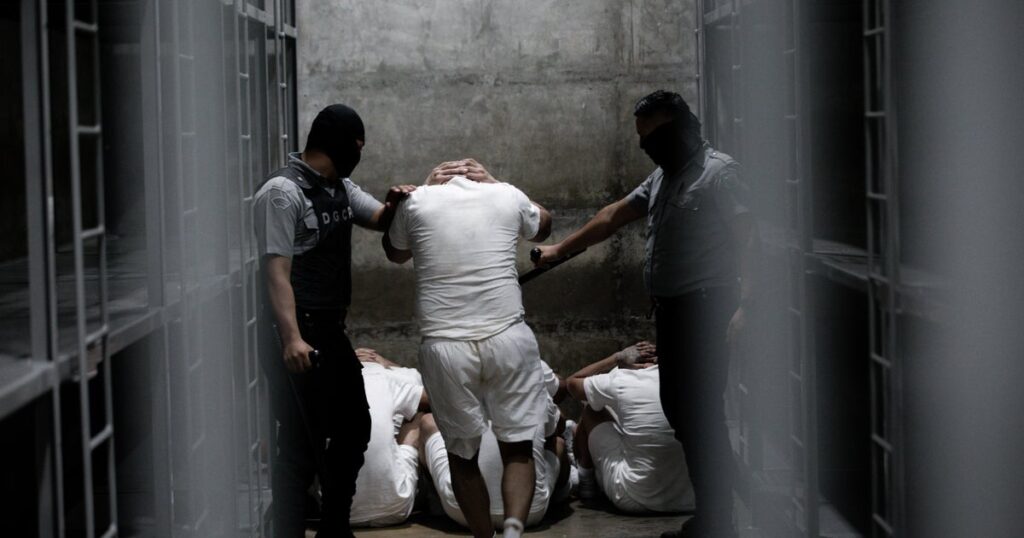
U.S. District Judge James Boasberg has blocked the administration from using the Alien Enemies Act to deport Venezuelan nationals to El Salvador, following a hearing where he criticized the Justice Department's actions and language as disrespectful. The judge highlighted the administration's failure to comply with a previous order to reverse deportation flights, raising concerns about legal protocol adherence and due process for affected individuals. This ruling has sparked discussions on balancing national security with individual rights, emphasizing the judiciary's role in overseeing executive actions related to immigration and national security.
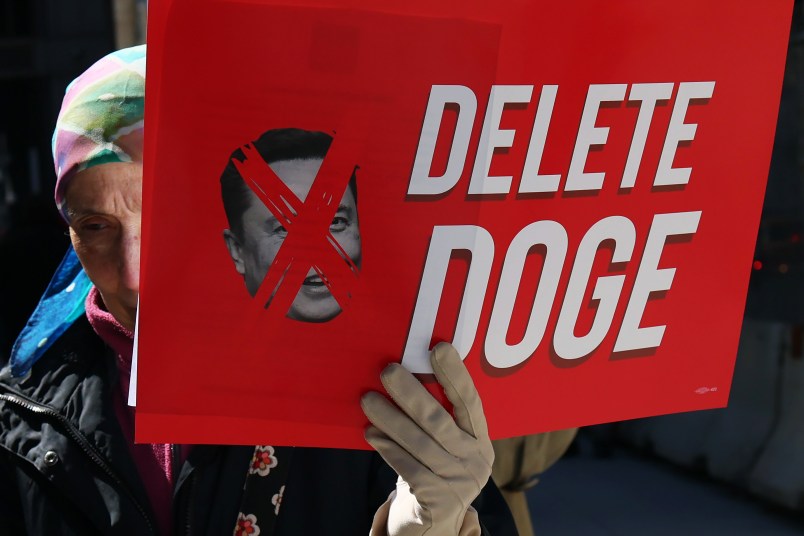
Several federal judges have expressed concerns about the Trump administration's approach to advancing its policies, amid criticism from Trump and his supporters towards the judiciary. U.S. District Judge Ellen Lipton Hollander issued a temporary restraining order against the Department of Justice's DOGE Team, criticizing their efforts to access personal information from the Social Security Administration as lacking substantial evidence. Additionally, tensions have escalated with former President Trump calling for the impeachment of a judge who halted deportations, highlighting the ongoing friction between the executive branch and the judiciary.
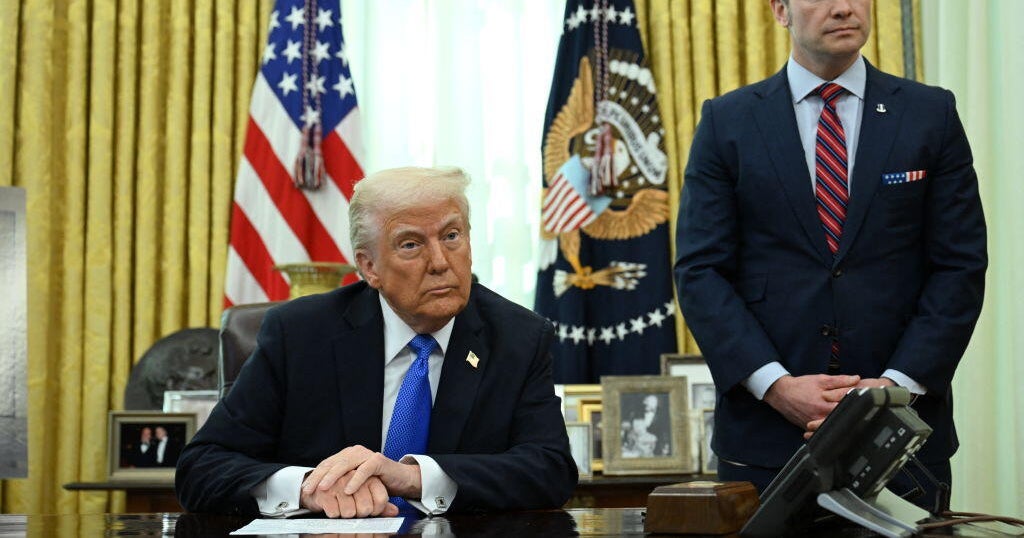
President Trump announced that the U.S. Air Force is developing a sixth-generation fighter jet, the F-47, with Boeing awarded the manufacturing contract to maintain the U.S.'s competitive edge in air defense against China. This decision highlights the strategic importance of advancing military aviation capabilities as part of a broader national security effort. Meanwhile, Senators Elizabeth Warren and Tammy Duckworth have requested clarification from the Defense Department about a Pentagon meeting involving Elon Musk, questioning whether he received a top-secret briefing on U.S. war plans with China, emphasizing the need for scrutiny over the handling of classified information.
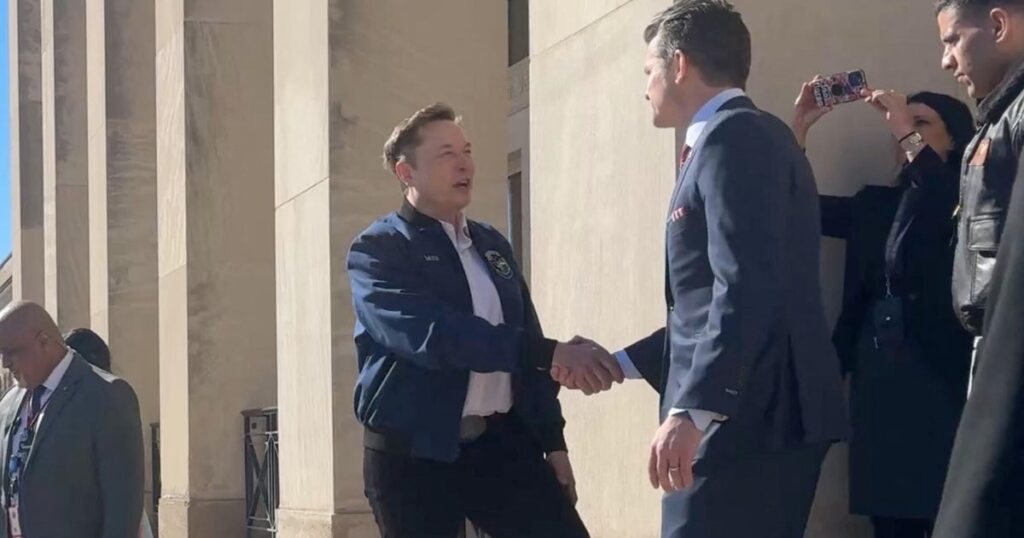
Elon Musk, CEO of Tesla and SpaceX, met with Defense Secretary Pete Hegseth at the Pentagon to discuss innovation and production efficiencies, with Musk describing the meeting as positive. Despite reports suggesting Musk would be briefed on U.S. military plans regarding China, Hegseth refuted these claims, emphasizing the meeting's focus on technological advancements. Musk expressed his willingness to support the Department of Defense, highlighting the collaboration between the U.S. military and private sector leaders to enhance national defense capabilities.
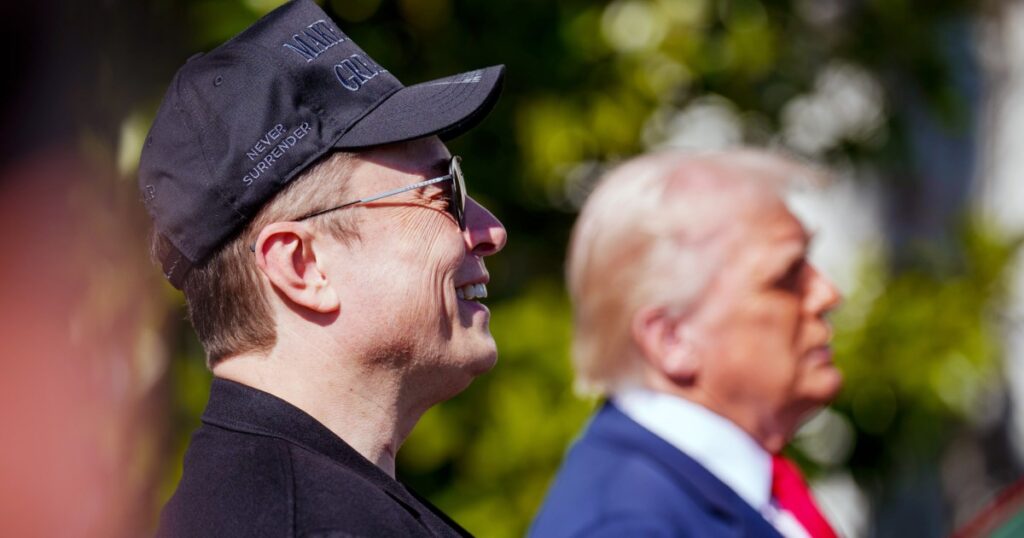
Billionaire Elon Musk has become a significant figure in the political landscape, particularly through his support for former President Donald Trump's administration and efforts to reshape federal bureaucracy. Musk's involvement includes founding a super PAC that is a major spender in the Wisconsin state Supreme Court election and advocating for the impeachment of federal judges who have blocked Trump's executive actions. Additionally, Musk has shown a willingness to financially support Trump loyalists in Congress, using his resources strategically to influence political outcomes and further his commitment to impacting U.S. governance.
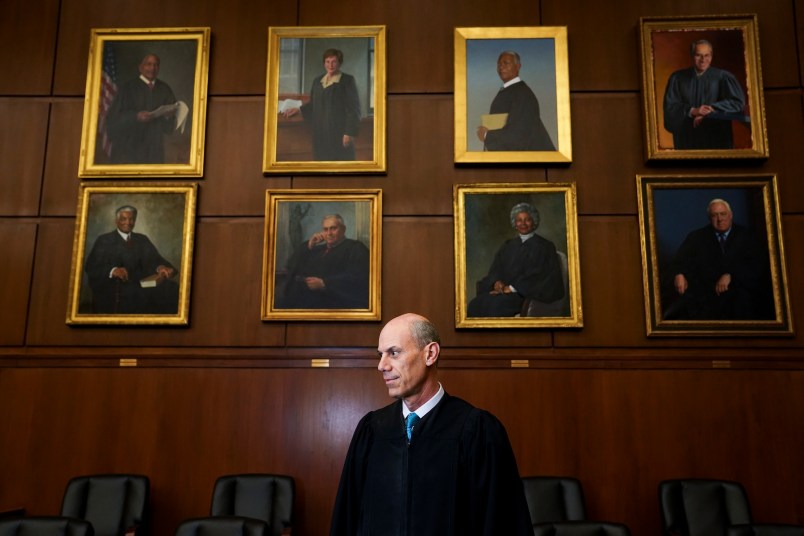
A federal judge has criticized the U.S. government's inadequate response to requests for detailed information about deportation flights conducted under the Alien Enemies Act, involving individuals linked to a Venezuelan gang. The judge's ruling highlights tensions between the judiciary and the executive branch over the Trump administration's use of this seldom-invoked wartime law, raising questions about the balance between national security and legal protocols. As the case progresses, the demand for transparency and accountability could significantly impact future applications of the Alien Enemies Act and the rights of those affected.

A graduate student from India, Badar Khan Suri, was detained by federal immigration authorities outside his residence in Virginia, with agents citing the revocation of his student visa. The detention is reportedly linked to the Trump administration's increased scrutiny of campus activists, as Suri is alleged to have connections to a Hamas official, prompting his attorneys to challenge the legality of his detention in federal court. Suri's attorney, Hassan Ahmad, has criticized the detention, asserting Suri's innocence and highlighting the community support Suri has received since his arrest.