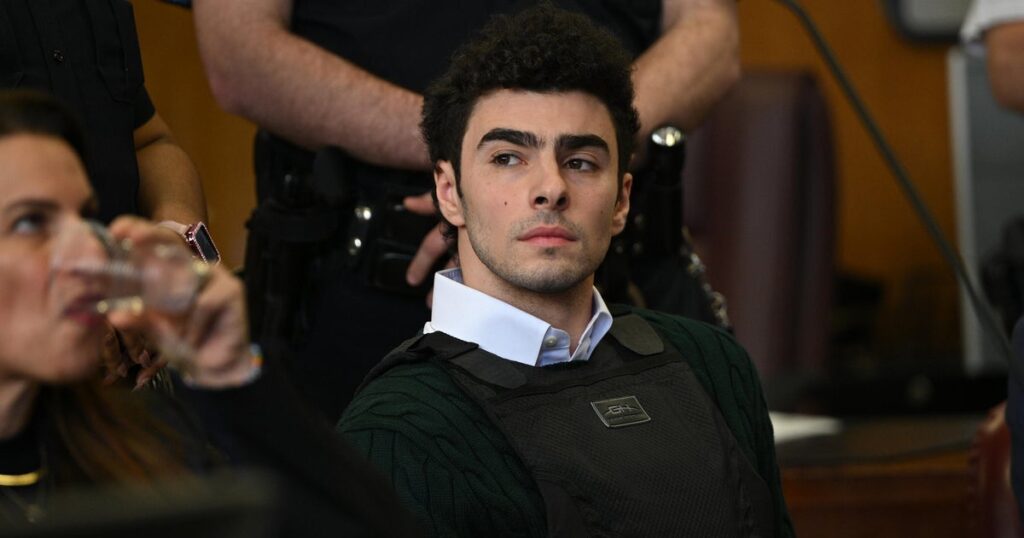
Luigi Mangione, charged with the murder of UnitedHealthcare CEO Brian Thompson, has pleaded not guilty in a federal court in Manhattan. The charges against him include stalking, a firearm offense, and murder through the use of a firearm, with the prosecution seeking the death penalty due to the severity of the crime. The high-profile nature of the case has drawn significant attention, and the legal proceedings will be closely watched as both sides prepare for trial.
Posts tagged as “4th U.S. Circuit Court of Appeal”
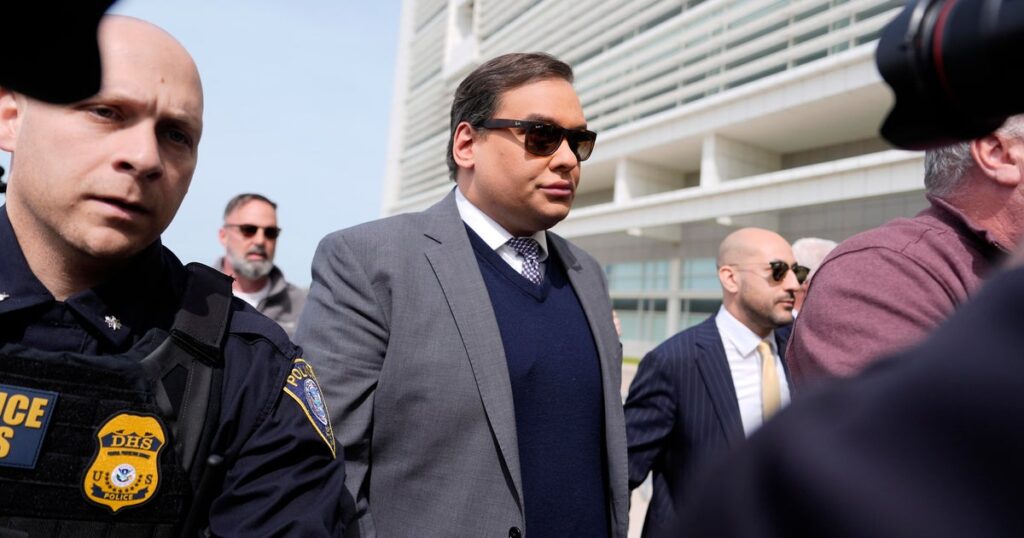
Former U.S. Representative George Santos has been sentenced to 87 months in prison for federal wire fraud and identity theft, with an order to pay nearly $374,000 in restitution. U.S. District Judge Joanna Seybert delivered the maximum sentence, emphasizing the severity of Santos' offenses, which involved fabricating his background to deceive voters and donors. U.S. Attorney John Durham highlighted the case's significance for electoral integrity, stressing that the sentence serves as justice and a deterrent against undermining public trust in the political process.

Russian Foreign Minister Sergey Lavrov announced that Russia is open to a deal with the United States regarding the conflict in Ukraine, though some aspects need further refinement. The situation remains tense following a deadly Russian strike on Kyiv, and Kyiv's mayor has acknowledged the possibility of ceding territory to secure peace. Negotiations, brokered by the Trump administration, reveal significant divides between Ukraine, Russia, and the U.S., with Lavrov expressing optimism about progress despite these challenges.
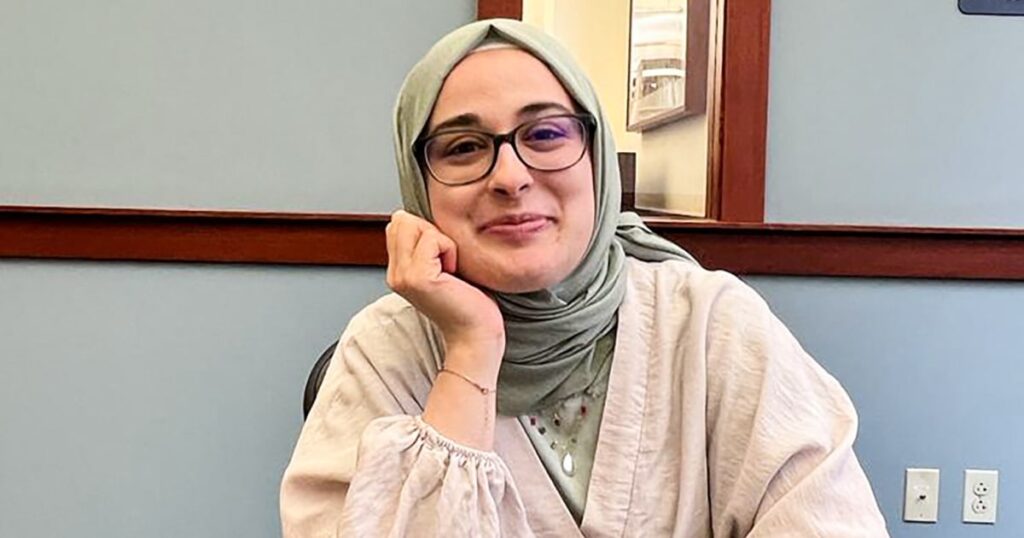
Attorneys for Columbia University activist Mahmoud Khalil have requested the termination of his deportation proceedings, citing his warrantless arrest by ICE, which the Trump administration has acknowledged. In a related case, a federal judge has ordered the transfer of Tufts University student Rümeysa Öztürk to Vermont, where she is challenging her detainment, despite the government's request to delay the move. These cases highlight the legal challenges and complexities surrounding immigration enforcement, potentially impacting broader discussions about deportation rights and procedures in the United States.
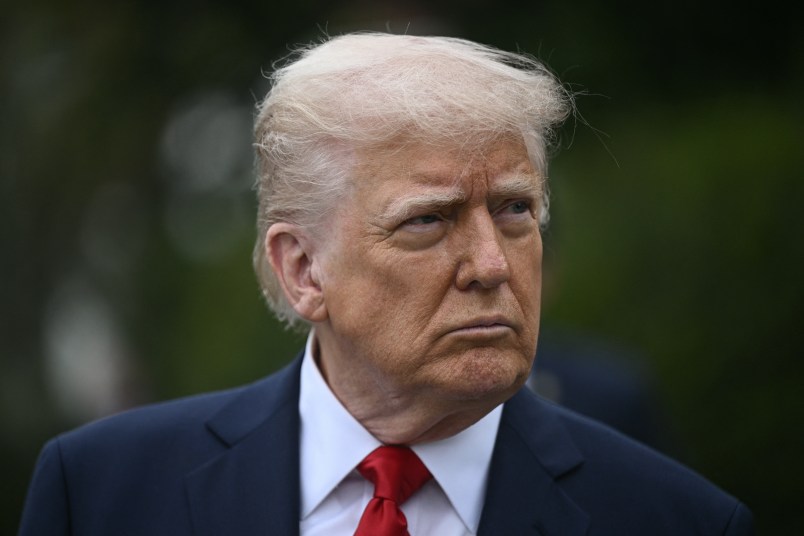
A federal judge has temporarily blocked parts of an executive order from former President Donald Trump that required documentary proof of U.S. citizenship for voter registration, following challenges from voting rights groups. U.S. District Judge Colleen Kollar-Kotelly's ruling prevents the Election Assistance Commission and several federal departments from enforcing these requirements, emphasizing the need to maintain established voting procedures. This legal development highlights the judiciary's role in scrutinizing executive actions affecting the electoral process and contributes to the ongoing debate over voting rights and election security in the United States.
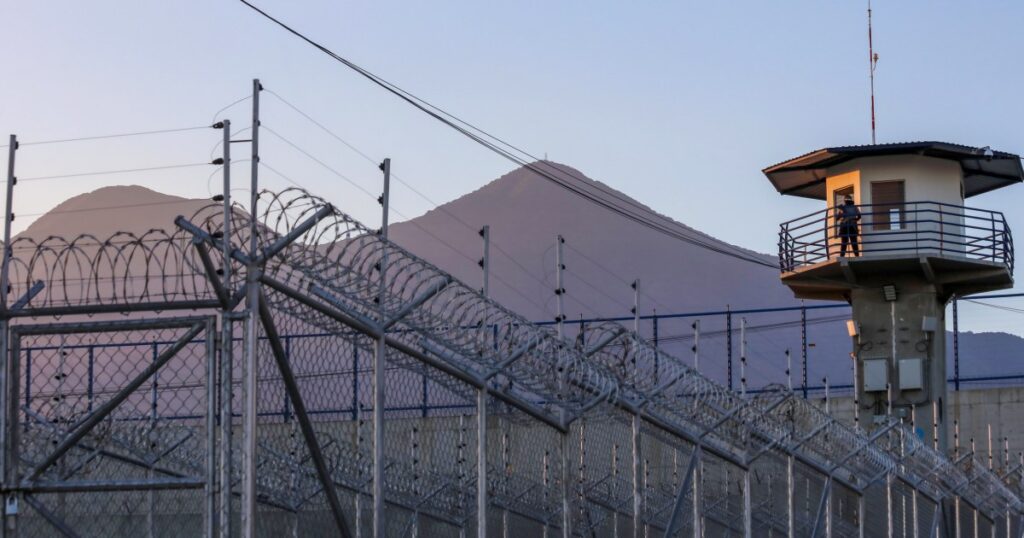
A federal judge has ordered the return of Kilmar Abrego Garcia, a Venezuelan migrant deported to El Salvador, ruling that his removal violated a court settlement protecting individuals awaiting asylum decisions. The deportation, linked to the Trump administration's controversial AEA Proclamation, has sparked legal disputes, with Judge Stephanie A. Gallagher emphasizing non-compliance with settlement terms. Meanwhile, a temporary pause in the case has been agreed upon, allowing for further negotiations and potential resolution, as the government seeks to address the situation.

In a major escalation of hostilities, Russia launched a severe overnight bombardment on Ukrainian cities, killing at least nine people and injuring over 70, particularly devastating Kyiv. Ukrainian President Volodymyr Zelenskyy, who was in South Africa seeking support to end the four-year conflict, announced his immediate return to address the destruction and criticized Russia for its continued aggression. The attack, occurring shortly after former U.S. President Donald Trump claimed to have brokered peace agreements, highlights the fragile nature of peace efforts and has drawn international attention and calls for accountability.
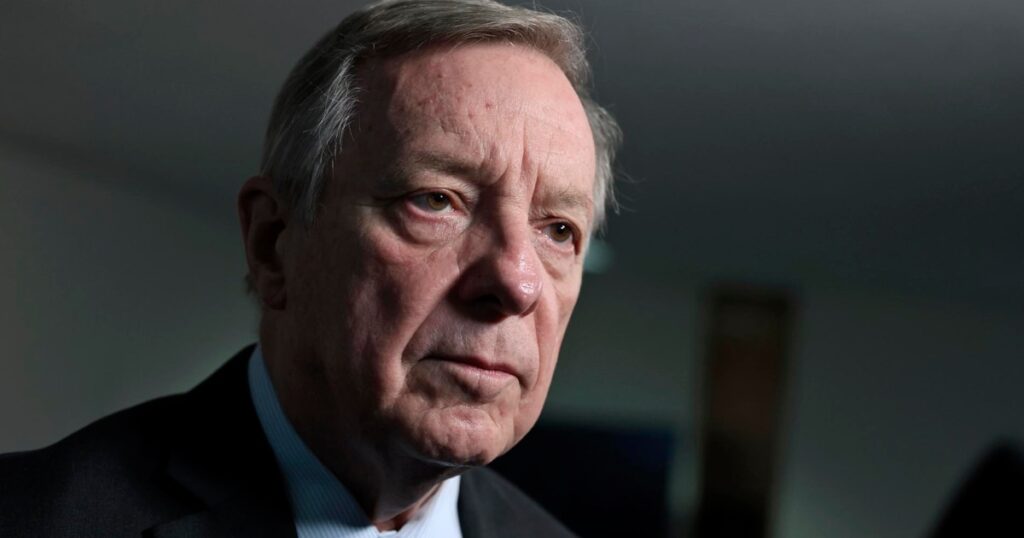
Illinois Governor JB Pritzker is considering a boycott against El Salvador in response to President Nayib Bukele's cooperation with the Trump administration, which allegedly violated the due process rights of a deported Maryland resident. To exert pressure on El Salvador, Pritzker has directed state pension funds and procurement agencies to identify and potentially divest from any investments or contracts with the country. This action reflects a broader trend of state-level involvement in foreign policy, particularly concerning human rights issues, and highlights the complexities of international relations influenced by domestic politics.