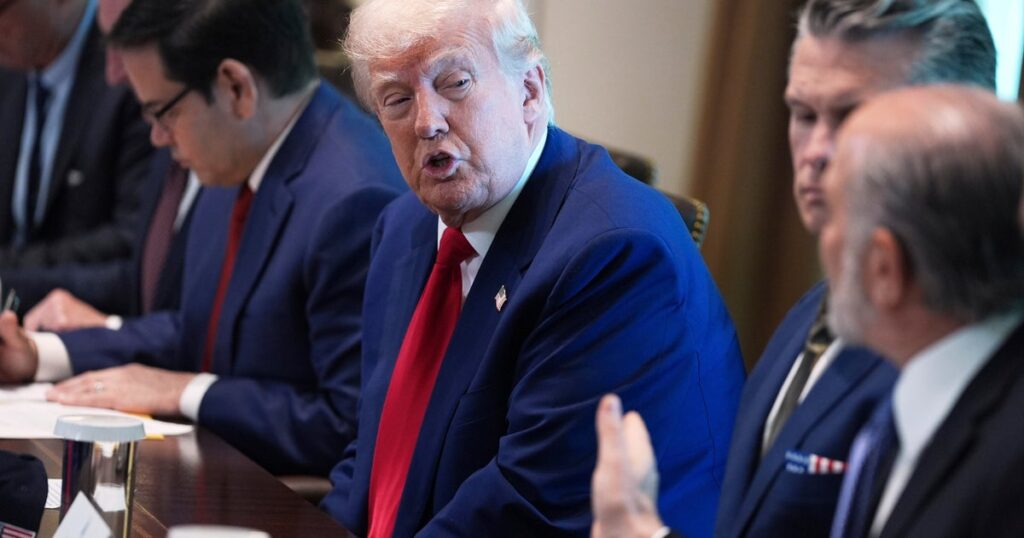
President Donald Trump has addressed concerns about tariffs on Chinese imports, asserting that the primary burden falls on China, though acknowledging potential temporary impacts on American consumers, such as reduced availability of certain goods and slightly higher prices. During a Cabinet meeting, he emphasized that the economic strain is greater for China and suggested that many Chinese imports are non-essential for Americans, potentially limiting the impact on the U.S. market. Despite criticism that the tariffs could cause domestic economic challenges, Trump defends them as necessary for correcting trade imbalances and protecting American industries, while also dealing with frustrations over stalled Russia-Ukraine peace talks, adding complexity to his foreign policy agenda.
Posts tagged as “4th U.S. Circuit Court of Appeal”
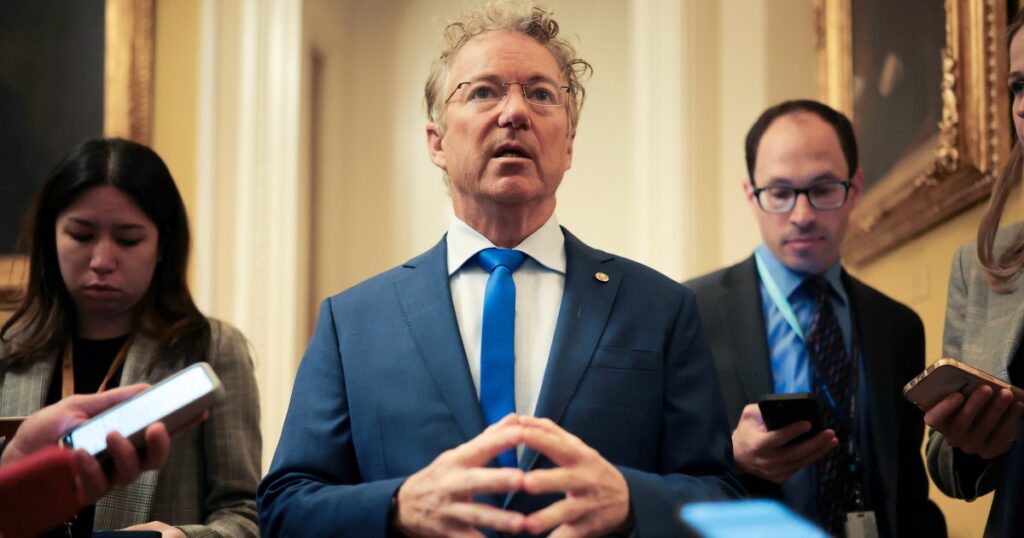
The United States Senate is set to vote on a resolution to block President Trump's "Liberation Day" tariffs, which were imposed under a national emergency declaration. Spearheaded by Senators Ron Wyden and Rand Paul, the bipartisan effort seeks to nullify the tariffs due to concerns about their economic impact, though it faces an uncertain future in the Republican-controlled House of Representatives. The vote highlights the ongoing tension between the executive and legislative branches over trade policy, with significant implications for international trade and the domestic economy.
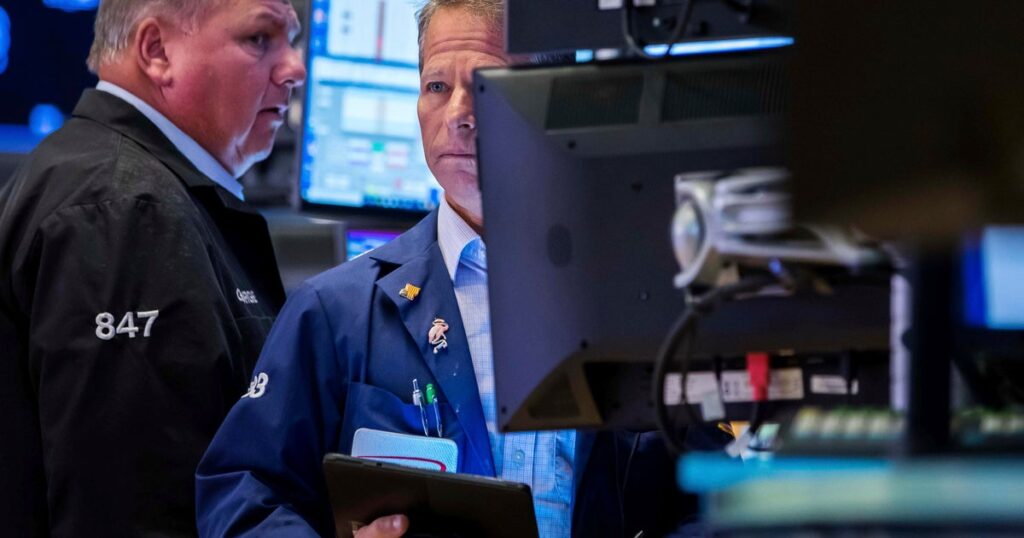
The U.S. Commerce Department reported a 0.3% contraction in the nation's GDP for the first quarter of 2025, a shift from the 2.4% growth in the previous quarter, primarily due to increased imports and slowing in other economic sectors. This news led to a significant drop in the stock market, with the S&P 500, Dow Jones Industrial Average, and Nasdaq Composite all experiencing declines, reflecting investor concerns. Additionally, persistent inflation and rising government bond yields present further challenges for policymakers as they address the complexities of the current economic landscape.
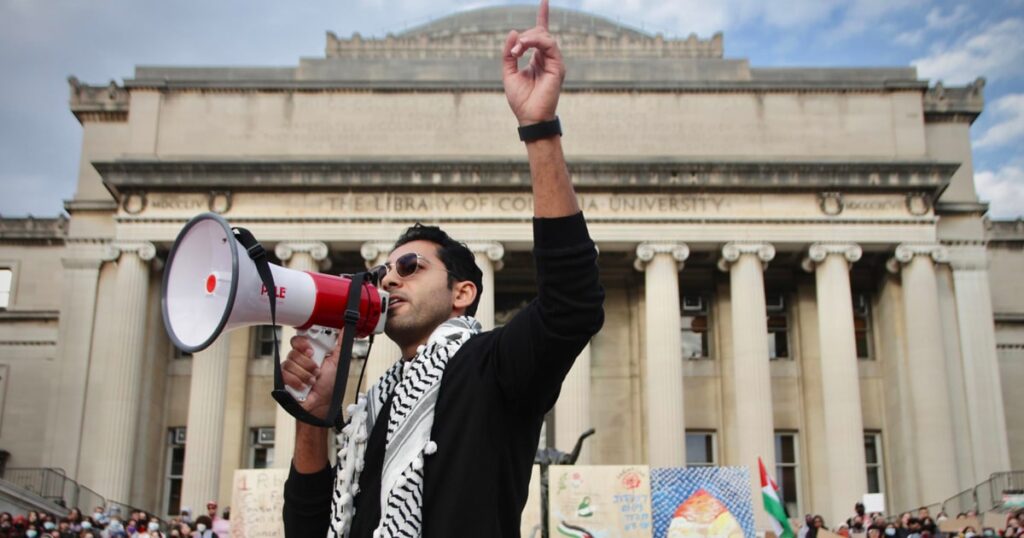
Columbia University student Mohsen Mahdawi, a Palestinian and U.S. permanent resident, was released on bail after being detained by immigration authorities during his naturalization interview, with his attorneys arguing the detention was politically motivated due to his involvement in pro-Palestinian protests. His case has sparked discussions about the intersection of immigration enforcement and political activism, particularly concerning the rights of non-citizens participating in political demonstrations. Mahdawi's release and public statements underscore the broader struggle for freedom and may influence future cases involving similar circumstances.
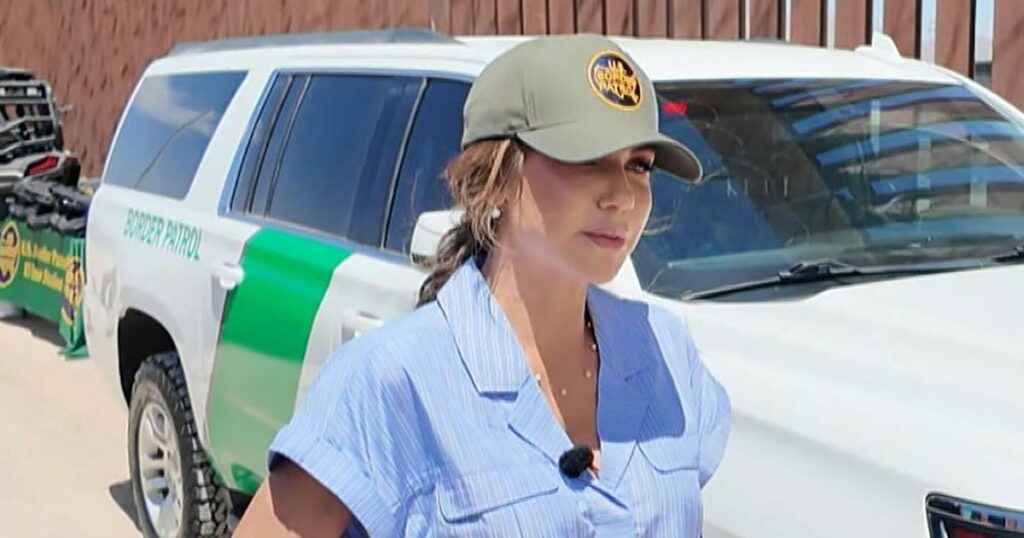
More than 40 Democratic members of Congress have expressed concerns about Customs and Border Protection (CBP) practices, citing increased denials of entry and reports of harsh questioning and arbitrary detentions. A notable incident involving the deportation of a 2-year-old U.S. citizen to Honduras has intensified scrutiny of the administration's immigration policies, with Homeland Security Secretary Kristi Noem explaining the child's deportation was at the mother's request. As the administration reports a significant decrease in illegal border crossings, incidents like the detention of an American citizen questioning her travel partner's treatment have fueled ongoing debates over border officials' conduct and calls for greater transparency and accountability.
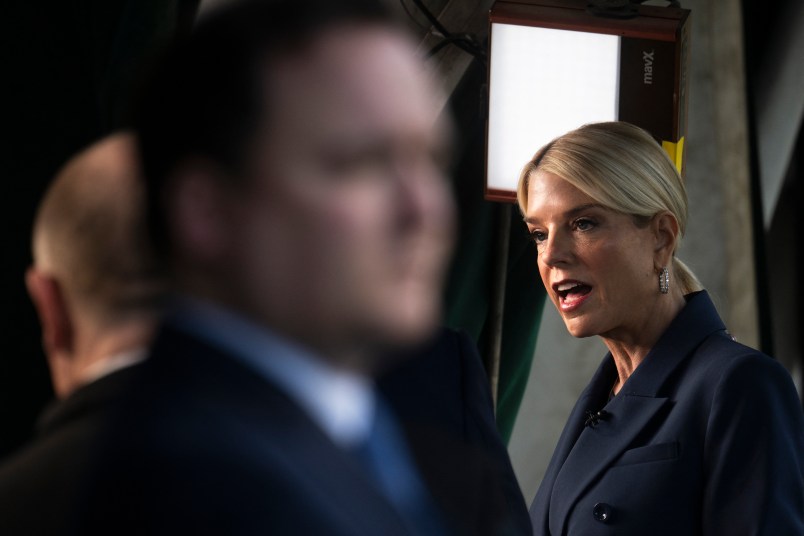
U.S. District Judge Terry Doughty has expressed concerns over the Trump administration's deportation practices, particularly highlighting the case of a 2-year-old U.S. citizen deported with his undocumented mother without due process. Additionally, 238 Venezuelan migrants were transported to a maximum-security prison in El Salvador under a rarely used law, despite most having no criminal convictions, raising questions about the administration's justification of labeling them as terrorists. These incidents, along with reports from the ACLU about other U.S. citizen children being deported, have sparked legal scrutiny and public debate over the transparency, legality, and ethics of current immigration policies.
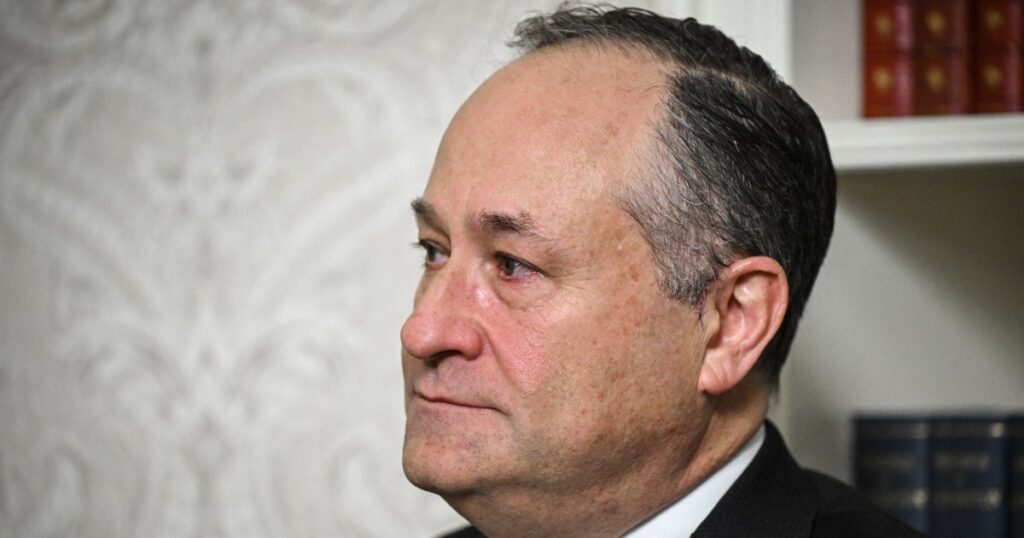
President Donald Trump has dismissed several members of the U.S. Holocaust Memorial Museum's board, including Doug Emhoff and Ron Klain, who were appointed by former President Joe Biden. These dismissals have sparked discussions about the potential politicization of the museum's mission and its governance. The decision has raised concerns about the impact of political appointments on cultural and historical institutions and their role in preserving and educating the public about significant historical events like the Holocaust.
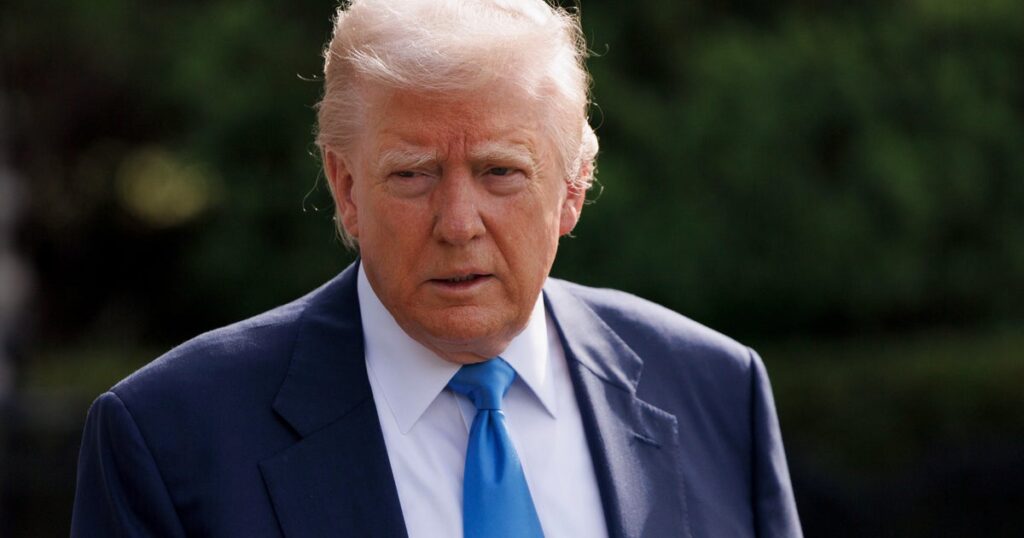
The Trump administration has announced plans to adjust tariff policies to alleviate financial burdens on U.S. automakers, aiming to support domestic manufacturing while maintaining trade policy objectives. Automakers manufacturing domestically will benefit from tariff relief, including reimbursement for tariffs paid on foreign-made auto parts. Despite these adjustments, uncertainty remains for some manufacturers, such as General Motors, which is reassessing its earnings projections due to the ongoing impact of tariffs.