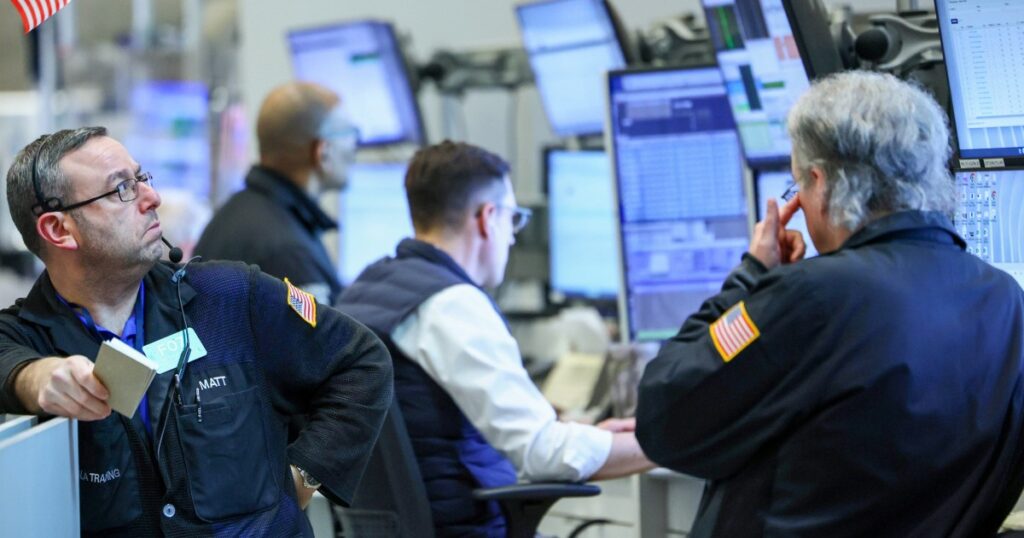
The Nasdaq Composite Index and S&P 500 experienced significant declines due to reactions to the U.S. administration's tariff policies, prompting President Donald Trump to suspend "reciprocal tariffs" for 90 days. This suspension aims to address concerns from the bond market and marks a shift in the administration's approach to tariffs. Despite a brief market rally, consumers are expected to face a substantial overall tariff rate, underscoring the complex relationship between trade policies and market stability.
News Mash

President Donald Trump has temporarily suspended his administration's "reciprocal tariffs" for 90 days in response to recent financial market turbulence and concerns about market volatility. This decision reflects a broader historical pattern where U.S. presidents adjust economic strategies based on feedback from financial markets, particularly when bond investors express alarm over perceived fiscal irresponsibility. The suspension underscores the complex relationship between government policy and market dynamics, highlighting the importance of stability and predictability in maintaining investor confidence.
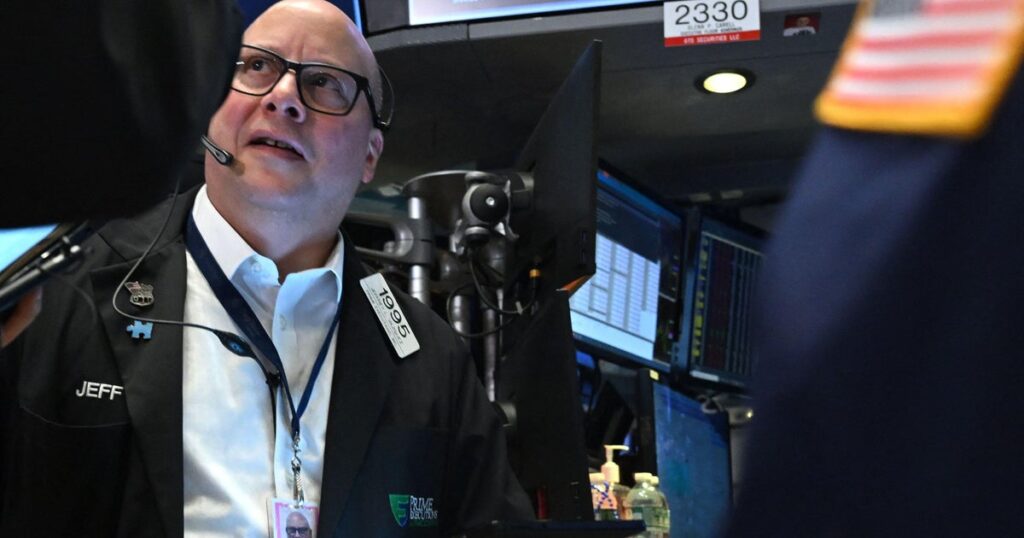
Recent market volatility has been significantly influenced by President Donald Trump's unpredictable policy decisions, leading to investor concerns about the sustainability of future market rallies. The situation has been exacerbated by China's announcement of additional countermeasures in response to the U.S. imposing a higher-than-expected tax on Chinese imports, which has accelerated stock market losses and affected the bond market. UBS strategist Bhanu Baweja and other analysts highlight the ongoing trade war as a threat to the economy, with recent fluctuations partially reversing historic stock gains and contributing to broader economic uncertainty.
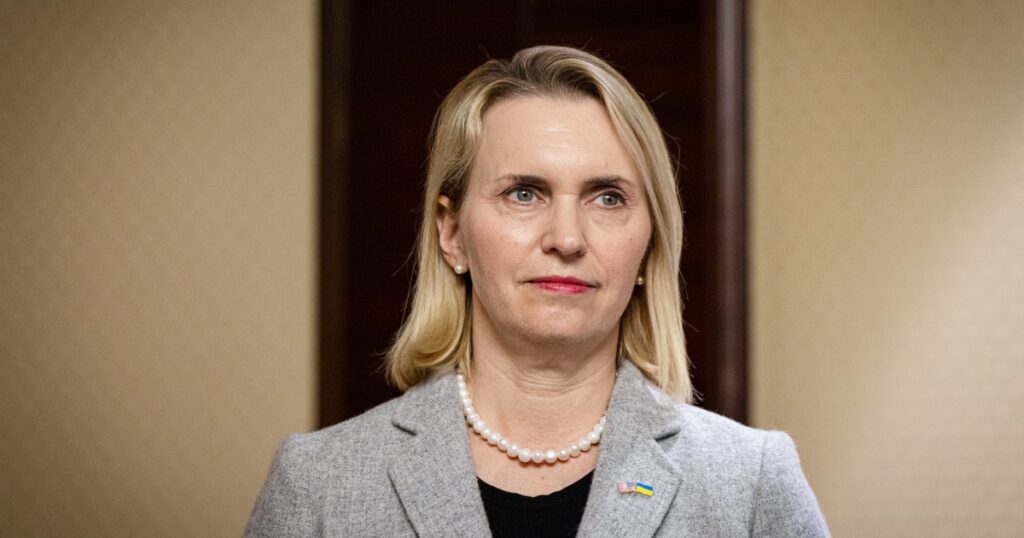
U.S. Ambassador to Ukraine, Bridget Brink, is set to resign after nearly three years in Kyiv, amid the Trump administration's efforts to negotiate a peace deal between Russia and Ukraine. Her departure, confirmed by the State Department, comes as she has been a strong advocate for U.S. military support to Ukraine, aligning with the administration's policies. This resignation occurs within the broader context of diplomatic efforts to achieve a ceasefire in the Black Sea region, highlighting the complexities of U.S. foreign policy in Eastern Europe.
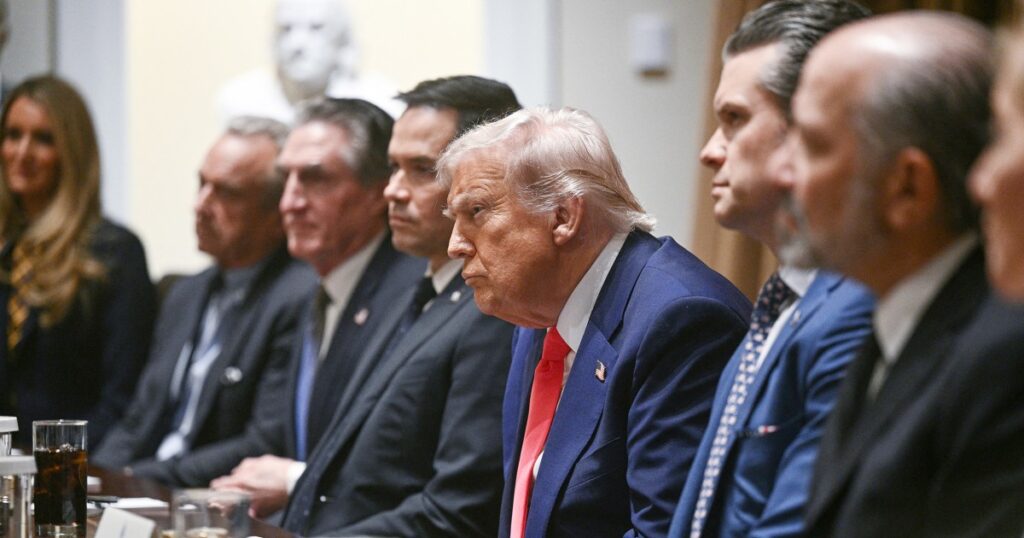
During a Cabinet meeting, President Donald Trump addressed the escalating trade tensions with China, highlighting the administration's decision to increase tariffs on Chinese goods to 145%, which has led to market volatility. Despite the fluctuations, Trump expressed confidence in reaching favorable trade resolutions with various countries within 90 days, aiming to stabilize the economic landscape through strategic negotiations. Treasury Secretary Scott Bessent provided context on market movements, suggesting they are part of broader economic dynamics, while critics voiced concerns about potential inflation and the need for sustained policy efforts.

The Prada Group has announced its acquisition of the Italian fashion house Versace from Capri Holdings for approximately 1.25 billion euros, marking a significant expansion of Prada's brand portfolio. Prada views Versace's unique style as a complementary addition that will enhance its existing fashion lines, with the acquisition financed through 1.5 billion euros in new debt. This strategic move highlights a broader trend in the luxury fashion industry, where major brands seek to expand their influence through acquisitions, and Prada aims to strengthen its market position while preserving Versace's creative identity.
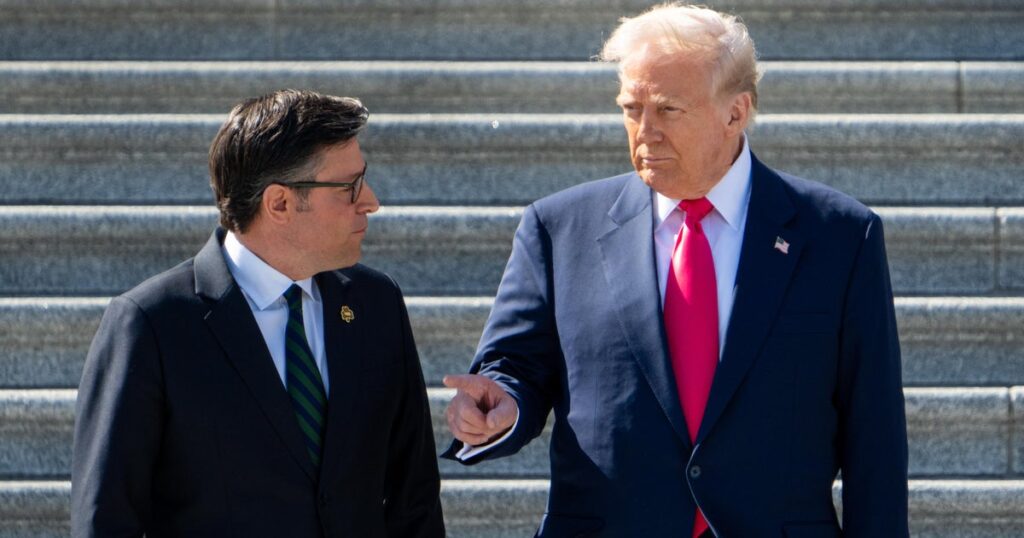
The House of Representatives postponed a vote on a budget resolution due to resistance from conservative members concerned about the proposed spending cuts, which are part of President Donald Trump's legislative priorities. Despite initial delays, House Speaker Mike Johnson expressed optimism about securing enough votes after addressing the concerns of fiscal conservatives. The resolution's passage is critical for advancing Trump's agenda, including border security and tax policy, highlighting the need for consensus within the Republican Party.

A New York jury awarded $1.68 billion in damages to 40 women who accused writer and director James Toback of sexual abuse, leveraging a new legal provision that allows for lawsuits on historical sexual assault claims. This significant verdict, one of the largest in New York state history, underscores the impact of the #MeToo movement and reflects changing societal attitudes towards accountability for sexual misconduct. The case highlights the importance of legislative changes that enable victims to seek justice and contributes to ongoing discussions about the responsibilities of those in power regarding the treatment of women.