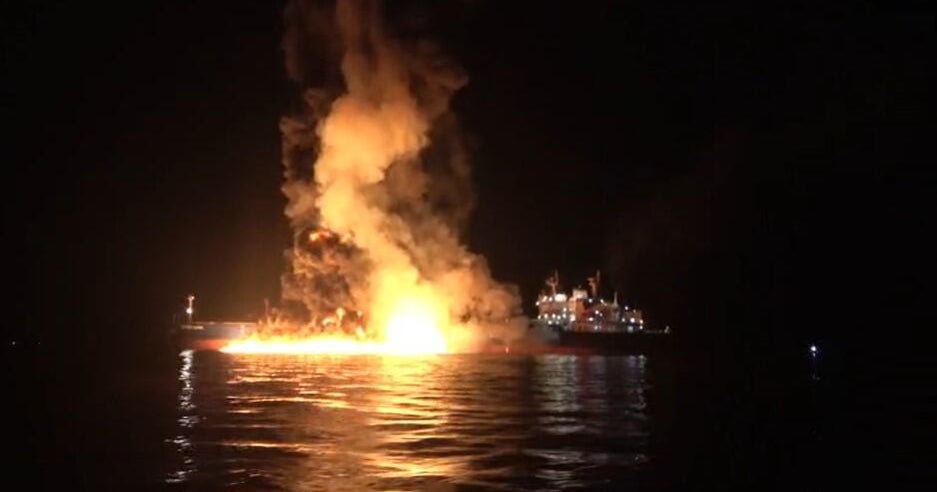
Oil prices surged sharply amid escalating conflict involving the U.S., Israel, and Iran, with Brent crude surpassing $100 per barrel due to disruptions in the critical Strait of Hormuz and attacks on oil infrastructure across the Gulf region. The crisis has led to significant economic impacts, including declines in U.S. stock markets, production shutdowns by major energy companies, and government measures such as fuel rationing in India and potential U.S. policy changes like a temporary Jones Act waiver and strategic oil reserve releases. Meanwhile, military actions have intensified, causing substantial casualties and prompting international efforts to address the escalating threats to global energy supplies and maritime security.
News Mash

The Senate overwhelmingly approved the bipartisan 21st Century ROAD to Housing Act, a comprehensive bill aimed at increasing affordable housing by streamlining construction, easing regulations, and limiting institutional investors from buying single-family homes. Sponsored by Senators Warren and Scott, the legislation includes grants, coordinated environmental reviews, and provisions to curb Wall Street’s influence in the housing market, though some opposition remains over certain investor restrictions. While the bill passed the Senate decisively, its future in the House is uncertain due to differences in versions, political opposition, and competing legislative priorities, even as housing affordability remains a critical issue for Americans.

Iran’s newly appointed Supreme Leader, Ayatollah Mojtaba Khamenei, issued his first public statement reaffirming the blockade of the Strait of Hormuz and threatening attacks on neighboring countries hosting U.S. military bases. His statement was delivered without a direct appearance, fueling speculation about his health after being injured in recent U.S.-Israeli strikes, and signaling a hardline stance with continued support for proxy groups across the Middle East. Khamenei vowed revenge for Iranian casualties in the strikes and emphasized Iran’s commitment to disrupting global oil transit while expressing a desire for constructive regional relations.

A shooting at Old Dominion University’s Constant Hall on Thursday morning left two people critically injured and the gunman dead, prompting an immediate lockdown and suspension of classes. Law enforcement, including the Norfolk Police and ATF agents, responded swiftly to neutralize the threat, while the university and state officials emphasized their commitment to campus safety and ongoing support. Students described chaotic evacuations, and authorities continue to investigate the incident as they provide updates to the community.
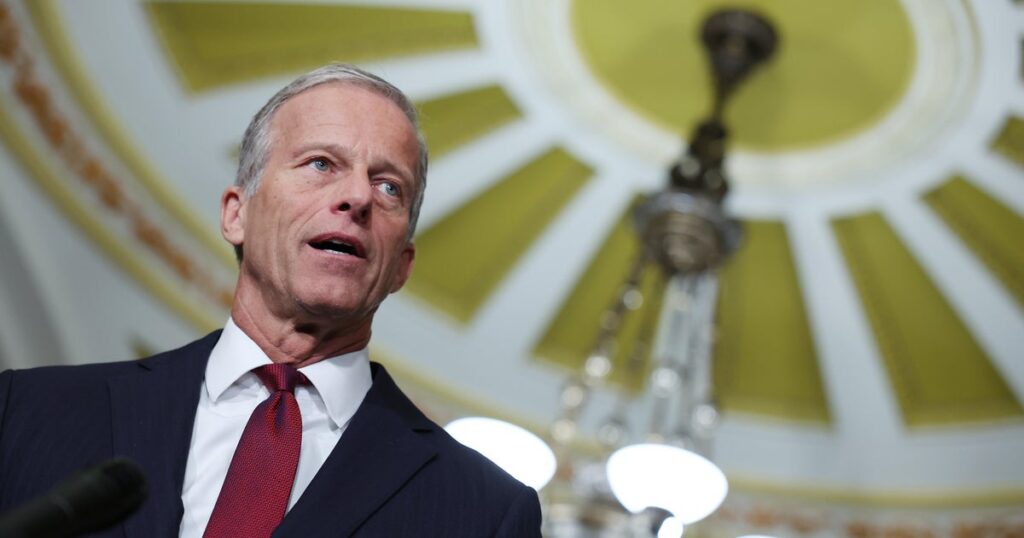
The U.S. Senate remains deadlocked over funding the Department of Homeland Security due to sharp disagreements between Democrats and Republicans on immigration enforcement reforms, resulting in a partial government shutdown lasting nearly a month. Democrats demand reforms such as body cameras and identification for immigration agents following fatal shootings, while Republicans resist these changes and accuse Democrats of stalling negotiations. The impasse has caused operational disruptions, including TSA workers missing paychecks and increased absenteeism, with no clear resolution in sight as both parties continue behind-the-scenes talks amid mounting pressure.

The conflict between the United States, Israel, and Iran has led to significant military casualties, economic costs exceeding $11.3 billion in the first six days, and disruptions to global oil trade through the Strait of Hormuz. Democratic Senator John Fetterman supports the U.S.-Israel military campaign, citing Iran’s limited ability to inflict damage and emphasizing the threat posed by Iran’s nuclear ambitions despite intelligence reports indicating no active nuclear weapon development. Meanwhile, the war’s human toll includes thousands of deaths across the involved nations, and President Trump has expressed uncertainty about the conflict’s duration as the U.S. seeks additional funding to sustain military operations.
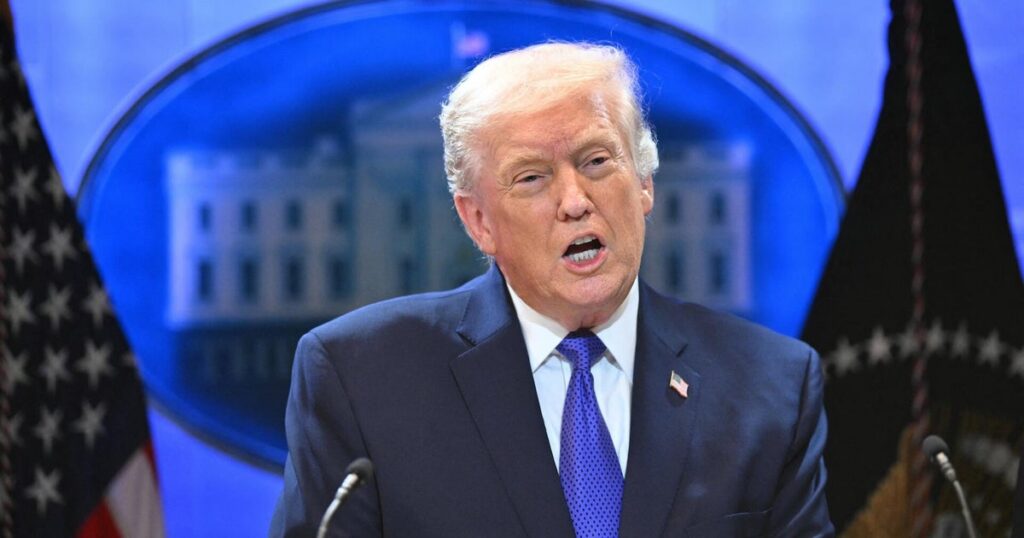
The Trump administration has launched multiple trade investigations into over a dozen countries, including the EU, China, and Mexico, focusing on "structural excess capacity" in manufacturing that may harm U.S. wages and market access. These probes, conducted under Section 301 of the Trade Act, aim to determine whether new tariffs should be imposed before the current global 10% tariff expires in July, with potential increases to 15% also under consideration. Additionally, separate investigations will target forced labor compliance in about 60 countries, raising concerns among U.S. trading partners and threatening recent trade agreements.
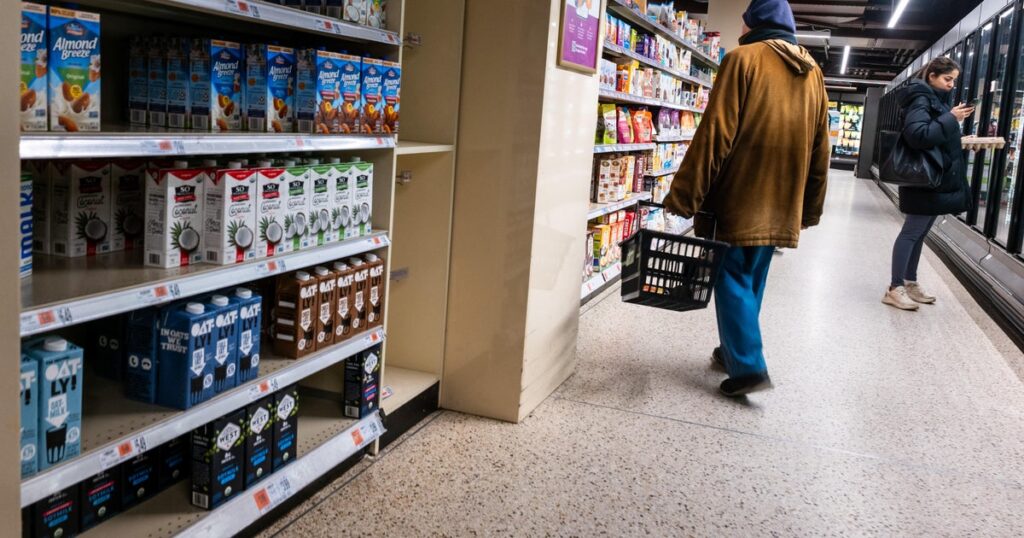
Inflation in the United States remained steady in February, with the Consumer Price Index rising 2.4% annually, slightly below expectations, before the recent surge in oil prices caused by the Iran conflict. The war has sharply increased gasoline prices and disrupted global oil supply via the Strait of Hormuz, raising concerns that energy cost spikes could reverse progress in controlling inflation. As the Federal Reserve prepares for its March interest rate decision, economic uncertainties—including weakening job growth and inflation risks—have led analysts to anticipate a cautious approach amid heightened uncertainty.