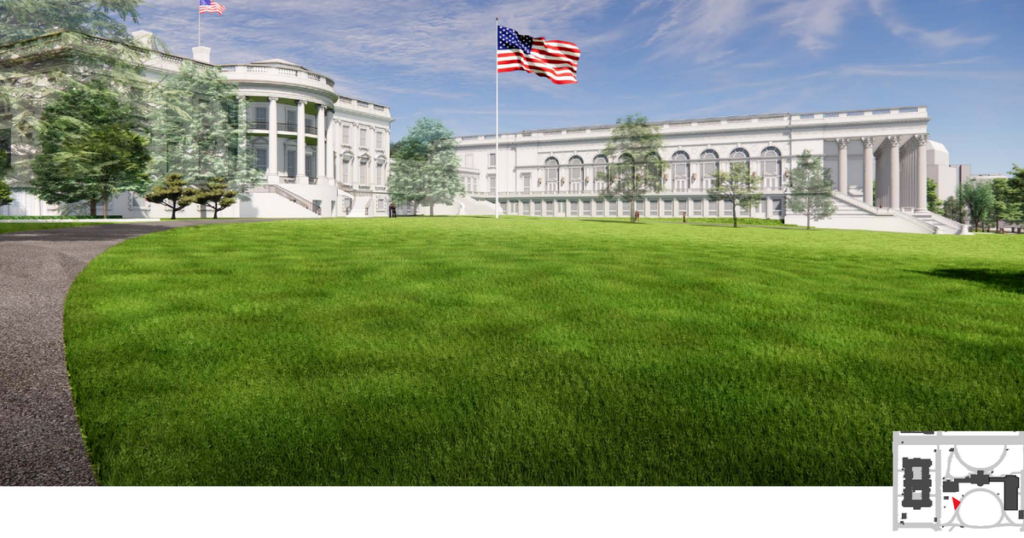
A federal judge has issued a temporary injunction halting the Trump administration’s $400 million White House ballroom construction, ruling that the project likely exceeded legal authority and lacked proper congressional approval. The National Trust for Historic Preservation challenged the project, citing improper adherence to federal guidelines and questionable funding through private donations funneled via a nonprofit and the National Park Service. Judge Richard Leon criticized the administration’s legal and financial justifications, emphasizing that only Congress can authorize such alterations and funding, and ordered construction to stop unless statutory approval is granted.
News Mash
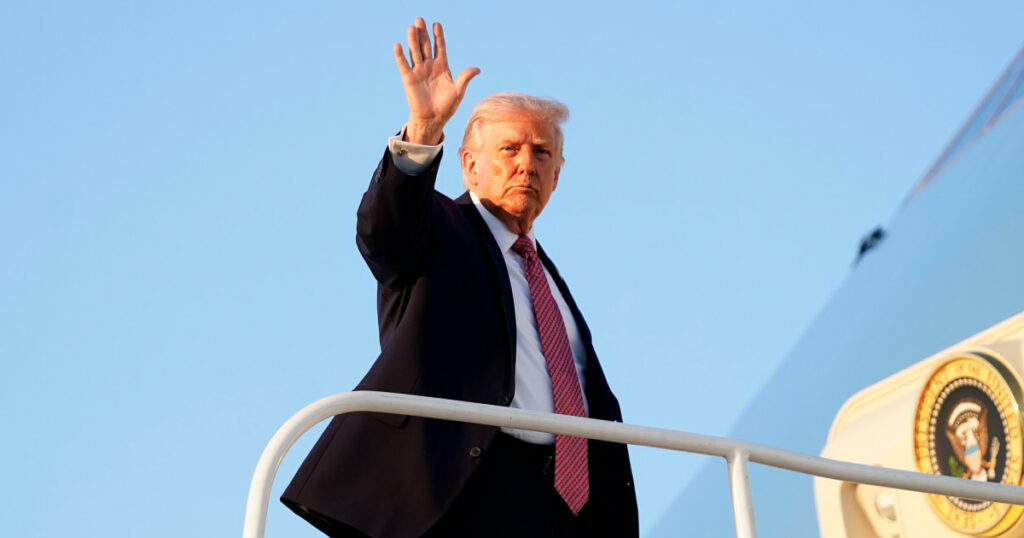
Amid ongoing tensions with Iran, President Trump has continued to play golf, describing it as a way to relax while asserting that the U.S. has significantly weakened Iran’s military and that the conflict is nearing resolution. Meanwhile, the partial shutdown of the Department of Homeland Security has caused operational disruptions and financial strain for TSA workers, with political divisions in Congress preventing a unified funding solution. Concurrently, the Department of Justice is intensifying election-related investigations, sparking debate over election integrity, while multiple legal and political controversies, including immigration enforcement and Supreme Court cases, contribute to a complex national environment.
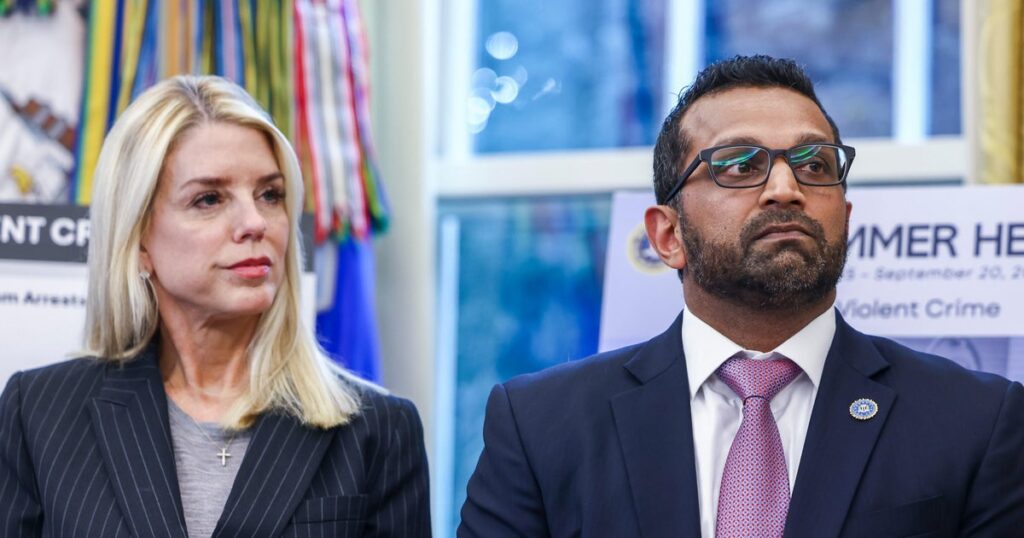
Three former FBI special agents involved in investigations related to Donald Trump’s efforts to overturn the 2020 election have filed a lawsuit against FBI Director Kash Patel, Attorney General Pam Bondi, the FBI, and the Justice Department, alleging politically motivated wrongful termination. The suit claims that Patel and Bondi led a campaign since early 2025 to remove agents perceived as disloyal based on political biases, with over 50 FBI employees reportedly fired under similar circumstances without due process. The lawsuit seeks class-action status for other dismissed agents and accuses the FBI of violating grand jury secrecy rules, while the government has yet to comment on the litigation.
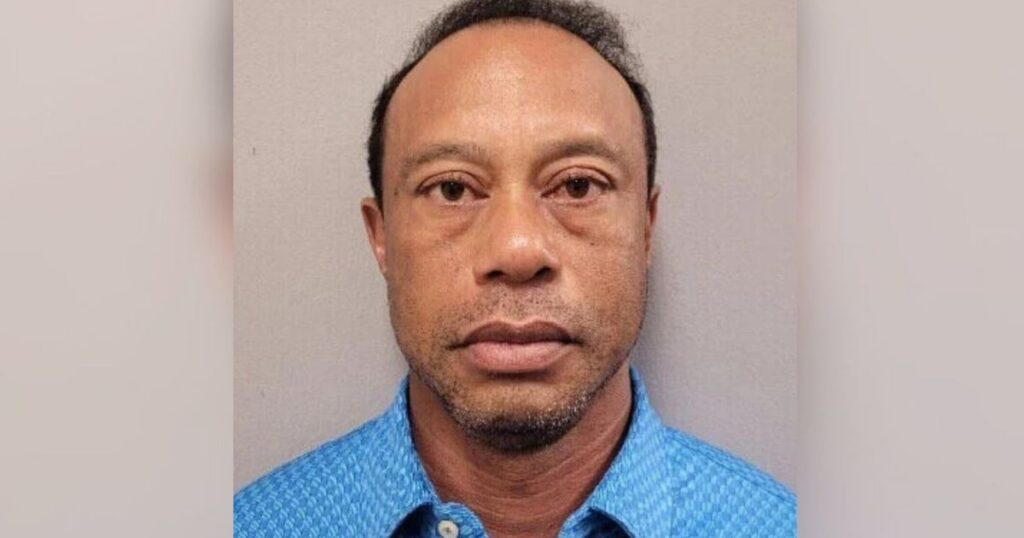
Golf legend Tiger Woods was arrested for driving under the influence after his Land Rover rolled over in a single-vehicle crash in Jupiter, Florida, with no injuries reported. Authorities observed signs of impairment, including Woods’ difficulty with sobriety tests and the presence of prescription painkillers, though he denied alcohol use. This marks Woods’ second DUI arrest in Florida, and the investigation into the incident is ongoing.
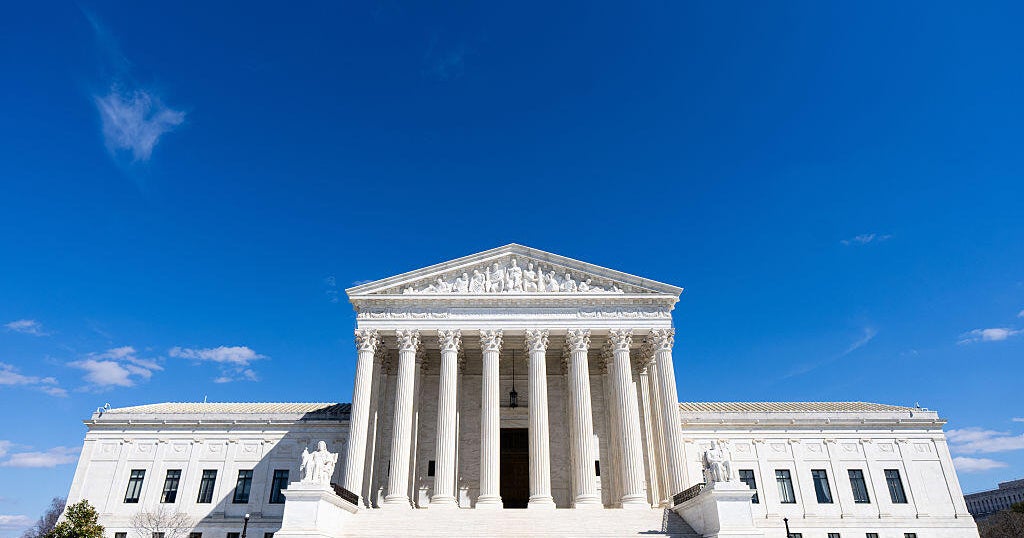
The U.S. Supreme Court ruled 8-1 that Colorado's ban on conversion therapy for minors violates the First Amendment by regulating speech based on viewpoint rather than professional conduct. The decision, authored by Justice Gorsuch, emphasized that the law censors speech and sent the case back to lower courts for further review under stricter constitutional scrutiny. Justice Ketanji Brown Jackson dissented, warning the ruling could hinder states' ability to regulate medical professionals and protect patients, highlighting the ongoing conflict between free speech rights and LGBTQ protections.
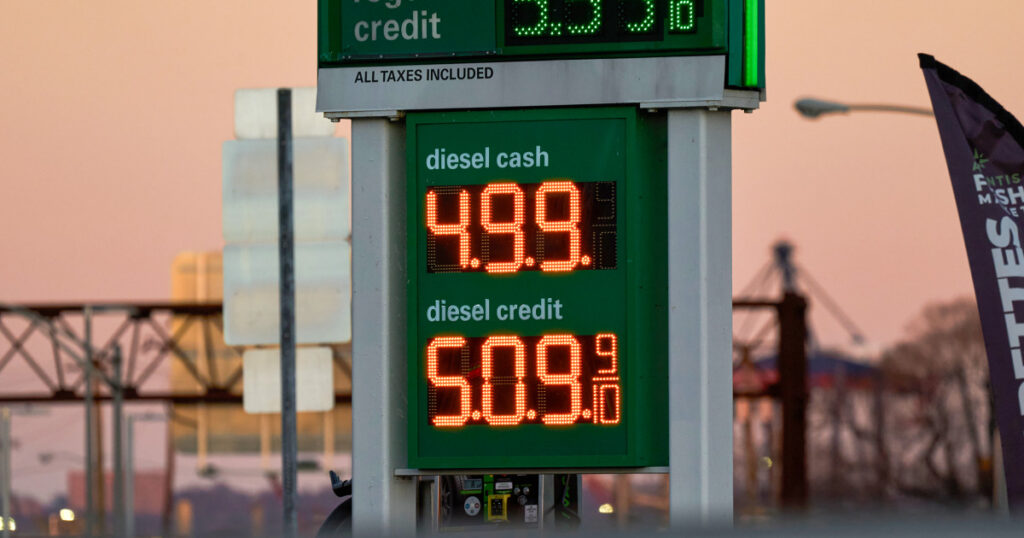
Gasoline and diesel prices in the U.S. have surged to levels not seen since mid-2022, driven by escalating conflict involving Iran and disruptions to oil supply through the Strait of Hormuz. The war has caused crude oil prices to rise sharply, with diesel reaching $5.45 per gallon and gasoline surpassing $4.00, leading to significant economic impacts such as reduced consumer spending and increased household fuel expenses. Globally, energy-dependent countries face inflation and economic slowdowns as the conflict continues to disrupt oil markets.
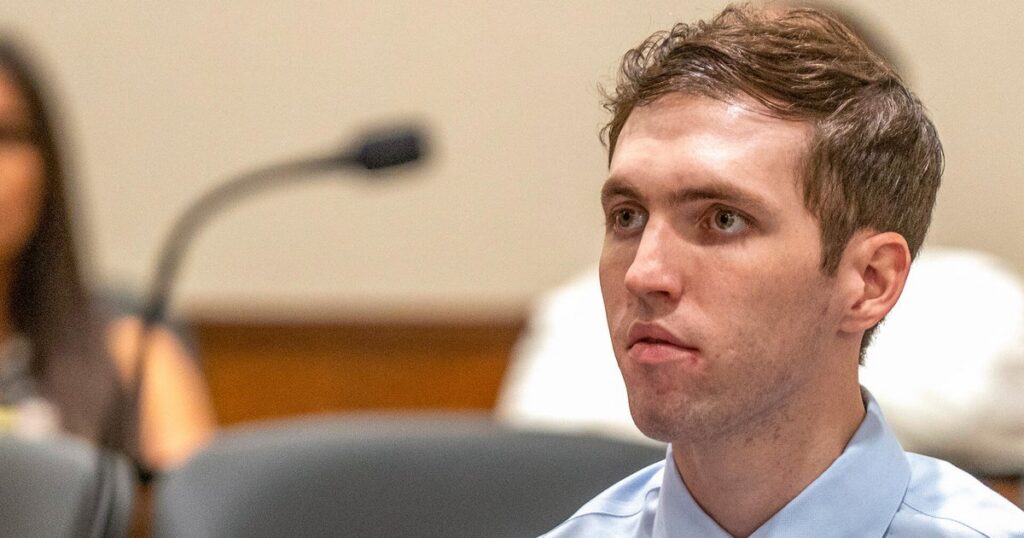
Attorneys for Tyler Robinson, charged with the fatal shooting of conservative activist Charlie Kirk, have requested a six-month delay of the preliminary hearing to thoroughly review extensive forensic and digital evidence. Key issues in the case include inconclusive ballistic analyses by the ATF and ongoing FBI testing, as well as complex DNA evidence found on the alleged murder weapon. Prosecutors intend to seek the death penalty, while the defense continues investigating and preparing for trial amid unresolved evidentiary questions.
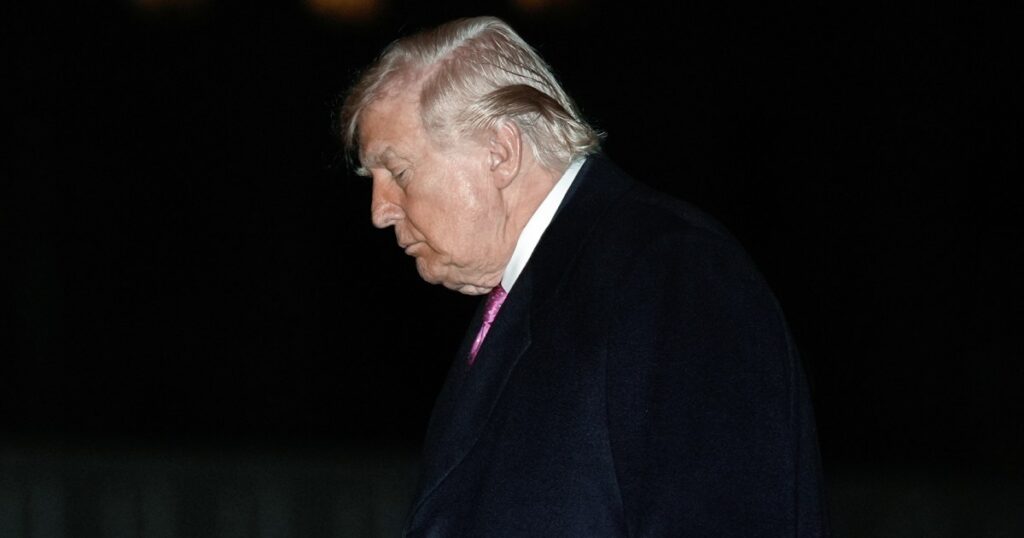
Rising tensions between the United States, Israel, and Iran have led to attacks on critical infrastructure, including a water desalination plant on Qeshm Island and an Iranian drone strike on a Kuwaiti oil tanker, causing regional instability and driving up global energy prices. Israeli Prime Minister Netanyahu claimed significant military progress against Iran and proposed alternative energy routes to bypass Iranian-controlled waterways, while the U.S. considers further military options to secure the Strait of Hormuz. Despite ongoing behind-the-scenes diplomatic efforts, direct negotiations remain stalled as both sides maintain firm demands, prolonging the conflict and uncertainty in the region.