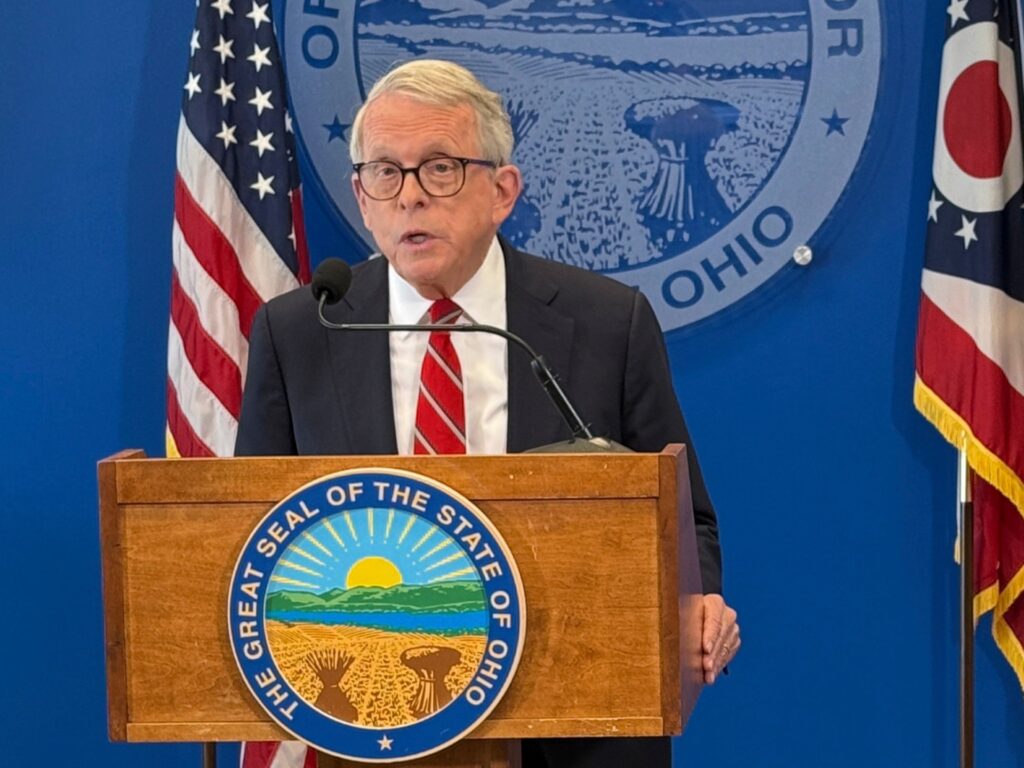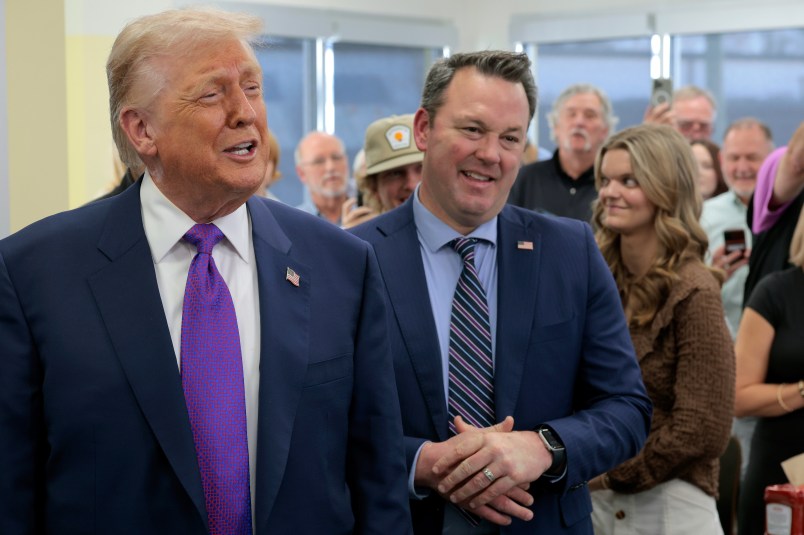
In a recent address to Congress, former President Donald Trump made several claims, including an unverified assertion that Stacey Abrams led a group receiving $1.9 billion for a "decarbonization of homes" initiative, while official records show a $2 billion grant was awarded to Power Forward Communities for sustainable housing. Trump also discussed new tariffs on the United States' largest trading partners, citing a "national emergency" due to fentanyl influx from Mexico and Canada, despite experts suggesting the crisis may be improving. The CBS News Confirmed team is fact-checking Trump's statements from his 2025 joint address, scrutinizing their accuracy and implications for policy and international relations.
News Mash
During a joint session of Congress, President Donald Trump's address was disrupted by Democratic Representative Al Green, who protested Trump's remarks about his 2024 election victory. Known for his previous impeachment efforts against Trump, Green expressed his dissent by shaking his cane and refusing to yield, prompting the presiding officer to call for his removal to maintain decorum. The incident, marked by mixed reactions from the assembly, highlighted ongoing divisions within Congress and the contentious atmosphere surrounding Trump's presidency.
President Donald Trump is set to deliver a joint address to Congress, facing a nation divided as he begins his second term, with mixed approval ratings ranging from 45% to 51% across various polls. Economic concerns, particularly inflation and the rising cost of living, are expected to be a central focus of his speech, as many Americans feel these issues have not been adequately addressed. The address presents an opportunity for Trump to outline his strategies for tackling these challenges and potentially reshape public perception of his presidency.
Ukrainian President Volodymyr Zelenskyy has indicated Ukraine's willingness to engage in peace talks following the U.S. decision to pause military aid, amid diplomatic tensions highlighted by a contentious meeting at the White House involving President Donald Trump and Vice President JD Vance. The meeting, which failed to finalize a key minerals agreement between the U.S. and Ukraine, has been portrayed by Russian officials and media as a sign of fragmentation within the Western alliance. Despite these diplomatic challenges, discussions on the minerals agreement continue, with U.S. Treasury Secretary Scott Bessent emphasizing ongoing efforts to sustain economic cooperation between the two nations.
The Supreme Court is reviewing a case where the Mexican government seeks to hold U.S. gun manufacturers accountable for violence in Mexico, attributing it to firearms produced in the United States, amidst strained U.S.-Mexico relations following President Trump's policies on migration and border security. During oral arguments, justices expressed skepticism about Mexico's claims, focusing on a federal law that protects gun manufacturers from liability, suggesting the court may rule against Mexico. Concurrently, a federal judge reinstated Cathy Harris to the Merit Systems Protection Board, ruling her removal by President Trump was unlawful, while new tariffs on Mexican goods highlight ongoing trade tensions between the two nations.
Wall Street experienced further declines due to President Donald Trump's announcement of new tariffs on imports from Mexico, Canada, and China, raising concerns about economic impact and market volatility. Retail executives, including those from Target and Best Buy, have indicated that these tariffs will likely lead to price increases for consumers, challenging Trump's initial promises to reduce prices. The situation has created uncertainty in the markets, with companies and consumers preparing for potential price hikes and supply chain disruptions as major retailers like Walmart acknowledge the tariffs' impact.
President Donald Trump announced that the United States would impose 25% tariffs on nearly all goods imported from Mexico and Canada, following unsuccessful negotiations with these key trading partners. The tariffs, set to take effect early Tuesday, signal a major shift in trade relations and have already caused significant reactions in financial markets, with major indices declining and the Nasdaq Composite dropping by 3%. As these tariffs are implemented, there is growing concern about their impact on American consumers and businesses, potentially leading to higher prices and affecting supply chains, highlighting the complexities of international trade policy.