A recent NBC News poll indicates that only 27% of registered voters have a positive view of the Democratic Party, the lowest since 1990, partly due to dissatisfaction after the party's loss to Donald Trump in the 2024 election. Meanwhile, Senate Republicans passed a short-term spending bill to prevent a government shutdown, with support from several Senate Democrats, highlighting internal tensions within the party. The poll results and legislative actions underscore the need for the Democratic Party to reassess its strategies and address the concerns of its base to regain voter confidence.
News Mash
Sam Jones, a social media influencer, faced backlash after posting a controversial video of herself picking up a baby wombat from its mother in Australia, sparking a heated debate about her actions. In response, Jones apologized, explaining that her intention was to protect the wombat from potential harm on the roadside. The incident has drawn attention from Australian authorities and highlighted the responsibilities influencers have when interacting with wildlife, as well as the broader implications of sharing such interactions on social media.
A recent winter storm in Southern California resulted in the death of one of the eaglets born to the well-known bald eagle pair, Jackie and Shadow, as confirmed by Friends of Big Bear Valley. The severe storm brought over two feet of snow, and the exact time of the eaglet's death is uncertain, though it likely occurred after a feeding session observed at 6 p.m. Despite the loss, the live camera feed of the nest remains active, allowing the public to continue observing the eagle family and highlighting the challenges wildlife face during extreme weather conditions.
A group of Venezuelan men in immigration custody in Texas and New York have filed a federal civil lawsuit against former President Donald Trump and his administration officials, seeking to prevent deportation under the Alien Enemies Act of 1798. The lawsuit, supported by the ACLU and Democracy Forward, argues that applying this 18th-century wartime law to categorize Venezuelans as part of a gang is inappropriate and could lead to unjust deportations. A federal judge has temporarily blocked the use of the Alien Enemies Act for these deportations, sparking legal challenges and discussions about the relevance of historical laws in modern immigration policy.
President Donald Trump has invoked the Alien Enemies Act of 1798 to facilitate the detention and deportation of Venezuelan migrants suspected of being linked to the Tren de Aragua gang, which he describes as an "invasion" or "predatory incursion." This decision, despite a federal judge's temporary limitation on the act's use, underscores the president's view of the gang as a significant national security threat due to their alleged involvement in drug trafficking and "irregular warfare." The move has sparked discussions about the historical and modern implications of using such a law, with potential impacts on U.S.-Venezuelan relations and the broader immigration and national security discourse.
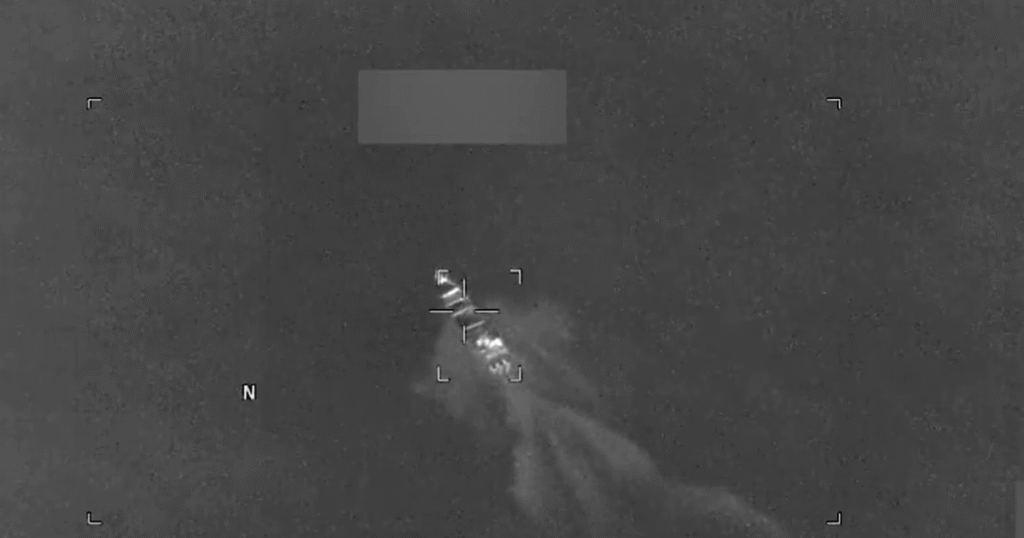
President Donald Trump announced a series of airstrikes on Yemen's capital, Sanaa, targeting Iranian-backed Houthi rebels to protect American and allied shipping interests. The military action is part of a broader strategy to ensure navigational freedom and safeguard U.S. commercial, air, and naval assets, with Trump emphasizing the use of "overwhelming lethal force." Additionally, Trump issued a warning to Iran to cease its support for the rebels, holding it accountable for their actions, amid ongoing tensions and significant economic implications for the U.S. and global economy.
President Donald Trump signed an executive order aimed at reducing the operations of several federal agencies, including those overseeing government-funded media outlets, as part of a broader effort to streamline government functions and reduce bureaucracy. The order, issued after Congress passed its latest funding bill, targets lesser-known entities and directs them to operate only at the minimum level mandated by law, aligning with the President's campaign to restructure government operations without congressional approval. Implementation began on Saturday, focusing on Voice of America and other pro-democracy programming, with Kari Lake, a senior advisor, advising employees to check their email for further instructions, highlighting the administration's commitment to swiftly executing these changes.
A U.S. appeals court has temporarily allowed the Trump administration to enforce a ban on diversity, equity, and inclusion (DEI) programs within federal agencies and businesses with government contracts, overturning a previous block by a federal judge. The Richmond-based 4th U.S. Circuit Court of Appeals found the executive orders likely constitutional, despite concerns about potential First Amendment issues. While the ruling marks a victory for the administration, the judges acknowledged the need for a more nuanced approach, indicating that the constitutional implications of these measures could lead to further legal challenges.