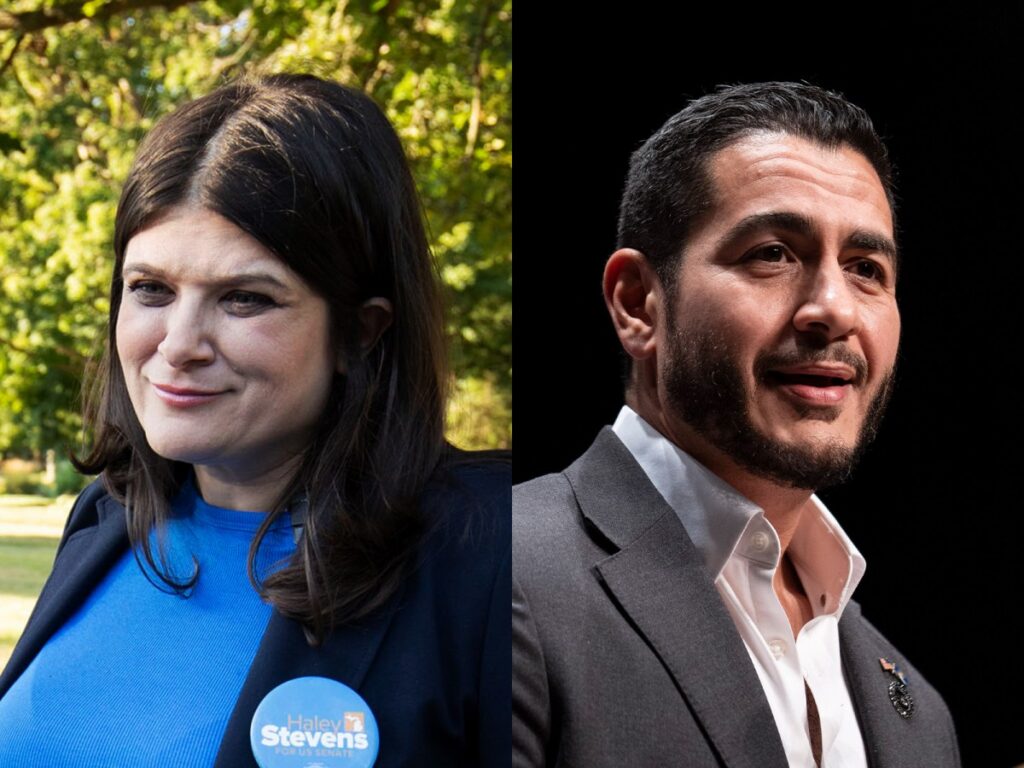
Michigan’s Democratic Senate primary between Haley Stevens and Abdul El-Sayed has become a national test of the party’s divide between establishment pragmatism and progressive insurgency. The winner will likely face Republican Mike Rogers in a race central to Democrats’ hopes of controlling the Senate.
News Mash
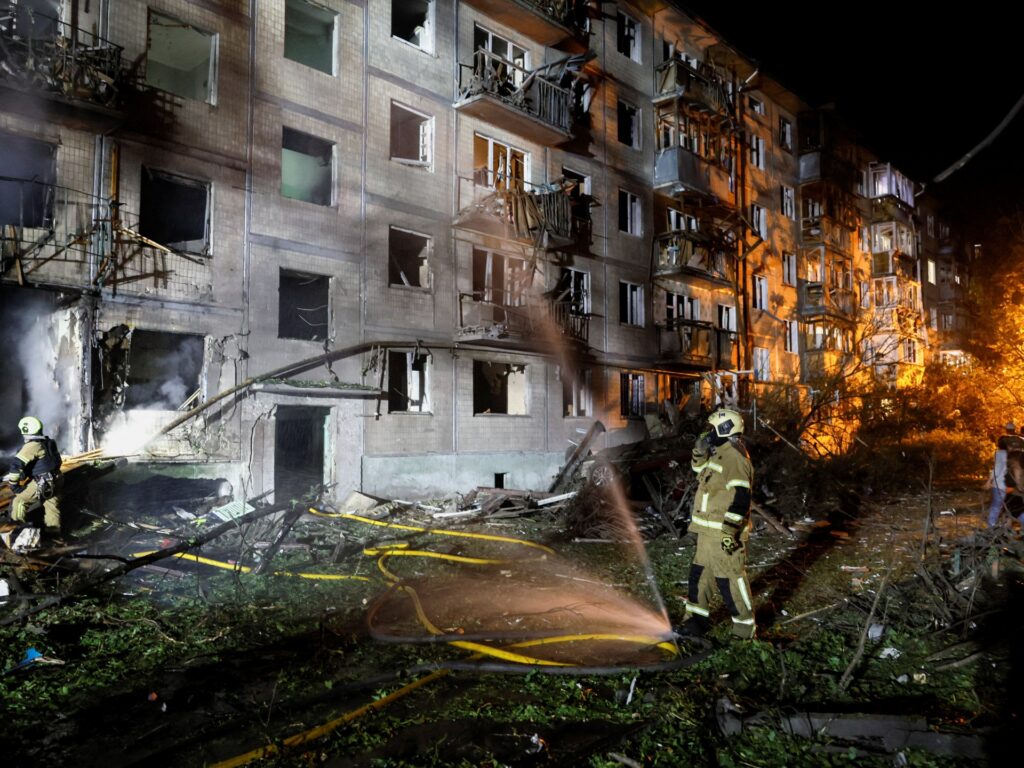
Russian strikes on Kyiv killed at least four people and injured 15, including two teenage boys, local officials said. The attack came during a week of deadly Russian barrages and amid talks over whether Ukraine can produce Patriot missile interceptors.
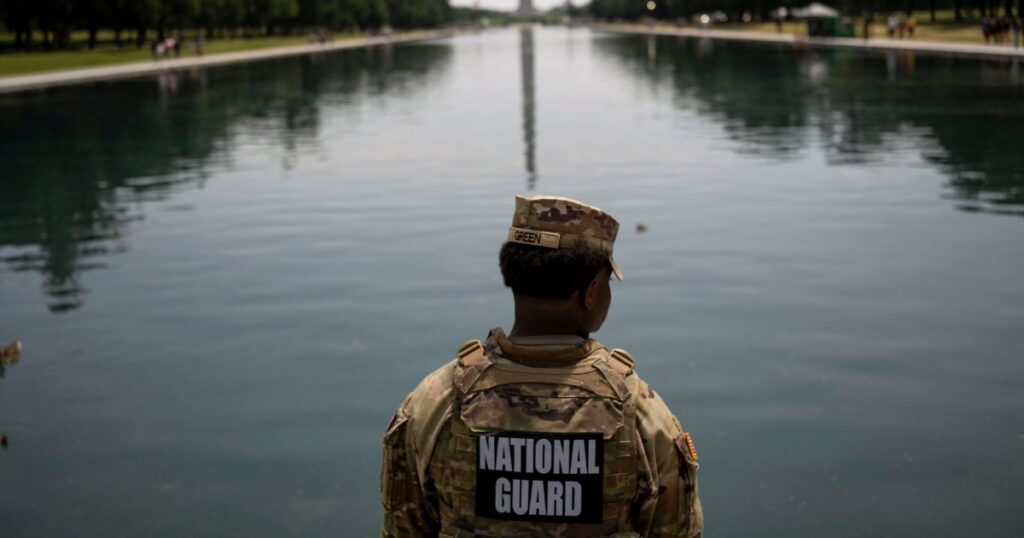
Federal prosecutors moved to dismiss the case against former Olympic canoeist David Hearn, saying new documents showed the Lincoln Memorial Reflecting Pool damage was caused by flawed contractor installation, not vandalism. Hearn had denied damaging the pool and pleaded not guilty.
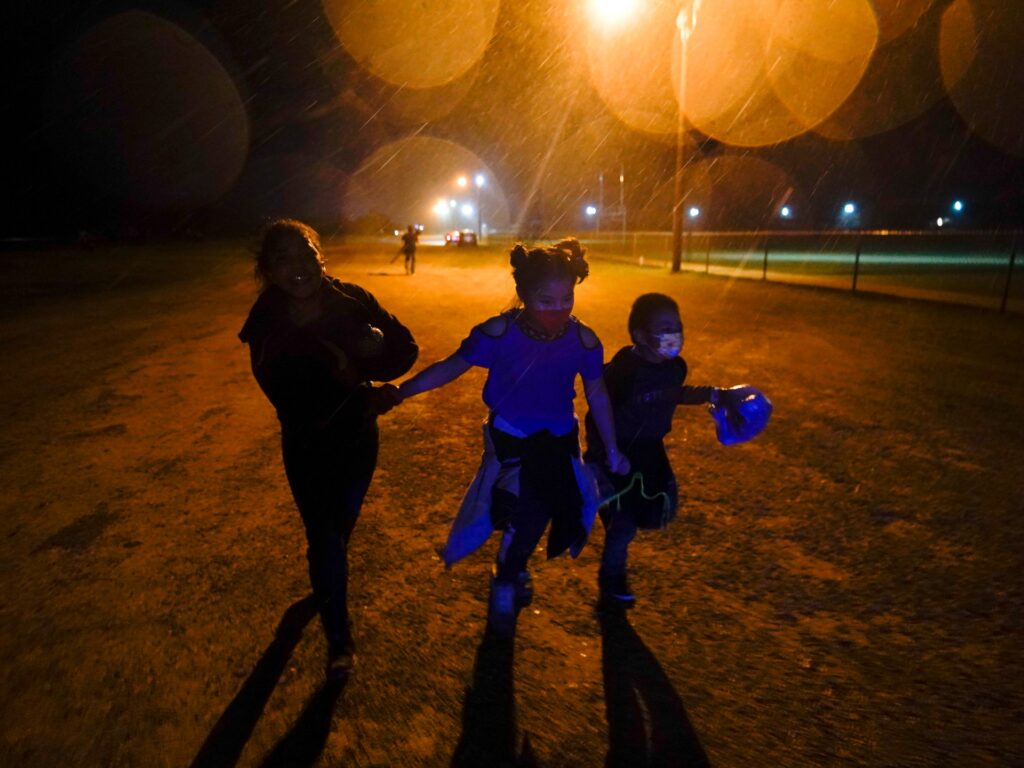
A federal contract funding legal representation for about 24,000 unaccompanied migrant children expired Friday. Advocates and prosecutors warn the lapse, coupled with faster immigration proceedings, could increase deportations of minors without lawyers.
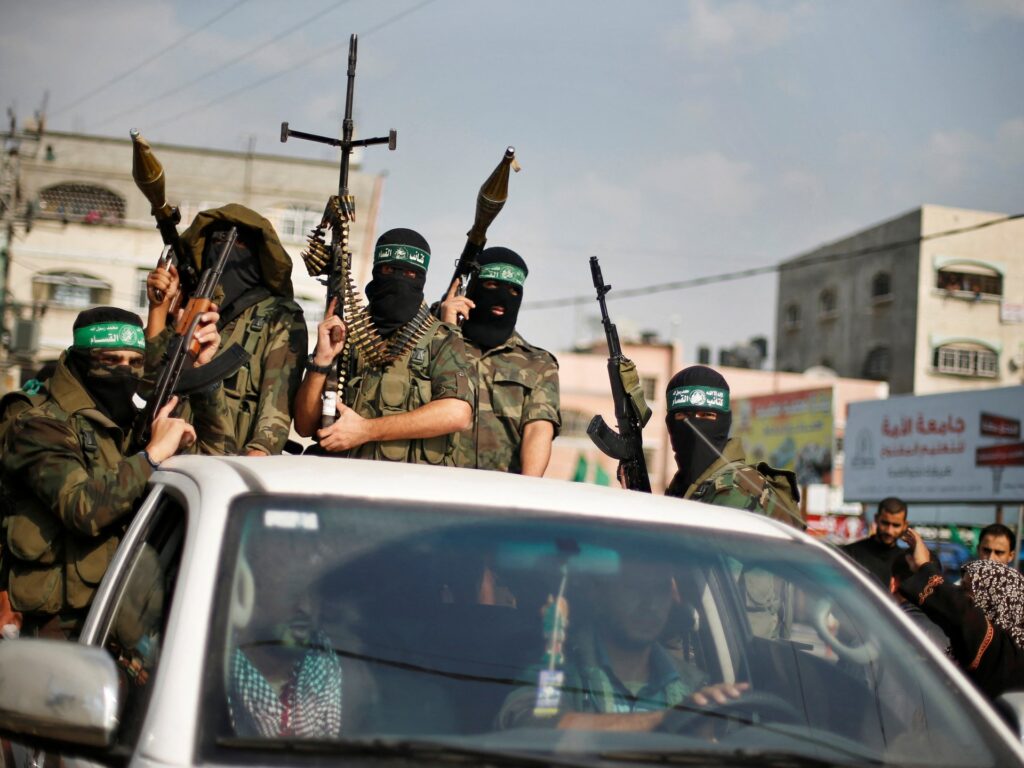
A phased agreement for Hamas to disarm as Israel withdraws from Gaza has been welcomed internationally but faces major political, security and implementation hurdles. Hamas says disarmament depends on Israel ending hostilities, while key Israeli figures have rejected elements of the draft.
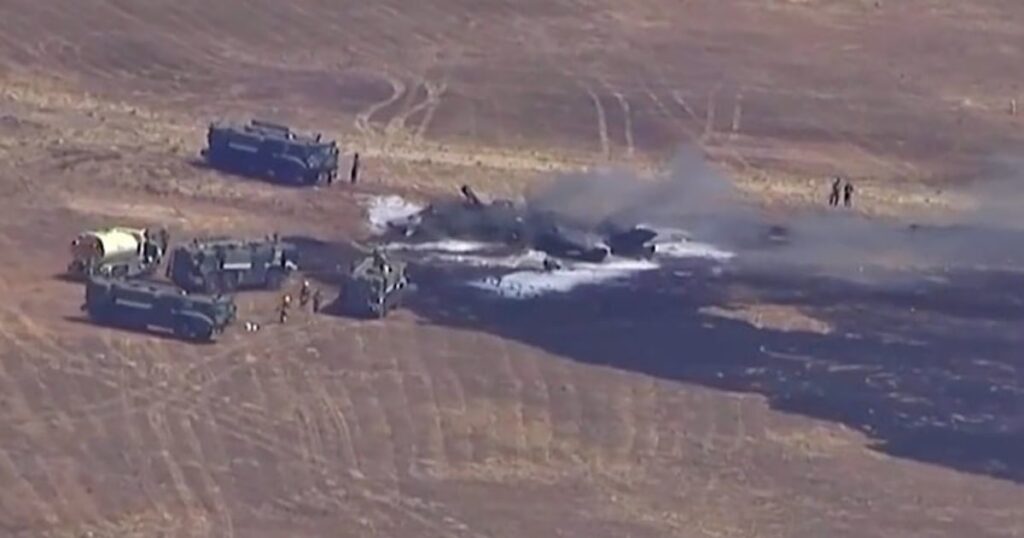
An F-35 fighter jet crashed Friday morning at Marine Corps Air Station Miramar in San Diego, sparking a field fire. The pilot ejected, was recovered and was being taken to a medical facility, officials said.
Google’s new AI image feature in Google Earth lets users fabricate scenes on top of real satellite imagery. Researchers warn the tool could fuel misinformation and erode trust in satellite images used to verify events.

New York sued Kalshi, alleging the prediction market is an illegal gambling operation that lets users, including people under 21, wager on sports, elections and other events. Kalshi says it is federally licensed and calls the lawsuit political theater.