The conflict between the United States, Israel, and Iran has led to significant military casualties, economic costs exceeding $11.3 billion in the first six days, and disruptions to global oil trade through the Strait of Hormuz. Democratic Senator John Fetterman supports the U.S.-Israel military campaign, citing Iran’s limited ability to inflict damage and emphasizing the threat posed by Iran’s nuclear ambitions despite intelligence reports indicating no active nuclear weapon development. Meanwhile, the war’s human toll includes thousands of deaths across the involved nations, and President Trump has expressed uncertainty about the conflict’s duration as the U.S. seeks additional funding to sustain military operations.
Posts published in “World”
The Trump administration has launched multiple trade investigations into over a dozen countries, including the EU, China, and Mexico, focusing on "structural excess capacity" in manufacturing that may harm U.S. wages and market access. These probes, conducted under Section 301 of the Trade Act, aim to determine whether new tariffs should be imposed before the current global 10% tariff expires in July, with potential increases to 15% also under consideration. Additionally, separate investigations will target forced labor compliance in about 60 countries, raising concerns among U.S. trading partners and threatening recent trade agreements.
Inflation in the United States remained steady in February, with the Consumer Price Index rising 2.4% annually, slightly below expectations, before the recent surge in oil prices caused by the Iran conflict. The war has sharply increased gasoline prices and disrupted global oil supply via the Strait of Hormuz, raising concerns that energy cost spikes could reverse progress in controlling inflation. As the Federal Reserve prepares for its March interest rate decision, economic uncertainties—including weakening job growth and inflation risks—have led analysts to anticipate a cautious approach amid heightened uncertainty.
An internal U.S. military investigation preliminarily found that outdated intelligence led to a missile strike on an elementary school in Iran, killing over 170 civilians, mostly children, during a coordinated U.S.-Israeli operation. The strike mistakenly targeted the school, which had been inaccurately identified as a military site based on old intelligence, with evidence pointing to an American Tomahawk missile. Meanwhile, Iran retaliated with attacks killing six U.S. Army Reserve soldiers in Kuwait, escalating the ongoing conflict that the U.S. administration expects to continue for several weeks.
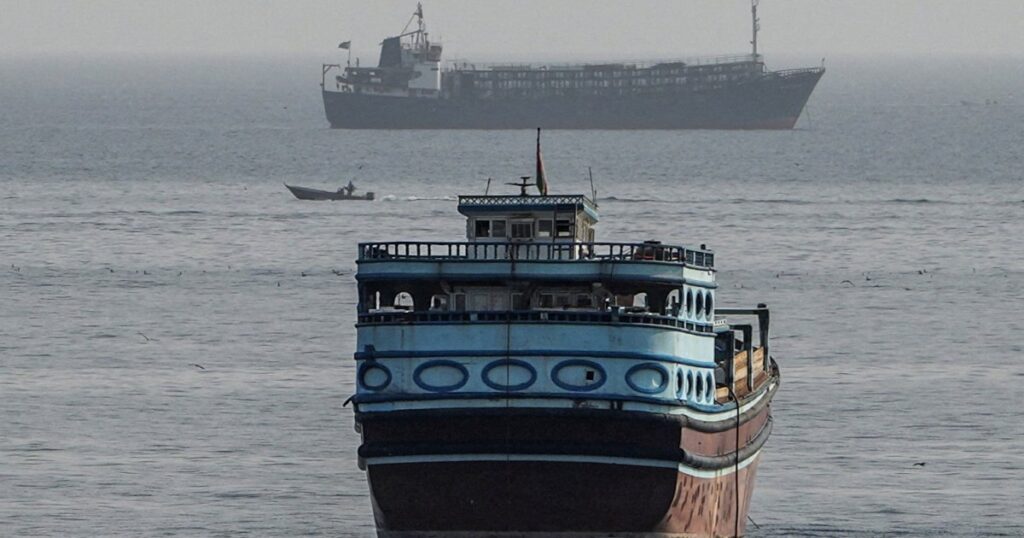
The U.S. government, through the International Development Finance Corporation (DFC), has launched a new initiative to provide political risk insurance for ships navigating the Persian Gulf amid escalating attacks and rising insurance premiums. This program, in partnership with insurer Chubb, aims to ensure the continued flow of energy supplies through the Strait of Hormuz by covering losses up to $20 billion, addressing the withdrawal of private war risk coverage. The move responds to recent vessel attacks that have drastically reduced maritime traffic and driven up global oil prices, though it raises concerns about potential financial risks for American taxpayers and the scope of coverage for non-U.S. ships.
The International Energy Agency (IEA) announced a historic release of 400 million barrels of oil from emergency reserves to counter soaring energy prices caused by the closure of the Strait of Hormuz amid tensions with Iran. This unprecedented collective action by 32 member countries aims to mitigate significant supply disruptions, though analysts warn it may only provide limited short-term relief given the scale of the deficit and logistical delays. The situation remains volatile, with sustained price stability dependent on reopening the crucial maritime route and securing long-term energy supply solutions.
Seven members of the Iranian women's national soccer team were granted humanitarian visas and chose to remain in Australia amid escalating conflict in the Middle East, while the rest of the team returned to Iran after being eliminated from the Asian Women’s Cup. The situation sparked international attention, with concerns over the players' safety, protests in Australia, and criticism from figures like former U.S. President Donald Trump, contrasted by Iranian officials denying any danger and accusing Australia of interfering. The Asian Football Confederation confirmed the team’s relocation to Malaysia and pledged support during their stay.