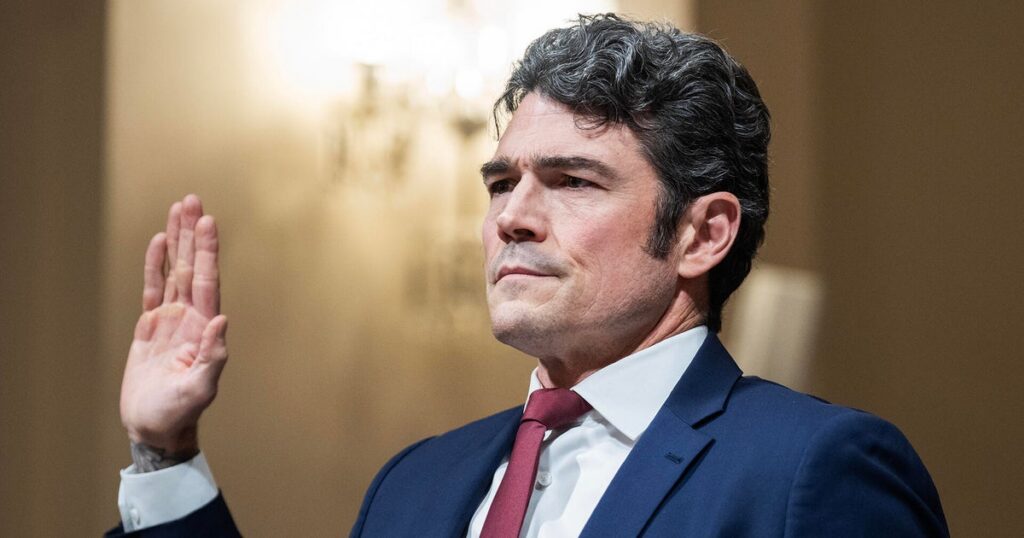
Joe Kent, director of the National Counterterrorism Center and a former Trump supporter, resigned amid controversy over U.S. military actions against Iran, criticizing the administration’s war rationale and alleging misinformation campaigns by Israeli officials and American media. His departure sparked backlash from Republican leaders who condemned his claims as anti-Semitic, while Kent’s past associations with far-right figures and conspiracy theories further complicated his tenure. Concurrently, Director of National Intelligence Tulsi Gabbard testified on Iran’s diminished but ongoing threat, underscoring internal divisions and political pressures shaping U.S. policy toward the conflict.
Posts published in “World”

James Paul Gracey, a 20-year-old University of Alabama student from Elmhurst, Illinois, has been reported missing in Barcelona after last being seen at a beachfront nightclub near Barceloneta Beach. Authorities and his family, who have recovered his phone but remain deeply concerned, are investigating the unusual circumstances surrounding his disappearance and have appealed to the public for information. The University of Alabama, Gracey’s former high school, and the U.S. State Department have expressed support and offered assistance as the search continues.
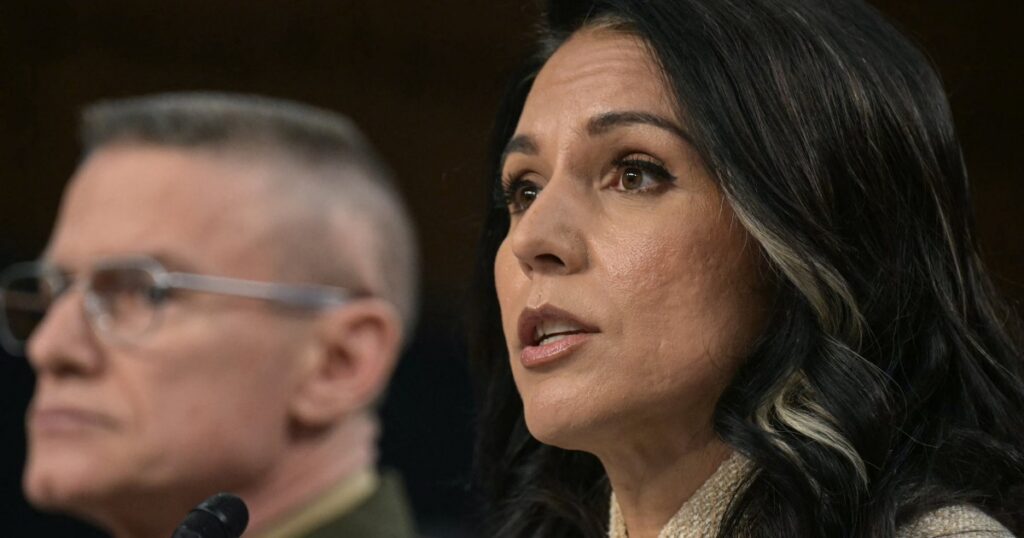
Director of National Intelligence Tulsi Gabbard testified before the Senate Intelligence Committee, expressing a cautious stance on Iran’s nuclear threat and avoiding full endorsement of the U.S.-Israeli military campaign. Her testimony highlighted divisions within the administration and intelligence community, especially after her deputy resigned in protest over the conflict’s justification. The ongoing conflict has caused significant geopolitical and economic disruptions, with Iran retaliating against U.S. interests despite degraded military capabilities.
Federal Reserve Holds Interest Rates Steady Amid Middle East Conflict and Rising Inflation Pressures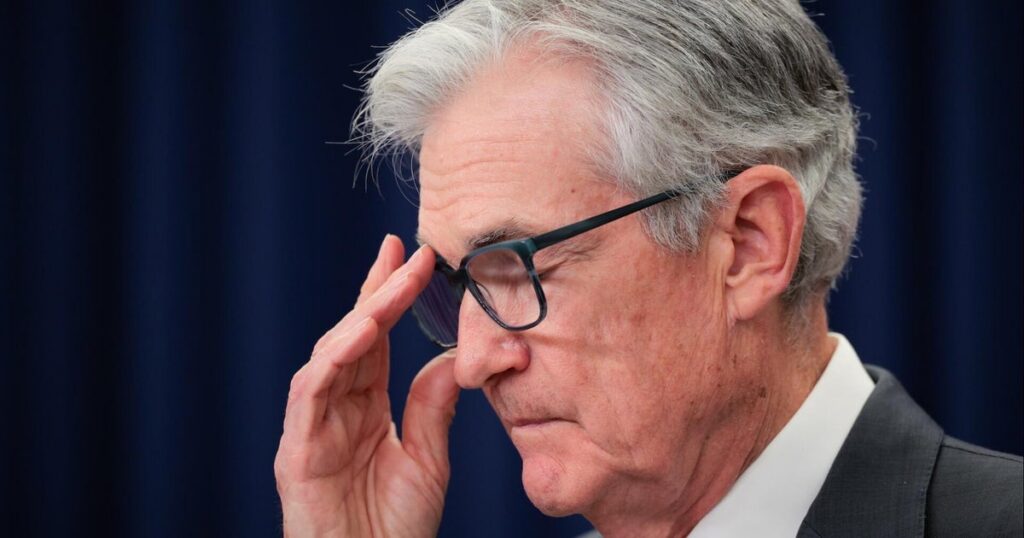
Federal Reserve Holds Interest Rates Steady Amid Middle East Conflict and Rising Inflation Pressures
The Federal Reserve announced it will keep its benchmark interest rate steady at 3.5% to 3.75%, marking a second consecutive pause amid economic uncertainty driven by geopolitical tensions in the Middle East. Rising energy prices due to the conflict between the U.S., Israel, and Iran have intensified inflationary pressures, while recent economic data showed unexpected job losses and higher wholesale inflation. Federal Reserve Chair Jerome Powell is expected to provide further guidance on monetary policy amid these challenges, with potential rate cuts later in 2026 remaining uncertain.
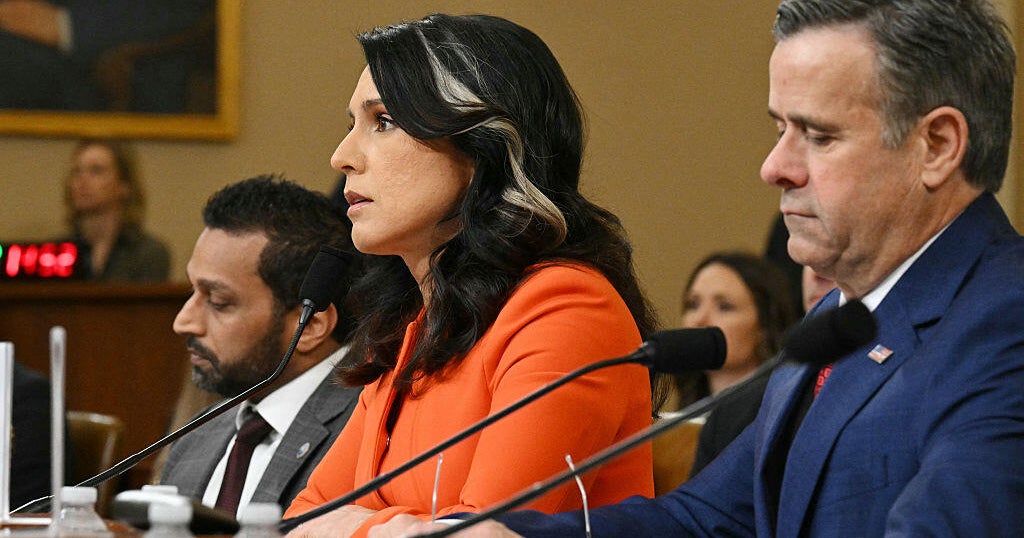
Top U.S. intelligence officials, including Director of National Intelligence Tulsi Gabbard, testified before the Senate Intelligence Committee amid heightened tensions following the U.S. military campaign against Iran, which was justified by the Trump administration as a response to an imminent threat despite intelligence reports indicating Iran was not actively pursuing nuclear weapons. The hearing occurred shortly after the resignation of Joe Kent, head of the National Counterterrorism Center, who criticized the administration’s rationale for war, while lawmakers remain divided over calls for greater transparency and public hearings on the conflict. As the debate over oversight continues, Democratic lawmakers push for more disclosure, whereas many Republicans argue that classified briefings suffice to protect national security.
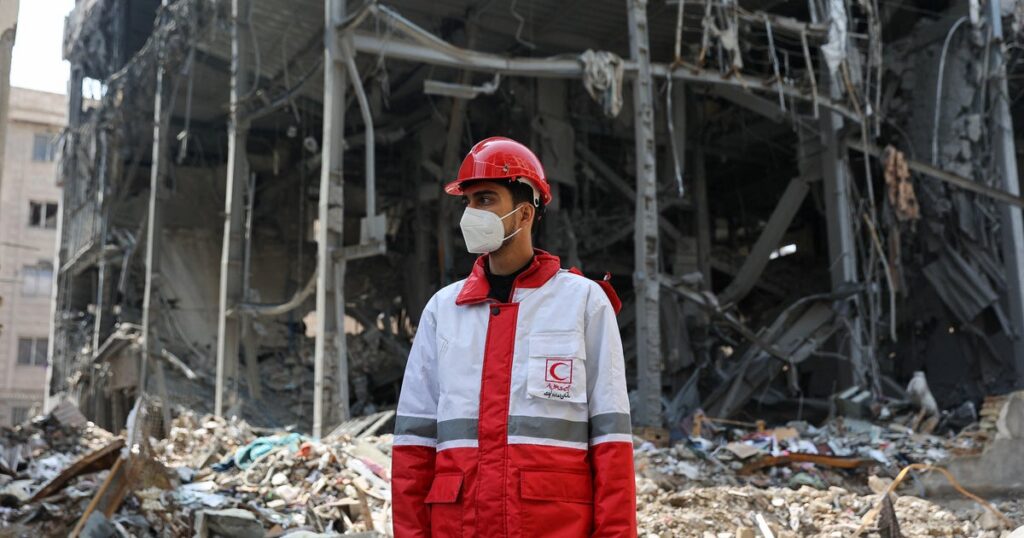
Iran launched missile and drone attacks on Israel and Persian Gulf states following Israeli airstrikes that killed senior Iranian officials, escalating the Middle East conflict with casualties reported near Tel Aviv and Beirut. Israeli Defense Minister Israel Katz vowed to target all senior Iranian figures and hinted at intensified military operations, while Iran maintained governmental stability despite losses and condemned U.S.-Israeli strikes on its territory. The conflict has triggered regional diplomatic efforts, disrupted global oil markets, and sparked controversy within the U.S. administration, including the resignation of a counterterrorism official critical of the war’s justification.
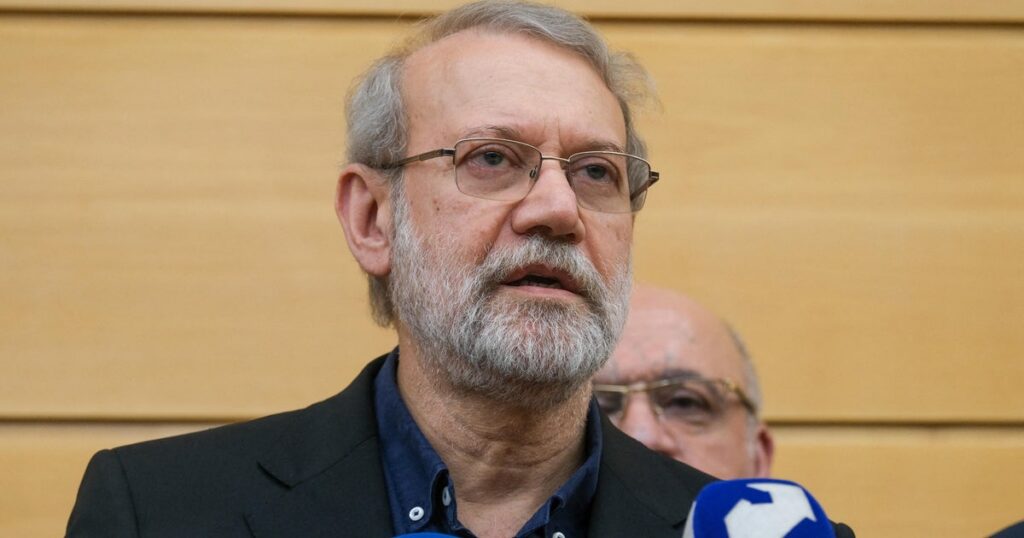
Israel announced the killing of Ali Larijani, a top Iranian security official and former head of Iran's Supreme National Security Council, along with several associates in overnight airstrikes, marking a significant escalation in the conflict with Iran. Larijani’s death removes a key insider known for balancing military action with negotiation, potentially hardening Iran’s stance, while Israel also targeted General Gholam Reza Soleimani, accused of repressing protesters. These assassinations have heightened regional tensions, disrupted global oil markets, and may entrench hardline factions in Iran, reducing prospects for a political resolution.
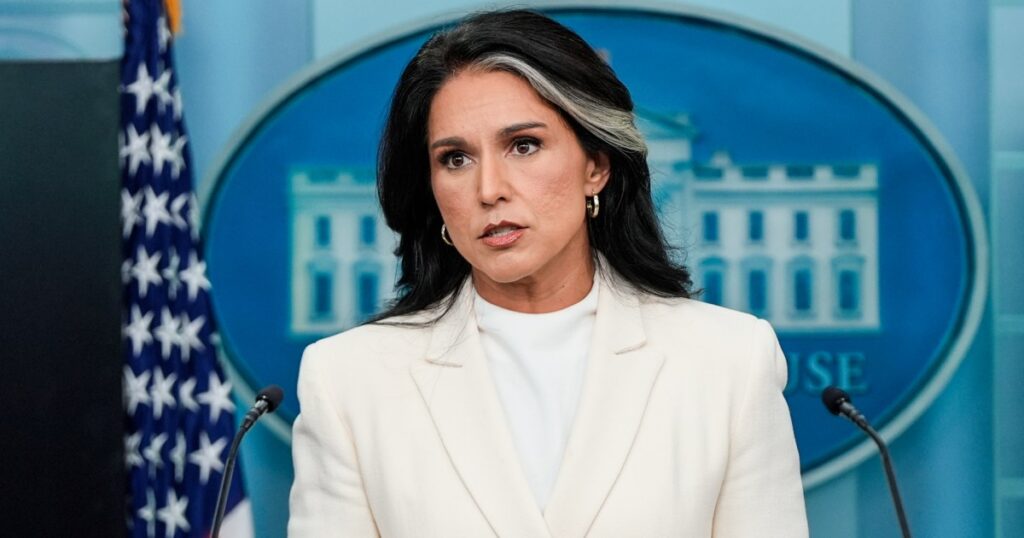
Joe Kent, former head of the National Counterterrorism Center, resigned in protest of the U.S.-Israeli military campaign against Iran, arguing that Iran posed no imminent threat and criticizing the war as influenced by Israeli pressure. His departure has intensified scrutiny on National Intelligence Director Tulsi Gabbard, who has maintained a neutral public stance but is expected to clarify her position during upcoming Senate testimony. The resignation has sparked debate within the Trump administration and Congress, highlighting divisions over U.S. foreign policy and the potential political consequences of the conflict.