
The U.S. Commerce Department reported a 0.3% contraction in the nation's GDP for the first quarter of 2025, a shift from the 2.4% growth in the previous quarter, primarily due to increased imports and slowing in other economic sectors. This news led to a significant drop in the stock market, with the S&P 500, Dow Jones Industrial Average, and Nasdaq Composite all experiencing declines, reflecting investor concerns. Additionally, persistent inflation and rising government bond yields present further challenges for policymakers as they address the complexities of the current economic landscape.
Posts published in “US”
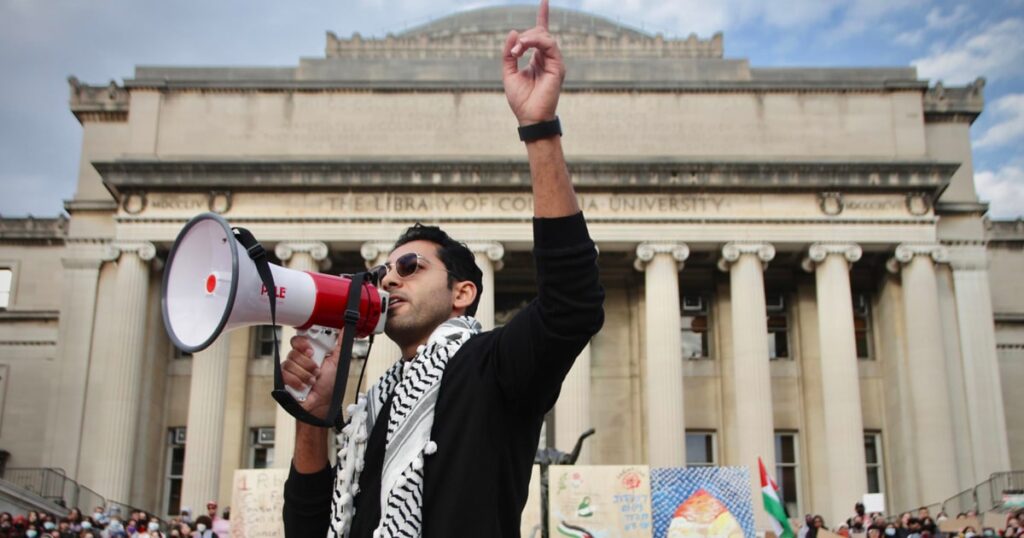
Columbia University student Mohsen Mahdawi, a Palestinian and U.S. permanent resident, was released on bail after being detained by immigration authorities during his naturalization interview, with his attorneys arguing the detention was politically motivated due to his involvement in pro-Palestinian protests. His case has sparked discussions about the intersection of immigration enforcement and political activism, particularly concerning the rights of non-citizens participating in political demonstrations. Mahdawi's release and public statements underscore the broader struggle for freedom and may influence future cases involving similar circumstances.
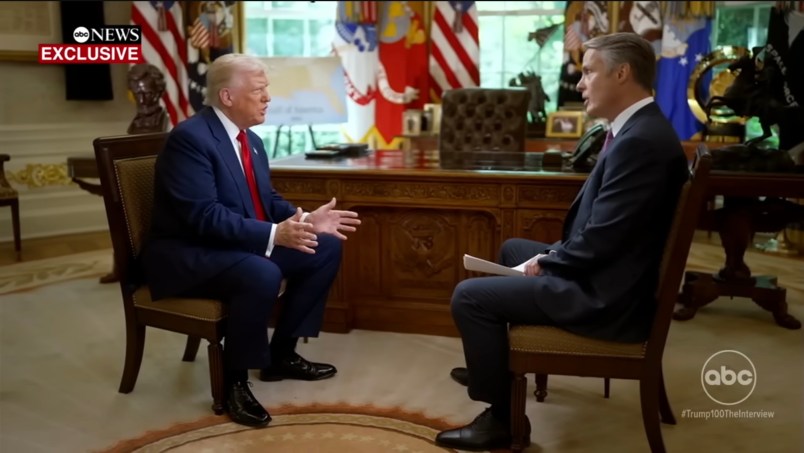
The Trump administration's decision to deport migrants to a maximum-security prison in El Salvador, using the Alien Enemies Act of 1798, has sparked constitutional debates, particularly in the case of Kilmar Abrego Garcia. Despite a Supreme Court mandate for his release, President Trump has refused to intervene, stating that the decision is not his to make. This reliance on an outdated law has raised concerns about its relevance today, with critics pointing out that many deportees have no criminal records, prompting scrutiny of the administration's deportation practices.

More than 40 Democratic members of Congress have expressed concerns about Customs and Border Protection (CBP) practices, citing increased denials of entry and reports of harsh questioning and arbitrary detentions. A notable incident involving the deportation of a 2-year-old U.S. citizen to Honduras has intensified scrutiny of the administration's immigration policies, with Homeland Security Secretary Kristi Noem explaining the child's deportation was at the mother's request. As the administration reports a significant decrease in illegal border crossings, incidents like the detention of an American citizen questioning her travel partner's treatment have fueled ongoing debates over border officials' conduct and calls for greater transparency and accountability.

The United States Supreme Court is set to hear a pivotal case regarding the establishment of St. Isidore of Seville Catholic Virtual School in Oklahoma, which could become the nation's first religious charter school. This case has sparked debate over the potential impact on laws in 45 states, the District of Columbia, and the federal charter school program, all of which currently require charter schools to be nonsectarian. A ruling in favor of the school could lead to public funds being directed to religious institutions, challenging the separation of church and state and potentially setting a precedent for the future of public funding for religious education nationwide.
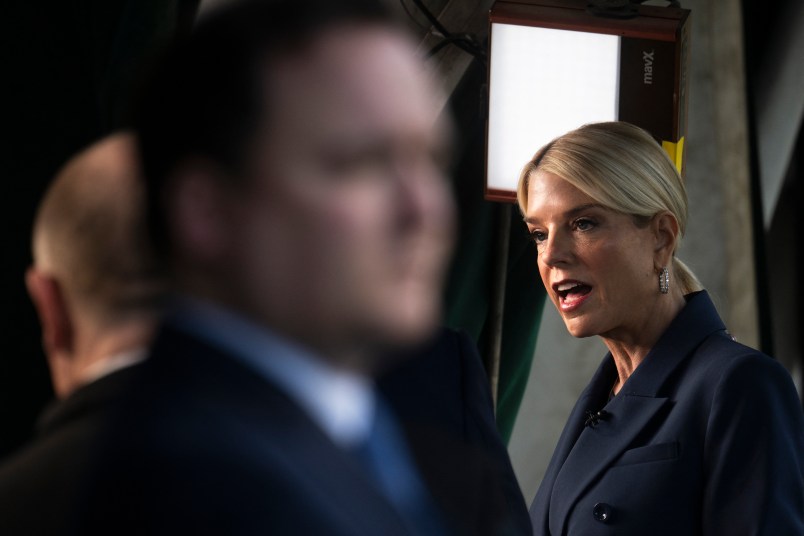
U.S. District Judge Terry Doughty has expressed concerns over the Trump administration's deportation practices, particularly highlighting the case of a 2-year-old U.S. citizen deported with his undocumented mother without due process. Additionally, 238 Venezuelan migrants were transported to a maximum-security prison in El Salvador under a rarely used law, despite most having no criminal convictions, raising questions about the administration's justification of labeling them as terrorists. These incidents, along with reports from the ACLU about other U.S. citizen children being deported, have sparked legal scrutiny and public debate over the transparency, legality, and ethics of current immigration policies.
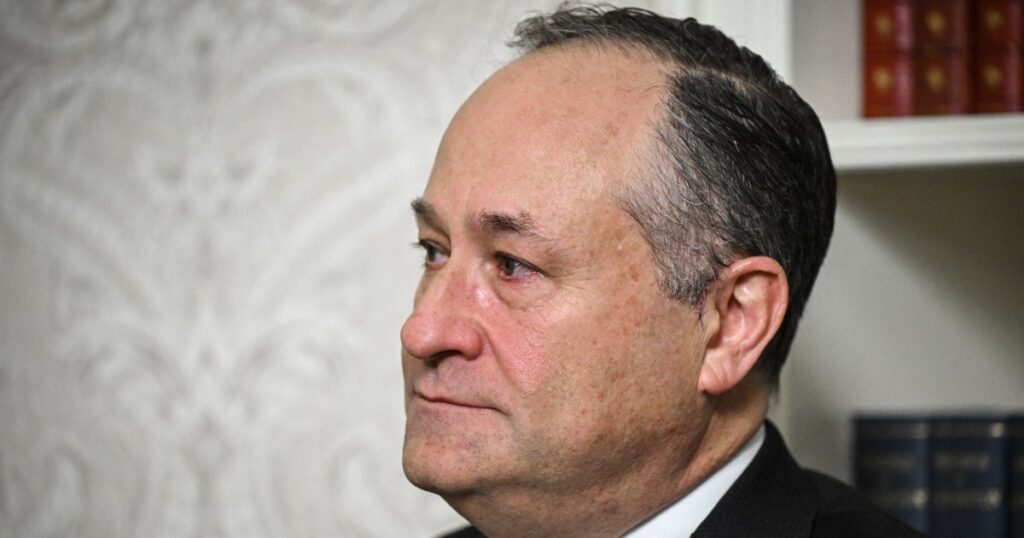
President Donald Trump has dismissed several members of the U.S. Holocaust Memorial Museum's board, including Doug Emhoff and Ron Klain, who were appointed by former President Joe Biden. These dismissals have sparked discussions about the potential politicization of the museum's mission and its governance. The decision has raised concerns about the impact of political appointments on cultural and historical institutions and their role in preserving and educating the public about significant historical events like the Holocaust.
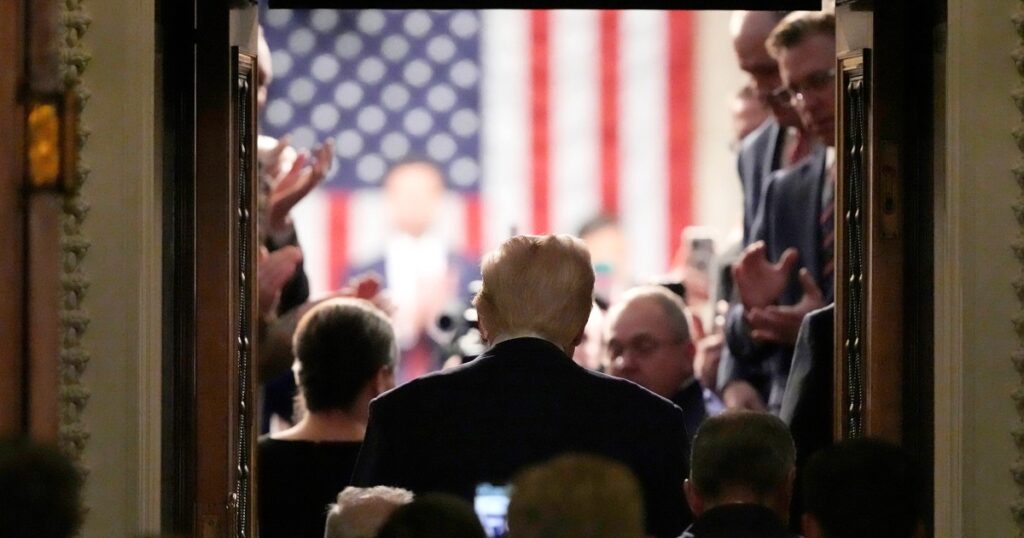
In the first 100 days of his second term, President Donald Trump has signed 142 executive orders, reflecting a swift and decisive approach to governance aimed at implementing his agenda across various policy areas. Despite ambitious goals such as ending the war in Ukraine and resolving major international conflicts, many elements of his agenda face challenges, including legal hurdles and opposition in Congress. As the effects of his executive actions continue to unfold, the administration's approach has sparked both support and criticism, with debates ongoing about the implications for the United States and its global role.