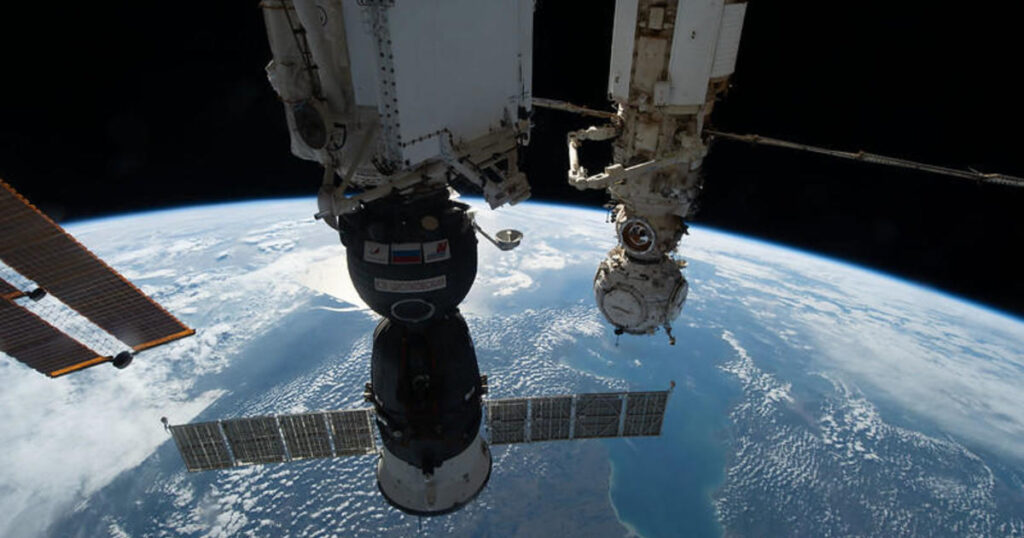
Key takeaways: Soyuz MS-23/69S spacecraft is carrying supplies and equipment to the ISS, and is expected to provide a safe ride home for the three…
Posts published in “Science”
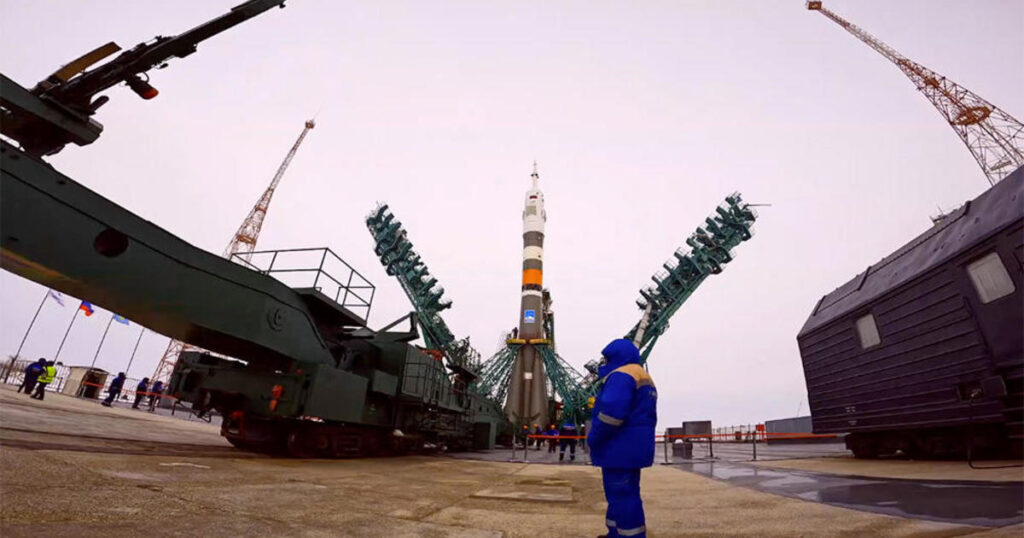
Russia is set to launch a Soyuz spacecraft from the Baikonur Cosmodrome in Kazakhstan to the International Space Station (ISS) on Thursday. The Soyuz MS-23/69S crew ferry ship will spend two days in orbit maneuvering towards the ISS and is loaded with equipment and supplies in place of a crew. If successful, the launch will be the first step in restoring the ISS's crew capacity.
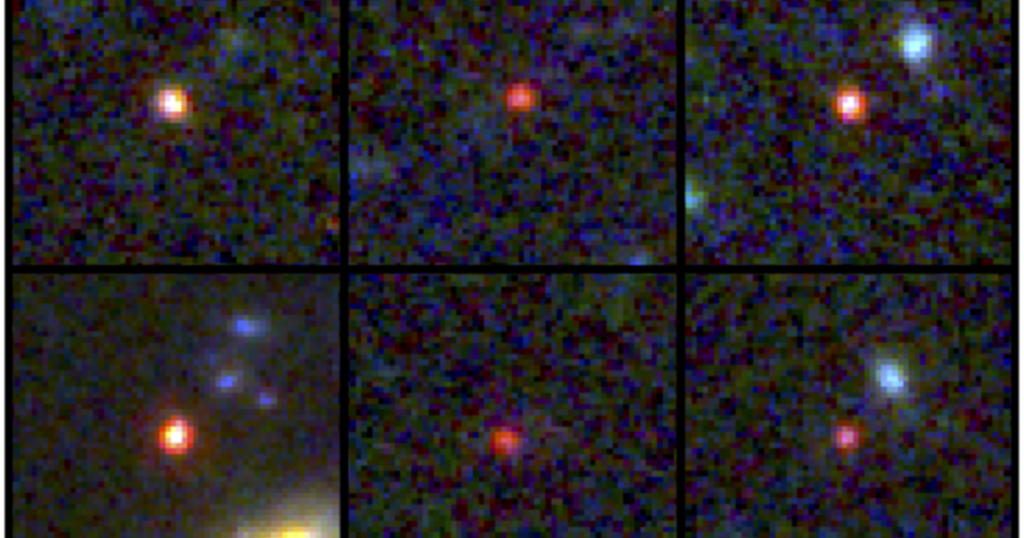
Astronomers have made a groundbreaking discovery of massive galaxies dating back to within 600 million years of the Big Bang, using the new James Webb Space Telescope. These galaxies appear to be mature, with a large fraction of their stars in place, suggesting that the early universe may have had a stellar fast-track. This discovery provides evidence that galaxies can form and mature quickly, opening up a new realm of possibilities for further research into the formation of the universe.
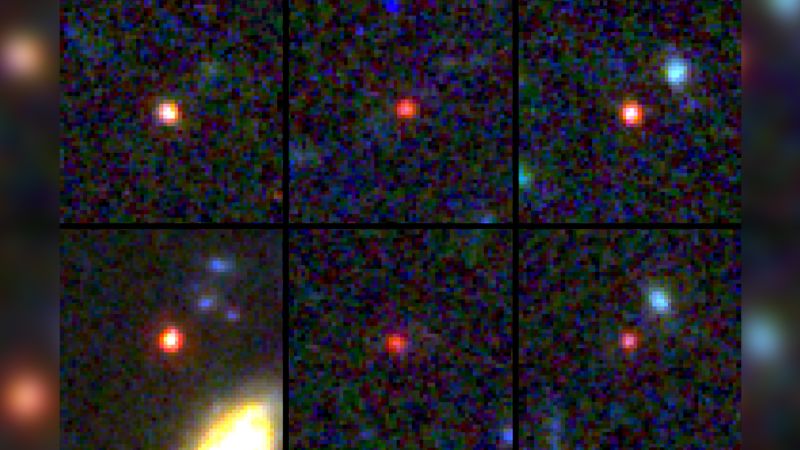
Astronomers have made a groundbreaking discovery using the James Webb Space Telescope, finding six massive galaxies that date back to within 600 million years of the Big Bang. These galaxies are more than 10 times more massive than the Milky Way, and their discovery could help scientists better understand how galaxies form and evolve. The telescope is capable of looking back to the earliest days of the universe, and has already spotted even older galaxies, dating to within a mere 300 million years of the beginning of the universe.
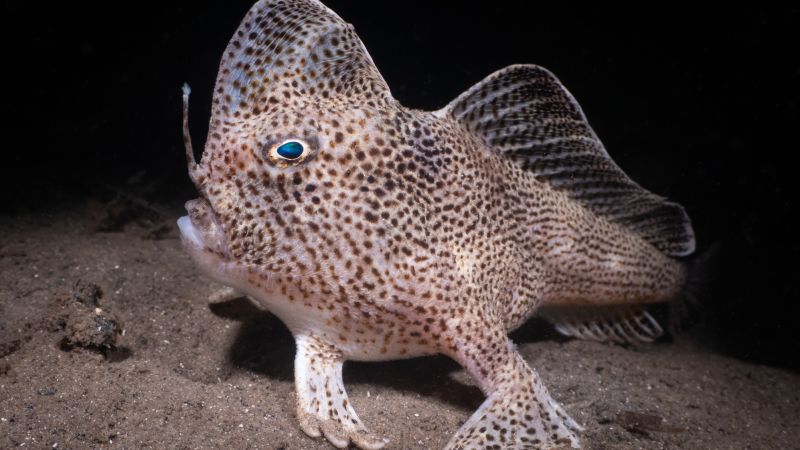
A photograph of the critically endangered spotted handfish has gone viral on social media, raising awareness of the species and its plight. The fish is unique in that it moves using pectoral fins that look like hands, and has a fluffy lure above its mouth to attract prey. The Handfish Conservation Project is working to protect the species and its habitat, and is calling on the public to help in its efforts.
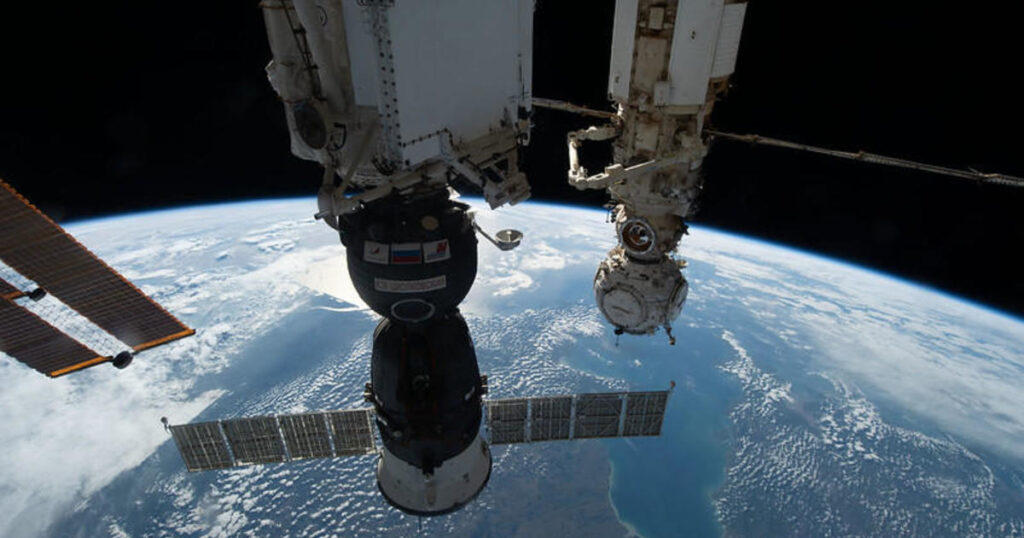
A coolant leak on a Russian supply ship docked to the International Space Station (ISS) has caused the launch of a replacement Soyuz capsule to be postponed until March. The leak was discovered on the Soyuz MS-22 crew ferry ship, which was docked at the Russian Rassvet module, and is believed to have been caused by a presumed micrometeoroid impact in December. The delay of the Soyuz capsule launch will not affect the operations of the ISS, as there are currently three crew members on board.
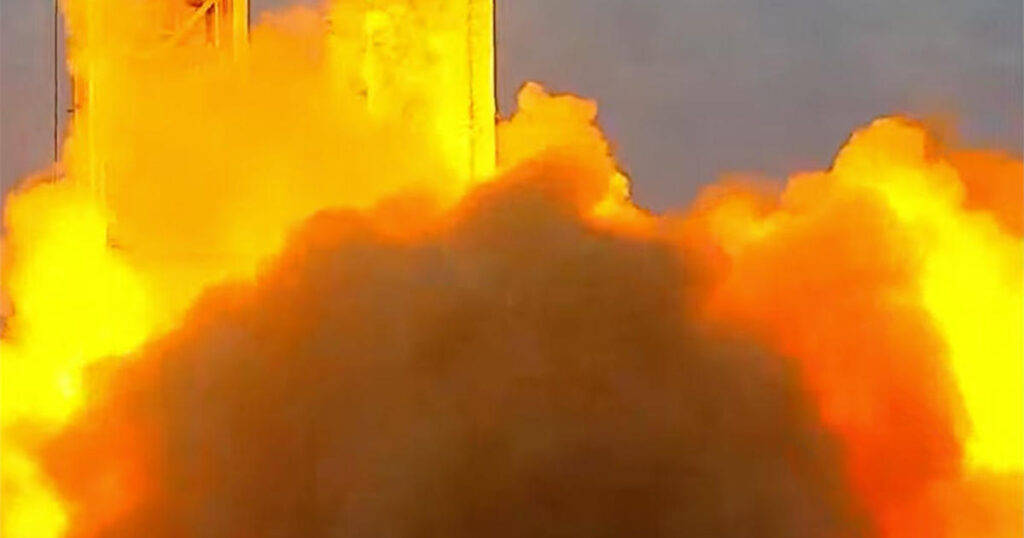
SpaceX has successfully completed a test fire of its Super Heavy rocket booster, powered by 31 Raptor engines capable of generating 16.5 million pounds of thrust. The booster is designed to carry payloads of up to 140,000 pounds to low Earth orbit and up to 37,000 pounds to Mars. The test fire marks a major milestone for SpaceX, and the booster's maiden flight is expected to take place as early as next month as part of the company's Starship spacecraft, which is designed to carry humans to the Moon and Mars.
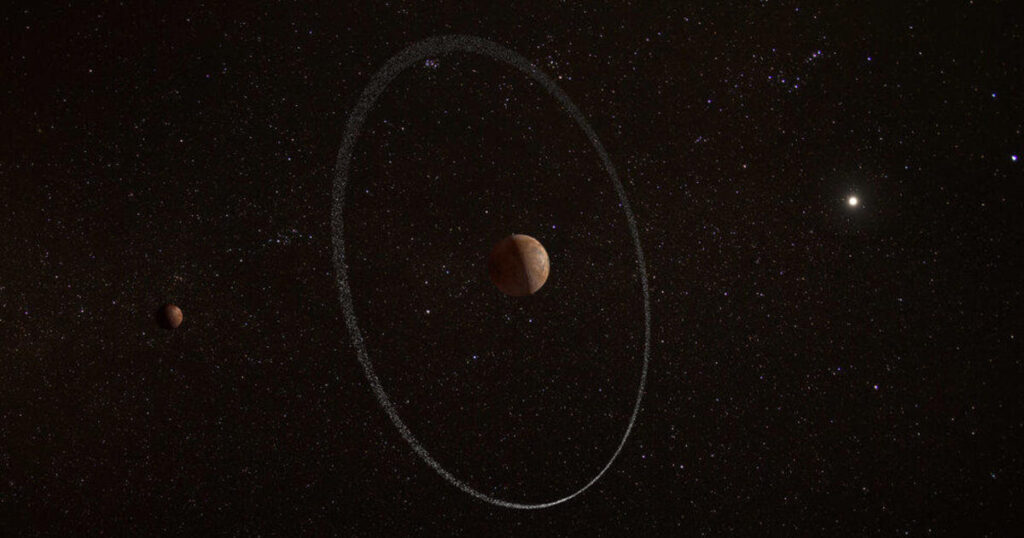
Scientists at the European Space Agency have made a surprising discovery about a dwarf planet in the outer reaches of the solar system: Quaoar has a dense ring around it, farther away from it than previously believed. This discovery was made using data from ground-based telescopes and the space-based telescope Cheops, when the planet blocked light from a distant star. Scientists and astronomers are now working to better understand the ring and its origin, as it could provide new insights into the formation of our solar system.