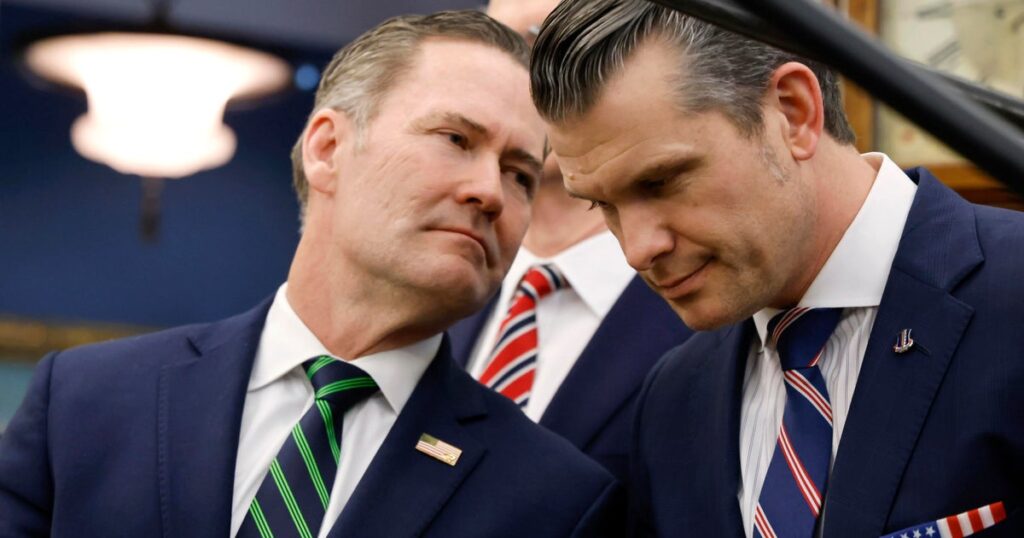
The White House is investigating an incident where Jeffrey Goldberg, editor-in-chief of The Atlantic, was mistakenly added to a group chat involving members of President Donald Trump’s administration discussing potential airstrikes in Yemen. The National Security Council confirmed the authenticity of the message thread and is reviewing how the error occurred, raising concerns about communication security within the administration. This incident highlights vulnerabilities in using encrypted messaging apps for official communications and underscores the need for secure channels in national security matters.
Posts published in “Politics”
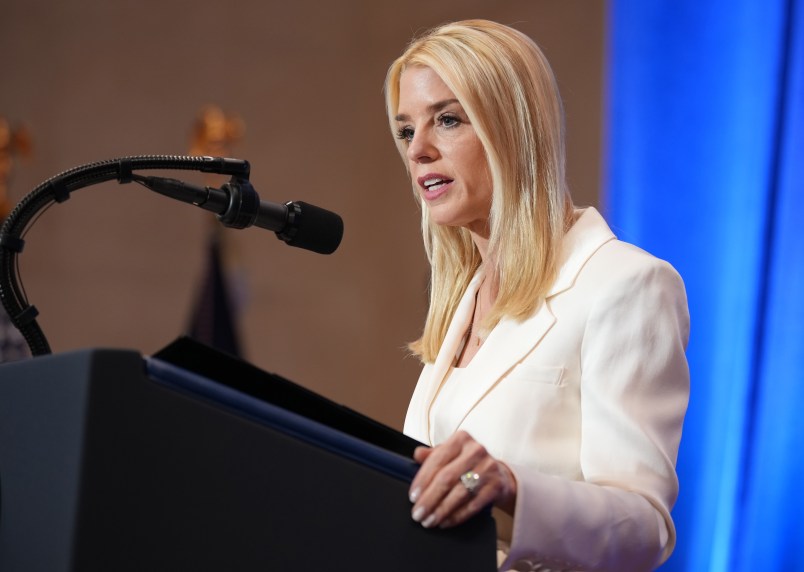
Pam Bondi, a former Florida Attorney General, has issued a warning to those criticizing Elon Musk, highlighting concerns about the Department of Justice under Trump's administration aligning with White House interests to protect Musk's business ventures. Critics argue that this reflects a broader pattern of the administration using governmental institutions to target political adversaries, raising questions about the impartiality of these entities. Additionally, Elon Musk's participation in a Cabinet meeting with Trump, where fiscal prudence was emphasized, underscores the close relationship between Musk and the administration, prompting discussions on the influence of business figures in politics.
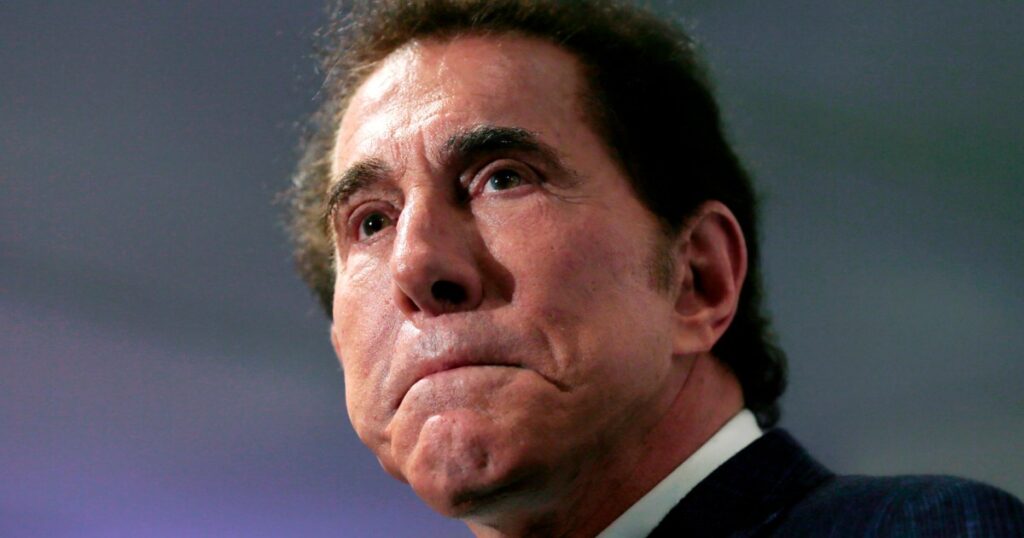
The United States Supreme Court has declined to hear a case brought by Steve Wynn, which sought to challenge the 1964 New York Times v. Sullivan decision that requires public figures to prove "actual malice" in defamation lawsuits. Wynn's case aimed to lower the threshold for public figures to pursue defamation claims, potentially altering media law, but the court's decision leaves the existing standard intact. This decision highlights the ongoing influence of the Sullivan ruling in protecting news organizations under the First Amendment, despite some calls to revisit the precedent.

President Donald Trump has issued a memorandum titled "Preventing Abuses of the Legal System and the Federal Court," which empowers Attorney General Pam Bondi and the Secretary of Homeland Security to sanction law firms filing "frivolous" lawsuits against his administration. This directive, which includes the potential revocation of security clearances for attorneys involved in such cases, has raised concerns among legal experts about its implications for the balance of power between the executive branch and the judiciary. Concurrently, Canada's Prime Minister has announced snap elections amid trade tensions with the U.S., adding complexity to the international political landscape.
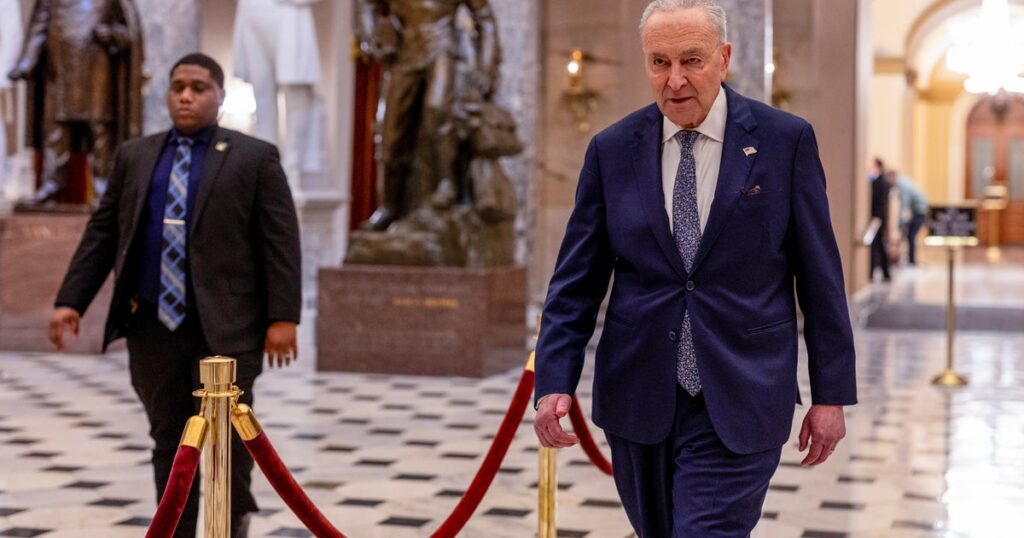
As lawmakers left Washington for a recess, the Democratic Party faced internal challenges and questions about its leadership, particularly concerning Senate Majority Leader Chuck Schumer's recent decisions. This period of reflection highlighted a broader uncertainty within the party about its strategic direction and effectiveness, as evidenced by evasive responses at Democratic town halls across the country. Meanwhile, political engagement remained high nationwide, with citizens actively participating in events and scrutinizing both Democratic and Republican lawmakers during the recess.
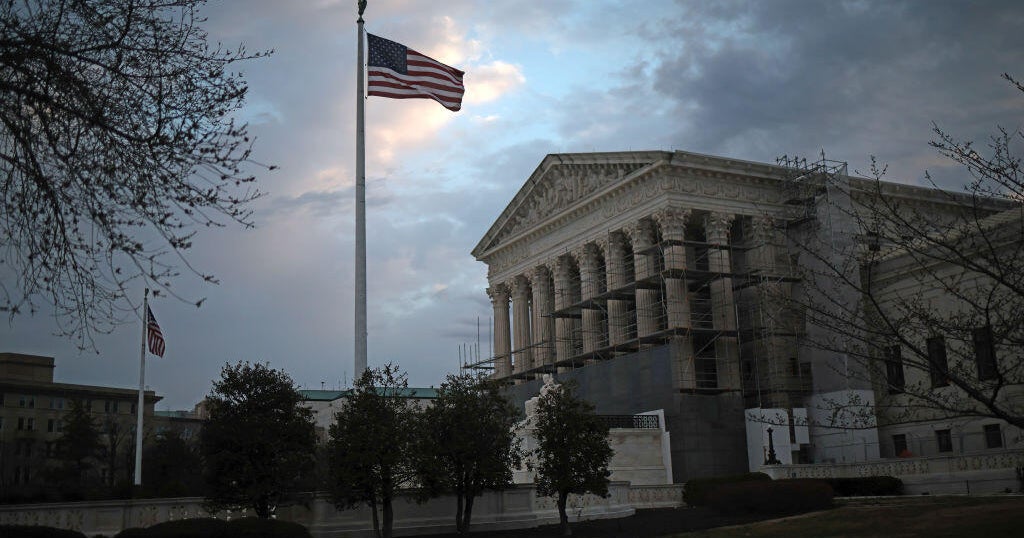
The United States Supreme Court is set to deliberate on a pivotal case regarding Louisiana's congressional map, which now includes two majority-Black districts for the first time in decades, following legal challenges after the 2020 census. This case has created an unusual alliance between civil rights organizations and Republican officials, highlighting the complex intersection of race and politics in district mapping. The Supreme Court's decision could have far-reaching implications for future redistricting efforts and the broader national debate on racial considerations in electoral representation.
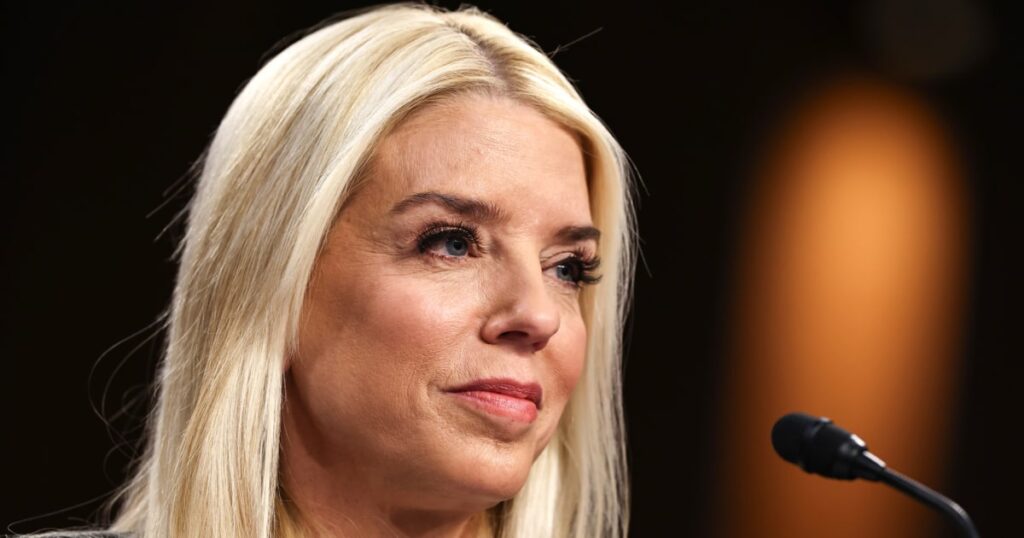
In a recent Fox News interview, former Florida Attorney General Pam Bondi criticized federal judges for challenging President Trump's policies, particularly those related to the Alien Enemies Act, arguing that these judges are overstepping their authority. Bondi expressed confidence that the Supreme Court will ultimately resolve these legal disputes, reflecting the administration's strategy of appealing to higher courts to overturn lower court decisions. The broader debate over judicial intervention in executive matters was also discussed on CBS's "Face the Nation," highlighting ongoing tensions regarding the separation of powers and the judiciary's role in shaping U.S. policy.
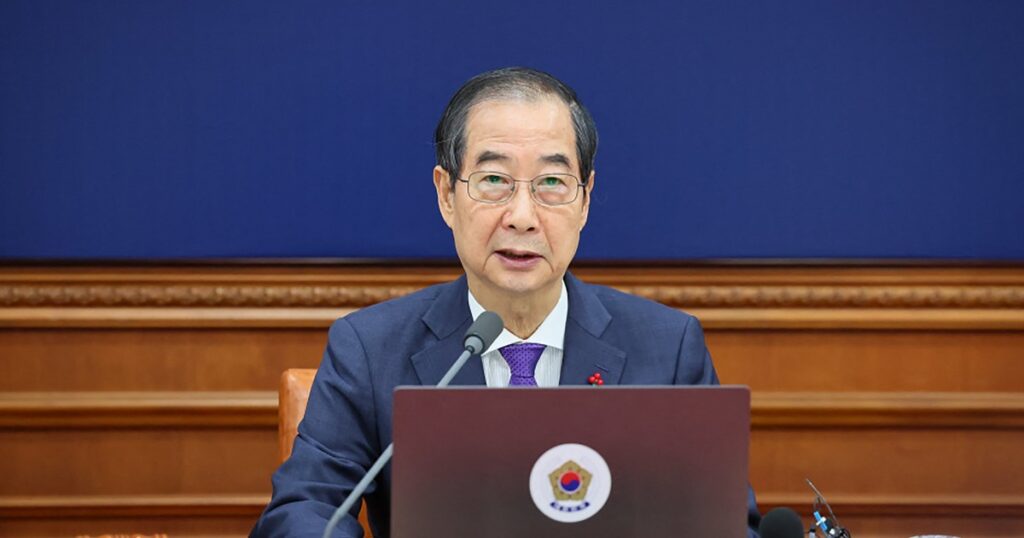
South Korea's Constitutional Court has reinstated Prime Minister Han Duck-soo as the acting leader after overturning his impeachment, amidst the political turmoil following President Yoon Suk Yeol's impeachment. Han's brief tenure as acting president was disrupted due to conflicts with the opposition-led parliament, particularly over judicial appointments, leading to his impeachment. While the court's decision to restore Han's powers marks a significant development, it does not directly affect the ongoing impeachment proceedings against President Yoon, leaving South Korea's political future uncertain.