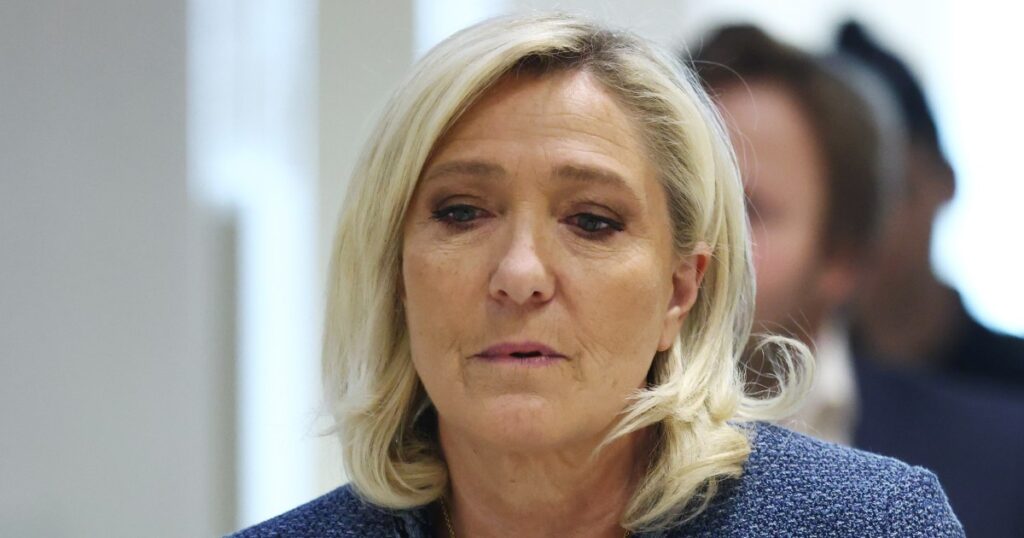
Marine Le Pen, leader of France's far-right National Rally party, has been sentenced to four years in prison, with two years suspended, and banned from holding public office for five years due to charges of embezzling EU funds. This ruling prevents her from running in the 2027 presidential election unless she successfully appeals, posing a significant challenge to her political career and the future of her party. The decision has prompted discussions about its impact on France's political landscape, as the National Rally must reconsider its strategy and leadership to sustain its influence.
Posts published in “Politics”
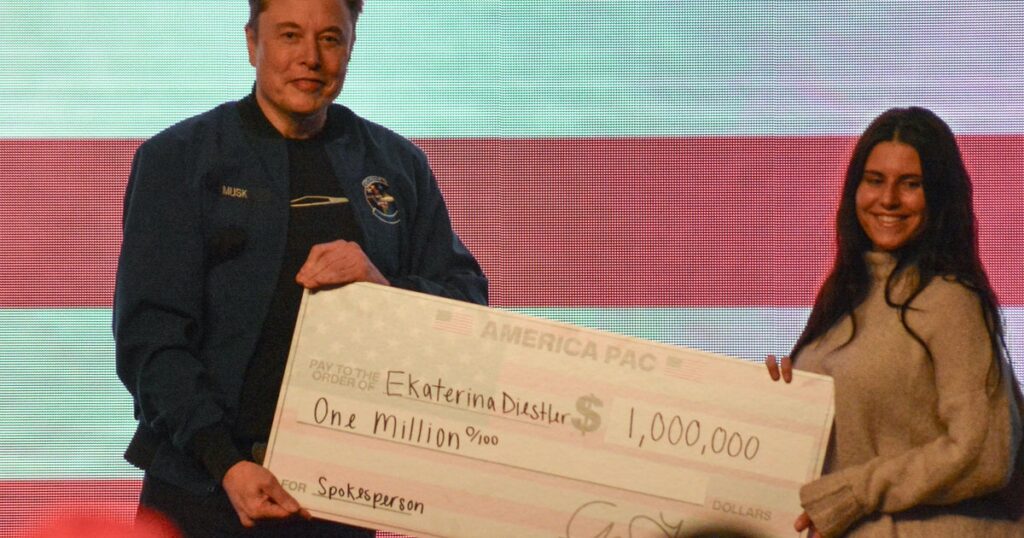
Elon Musk held a town hall event in Green Bay, Wisconsin, urging support for conservative candidate Brad Schimel in the state Supreme Court election, which he deemed crucial. Despite a legal dispute over Musk's financial contributions to voters, the Wisconsin Supreme Court declined to hear the case, allowing his $1 million checks to proceed. At the event, Musk also promoted his Department of Government Efficiency, emphasizing its mission to reduce federal waste and fraud, while defending its controversial actions.
VP JD Vance’s Opposition to Trump’s Yemen Strike Sparks GOP Division and Fuels Foreign Policy Debate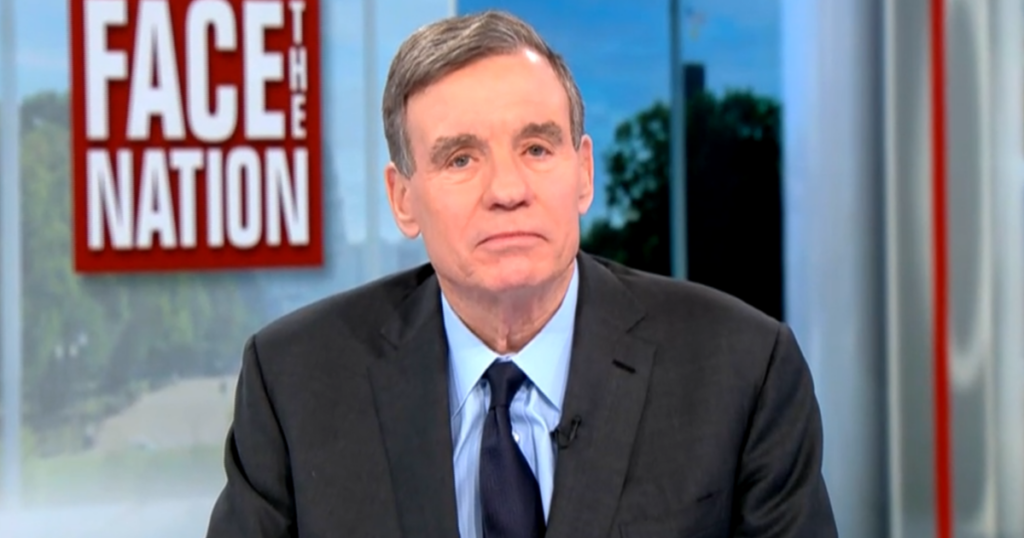
VP JD Vance’s Opposition to Trump’s Yemen Strike Sparks GOP Division and Fuels Foreign Policy Debate
Vice President JD Vance's opposition to President Donald Trump's military strike against Houthi forces in Yemen has caused significant division within the administration and the Republican Party, as revealed through a leaked Signal chat. This disagreement highlights the broader debate over the U.S.'s aggressive military strategy and its foreign policy priorities, with some lawmakers accusing Vance of trying to obstruct the President's directive. Senator Mark Warner discussed the potential implications of this strategy on "Face the Nation," noting the strategic importance of reopening Red Sea trade routes, which adds another layer to the ongoing discourse on America's international role and national interests.
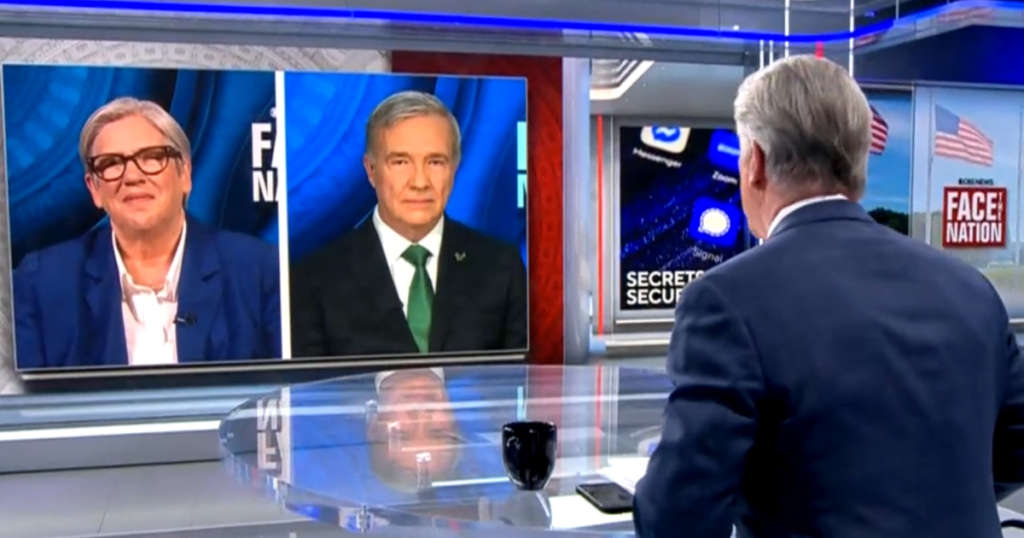
A CBS News poll reveals that 76% of Americans find the use of the messaging app Signal by administration officials to discuss military plans inappropriate, with this view shared by a majority of independents and Republicans. The controversy is intensified by Vice President JD Vance's concerns over President Trump's decision to strike the Houthis in Yemen, which were expressed in a public Signal chat, causing discontent among senior Republican lawmakers. This situation highlights a broader debate about the appropriateness and security of using non-traditional communication methods for sensitive military discussions, reflecting public concern over transparency and the administration's foreign policy strategy.
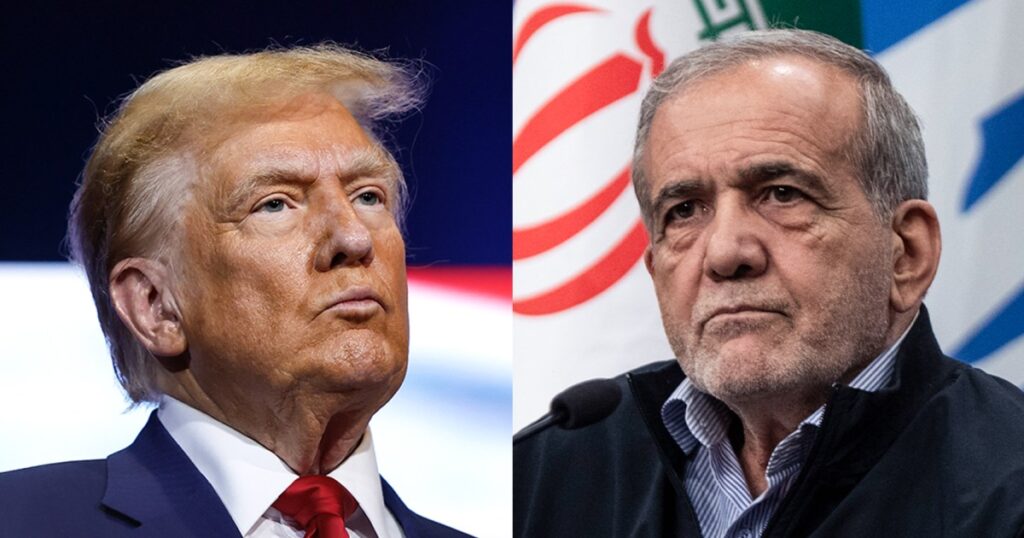
Iran has rejected direct negotiations with the United States over its nuclear program, as stated by Iranian President Masoud Pezeshkian, but remains open to indirect talks through Oman. The history of U.S.-Iran negotiations has been complicated by the U.S.'s withdrawal from the nuclear deal in 2018, leading to stalled diplomatic efforts. The situation is further strained by the Israel-Hamas conflict, which adds tension to U.S.-Iran relations and affects regional stability, leaving the future of negotiations uncertain.
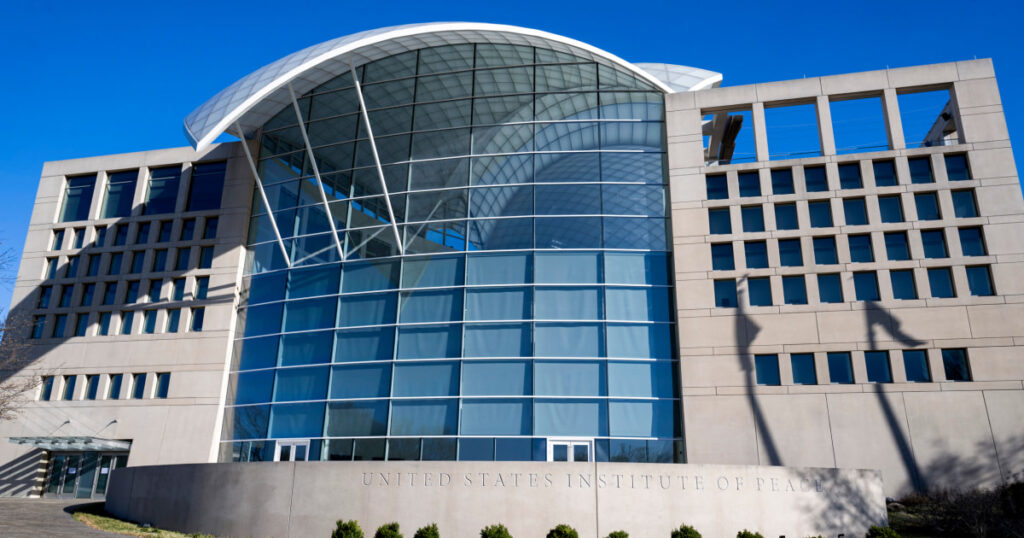
The U.S. Institute of Peace (USIP) has issued termination notices to most of its employees, affecting various departments within the congressionally funded organization. This decision follows a controversial incident involving the Department of Government Efficiency, led by Elon Musk, which has drawn attention to the institute's ongoing changes. The future of USIP, which employs around 300 people and has been instrumental in promoting peace and conflict resolution, remains uncertain amid these significant organizational shifts.

President Donald Trump has signed an executive order directing the Department of Homeland Security and the Department of Government Efficiency to scrutinize voter registration lists across states to identify instances of voter fraud, particularly focusing on noncitizens. This initiative has sparked discussions about the balance of power between the executive branch and existing federal election laws, as it involves reviewing publicly available voter registration lists and comparing them with federal and state records. Meanwhile, in Iowa, concerns about Social Security have been prominent among seniors, with delays in payments affecting individuals like Anne Bacon, highlighting the challenges faced by many seniors who depend on timely Social Security checks.
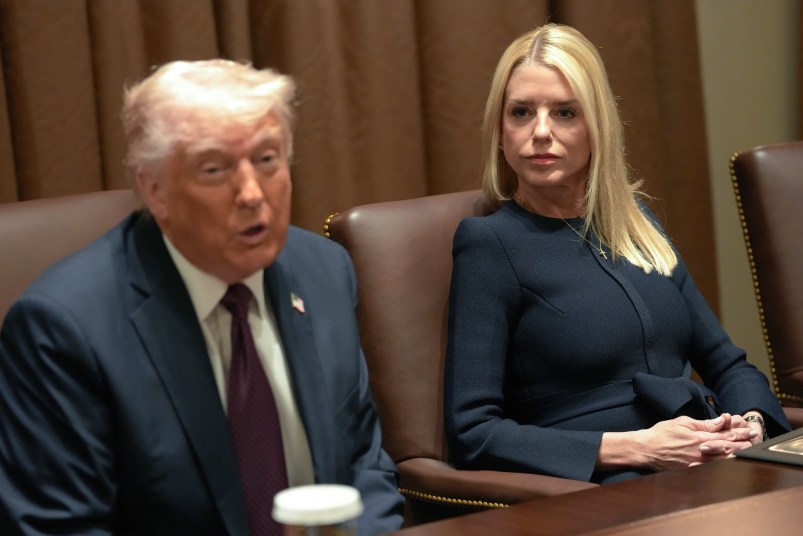
Attorney General Pam Bondi has publicly addressed a significant breach involving a Signal group chat at the highest levels of the U.S. government, ruling out an investigation and instead defending the Trump administration while criticizing its detractors. This decision has sparked debate over whether Bondi's stance serves as a protective measure for the administration or a strategic focus on other priorities, with the controversy becoming a key point in discussions about the Trump administration's national security handling. Concurrently, President Trump withdrew Elise Stefanik's nomination for U.N. ambassador, fueling speculation about the administration's internal dynamics and approach to appointments, all within a rapidly evolving political landscape.