
In response to a recent militant attack in Indian-controlled Kashmir that resulted in 26 deaths, Indian Prime Minister Narendra Modi has vowed to address terrorism and its supporters, emphasizing decisive action against those responsible. Modi paid tribute to the victims and, while refraining from directly naming Pakistan, made it clear that India would pursue the perpetrators relentlessly. Additionally, India's External Affairs Ministry announced the suspension of the Indus Water Treaty with Pakistan, contingent on Pakistan taking credible steps to stop supporting cross-border terrorism, highlighting the heightened tensions and a shift in India's diplomatic approach.
Posts published in “Politics”
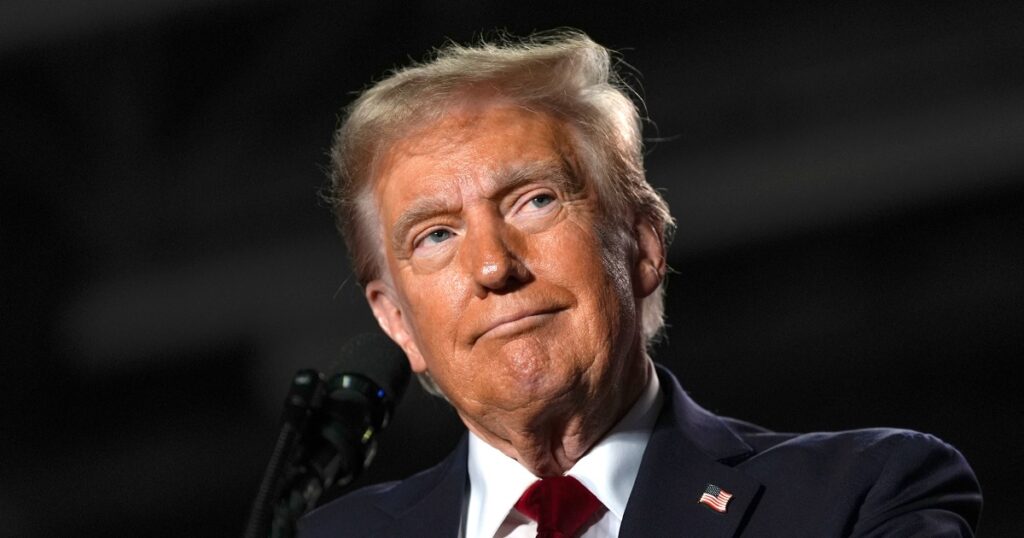
President Donald Trump is set to hold a rally in Macomb County, Michigan, next Tuesday to mark the first 100 days of his administration, with the announcement made by White House press secretary Karoline Leavitt. This visit will be Trump's first trip to Michigan since his narrow victory over Kamala Harris in the 2024 election, highlighting the state's importance as a key battleground. Macomb County has been a frequent stop for Trump, and the upcoming rally is expected to draw significant attention as it offers an opportunity for the president to showcase his administration's achievements during its initial 100 days.

Numerous universities and colleges in the United States, including prestigious institutions like Harvard and MIT, have expressed concerns over "political interference" by the Trump administration, criticizing its attempts to influence educational policies and pause federal funding. While most Ivy League schools signed a joint letter condemning these actions, Dartmouth College chose not to participate, instead focusing on legal battles related to funding pauses and new research grant policies. This situation underscores a broader debate within academia about how to address perceived governmental intrusions, with potential implications for the future relationship between higher education and the federal government.
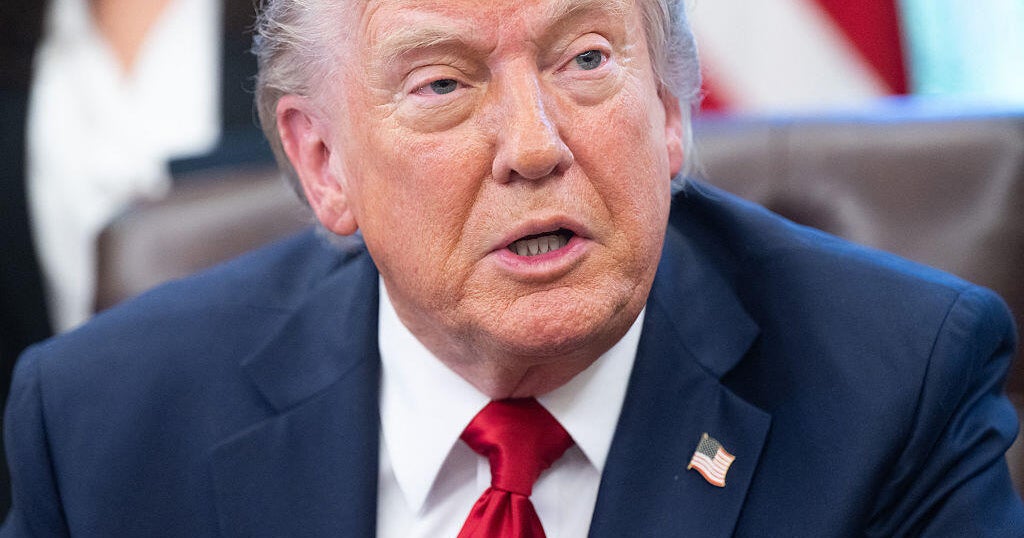
Twelve states have filed a lawsuit against President Donald Trump's tariff policy, arguing it disrupts the constitutional balance of power by undermining Congress' authority to regulate foreign commerce. Spearheaded by Arizona and Oregon's Attorneys General, the lawsuit seeks to halt the enforcement of tariffs imposed under a wartime law, claiming the application of this law is unlawful and has led to economic instability. The case highlights ongoing debates about presidential powers in trade matters and could significantly impact the balance of power between the executive branch and Congress.
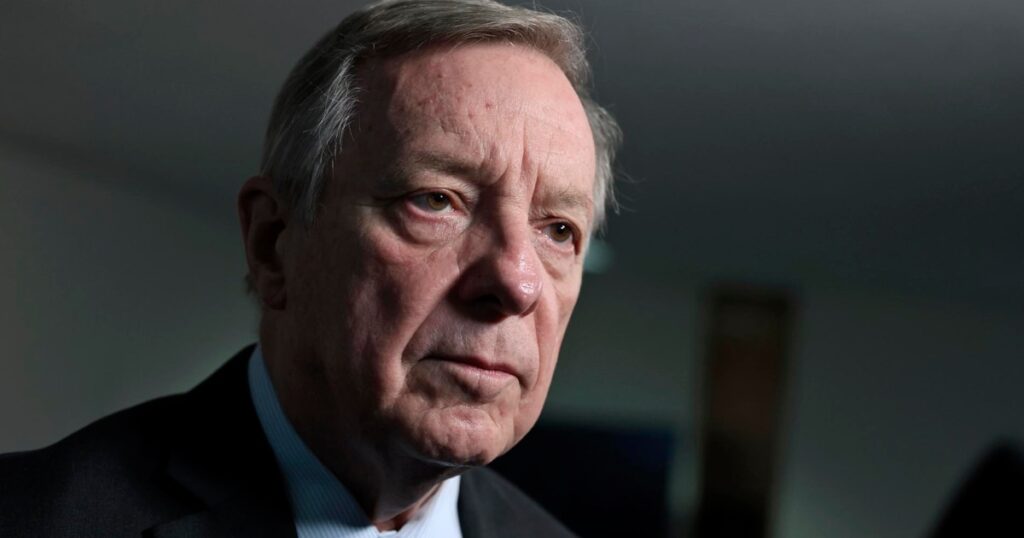
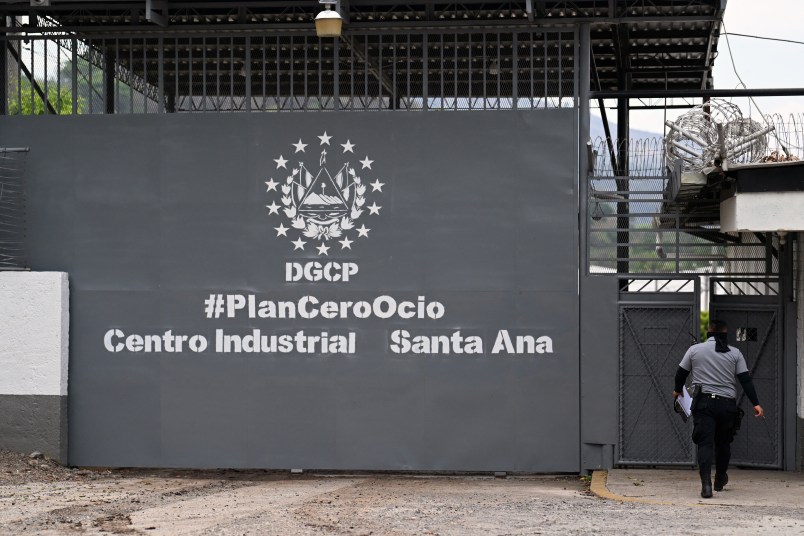
Illinois Governor JB Pritzker is considering a boycott against El Salvador in response to President Nayib Bukele's cooperation with the Trump administration, which allegedly violated the due process rights of a deported Maryland resident. To exert pressure on El Salvador, Pritzker has directed state pension funds and procurement agencies to identify and potentially divest from any investments or contracts with the country. This action reflects a broader trend of state-level involvement in foreign policy, particularly concerning human rights issues, and highlights the complexities of international relations influenced by domestic politics.
In the case of Kilmar Abrego Garcia, U.S. District Judge Paula Xinis has criticized the Trump administration for non-compliance with court orders after Abrego Garcia was mistakenly deported and wrongfully imprisoned. Controversy arose when a manipulated image falsely linking Abrego Garcia to the MS-13 gang circulated online, with President Trump sharing the image to support his claims. This situation highlights the legal and constitutional challenges faced by the Trump administration's immigration policies, as well as the critical role of the judiciary in addressing these complex issues.
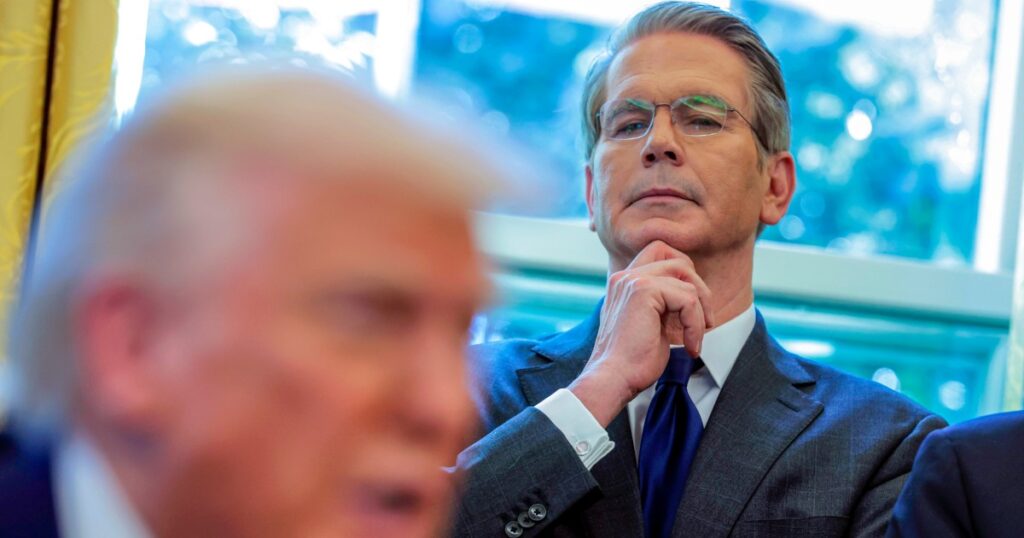
In a recent address at the Institute of International Finance, Treasury Secretary Scott Bessent emphasized the Trump administration's focus on rebalancing the U.S. economy towards manufacturing, highlighting that over 100 countries have approached the U.S. to address trade imbalances. He urged China to shift away from its export-led growth model, describing it as "unsustainable," and expressed the need for economic rebalancing between the two nations, aligning with the administration's goal of enhancing U.S. manufacturing. Amidst ongoing trade tensions, Bessent suggested the potential for a significant trade agreement with China, though he did not indicate any immediate changes to the administration's assertive trade policies.
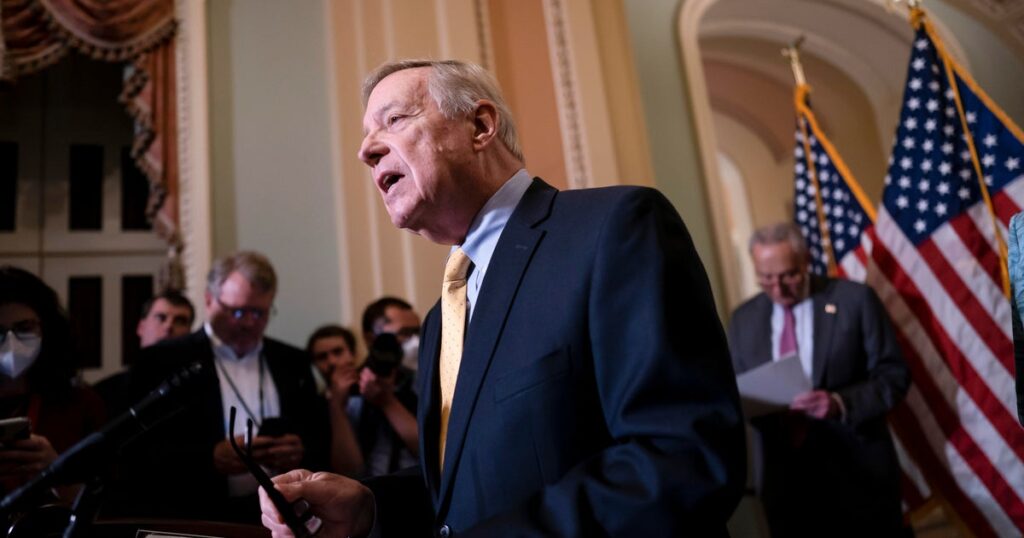
Senator Dick Durbin of Illinois has announced he will not seek re-election in 2026, ending his long tenure in Congress and expressing gratitude for the support from his constituents. His decision will leave a vacancy in the Senate's Democratic leadership and is expected to lead to a competitive primary race in the Democratic-leaning state. Durbin, who has played significant roles in legislative efforts and party leadership, emphasized the importance of passing the torch to a new generation of leaders.