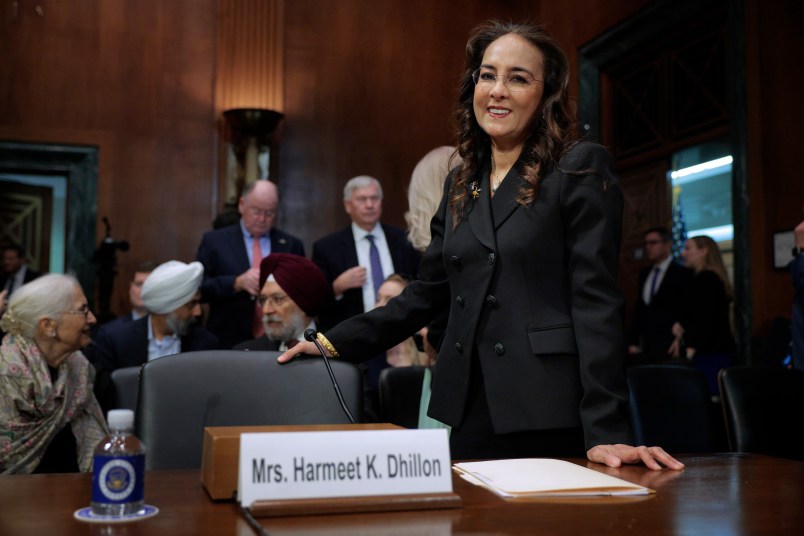
President Donald Trump is marking his 100th day in office with a visit to Macomb County, Michigan, a key region for his electoral base, highlighting his efforts to reshape the political landscape. During his early tenure, Trump has focused on transforming American governance, notably impacting the Department of Justice's Civil Rights Division, which has seen significant turnover and a shift in priorities. As Trump reflects on his initial 100 days, the nation continues to debate the implications of his policies on civil rights and the broader societal and governmental changes under his administration.
Posts published in “Politics”
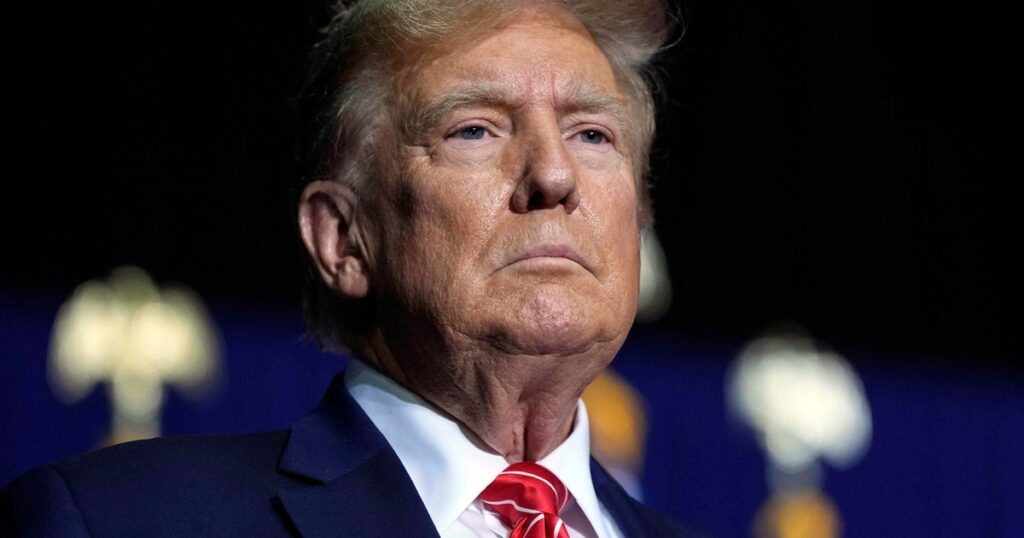
President Donald Trump is set to deliver a speech in Macomb County, Michigan, marking the 100-day milestone of his second term, where he will highlight key initiatives such as mass deportation operations, government reduction efforts, and changes to global trade. Despite facing challenges, including divided public opinion on economic management and legal opposition to his policies, Trump has seen slightly higher approval ratings compared to his first term, supported by a solid Republican base and some positive economic indicators. The speech will be an opportunity for Trump to reinforce his policy agenda and rally support as he navigates the complexities of his second term.
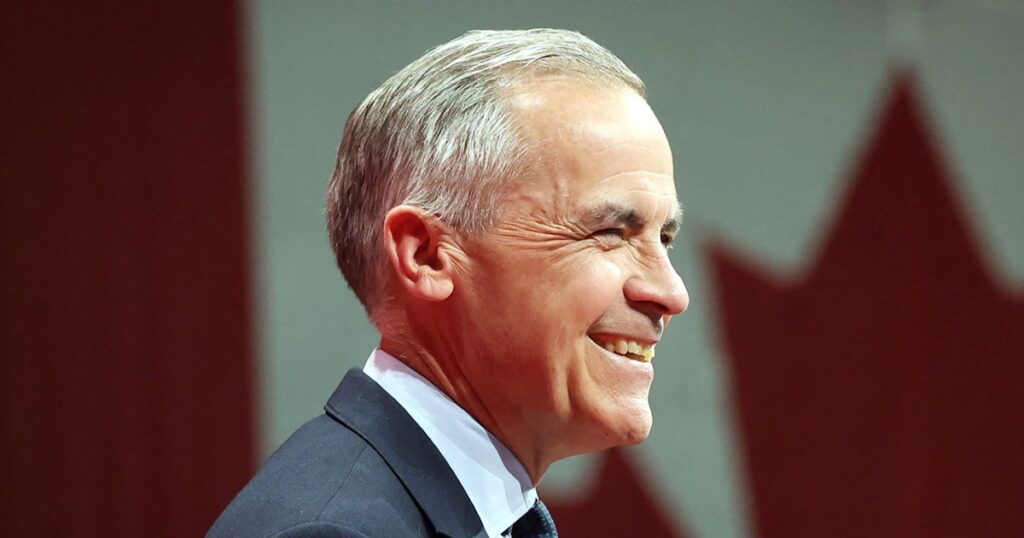
In a significant political event, Canadian voters have extended the tenure of the Liberal Party, led by Prime Minister Mark Carney, although it remains uncertain if they will achieve a majority government. The election was notably influenced by external factors, particularly the policies of U.S. President Donald Trump, which shaped the political landscape in Canada. As the Liberals secured more seats than their main competitors, the Conservative Party, the outcome suggests that Canadian voters prefer continuity in leadership amidst international and domestic challenges, though the final government composition may require collaboration with smaller parties.
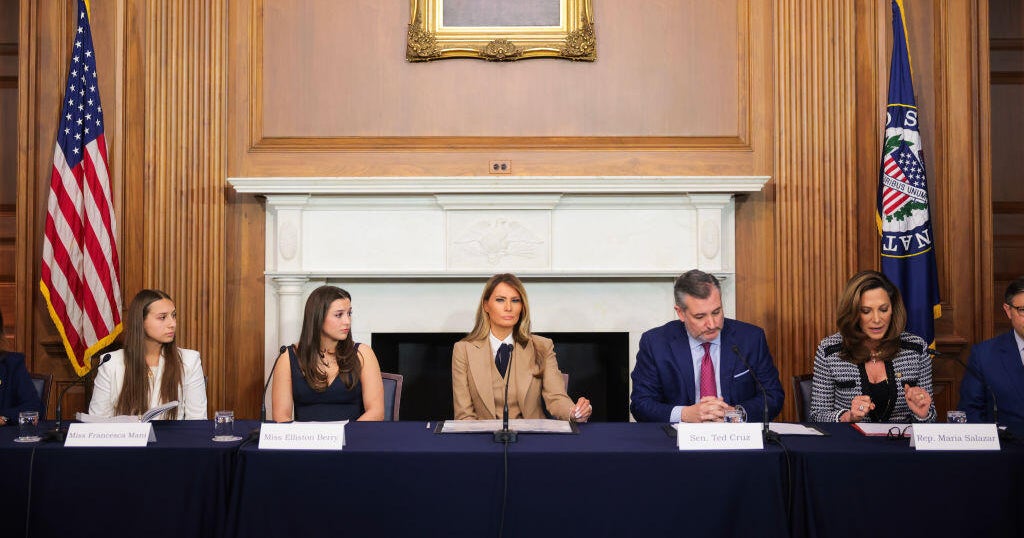
The United States House of Representatives has passed the bipartisan "Take It Down Act," which criminalizes the nonconsensual distribution of both real and AI-generated sexually explicit imagery online. The legislation requires social media companies and online platforms to remove such content within 48 hours of a victim's request, addressing the growing misuse of AI technologies to create explicit content without consent. With overwhelming support in both the House and Senate, the bill now awaits President Donald Trump's signature, marking a significant legislative effort to protect individuals from the harmful effects of revenge porn and AI-generated explicit content.

Russian President Vladimir Putin has declared a three-day ceasefire in the conflict with Ukraine, set to coincide with the 80th anniversary of "Victory Day," commemorating Russia's victory over Nazi Germany. The ceasefire, beginning on May 8 and ending on May 11, aligns with Victory in Europe Day, a significant holiday in Russia. Despite this gesture, Ukraine remains skeptical due to past violations by Russian forces and has warned of a response to any breaches, highlighting persistent tensions and difficulties in securing lasting peace.
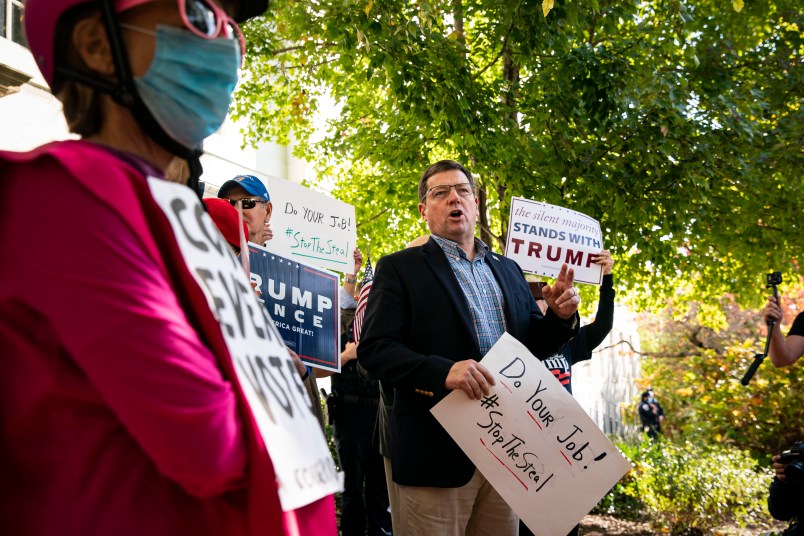
Congressional committees are set to begin work on a major legislative initiative central to President Trump's first-year agenda, following the adoption of a budget resolution by both the House and Senate. In opposition to the Republican budget plan, House Minority Leader Hakeem Jeffries and Senator Cory Booker staged a sit-in protest at the Capitol, criticizing the ethics of the plan and expressing concerns about a judicial ruling involving Judge John Barberis. The protest, which was livestreamed, highlighted a legal case over control of the Eagle Forum and was described by Senator Booker as a "moment of moral urgency" as Congress reconvenes after a recess.

Russia has publicly acknowledged the involvement of North Korean troops in its conflict with Ukraine, marking a first in recognizing their contribution under a strategic partnership between the two nations. This announcement coincided with Russia's claim of regaining control over the Kursk region, although Ukraine disputes this, maintaining that their forces are still resisting Russian advances. The participation of North Korean soldiers adds a new layer to the conflict, emphasizing the international alliances and geopolitical complexities influencing the war's dynamics.
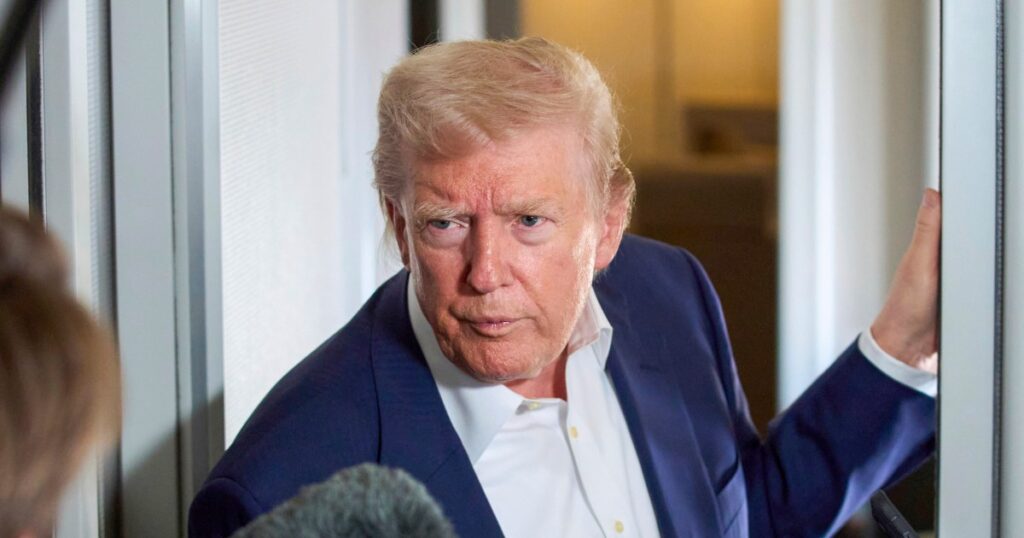
Former U.S. President Donald Trump expressed skepticism about Russian President Vladimir Putin's intentions in the Ukraine conflict, suggesting alternative measures like "Banking" or "Secondary Sanctions" might be necessary. This skepticism emerged after a meeting with Ukrainian President Volodymyr Zelenskyy, which was described as "very productive" and focused on achieving lasting peace. Despite Trump's previous optimism about a potential peace deal, his recent comments reflect growing doubts about the feasibility of reaching an agreement soon, highlighting the ongoing urgency due to continued violence in the region.