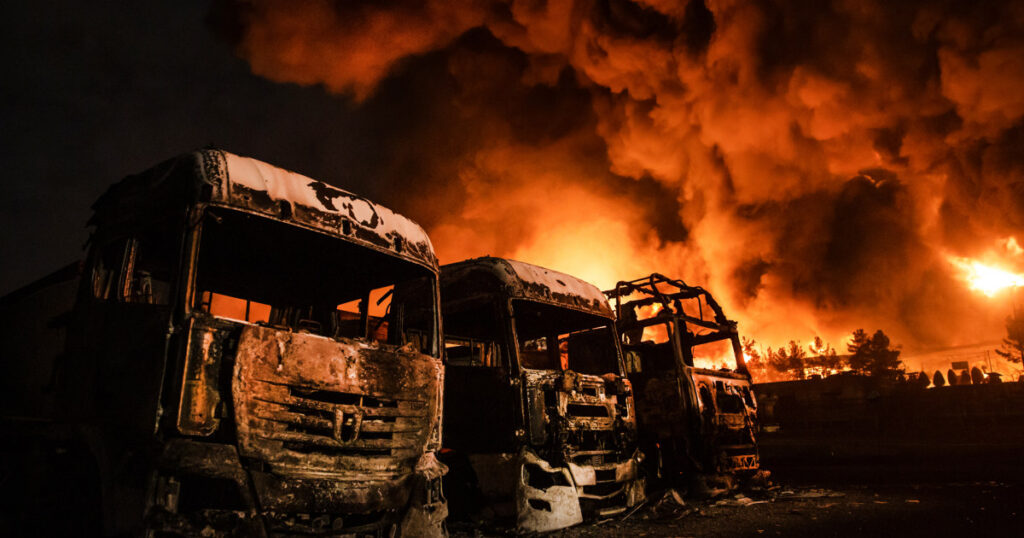
A series of Israeli airstrikes on Tehran’s oil facilities caused severe environmental hazards, including toxic rain and widespread damage, escalating tensions in the U.S.-Israeli conflict with Iran. The attacks led to a sharp rise in global oil prices due to disrupted supply and heightened concerns over the Strait of Hormuz, while Iranian officials condemned the strikes as chemical warfare. Despite the turmoil, U.S. President Donald Trump expressed confidence in a swift resolution, warning Iran of harsher consequences if it threatened oil shipments.
Posts published in “Politics”
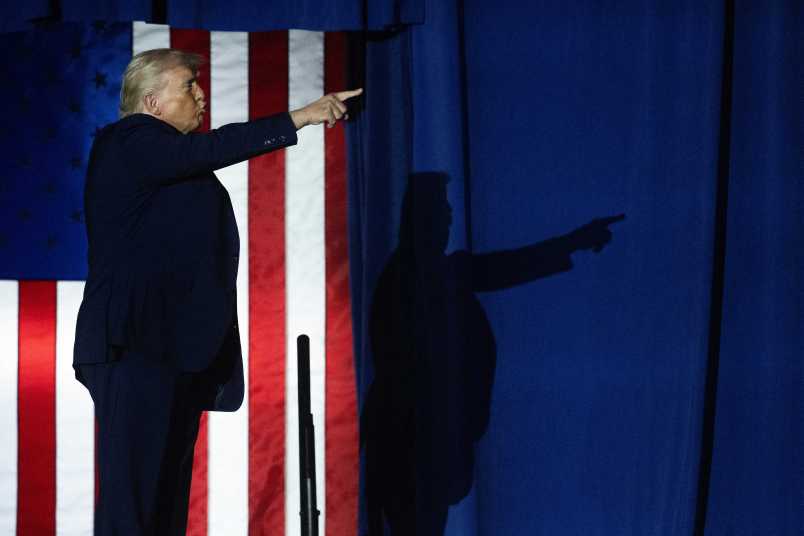
CBS News' parent company has settled a lawsuit with former President Donald Trump, who claimed the network selectively edited a "60 Minutes" interview with Kamala Harris during the 2020 election. Concurrently, U.S. District Judge Paula Xinis is challenging the Trump administration over the deportation of Kilmar Abrego Garcia, accusing it of refusing to provide information and ordering Garcia's return. Additionally, Trump has threatened legal action against The New York Times for its article on the CBS settlement, highlighting ongoing tensions between media organizations, the judiciary, and political figures, with potential implications for media practices and governmental accountability.
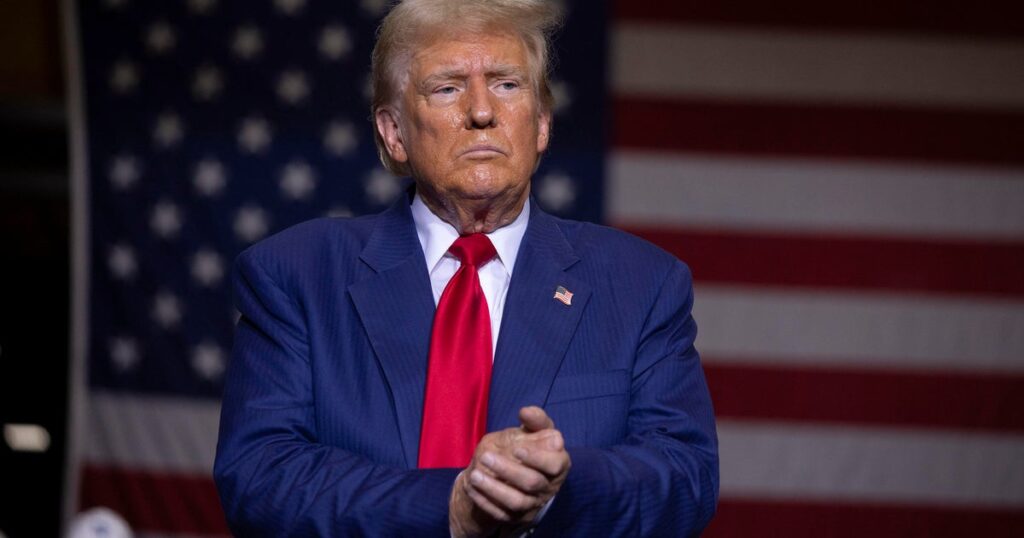
Meta is facing a legal dispute with conservative influencer Robby Starbuck, who claims the company's AI chatbot produced false and defamatory content linking him to the January 6 Capitol riot and QAnon conspiracy theory, prompting an apology from Meta's chief global affairs officer. Concurrently, President Donald Trump is promoting the positive effects of increased U.S. tariffs, asserting they have spurred significant corporate investment in the country, with a new White House website tracking 47 projects by 50 companies as evidence of trillions in new investments. These developments occur amid scrutiny of U.S. tariffs' economic implications, as Meta's AI content management and the administration's "America First" economic policies remain under close observation.
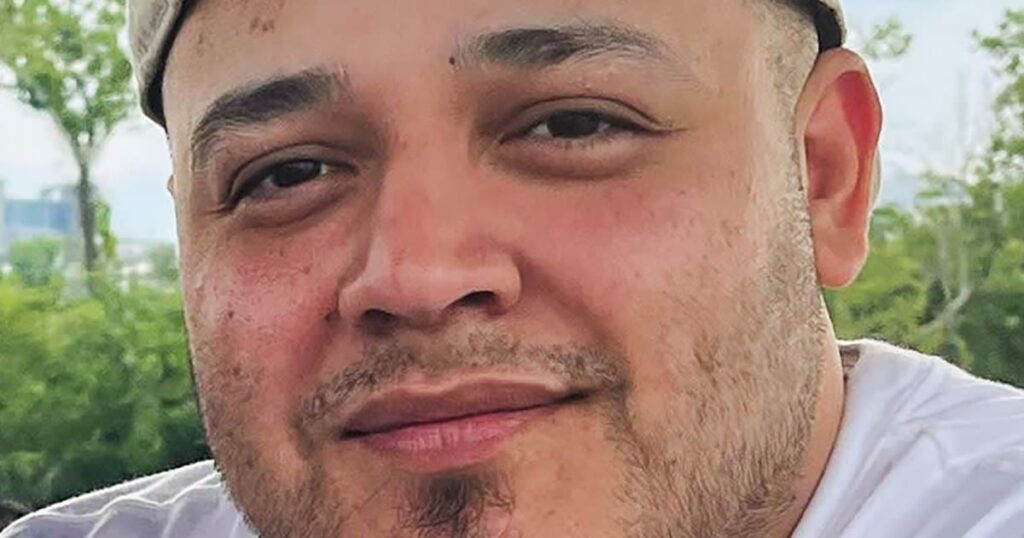
In the legal case of Kilmar Abrego Garcia, a federal judge in Maryland has denied the government's secret request to further delay proceedings, following a previous weeklong postponement. The case involves efforts to return Abrego Garcia to the United States after his erroneous deportation to El Salvador, despite an immigration judge's order preventing his removal. President Trump has suggested he could resolve the issue with a phone call to Salvadoran President Nayib Bukele, but this contrasts with the administration's legal position that it lacks the authority to bring him back, amid allegations of Abrego Garcia's gang affiliation, which his legal team denies.
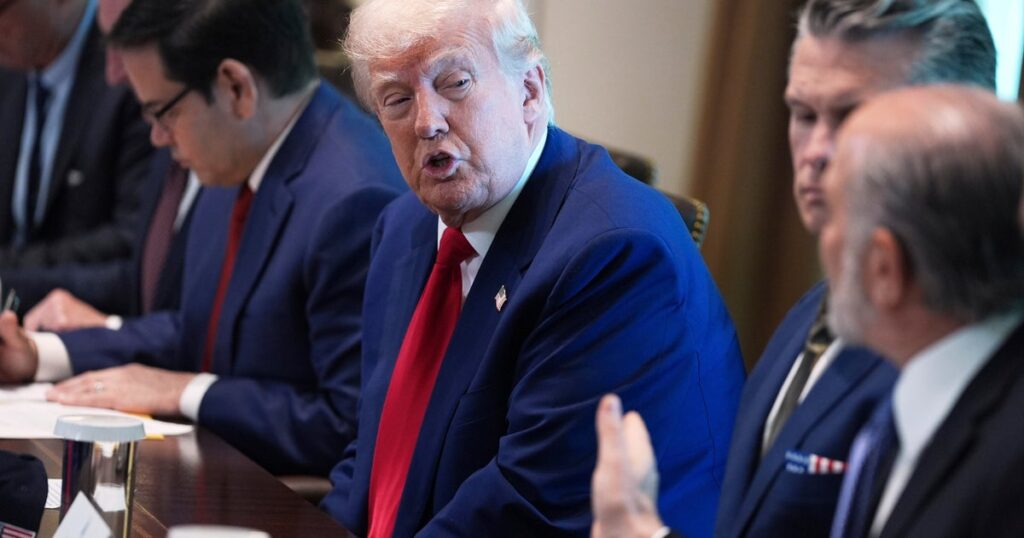
President Donald Trump has addressed concerns about tariffs on Chinese imports, asserting that the primary burden falls on China, though acknowledging potential temporary impacts on American consumers, such as reduced availability of certain goods and slightly higher prices. During a Cabinet meeting, he emphasized that the economic strain is greater for China and suggested that many Chinese imports are non-essential for Americans, potentially limiting the impact on the U.S. market. Despite criticism that the tariffs could cause domestic economic challenges, Trump defends them as necessary for correcting trade imbalances and protecting American industries, while also dealing with frustrations over stalled Russia-Ukraine peace talks, adding complexity to his foreign policy agenda.
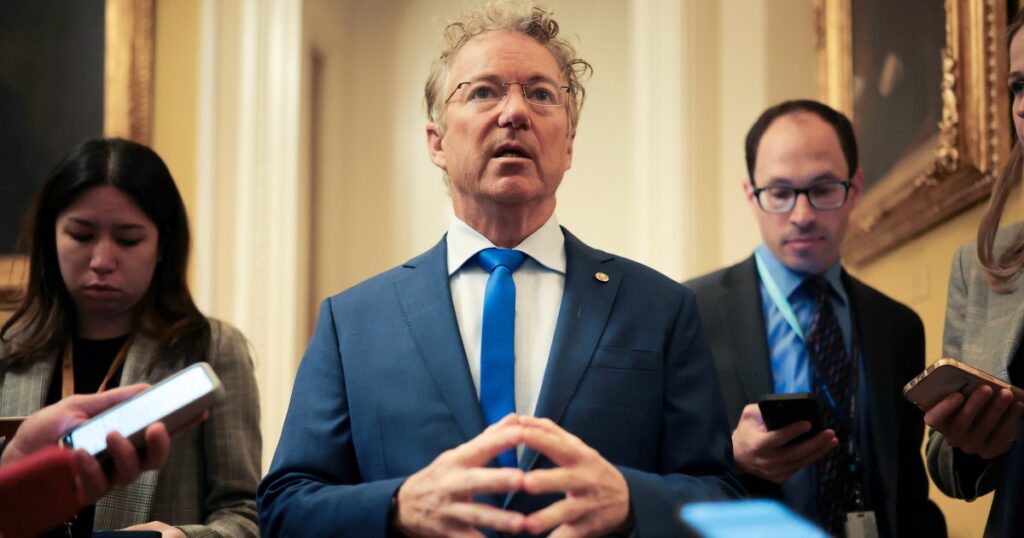
The United States Senate is set to vote on a resolution to block President Trump's "Liberation Day" tariffs, which were imposed under a national emergency declaration. Spearheaded by Senators Ron Wyden and Rand Paul, the bipartisan effort seeks to nullify the tariffs due to concerns about their economic impact, though it faces an uncertain future in the Republican-controlled House of Representatives. The vote highlights the ongoing tension between the executive and legislative branches over trade policy, with significant implications for international trade and the domestic economy.
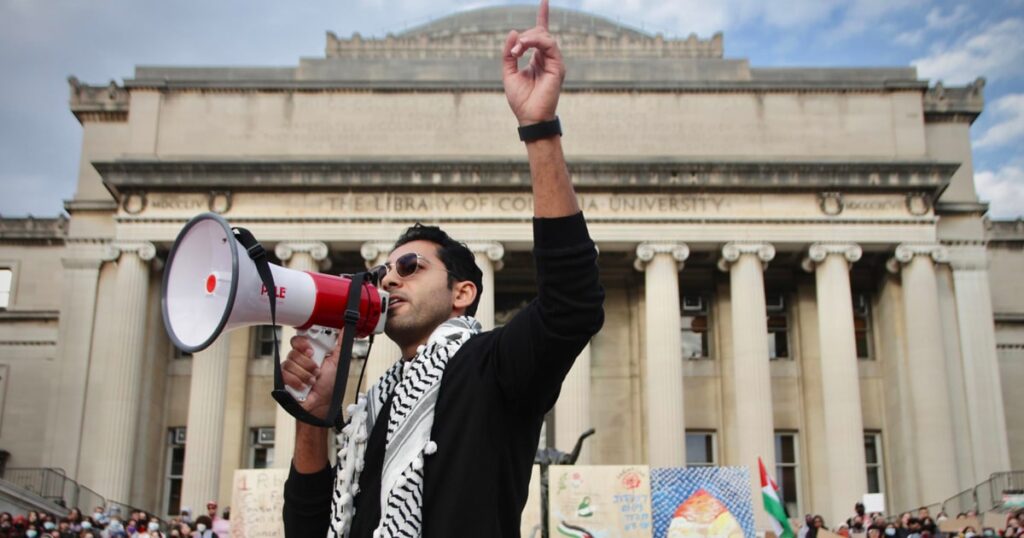
Columbia University student Mohsen Mahdawi, a Palestinian and U.S. permanent resident, was released on bail after being detained by immigration authorities during his naturalization interview, with his attorneys arguing the detention was politically motivated due to his involvement in pro-Palestinian protests. His case has sparked discussions about the intersection of immigration enforcement and political activism, particularly concerning the rights of non-citizens participating in political demonstrations. Mahdawi's release and public statements underscore the broader struggle for freedom and may influence future cases involving similar circumstances.
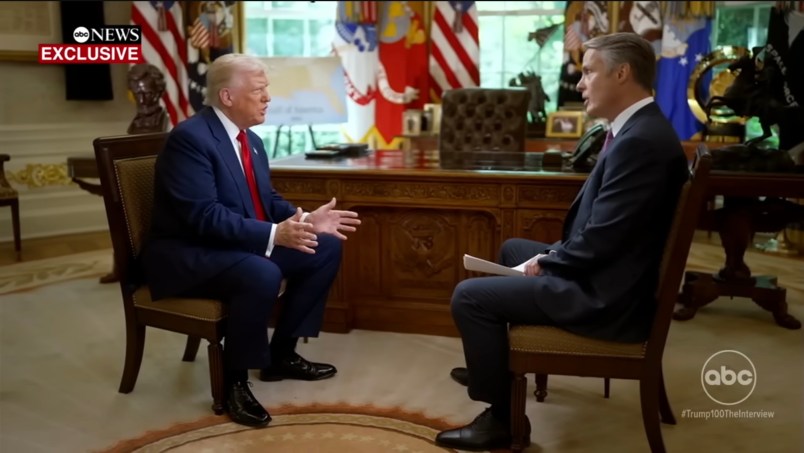
The Trump administration's decision to deport migrants to a maximum-security prison in El Salvador, using the Alien Enemies Act of 1798, has sparked constitutional debates, particularly in the case of Kilmar Abrego Garcia. Despite a Supreme Court mandate for his release, President Trump has refused to intervene, stating that the decision is not his to make. This reliance on an outdated law has raised concerns about its relevance today, with critics pointing out that many deportees have no criminal records, prompting scrutiny of the administration's deportation practices.