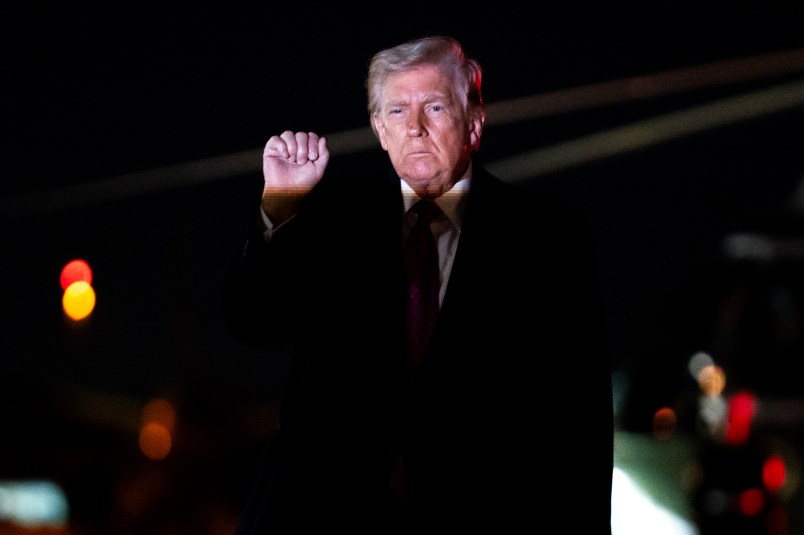
The Department of Homeland Security is undergoing the longest federal shutdown in U.S. history due to deep Republican divisions and unclear White House guidance, with Senate and House leaders unable to agree on funding measures. The shutdown has caused operational disruptions at airports and intensified partisan blame, while some Republicans and former President Trump have called for ending the filibuster to pass funding without Democratic support. Meanwhile, tensions in the Middle East escalate as President Trump threatens severe actions against Iran amid stalled peace talks, raising concerns about further military conflict and global economic impacts.
Posts published in “Politics”
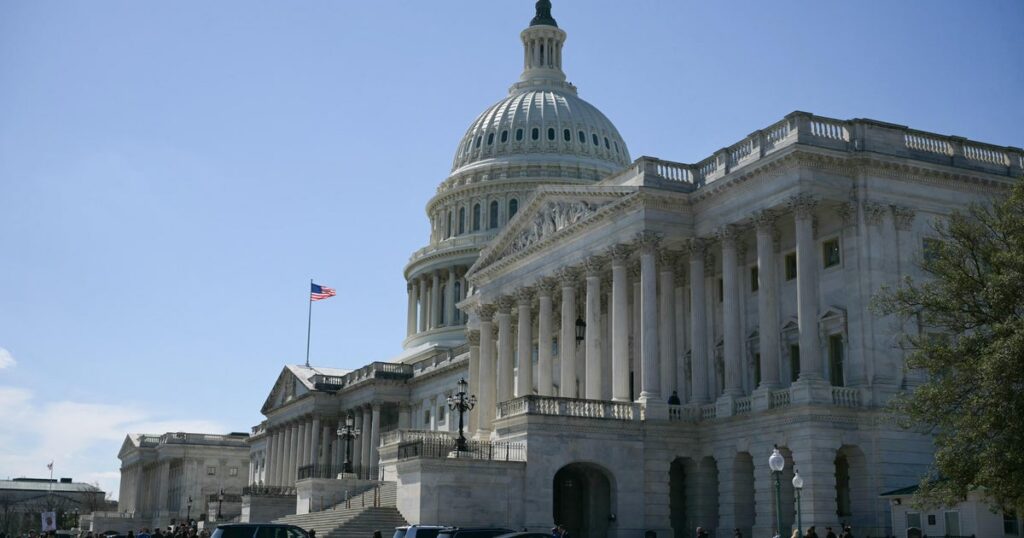
The Department of Homeland Security shutdown has become the longest in U.S. history at 45 days, caused by House Republicans rejecting a Senate bipartisan funding package that excluded ICE and parts of CBP. The shutdown has severely impacted TSA operations, leading to staffing shortages and long airport security lines, with ICE agents temporarily assisting TSA amid ongoing disputes between the chambers. Both the House and Senate have recessed until mid-April, while leaders continue negotiations, and President Trump has issued an executive order to pay TSA workers but has yet to compel Congress to return early to resolve the impasse.

Recent challenges in U.S. air travel include TSA staffing shortages and delays caused by a Department of Homeland Security shutdown, which left TSA workers unpaid until President Trump ordered back pay. Safety concerns have intensified following a fatal midair collision near Washington, D.C., highlighting overcrowded airspace and systemic issues at Ronald Reagan Washington National Airport. These problems, compounded by political gridlock and increasing passenger volumes, have prompted calls for comprehensive reforms to improve aviation security and safety.
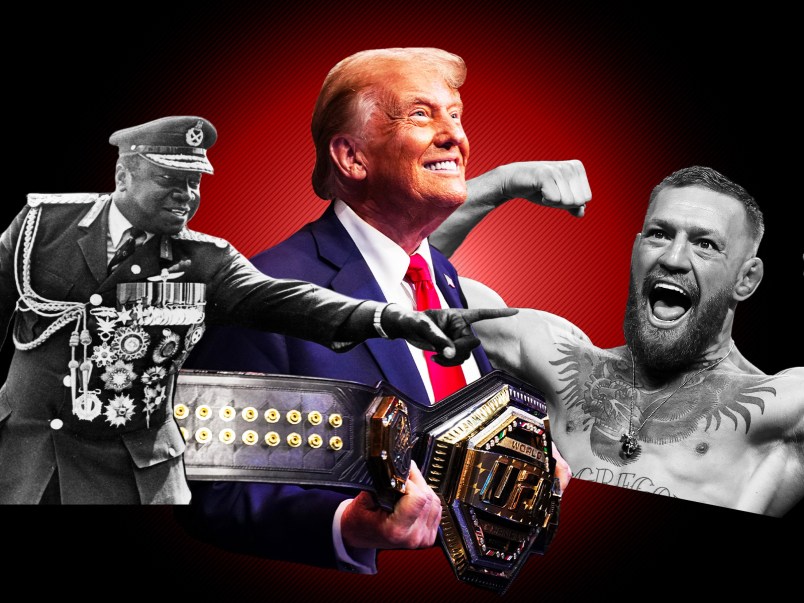
In March 2026, the Trump administration strengthened its ties with the combat sports world through an FBI partnership with the UFC and the appointment of former MMA fighter Senator Markwayne Mullin as Secretary of Homeland Security, highlighting the growing influence of combat sports within conservative politics. This connection is rooted in Trump’s longstanding affinity for combat sports and is further amplified by prominent fighters and media figures like Joe Rogan who promote right-wing ideologies and alternative health views. Concurrently, escalating Middle East tensions involving Russia, Iran, and U.S. forces have intensified debates in the Senate over military responses, amid broader regional conflicts with significant global implications.
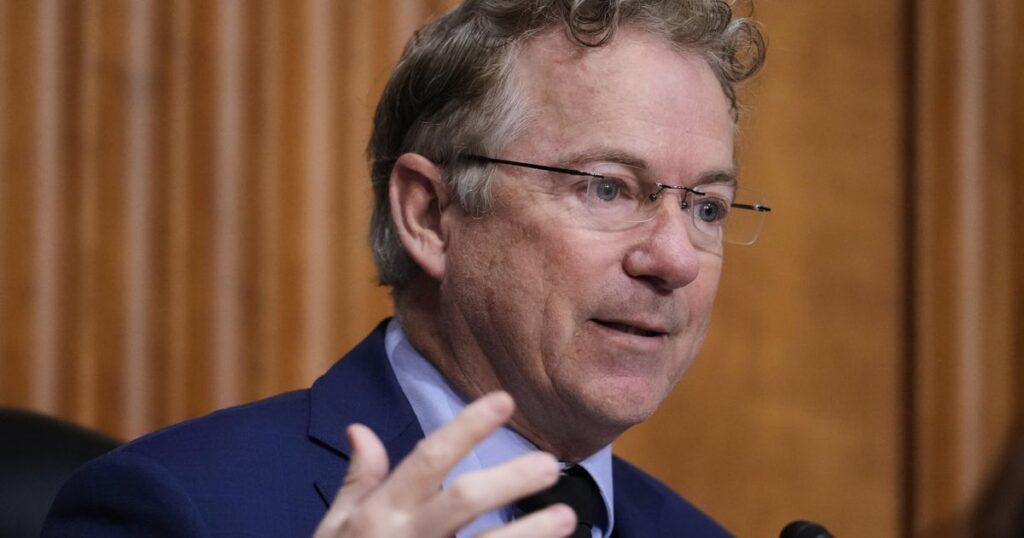
Senator Rand Paul is the only Senate Republican opposing President Trump’s military strikes against Iran, citing the lack of congressional authorization and emphasizing constitutional checks and balances. He warned of political and economic fallout from escalating conflict and plans to block a $200 billion supplemental war funding request, linking it to ongoing fiscal disputes like the prolonged DHS shutdown. The shutdown has severely impacted airport security, causing TSA staffing shortages and long wait times, with ICE agents temporarily filling gaps amid stalled legislative efforts to end the funding impasse.
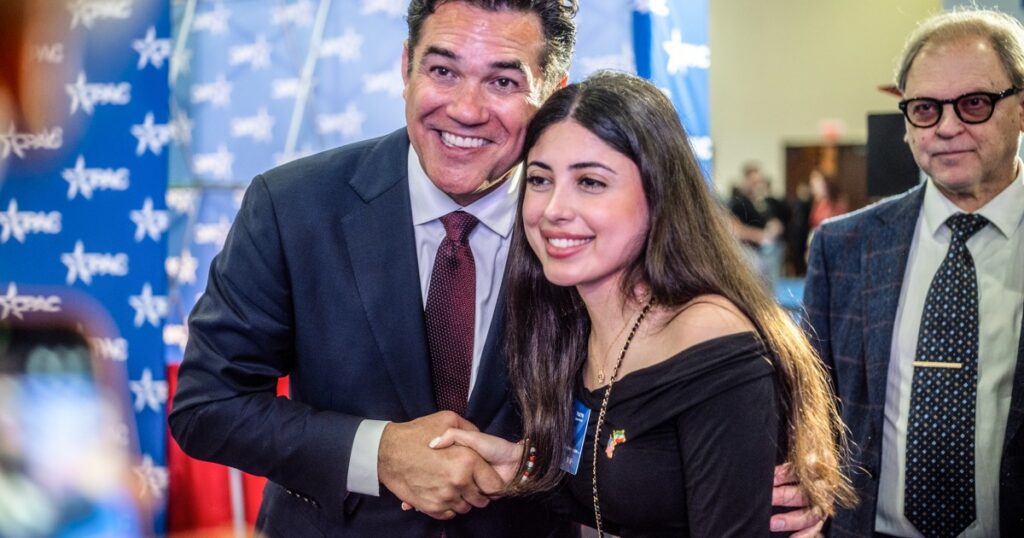
Conservative activists at CPAC in Texas largely support former President Trump’s military action against Iran but express concerns about economic strain, rising gas prices, and avoiding U.S. ground troop deployment. The conflict’s impact on the economy and Republican Party unity has raised worries about the upcoming midterm elections, even as loyalty to Trump remains strong among many attendees. Meanwhile, broader political tensions persist, including a historic DHS shutdown linked to immigration funding disputes, highlighting the complex domestic challenges amid the ongoing war.
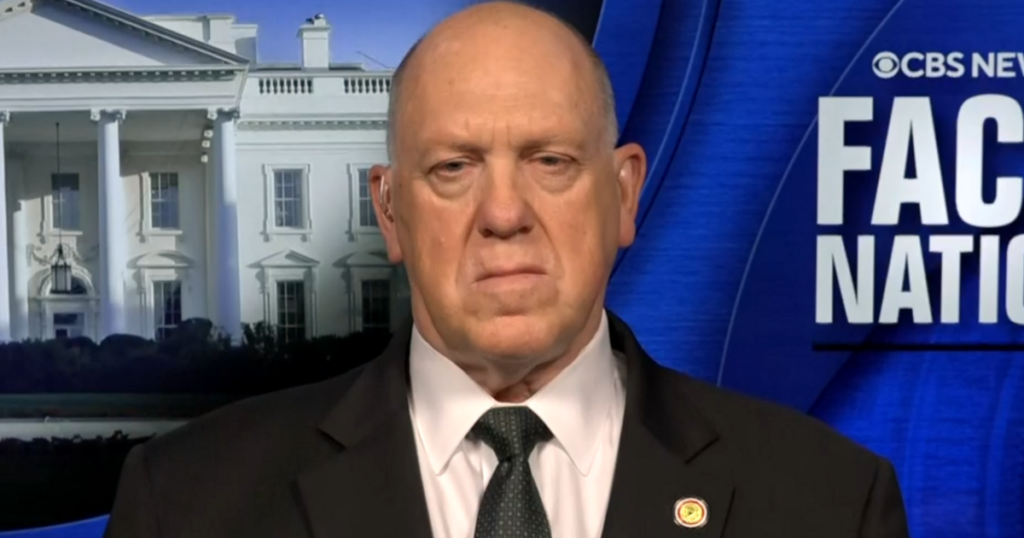
The partial government shutdown of the Department of Homeland Security (DHS) has lasted 44 days, primarily affecting TSA operations while other federal agencies remain funded. Efforts to resolve the impasse have stalled due to disagreements between the Republican-controlled House and the Senate, with Democrats demanding immigration-related restrictions before fully funding DHS. The shutdown has caused significant TSA staffing shortages and financial strain, prompting President Trump to order payments to TSA workers, but with Congress out until mid-April, the situation and airport disruptions are expected to continue.
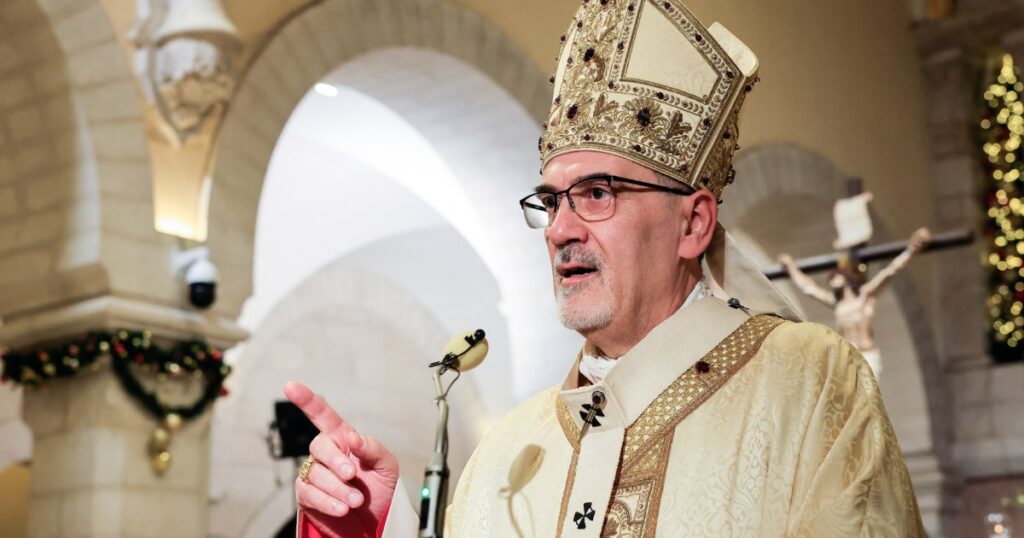
On Palm Sunday, Israeli police prevented Cardinal Pierbattista Pizzaballa and Reverend Francesco Ielpo from entering the Church of the Holy Sepulchre, marking the first time in centuries that the traditional Mass could not be held there, due to heightened security amid conflict between Israel and Iran. The move, justified by Israeli authorities as a safety measure against missile threats, sparked widespread international condemnation for infringing on religious freedoms and access to holy sites. In response to the backlash, Israeli Prime Minister Netanyahu’s office pledged to facilitate worship for church leaders during the remainder of Easter week, highlighting the ongoing tension between security and religious rights in Jerusalem.