
U.S. stocks fell sharply and oil prices surged after President Trump pledged continued strikes on Iran without outlining a ceasefire plan or reopening the Strait of Hormuz. The Dow dropped over 600 points as energy prices and inflation concerns rose.
Posts published in “Politics”
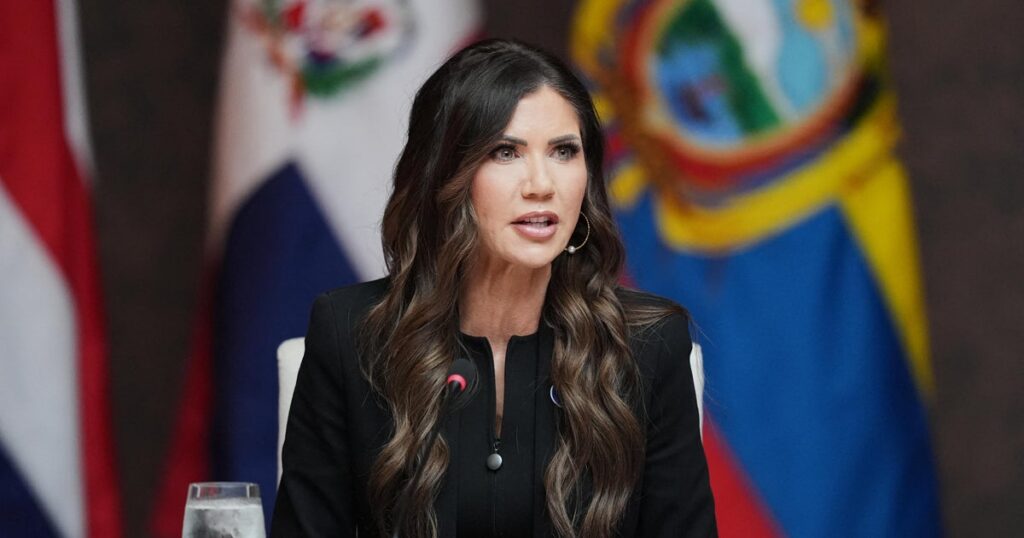
The Department of Homeland Security (DHS) has rescinded a policy requiring the secretary’s personal review of contracts over $100,000, a change expected to reduce procurement delays that previously hindered agencies like FEMA, CBP, and ICE. Secretary Markwayne Mullin emphasized empowering agency components to make decisions and has also begun reevaluating ICE’s detention facility plans. Meanwhile, amid a partial government shutdown affecting DHS operations, congressional leaders proposed a two-track funding plan to reopen DHS and address immigration enforcement funding separately, though political disagreements continue to stall progress.
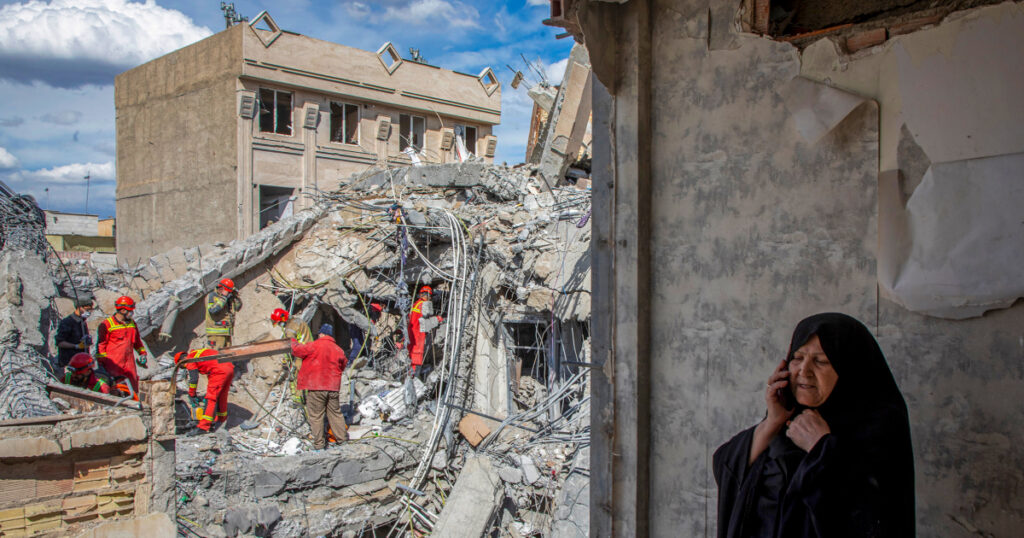
U.S. gasoline prices have surged past $4 per gallon due to disruptions in global oil supplies caused by the Iran conflict and the effective closure of the Strait of Hormuz. President Trump plans a prime-time address to update on the situation, promising a resolution soon and a return to lower fuel prices, though experts warn prices may rise further in the short term. Meanwhile, Trump's threats to target Iranian civilian infrastructure have drawn condemnation from legal experts who warn such actions could constitute war crimes, amid ongoing regional casualties and accusations against all involved parties.
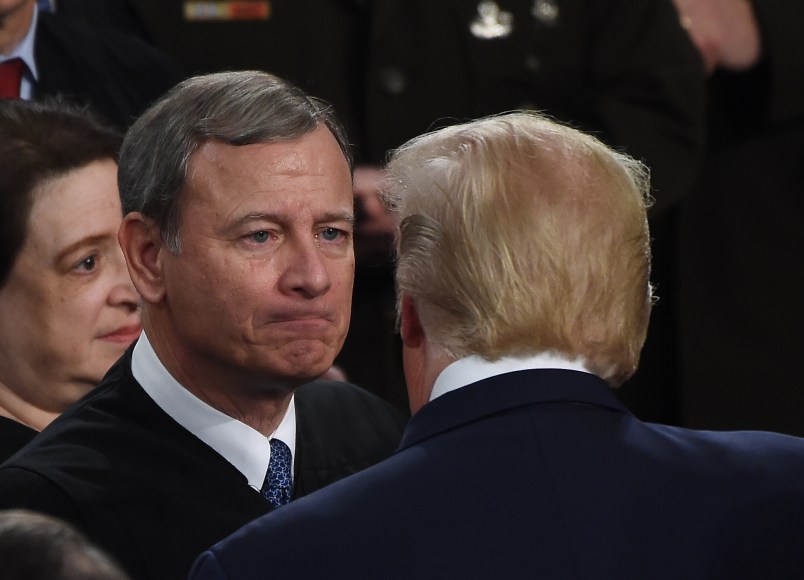
The U.S. Supreme Court heard arguments in Trump v. Barbara, a case challenging President Trump’s executive order to end birthright citizenship for children born in the U.S. to undocumented immigrants, focusing on the interpretation of the 14th Amendment’s Citizenship Clause. Justices expressed skepticism about the administration’s narrow reading of “subject to the jurisdiction thereof,” with several questioning the practicality and historical basis of excluding children of undocumented parents from citizenship. The Court’s forthcoming decision could significantly impact immigration policy and constitutional rights, with indications that a majority may uphold the longstanding broad protections of birthright citizenship.
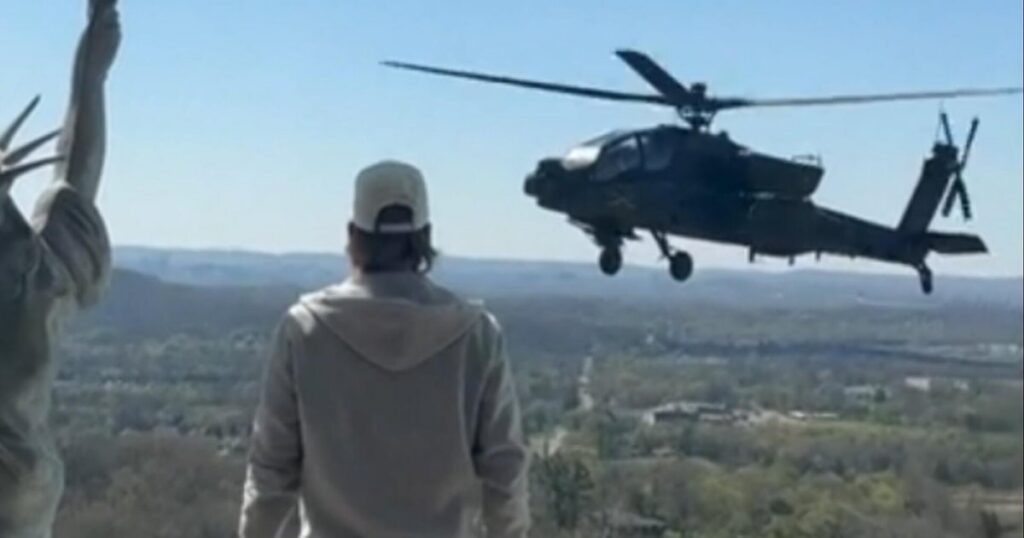
Defense Secretary Pete Hegseth lifted the suspension of two Army pilots who flew AH-64 Apache helicopters near musician Kid Rock’s Nashville home, announcing no investigation or punishment would follow. The incident, initially prompting an Army investigation and suspension, involved the helicopters hovering briefly outside Kid Rock’s property during a training mission, with the singer expressing support for the pilots. President Trump downplayed the event, suggesting the pilots may have been showing support for Kid Rock, a known Trump ally and recent performer at conservative political events.
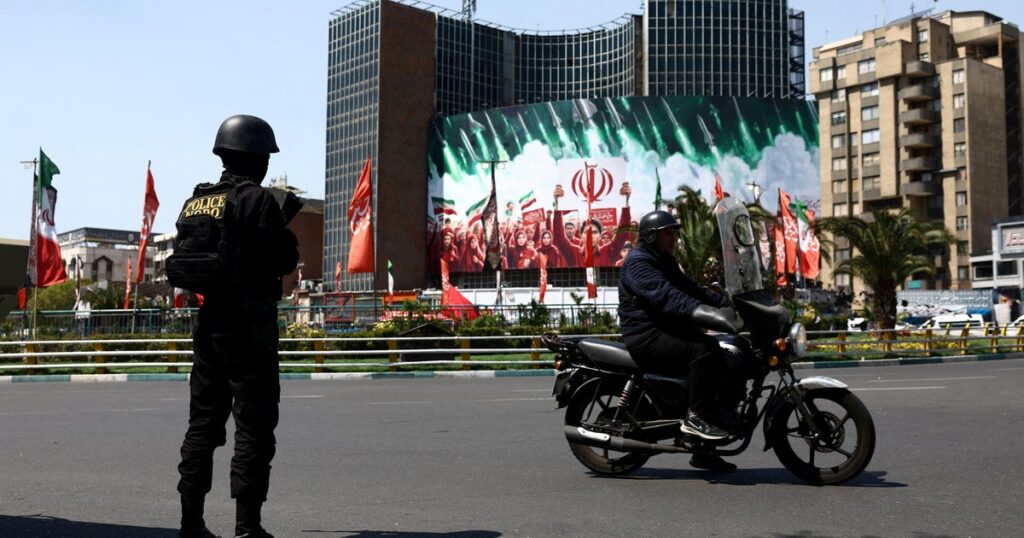
President Donald Trump indicated that U.S. military operations against Iran could end within two to three weeks, leading to a decline in oil prices and gains in global stock markets amid hopes for de-escalation. Trump also threatened to withdraw the U.S. from NATO over European allies’ lack of support for the Iran campaign, raising concerns among members and potentially benefiting Russia. Meanwhile, Pakistan has offered to mediate peace talks between the U.S. and Iran, backed by regional powers, but its efforts are complicated by ongoing conflict with Afghanistan that threatens regional stability.
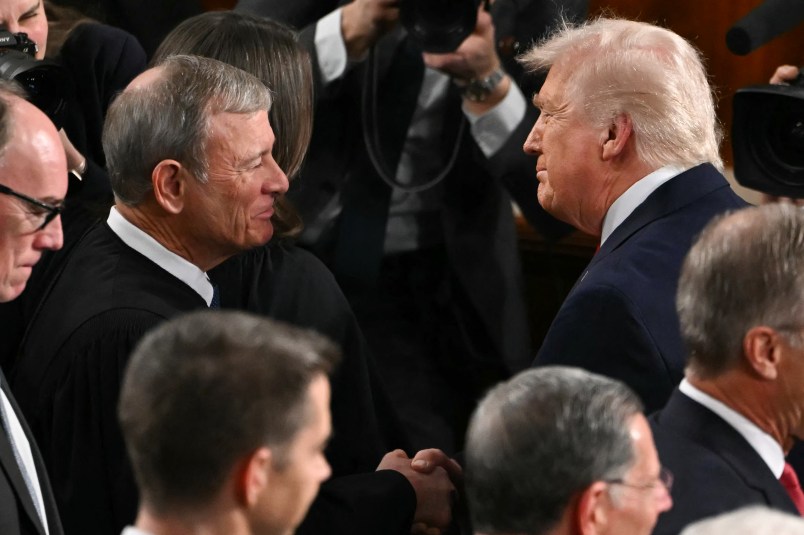
The Supreme Court will hear arguments on a Trump-era executive order aiming to restrict birthright citizenship by limiting it to children born to U.S. citizens or lawful permanent residents, challenging the traditional interpretation of the 14th Amendment’s Citizenship Clause. The administration argues that the clause’s phrase “subject to the jurisdiction thereof” excludes children of temporary visitors or undocumented immigrants, citing historical cases, while opponents maintain that longstanding legal precedent and the amendment’s language guarantee citizenship to nearly all born on U.S. soil. The Court’s decision could have significant implications for constitutional law and immigration policy, with former President Trump expected to attend the proceedings.
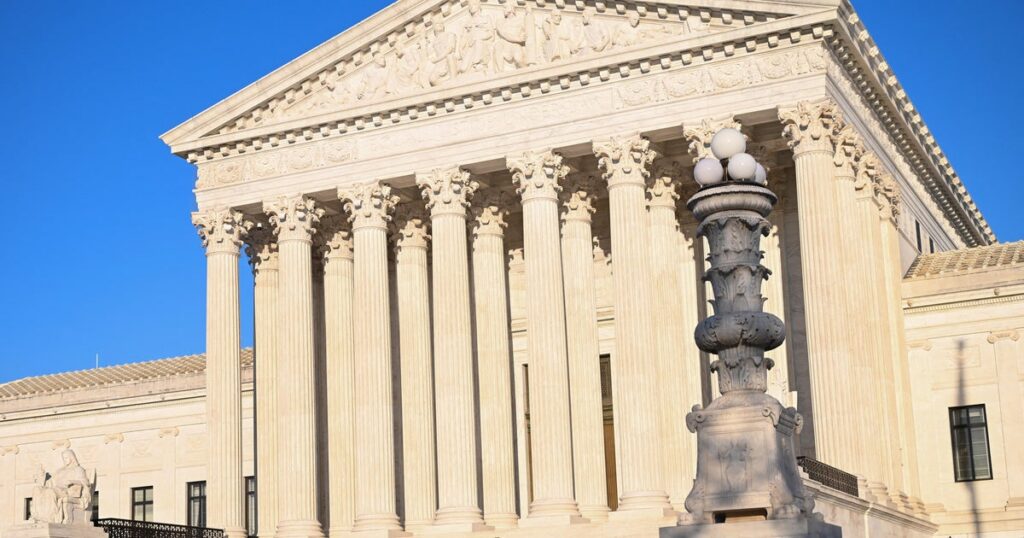
President Donald Trump is set to attend Supreme Court oral arguments on his executive order aimed at ending birthright citizenship for children born in the U.S. to undocumented or temporarily present immigrants, marking the first time a sitting president has personally attended such a session. The case challenges the longstanding interpretation of the Fourteenth Amendment’s Citizenship Clause, which has historically granted citizenship to nearly all individuals born on U.S. soil, regardless of their parents' status. With a conservative majority on the Court, including three Trump appointees, a ruling expected by July could significantly impact immigration law and constitutional citizenship rights.