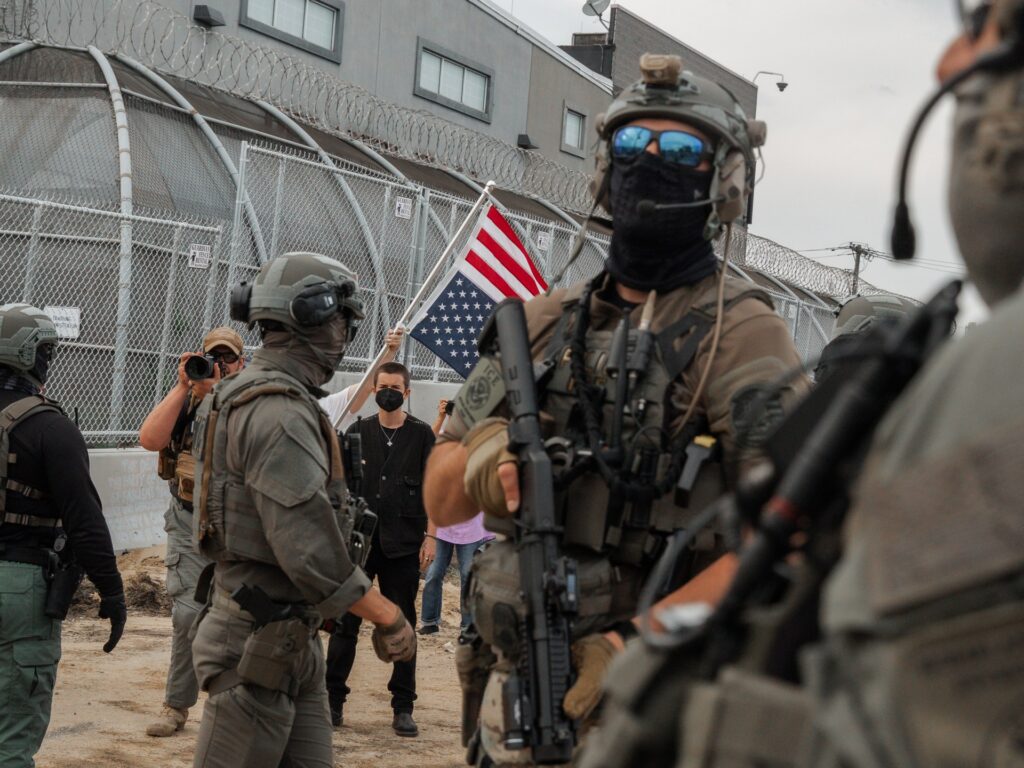
U.N. human rights chief Volker Türk called for independent investigations into deaths in U.S. immigration detention as DHS watchdogs launch inquiries into ICE custody deaths and use of force. DHS denies any spike in deaths, while Human Rights Watch says mortality is at its highest level in more than a decade.
Posts published in “Politics”

The U.S. military struck Iranian missile, drone and radar sites after a drone hit the Singapore-flagged Ever Lovely in the Strait of Hormuz. President Donald Trump called the attack a “foolish violation” of a newly signed ceasefire agreement.

Texas has approved a statewide reading list that will require public school students to read Bible passages beginning with a staggered rollout in 2030. Supporters cite the role of Judeo-Christian traditions in U.S. history, while critics say the mandate favors Christianity and limits local choice.

The United States announced a framework agreement between Israel and Lebanon after four days of talks in Washington. Details remain scarce, and major disputes persist over Israeli withdrawal and Hezbollah’s disarmament.
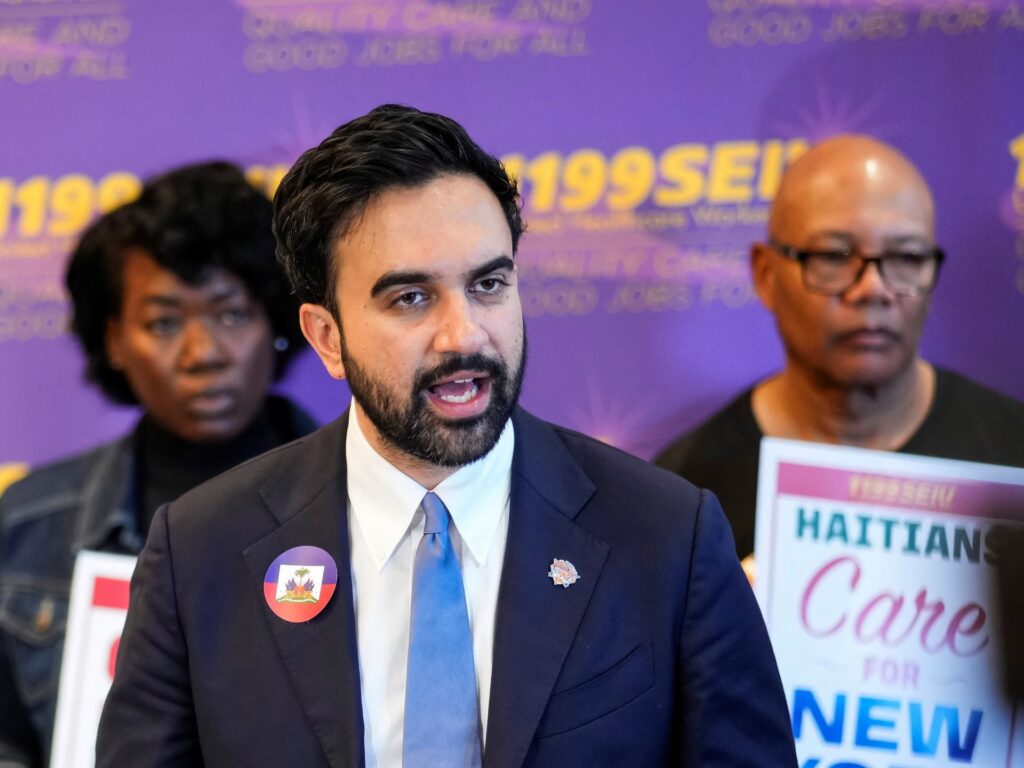
New York City’s Rent Guidelines Board voted 7-1 to freeze rent increases on one- and two-year leases for roughly 1 million rent-stabilized apartments. The decision fulfills a key campaign promise by Mayor Zohran Mamdani and drew both praise from tenant advocates and criticism from property owner groups.
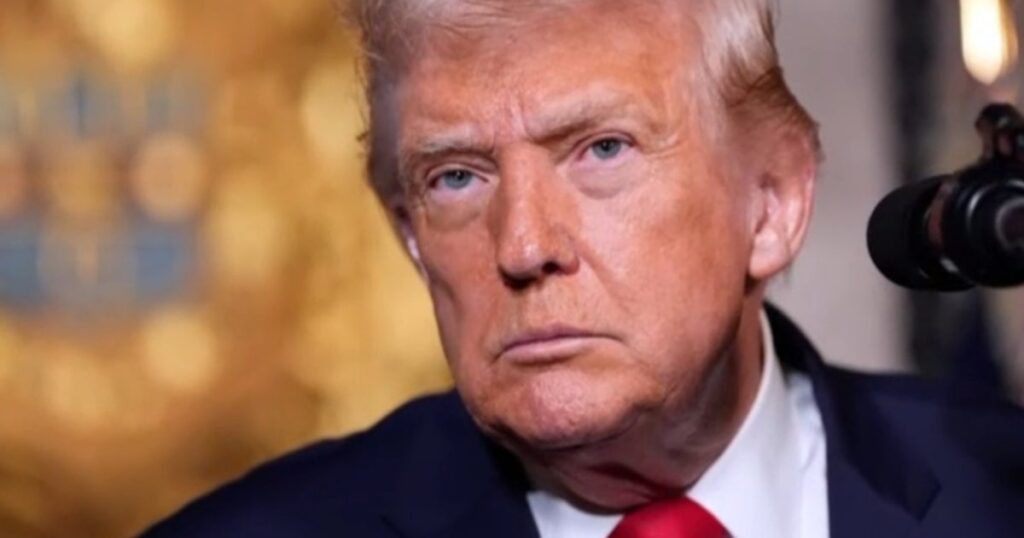
Trump said any country that imposes a digital services tax on American companies would face an immediate 100% tariff on all goods sent to the United States. The warning comes amid trade talks with the European Union and continuing tensions over taxes aimed largely at U.S. tech firms.
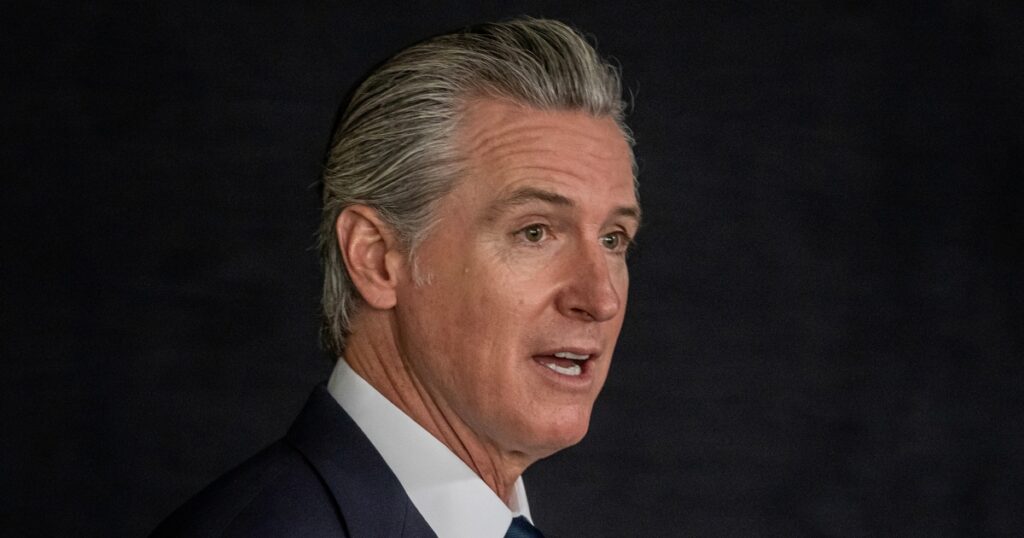
California Gov. Gavin Newsom is proposing a federal minimum tax on billionaires and a national AI equity fund while opposing a billionaire tax on California’s November ballot. He says wealth taxes should be handled nationally and that AI gains should help support workers and public programs.