
A court in Jiangsu province sentenced former Nanjing official Yang Youlin to death for taking more than 2.2 billion yuan in bribes over 30 years. He was also convicted of embezzlement, abuse of power and money laundering.
Posts published in “Politics”
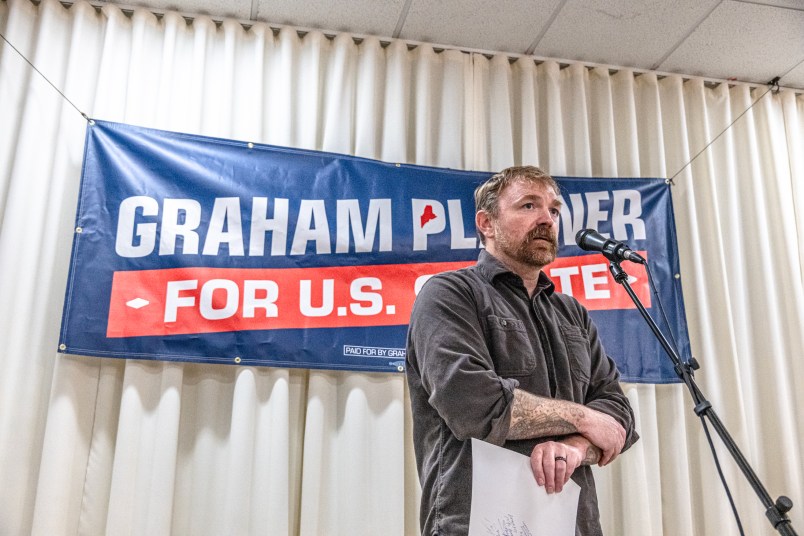
Top Democrats withdrew support for Maine Senate candidate Graham Platner after a former girlfriend accused him of sexual assault in a Politico interview. Platner denied the allegation but said he is reassessing his campaign.
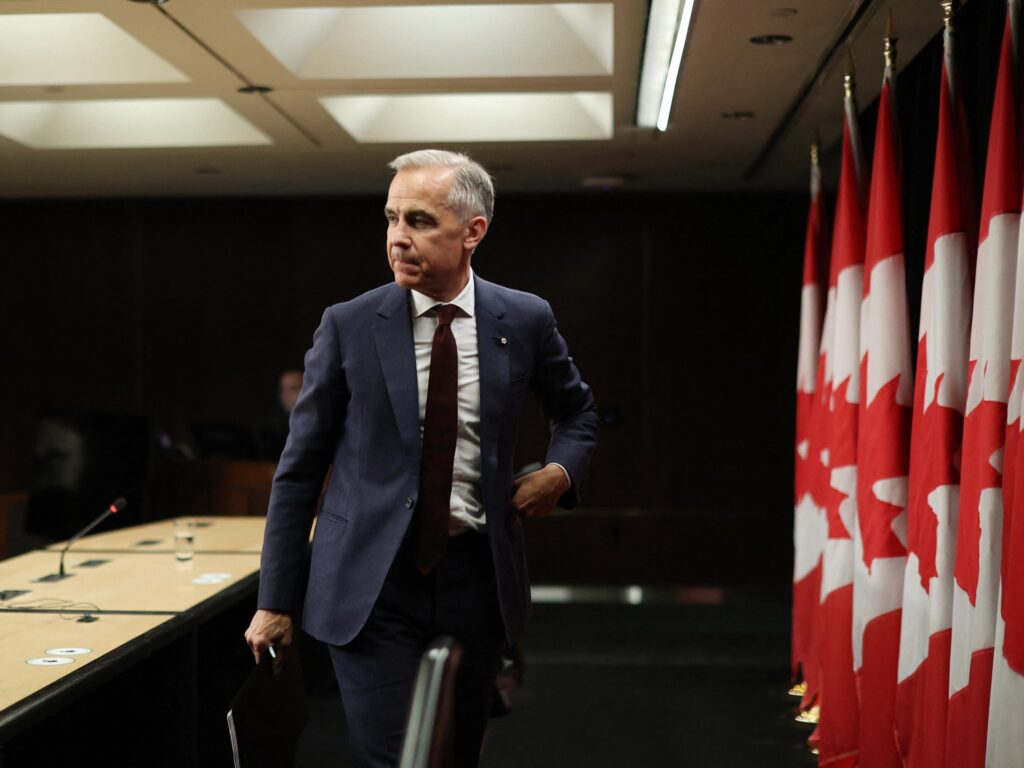
Canada has chosen Germany’s TKMS to build up to 12 new submarines in the largest defence procurement in the country’s history. The deal is intended to replace Canada’s aging fleet and strengthen Arctic and maritime sovereignty.
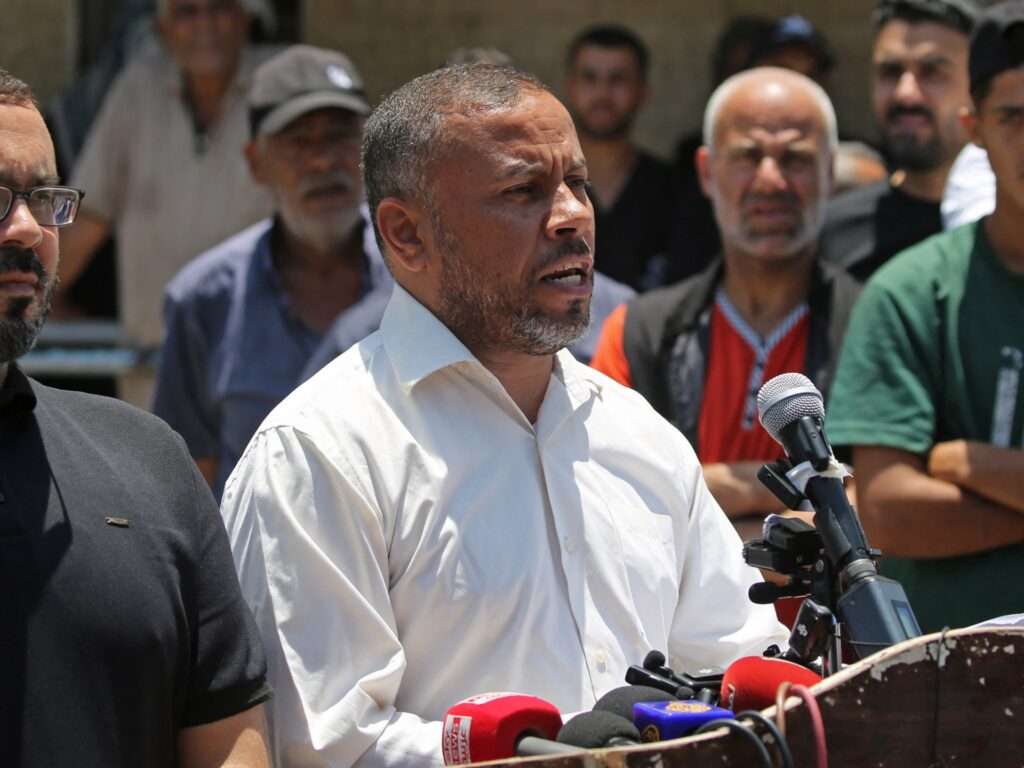
Hamas said it has dissolved the emergency body that governed Gaza and is ready to hand civilian authority to a U.S.-backed technocratic committee. The announcement leaves unresolved the central issue of Hamas’s weapons and security control in the enclave.
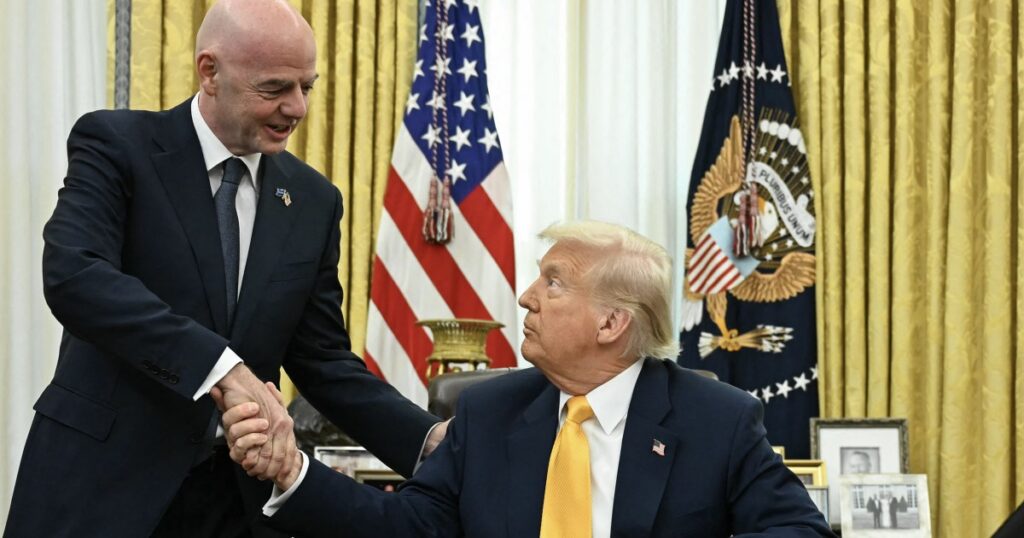
Trump confirmed he asked FIFA to review Folarin Balogun’s red card before the U.S. striker’s suspension was lifted. Belgium said it would challenge Balogun’s eligibility ahead of the World Cup match in Seattle.
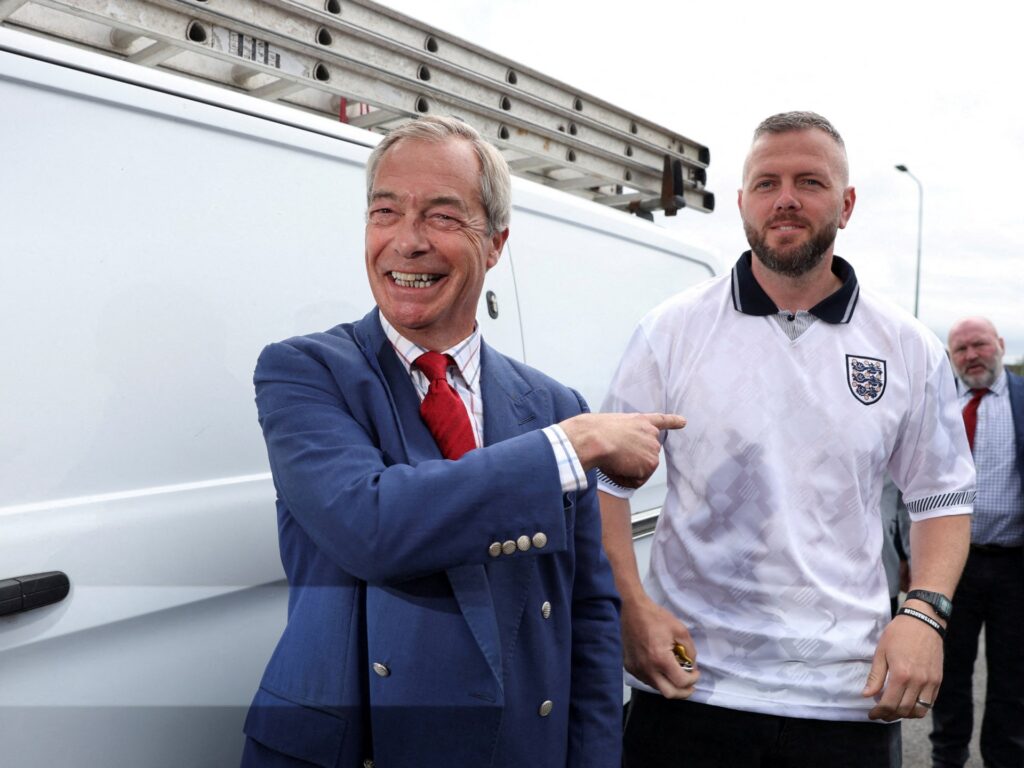
Nigel Farage is under pressure over a £5 million gift, alleged further benefits and lucrative outside earnings. The Reform UK leader denies wrongdoing and says the support was personal, not political.
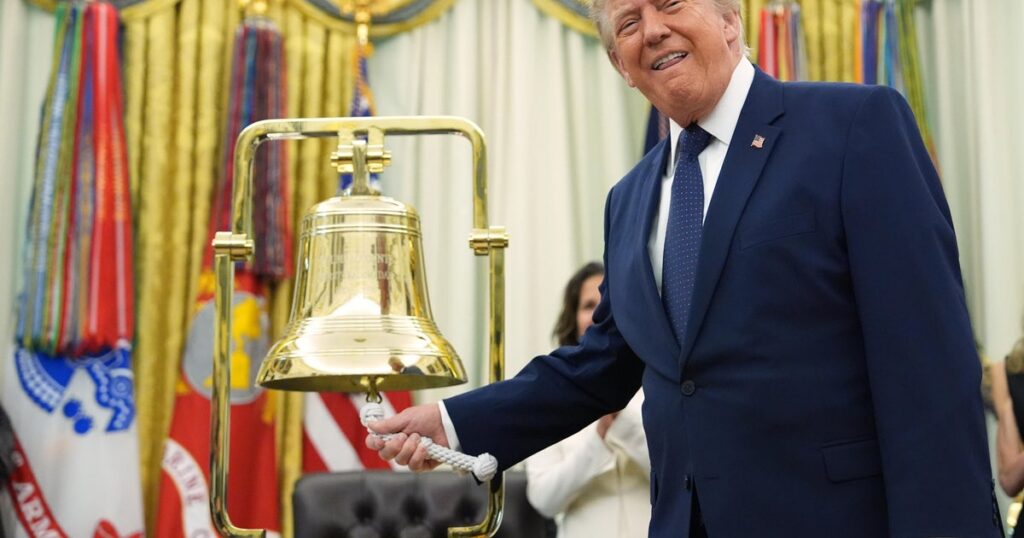
Trump Accounts are now open for contributions, offering eligible children a tax-deferred investment account and, for those born from 2025 through 2028, a $1,000 federal contribution. Major donors and companies have pledged billions more for children who do not qualify for the government seed payment.
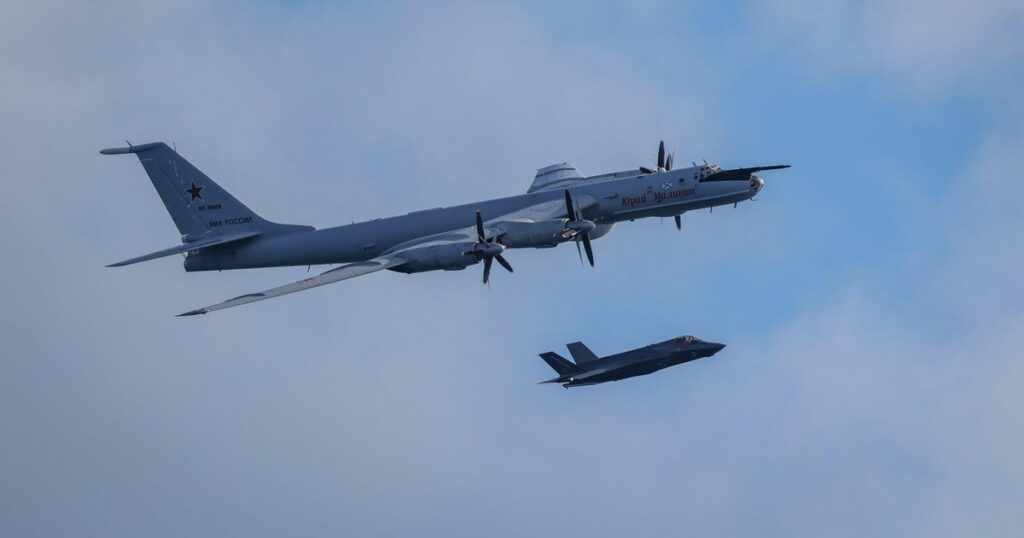
British F-35 jets escorted a Russian Bear-F patrol aircraft away from HMS Prince of Wales after it approached the NATO carrier group at low altitude and dropped sonar devices nearby, the U.K. Ministry of Defence said. The incident comes as the U.K. faces scrutiny over defence spending and warnings about rising Russian threats.