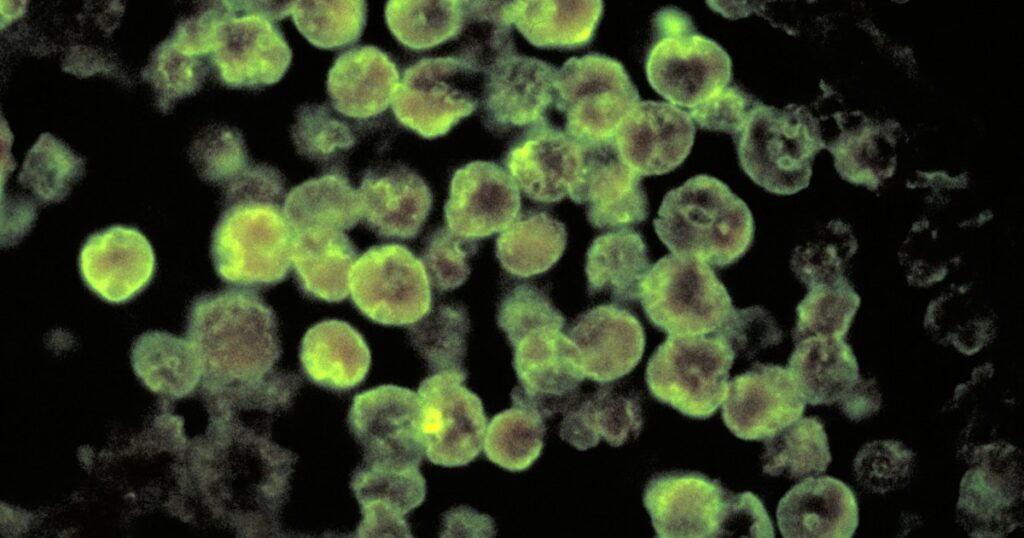
A man in Charlotte County, Florida has died from a rare brain-eating amoeba infection believed to have been contracted after rinsing his sinuses with tap water. The infection is caused by the single-celled organism Naegleria fowleri, which thrives in warm temperatures and is most commonly found in soil and fresh water. The Florida Department of Health is conducting an epidemiological investigation and urging people to take precautions to avoid infection.
Posts published in “Health”

A new study published in the British Journal of Sports Medicine found that just 11 minutes of moderate-to-vigorous intensity aerobic activity per day could lower one's risk of cancer, cardiovascular disease or premature death. Moderate intensity activities include hiking, walking briskly, cycling to work or playing actively with children. The study's lead author, Dr. David Hupin, said that the findings are a reminder that even small amounts of physical activity can have substantial health benefits and support the current physical activity guidelines.

The U.S. intelligence community has released the results of a review into the mysterious neurological symptoms known as "Havana Syndrome", concluding that it is "very unlikely" that a foreign adversary is responsible. The State Department is now preparing to compensate victims with payments of between roughly $100,000 and $200,000 each, and is working to ensure those affected receive the compensation they are due.
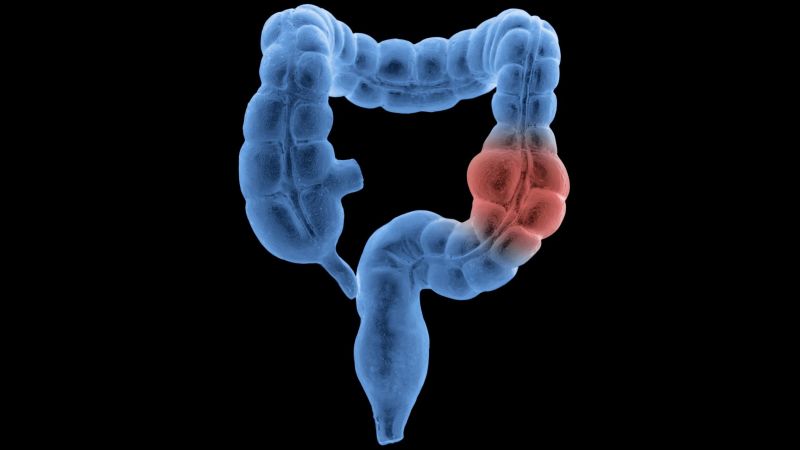
A new report by the American Cancer Society has found that the rate of colorectal cancer diagnoses among adults younger than 55 has nearly doubled in the past two decades, with the proportion of cases increasing from 11% in 1995 to 20% in 2019 and the rate of advanced-stage colorectal cancer diagnoses increasing from 52% in the mid-2000s to 60% in 2019. The exact cause of the rise is unknown, but the American Cancer Society recommends that people at average risk of colorectal cancer begin regular screening at age 45, and those at higher risk should begin screening at an earlier age.
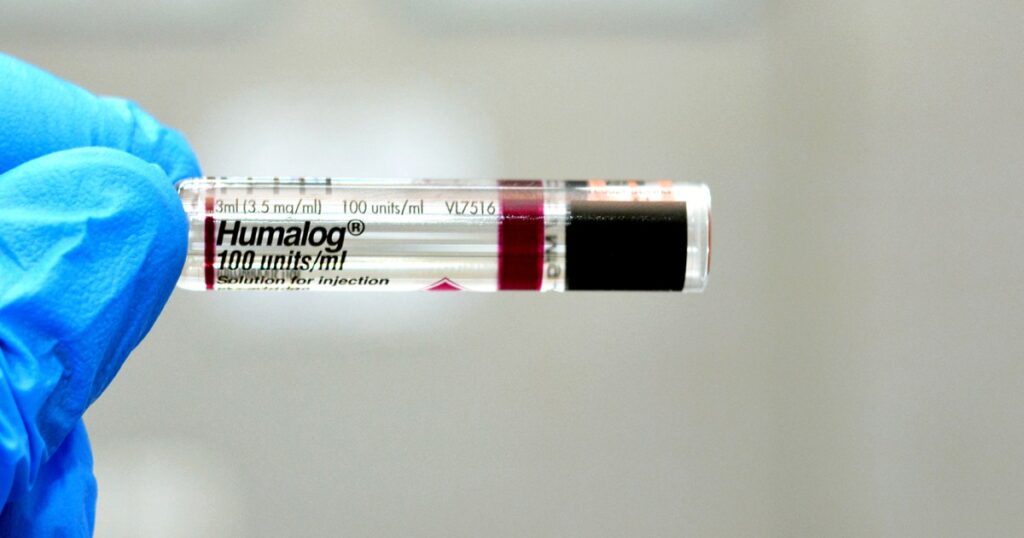
Eli Lilly & Co. announced Wednesday that it will reduce prices for some of its older insulins and expand a cap on costs insured patients pay when they fill prescriptions, providing critical relief to people with diabetes who can face annual costs of more than $1,000 for insulin. The drugmaker said the cap on out-of-pocket costs will take effect immediately, though the high cost of insulin in the U.S. is still a major issue.

Eli Lilly has announced a 70% price cut for its most commonly used forms of insulin, with a list price of $25 a vial as of May 1, and out-of-pocket costs capped at $35 a month for those with commercial insurance. The move comes in response to criticism of insulin prices, which have led to rationing and other health risks for those with diabetes. Eli Lilly is also expanding its Insulin Value Program to help make insulin more accessible and affordable.

The U.S. has been urged to respect science and facts in its investigation into the origins of the coronavirus. FBI Director Christopher Wray suggested that Covid-19 may have originated from a potential lab incident in Wuhan, China, and the Chinese government has interfered with the FBI's ongoing probe. The World Health Organization has called for more international cooperation and collaboration to help uncover the source of the virus.

FBI Director Christopher Wray has confirmed that the FBI has assessed that the Covid-19 pandemic is most likely the result of a laboratory incident in Wuhan, China. He noted that the FBI has a team of agents, professionals, analysts, virologists, and microbiologists dedicated to researching the origins of the virus, and that the FBI has "moderate confidence" in the lab-leak theory. Wray's comments come at a time when the US government is divided on the origin of the virus, and the FBI's assessment is an important step in understanding the origin of the virus.