
Recent advancements in DNA technology have provided investigators with enhanced tools to address unresolved cold cases, exemplified by the case of Gideon Castro, a 66-year-old suspect linked to a 1977 murder in Hawaii. Despite the new DNA evidence, Castro was released from a Utah jail after Honolulu prosecutors indicated they were not ready to proceed with a murder charge. This situation underscores both the promise and challenges of using advanced DNA technology in cold cases, highlighting the need to balance technological capabilities with prosecutorial readiness.
Posts published in “Crime”

In the wake of the deaths of actor Gene Hackman and his wife, Betsy Arakawa, their estate is seeking to block the release of sensitive investigation materials to protect their privacy. Hackman died from heart disease and complications from Alzheimer's, while Arakawa succumbed to hantavirus pulmonary syndrome, with their bodies found partially mummified in their Santa Fe home. The case has garnered significant attention due to Hackman's fame and the unusual circumstances, as legal proceedings continue to weigh public interest against privacy concerns.

An American Airlines Boeing 737-800 with 178 passengers made an emergency landing at Denver International Airport due to engine vibrations, and subsequently, one of its engines caught fire while taxiing. The passengers and crew were evacuated swiftly using emergency slides and by climbing onto the wing, resulting in no serious injuries. The FAA and American Airlines are investigating the cause of the engine fire, while airport operations continued with minimal disruption.
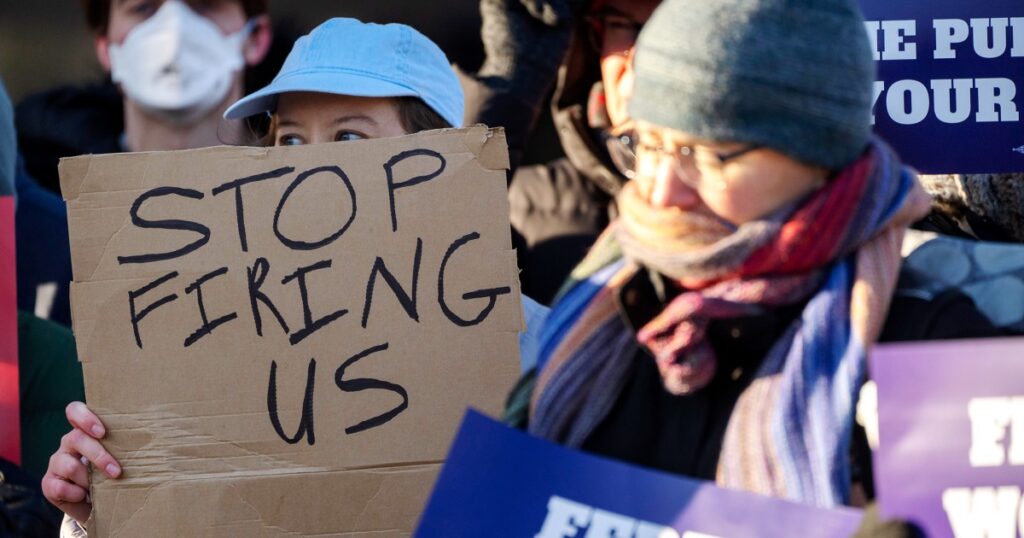
A federal judge in Maryland has issued a temporary restraining order to halt the mass terminations of probationary federal workers, mandating their reinstatement, following a lawsuit by 19 states and the District of Columbia. The ruling criticized the lack of advance notice and individualized assessments, arguing that the terminations violated federal regulations and lacked procedural safeguards. This legal intervention highlights the ongoing scrutiny of employment practices within federal agencies and may set a precedent for balancing administrative discretion with employee rights.
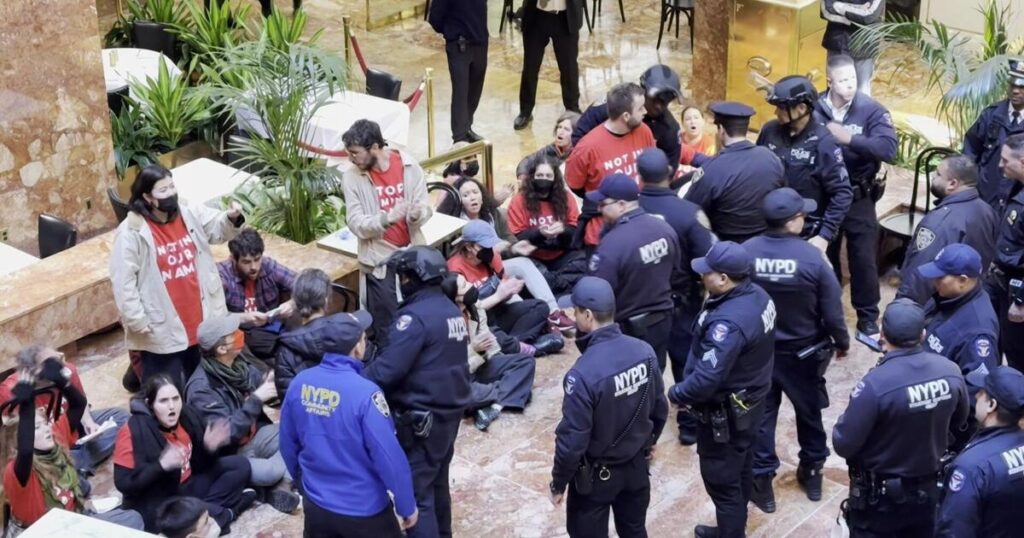
On March 13, 2025, a protest organized by Jewish Voice for Peace took place at Trump Tower in Manhattan, demanding the release of Mahmoud Khalil, a Palestinian activist and Columbia University graduate student detained by ICE. Demonstrators, wearing red T-shirts and chanting "Free Mahmoud," staged a sit-in within the building's lobby, drawing significant attention to Khalil's situation. The protest, which resulted in several arrests by the NYPD, is part of a larger movement advocating for activists' and immigrants' rights, highlighting ongoing debates about immigration enforcement in the United States.

Mahmoud Khalil, a Syrian-origin green card holder and former Columbia University student, was arrested by ICE agents in New York, sparking a debate about the rights of permanent residents in the U.S. His involvement in pro-Palestinian protests has brought his immigration status under scrutiny, raising concerns about the consequences for permanent residents engaging in political activism. The case highlights the complexities faced by lawful U.S. residents participating in politically sensitive activities and may set a precedent for how similar situations are handled, impacting the rights of green card holders to engage in activism without fear of deportation.

Robert Morris, the founding pastor of Gateway Church in Southlake, Texas, has been indicted on five counts of lewd or indecent acts with a child, related to incidents that allegedly occurred in the 1980s. The charges stem from accusations by Cindy Clemishire, who claims the abuse began in 1982 when she was 12 years old and continued for four years. Morris resigned from his position last year after admitting to past misconduct, and the case is now under the jurisdiction of the Oklahoma legal system, highlighting issues of accountability within religious institutions.

In a significant security operation, Pakistani forces successfully freed 190 passengers from a hijacked train in Balochistan, where separatist militants had taken control of the Jaffar Express. The attackers detonated explosives and opened fire, resulting in 11 deaths, while the Pakistani military engaged in a fierce battle, killing at least 30 militants. The incident underscores the ongoing security challenges in Balochistan, highlighting the need for continued vigilance and strategic responses to separatist threats in the region.