
The United States Supreme Court has upheld a Biden administration regulation that classifies "ghost gun" kits as firearms under federal law, allowing the Bureau of Alcohol, Tobacco, Firearms and Explosives (ATF) to regulate them. In a 7-2 decision, the court found that the ATF's regulation aligns with the federal Gun Control Act, rejecting challengers' arguments and affirming the agency's authority over certain weapon parts kits. This ruling is seen as a victory for gun control advocates, as it enhances oversight and accountability in the sale and distribution of gun parts by including ghost gun kits under the same regulatory framework as other firearms.
Posts published in “Crime”
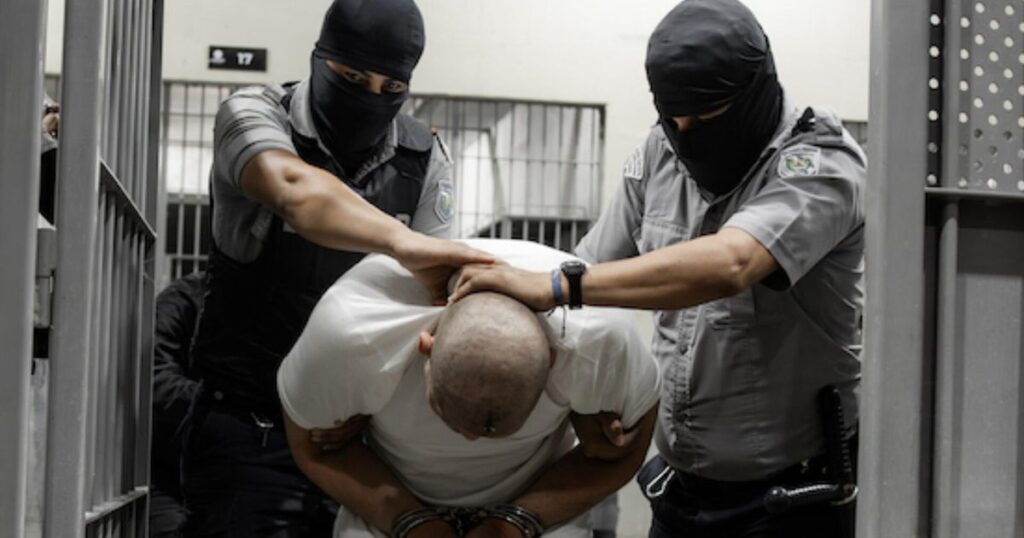
A woman was distressed to see her partner in a video from an El Salvador prison after his deportation, highlighting the controversy surrounding the Trump administration's handling of Venezuelan migrant deportations. The administration is under scrutiny for potentially defying a federal judge's order to halt deportations, raising questions about its efforts to circumvent legal intervention. This case underscores the tension between the executive branch and the judiciary over immigration policies, with conflicting information from ICE agents further complicating the legal and humanitarian aspects.

Gerhardt Konig, a former doctor and assistant professor from the University of Pittsburgh Medical Center, was arrested in Hawaii after allegedly attempting to murder his wife during a hike by pushing her off a trail and striking her with a rock. The victim, in critical condition, identified Konig as her attacker, leading to his capture following a brief foot chase by the Honolulu Police. The case has garnered significant attention due to Konig's professional background, and the investigation is ongoing as he faces serious charges.
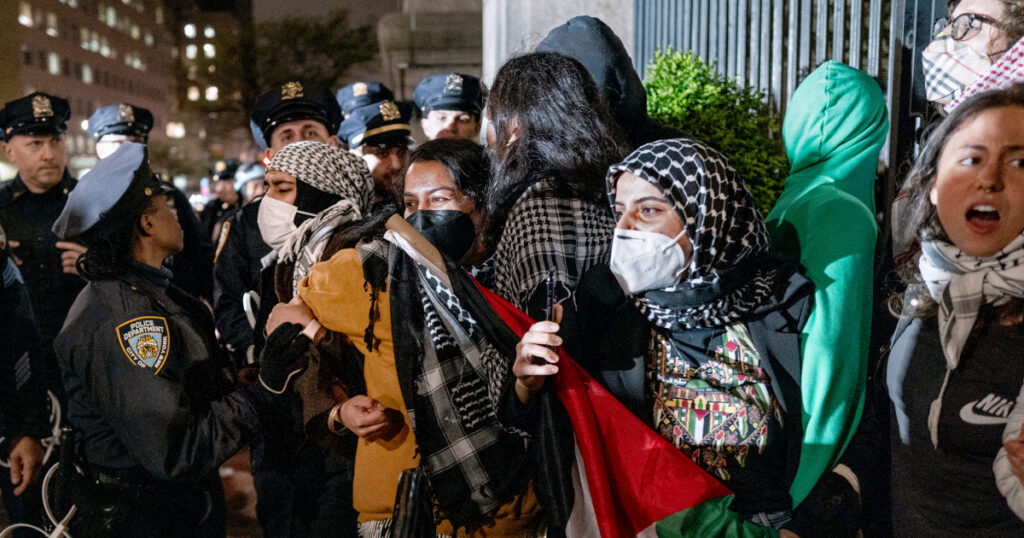
A federal judge has temporarily halted the deportation of Yunseo Chung, a Columbia University student and legal permanent resident, amid claims of targeted immigration enforcement due to her involvement in pro-Palestinian protests. Chung's legal team argues that the government's actions represent an overreach aimed at punishing her for constitutionally protected protest activities, highlighting concerns about the treatment of protest participants. This case underscores the tension between immigration enforcement and political activism, with potential implications for similar situations involving individuals engaged in protests.
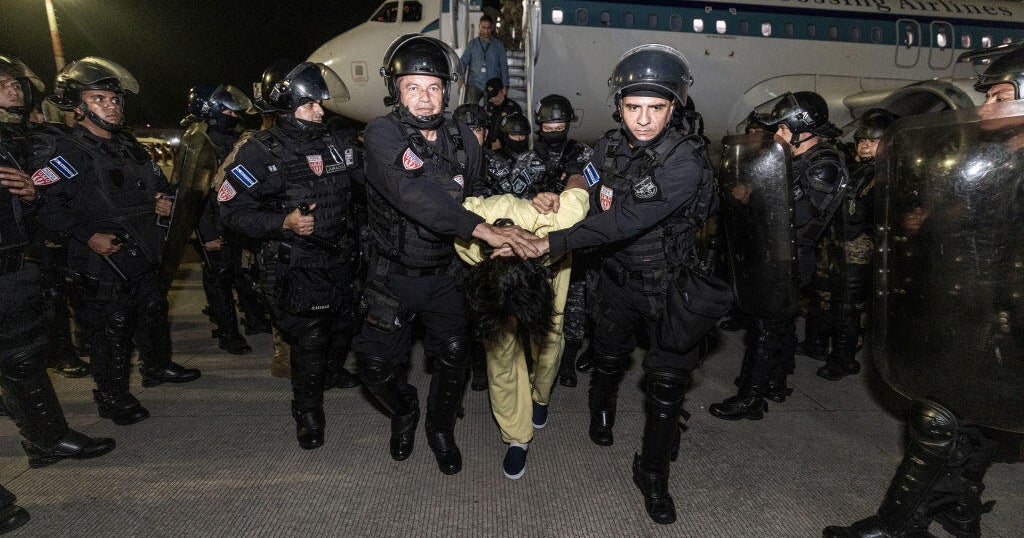
The Trump administration has invoked the state secrets privilege in response to a federal judge's inquiry about potential violations of a deportation order involving Venezuelan migrants, citing concerns over diplomatic and national security issues. This move, overseen by U.S. District Judge James Boasberg, has raised questions about compliance with a previous order to halt deportations without due process, as the administration refused to disclose specific details about the deportation flights. The invocation of this privilege highlights ongoing tensions between the executive branch and the federal judiciary, with significant implications for immigration enforcement and the balance of power between these branches.

On Monday, authorities found a man and two children with non-life-threatening injuries near a small plane wreck on Alaska's Kenai Peninsula, and they were taken to a hospital for evaluation. In a separate incident, a 16-year-old named Tucker Challan died in an avalanche while snowmachining in Turnagain Pass, marking the fourth avalanche-related fatality in Alaska this month. The Alaska State Troopers are investigating both incidents, highlighting the need for safety and awareness of avalanche risks during winter recreational activities.
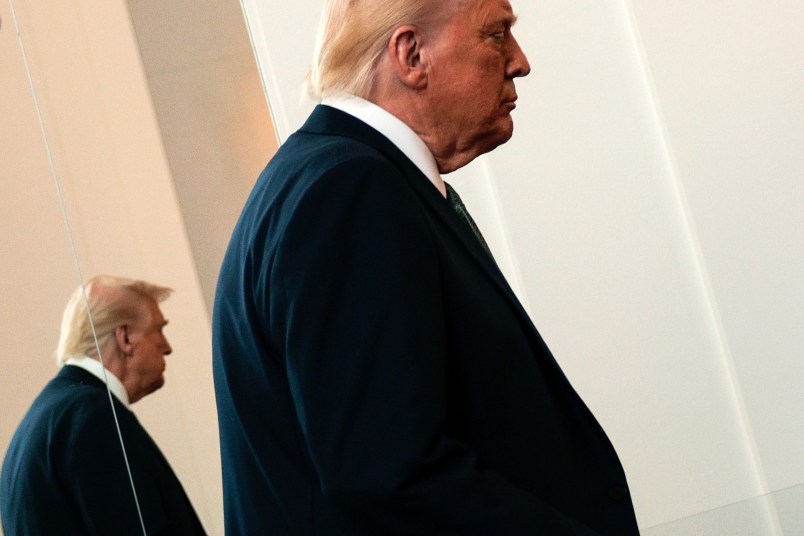
The Trump administration has taken significant actions against major law firms, such as Perkins Coie, Paul, Weiss, and Covington & Burling, by revoking their attorneys' security clearances and restricting their participation in federal matters. This move, part of a broader directive, has sparked criticism for potentially limiting legal challenges to the administration's policies and raising concerns about its impact on the legal community and justice system. Additionally, an accidental inclusion of a journalist in a sensitive discussion about U.S. military plans has further scrutinized the administration's handling of sensitive information, reflecting ongoing tensions in the political landscape.

A federal appellate judge expressed concerns about the treatment of Venezuelan migrants deported to El Salvador and detained without due process, drawing a historical comparison to the treatment of Nazi detainees during World War II. Judge Patricia Millett highlighted the differences in legal proceedings, noting that Nazis were given hearings under the Alien Enemies Act, whereas the Trump administration deported migrants without notice based on unverified gang affiliations. The government's defense of these actions has sparked legal and ethical debates, leading to a pause by a lower court judge as the courts examine the balance between national security and individual rights.