Key takeaways:
- Holscher defeats Masterson to succeed term-limited Democratic Gov. Laura Kelly.
- The Associated Press called the closely contested race after provisional ballots were counted and local recounts took place.
- Holscher called for a moratorium on new data centers; Masterson opposed one.
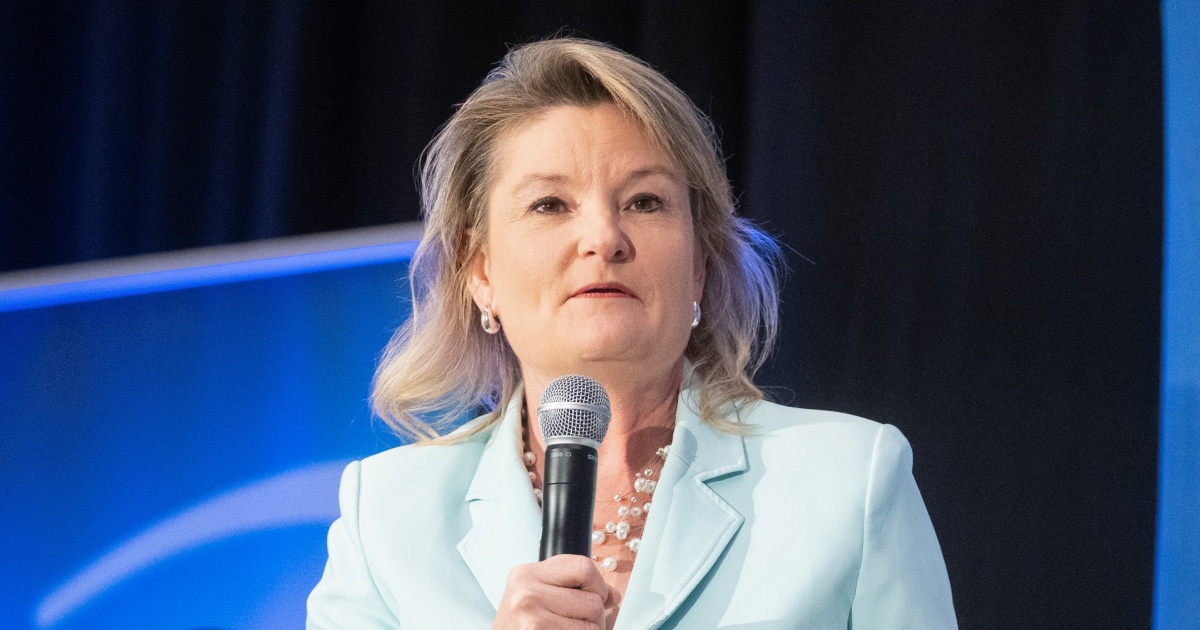
Democratic state Sen. Cindy Holscher has narrowly defeated Republican Ty Masterson in the Kansas governor’s race, keeping the office in Democratic hands despite a strong Republican advantage in the state and an endorsement of Masterson by President Donald Trump.
The Associated Press called the race after days of counting provisional ballots and local recounts in the closely contested election, NPR reported. NBC News also projected Holscher as the winner. She will succeed Gov. Laura Kelly, a Democrat who is term-limited after eight years in office.
Kansas was widely seen as a prime opportunity for Republicans to gain a governorship. NPR reported that, among 36 gubernatorial elections nationwide, it was considered the most likely to flip from Democratic to Republican control. Registered Republicans outnumber registered Democrats in Kansas by nearly 2 to 1, according to NBC News, and Trump won the state by double digits in each of the last three presidential elections.
Holscher, 57, campaigned against what she called “sweetheart deals” for billionaires and sought to link Masterson, the 57-year-old state Senate president, to Trump. NBC News reported that Holscher won despite a nearly 3-to-1 Republican advantage in general-election advertising spending, citing the ad-tracking firm AdImpact. The outlet said polling had shown a close race late in the campaign, largely because of voter frustration with Trump and his handling of the economy.
Holscher argued that Masterson’s ties to Trump would make him less likely to challenge federal policies she said hurt Kansans. “You won’t see Ty Masterson pushing back against bad policy, like tariffs that are hurting our farmers or the importing of beef that are hurting our ranchers,” she told Kansas City television station KMBC in October, according to NBC News. She also said she would “work with folks” in the administration “to make sure we bring good things to Kansas.”
Masterson sought to distance himself from Trump on his website and in campaign materials, NBC News reported. Trump nevertheless campaigned with him in Kansas during the final weekend before Election Day. At the same event, Trump appeared with Republican Sen. Roger Marshall, who lost his re-election bid to Democrat Adam Hamilton, according to NBC News.
The candidates also split on state policy. Holscher called for a moratorium on new data centers, saying Kansas needed guardrails to protect communities and budgets. Masterson opposed a moratorium and defended a 2025 law he supported that grants a sales tax exemption for data center investments, NBC News reported. NPR reported that Holscher opposed school vouchers, sought more support for public schools and proposed legalizing cannabis to raise state revenue. Masterson backed vouchers and called for lower property taxes.
Masterson described Holscher as “the most radical, liberal, socialist Democrat ever” on a Kansas ticket, NPR reported. “He likes to throw around a whole lot of labels,” Holscher responded. “You know why? Because that’s all he’s got.”
Holscher’s victory followed a contested Democratic primary. Kelly endorsed her opponent, state Sen. Ethan Corson, before the primary, then endorsed Holscher after she won, according to NBC News.








Be First to Comment