Key takeaways:
- Trump questioned the midterm results on Truth Social after saying he would accept them and congratulating Democrats.
- The BBC reported that Democrats had won 54 Senate seats and 254 House seats while some races remained uncalled.
- State and local officials reported a mostly smooth election process, with some weather-related closures and local delays.
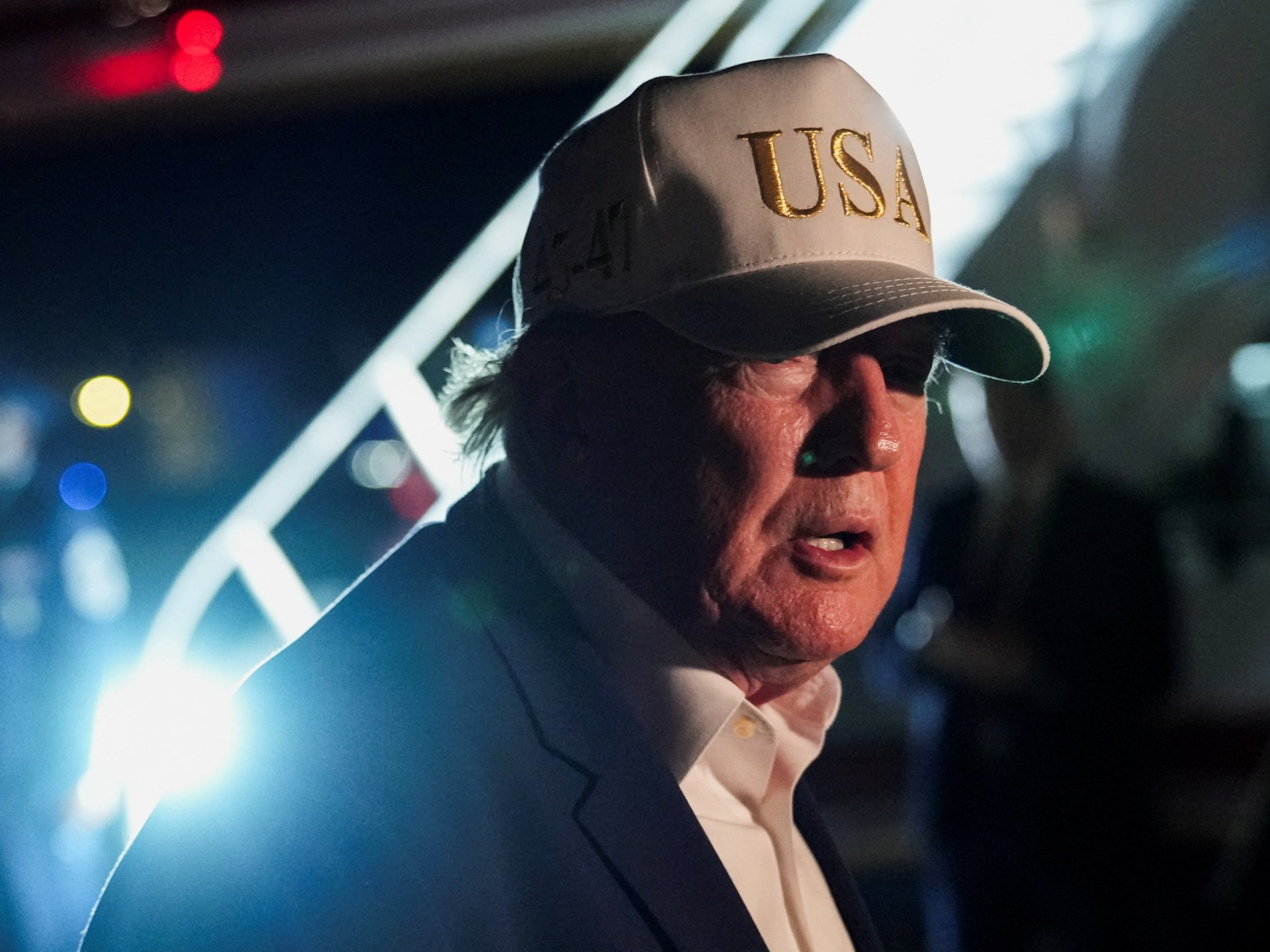
President Donald Trump questioned the integrity of last week’s US midterm elections on Monday, reversing course after saying he would accept the results and congratulating Democrats on winning control of Congress. He offered no evidence of wrongdoing.
“Does anybody really believe that this ‘Election’ was honest,” Trump wrote on Truth Social. “How could the Polls be so wrong???” He also raised questions about ballot counts and voting machines without providing specific evidence, the BBC reported.
Democrats won both the House of Representatives and the Senate. The BBC reported that they had secured 254 House seats and 54 Senate seats as counting continued in some races, including Senate contests in Alaska and Mississippi.
Before the election, surveys from several pollsters and news outlets suggested Republicans could lose seats in both chambers. Al Jazeera reported that a Pew Research analysis found pre-election polls had understated the Democratic margin by at least two points in 23 of 27 races for governor and the Senate.
Trump’s post contrasted with his remarks after the election. On election night, he told The New York Times he was “absolutely willing” to accept the outcome and said he looked forward to working with Democrats. In a CBS News interview aired a day before Monday’s post, Trump confirmed he had congratulated Democrats and said he was open to working with their incoming majority, according to Al Jazeera.
State and local election officials have reported a mostly smooth voting process, the BBC reported. Extreme weather forced some polling locations to close, while a handful of administrative or technical problems caused delays in local jurisdictions. Charles Stewart III, a political scientist at the Massachusetts Institute of Technology, told the BBC that election-night vote reporting followed familiar patterns: “We saw across the nation the standard patterns we see in terms of when the votes are reported.”
Some states take longer to count votes because of their laws and procedures, Ruth Greenwood, director of the Election Law Clinic at Harvard Law School, told the BBC. “That doesn’t mean anything nefarious is occurring—we just need to trust local election officials to count every vote and tell us the results when they are done.”
Democratic Senate leader Chuck Schumer responded to Trump’s post by calling it a “return to election denialism,” Al Jazeera reported. “He can whine all he wants, but nothing will stop this inescapable truth: For the last two years of his presidency, Trump will face the largest Democratic congressional majorities in decades,” Schumer wrote on X.
Trump has also offered an explanation for his party’s losses. He told Fox News that the war in Iran had contributed to the defeat because voters were unwilling to bear the short-term cost of higher gasoline prices, according to the BBC. Vice-President JD Vance also blamed the war, which the BBC reported began in February and disrupted global oil and gas supplies.







Be First to Comment