Key takeaways:
- The main Diwali celebration falls on November 8, with five days of observances beginning on November 6.
- The BBC reported that Delhi is experiencing its most polluted Diwali in a decade.
- India’s Supreme Court permitted certified green firecrackers in Delhi and surrounding areas for a limited period.
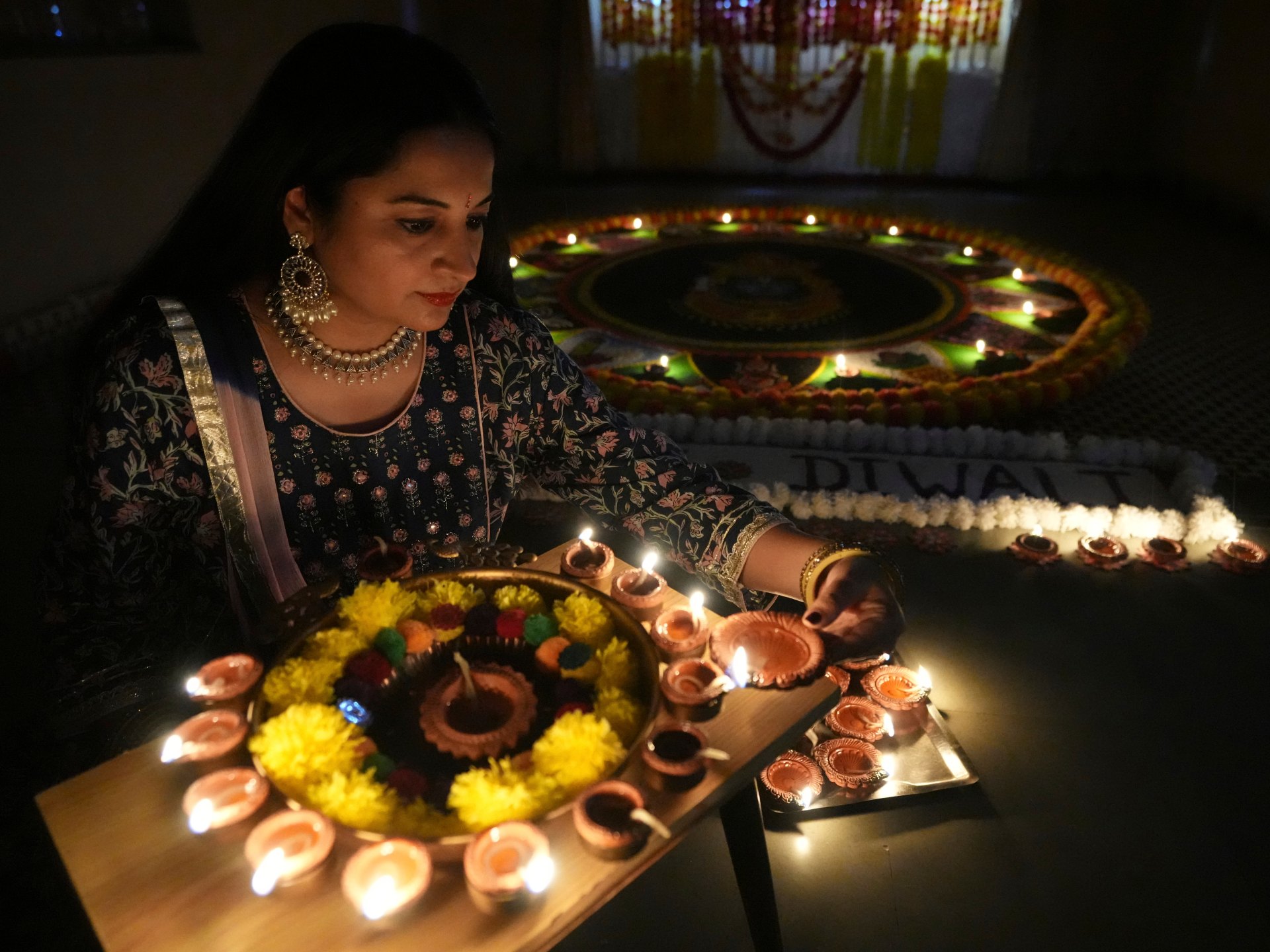
Homes, temples and streets across India are glowing with oil lamps and colourful lights as millions celebrate Diwali, the festival of lights. Families are gathering for prayers, meals and fireworks, even as hazardous air pollution raises concern in parts of the country.
The festival falls on the darkest night of the Hindu lunar month of Kartik. This year’s main celebration is on November 8. Its name comes from “Deepavali”, meaning “a row of lights”, and lamps placed outside homes symbolise the triumph of light over darkness and knowledge over ignorance.
More than one billion people of different faiths take part in celebrations in India, according to Al Jazeera. Diwali is also celebrated by Indian communities around the world. Traditions vary by region and community, but common customs include wearing new clothes, exchanging sweets and gifts, and creating colourful rangoli patterns at the entrances to homes.
For many Hindus, the festival celebrates the return of Lord Ram to Ayodhya after his victory over Ravan, an antagonist in the epic Ramayana. Sikhs and Jains also observe important religious occasions at this time. Sikhs mark Bandi Chhor Divas, commemorating the release of Guru Hargobind from imprisonment at Gwalior Fort in the early 17th century. For Jains, Diwali marks Lord Mahavira’s attainment of moksha, or liberation from the cycle of rebirth. Al Jazeera reported that Buddhists also observe the festival.
Preparations begin before the main night. Families clean and decorate their homes with flowers, lights and oil lamps known as diyas, while shoppers visit markets for festive supplies. The five-day celebration began on November 6 with Dhanteras, when purchases of gold, silver or new utensils are considered auspicious. On Chhoti Diwali, or small Diwali, people light lamps and some set off firecrackers. The main night brings evening prayers to Lakshmi, the Hindu goddess of wealth and prosperity, followed by meals and fireworks. Later observances include family gatherings, New Year festivities in some communities and Bhai Dooj, which celebrates the bond between brothers and sisters.
The festivities come as northern India struggles with deteriorating air quality. Seasonal weather and the burning of crop residue contribute to pollution, and Diwali firecrackers can worsen it. The BBC reported that hazardous pollution in Delhi has made this its most polluted Diwali in a decade, despite new measures intended to improve air quality. Mumbai has also recorded high pollution levels in recent weeks, the BBC said.
India’s Supreme Court on Monday permitted certified “green” firecrackers to be manufactured, sold and used in Delhi and surrounding areas for a limited period. The BBC reported that they are designed to produce 20% to 30% fewer emissions than conventional fireworks, though critics question their effectiveness and warn that conventional firecrackers could still enter the capital from neighbouring states.
Diwali is also considered an auspicious time to make purchases. The BBC reported that India’s stock exchanges are holding a special one-hour Muhurat trading session on November 8 for investors who consider trading during the festival favourable.




Be First to Comment