Key takeaways:
- Two Israeli soldiers and two Palestinian gunmen were killed in Friday’s attack; the BBC reported that three other soldiers were injured.
- Hebron’s mayor told Al Jazeera that 2,200 people had been displaced, while Israel’s defense minister put the figure at about 2,000.
- Netanyahu said troops would evacuate residents and search homes; the Palestinian Authority called the operation collective punishment.
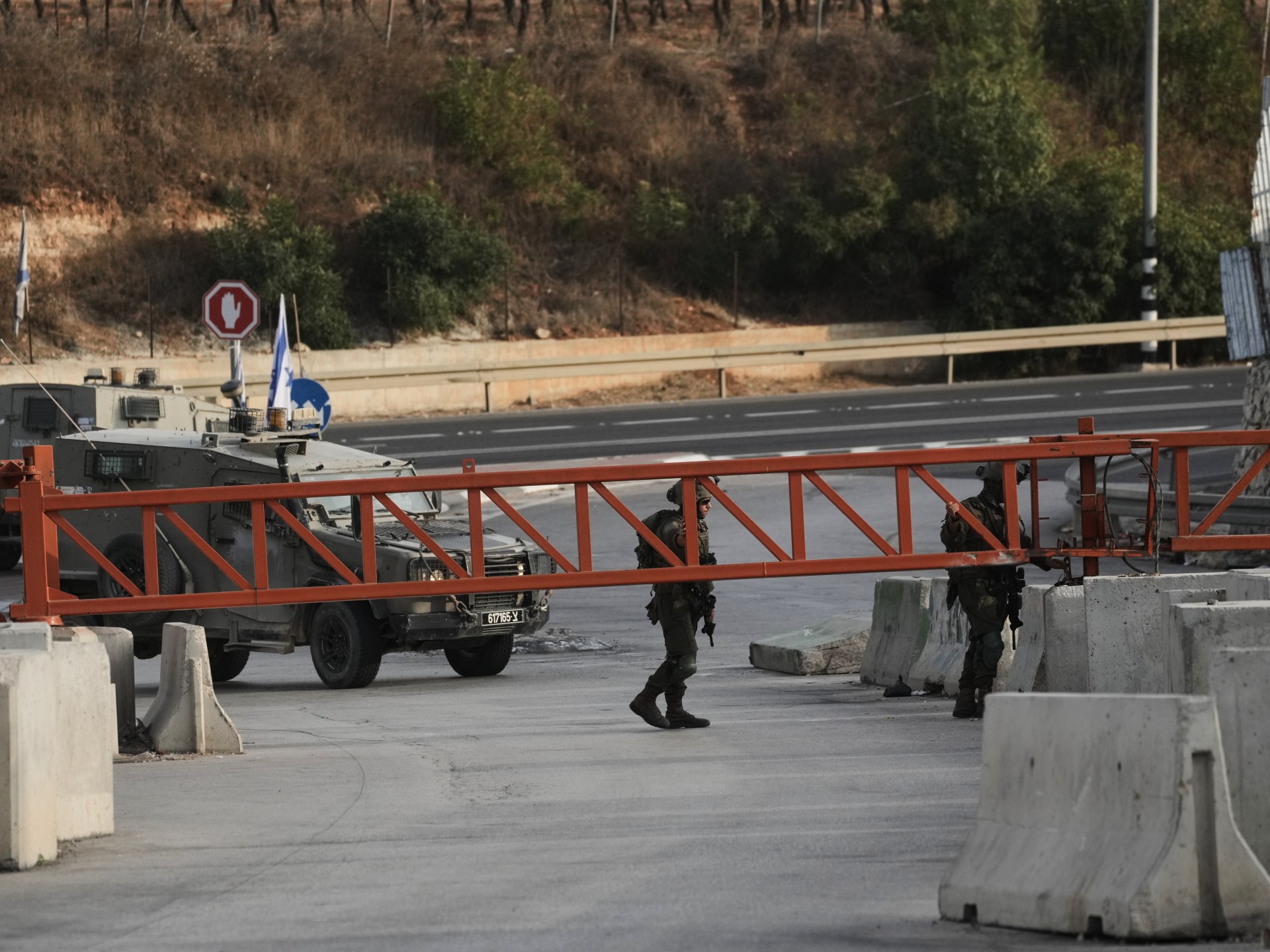
Israeli forces demolished homes and businesses in Hebron and sealed off the occupied West Bank city after a shooting killed two Israeli soldiers, displacing thousands of Palestinians as troops carried out raids across the territory.
The operation followed a Friday attack by two Palestinian gunmen, who were also killed. The BBC reported that three other Israeli soldiers were injured. Prime Minister Benjamin Netanyahu went to Hebron that day and said troops would evacuate residents, search homes and destroy what he called terrorist infrastructure.
“We will evacuate the residents, go house to house, remove the weapons we find there, and deal with and destroy all terrorist infrastructure,” he said. Netanyahu also said buildings near the attack site and in the gunmen’s neighborhoods would be destroyed.
Accounts of the displacement varied as the operation continued. Hebron Mayor Yousef al-Ja’bari told Al Jazeera on Saturday that 2,200 people had been forced from their homes. Israeli Defense Minister Israel Katz put the figure at “about 2,000” and said residents could not return until the military had finished dealing with what he called “all the Hamas issues in Hebron.” The BBC reported that the mayor had earlier given a figure of more than 1,000 displaced people, while the city’s governor and deputy mayor said at least 200 families had been displaced. Israeli rights group B’Tselem said about 240 Palestinian families were forced from their homes on Friday and Saturday.
Among those who lost a home was Riyad Mureish, 49, a Hebron businessman who told NBC News that soldiers gave his family only minutes to gather valuables and identity documents before bulldozers tore down the house he had built with his life savings. Mureish said a court decree should have prevented its demolition.
“They demolished and took me out by force,” he said. Sheltering with his wife and children in a room at a neighbor’s house, he asked: “No house, no land, no money, what can I do?”
The mayor said troops had closed Hebron’s entrances, preventing people from entering or leaving. He told the BBC that homes, businesses, industrial sites and infrastructure had been targeted, and that some families spent the night outside. B’Tselem said soldiers had taken over numerous homes and raised Israeli flags on several buildings. The Israeli military said its operations across the West Bank would last several days, according to the BBC.
Al Jazeera reported Saturday that Israeli forces raided at least 15 areas across the West Bank. The Palestinian Prisoners’ Society said about 70 Palestinians had been arrested. The Palestinian Authority called the demolitions, displacement and closures “collective punishment” and urged international intervention.
United Nations spokesperson Stéphane Dujarric said closures “severely restrict Palestinians’ freedom of movement, access to basic services and livelihoods.” Hebron’s mayor accused Netanyahu of pursuing votes before Israel’s Oct. 27 election. Netanyahu, who has emphasized security in his campaign, said after the attack that he had warned of attempts to harm Israeli civilians and soldiers ahead of the vote.


Be First to Comment